Central Vietnam is a land of extraordinary contrasts — where ancient imperial grandeur meets pristine coastlines, where misty mountain passes overlook turquoise bays, and where centuries of history breathe life into every street corner and temple doorway. Stretching along the narrow waist of the country, this remarkable region offers Indian travellers a deeply immersive experience that goes far beyond the typical tourist trail.
At the heart of Central Vietnam lies Hue, the former imperial capital of the Nguyen Dynasty. Here, the magnificent Citadel — a UNESCO World Heritage Site — stands as a testament to Vietnam’s royal past. Wander through the Imperial Enclosure, explore the elaborate royal tombs that line the Perfume River, and savour the city’s legendary cuisine, widely regarded as the most refined and complex in all of Vietnam. Hue’s dishes — from bánh bèo to bún bò Huế — were originally crafted for emperors, and tasting them today feels like a privilege passed down through generations.
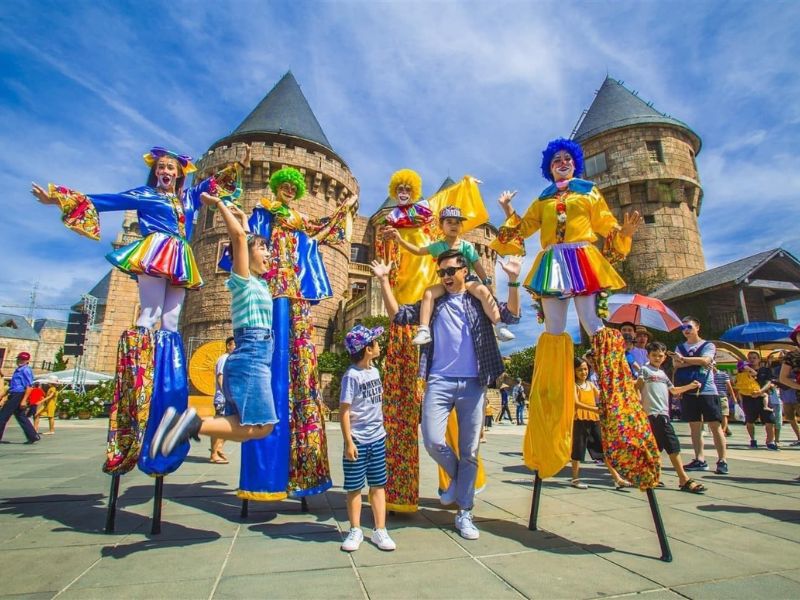
Just a short journey south, Da Nang emerges as Central Vietnam’s modern heartbeat. A dynamic coastal city framed by the stunning Son Tra Peninsula and the iconic Dragon Bridge, Da Nang has transformed in recent decades into one of Southeast Asia’s most exciting urban destinations. Its beaches — particularly My Khe — stretch for kilometres of golden sand, while the nearby Ba Na Hills offer a surreal mountain retreat complete with the famous Golden Bridge, held aloft by two giant stone hands. For Indian travellers accustomed to vibrant city energy, Da Nang delivers a compelling blend of natural beauty and contemporary comfort.
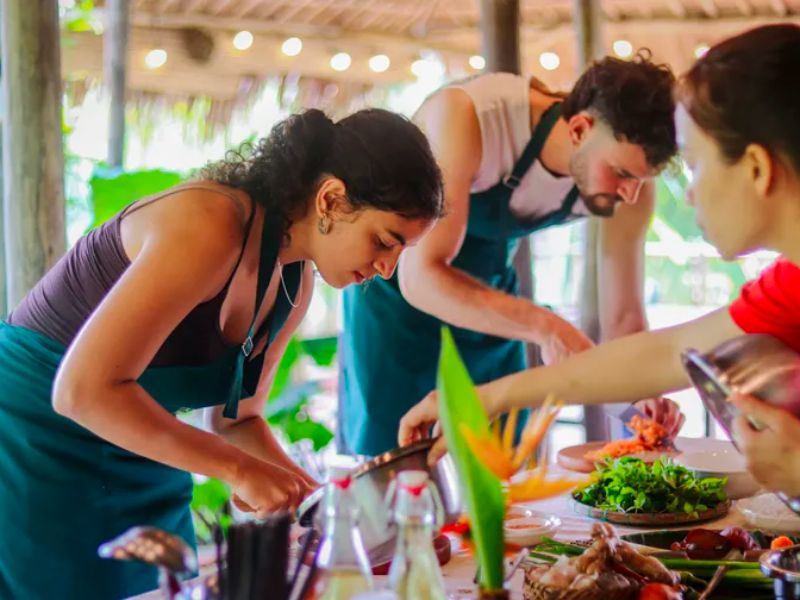
Nestled between Hue and Da Nang, the ancient trading port of Hoi An is perhaps Central Vietnam’s most enchanting jewel. Its UNESCO-listed Old Town glows with hundreds of silk lanterns after dusk, casting a warm, dreamlike light over centuries-old merchant houses, Japanese covered bridges, and French colonial facades. By day, Hoi An invites you to cycle through rice paddies, watch skilled artisans at work, take a cooking class in a riverside garden, or commission a bespoke garment from one of its legendary tailors — all within a single afternoon.
Beyond its iconic cities, Central Vietnam rewards the curious traveller with hidden discoveries at every turn. The Hai Van Pass — one of the most dramatic coastal mountain passes in Asia — offers breathtaking views of cloud-draped peaks meeting the South China Sea below. The My Son Sanctuary, a collection of ancient Hindu temples built by the Cham civilisation between the 4th and 14th centuries, holds particular resonance for Indian visitors, offering a fascinating window into the deep historical and cultural connections between India and Southeast Asia. The Phong Nha-Ke Bang National Park, a UNESCO World Heritage Site, contains some of the world’s largest and most spectacular cave systems, including the extraordinary Son Doong — the largest cave on Earth.
Central Vietnam’s climate follows its own distinct rhythm. The northern reaches around Hue experience a cooler, wetter season from October to February, while Da Nang and Hoi An enjoy their driest and sunniest months between February and August — making the region a year-round destination depending on where you choose to focus your journey.
For Indian travellers, Central Vietnam offers an experience that resonates on multiple levels — its reverence for history and ancestry, its deeply spiritual relationship with food and ritual, its warmth and hospitality, and its extraordinary natural landscapes. Whether you arrive seeking ancient temples, pristine beaches, world-class cuisine, or simply the joy of wandering through streets that feel frozen beautifully in time, Central Vietnam will not merely meet your expectations — it will quietly exceed them in ways you did not anticipate.