


Phuc Kien Assembly Hall is one of the most remarkable cultural landmarks in Hoi An. Walking through its grand three-gate entrance, visitors are welcomed by the lingering fragrance of incense and a tranquil atmosphere that feels worlds away from the bustling streets outside. Red lanterns sway gently overhead, while ornate carvings and colorful ceramic decorations reflect the rich heritage of the Chinese community that once flourished in the ancient trading port. Beyond its striking architecture, the assembly hall offers a fascinating glimpse into the spiritual beliefs, traditions, and multicultural history that helped shape Hoi An into the destination it is today.
Introduction to Phuc Kien Assembly Hall
Standing on Tran Phu Street in the heart of Hoi An Ancient Town, Phuc Kien Assembly Hall is far more than a beautiful tourist attraction. It is a living reminder of the Chinese merchant communities that helped transform Hoi An into one of Southeast Asia’s busiest trading ports between the 16th and 18th centuries. According to historical records from the Hoi An World Heritage Preservation Center, the assembly hall was established by migrants from China’s Fujian Province in the late 17th century and gradually developed into the largest and most influential Chinese assembly hall in Hoi An. Originally functioning as a gathering place for Fujian merchants, it later became an important religious center dedicated to Thien Hau (Mazu), the sea goddess believed to protect sailors and traders on long maritime journeys.
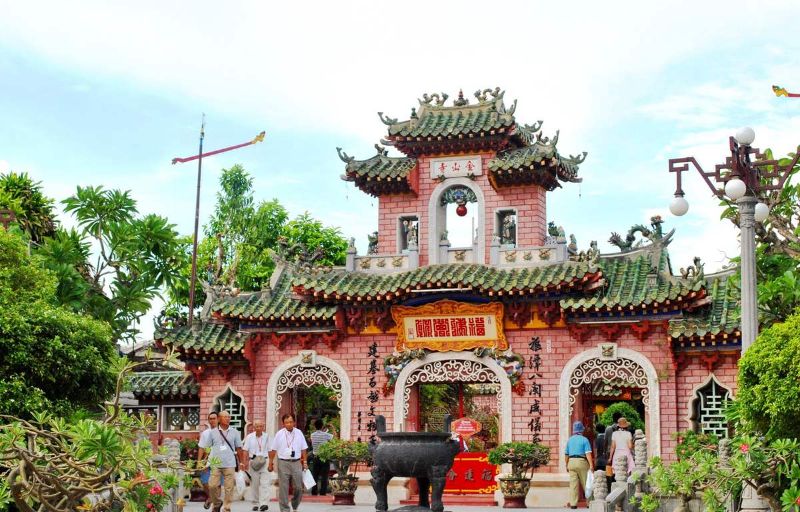
When I first walked through the hall’s iconic pink triple-gate entrance, what struck me was not the architecture but the atmosphere. The scent of burning incense lingered in the air, while dozens of large spiral incense coils hung silently from the ceiling above. Outside, Tran Phu Street was crowded with visitors, yet inside the courtyard, everything felt noticeably calmer. The sound of conversation faded, replaced by the occasional ringing of a temple bell and the quiet prayers of local worshippers.
Today, Phuc Kien Assembly Hall remains one of the most visited heritage sites in Hoi An. Visitors come to admire its elaborate dragon sculptures, ceramic mosaics, and traditional Chinese architecture, but the site’s true significance lies in the stories it tells about migration, trade, religion, and cultural exchange. Every courtyard, altar, and carved wooden panel reflects the legacy of the Fujian community that settled here more than three centuries ago and helped shape the multicultural identity for which Hoi An is now recognized worldwide.
History and Origins of Phuc Kien Assembly Hall
To understand why Phuc Kien Assembly Hall became one of Hoi An’s most important cultural landmarks, it helps to look back at the city’s golden age as an international trading port. Between the 16th and 18th centuries, Hoi An welcomed merchants from China, Japan, Portugal, and many other parts of Asia. Historical records describe the town as one of the busiest commercial centers in Southeast Asia, where ships arrived carrying silk, ceramics, tea, medicinal herbs, and spices. Among the foreign trading communities, immigrants from China’s Fujian Province formed one of the largest and most influential groups.
Many Fujian merchants settled permanently in Hoi An after political and economic changes in southern China during the late Ming and early Qing periods. Far from their homeland, they needed a place to gather, maintain social connections, preserve religious traditions, and support newly arrived migrants. According to the Hoi An Center for Cultural Heritage Management and Preservation, the assembly hall was officially established in 1697 and gradually developed into the principal meeting place for the Fujian community in Hoi An.
The origins of the site are closely linked to local maritime traditions. Historical accounts suggest that the location was originally known as Kim Son Pagoda before being converted into an assembly hall. Local legends tell of a statue of Thien Hau Thanh Mau (Mazu), the revered goddess of the sea, that was discovered along the coast near Hoi An after drifting ashore. Fujian merchants viewed the event as a sacred sign and later transformed the site into a temple dedicated to the goddess. For sailors navigating unpredictable monsoon winds and dangerous sea routes across the South China Sea, Thien Hau was believed to provide protection and safe passage.
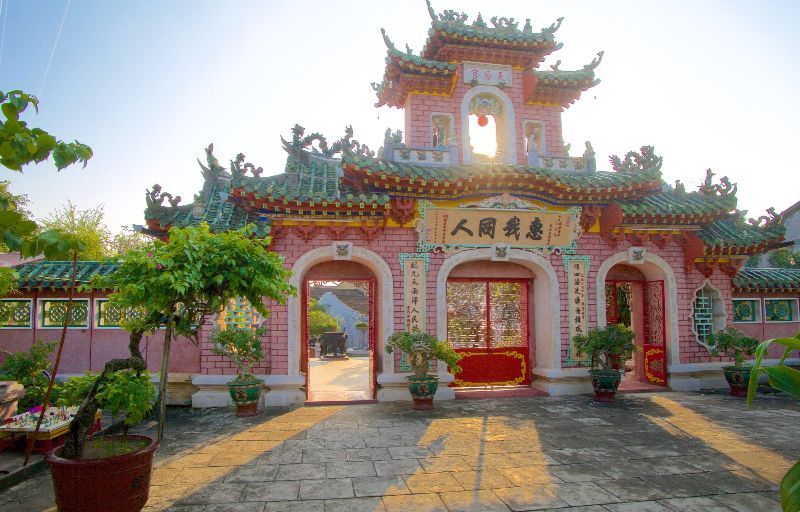
As I walked through the complex, it became easier to understand why the hall held such significance for generations of merchants. The architecture itself tells the story of a prosperous trading community. Intricate ceramic mosaics, dragon sculptures, carved wooden beams, and elaborate altars were not merely decorative additions. Many were funded by successful Fujian merchants who donated money over several centuries to expand and beautify the hall. These contributions reflected both their economic success and their commitment to preserving cultural identity abroad.
The assembly hall continued to grow throughout the 18th and 19th centuries, evolving beyond a religious center into a hub for community affairs, business discussions, festivals, and charitable activities. Today, visitors can still see inscriptions, ancestral tablets, and ceremonial spaces that reveal how closely daily life, commerce, and spirituality were connected within Hoi An’s Chinese community.
Understanding this history adds a deeper layer to any visit. Phuc Kien Assembly Hall is not simply a well-preserved architectural monument. It represents more than three centuries of migration, maritime trade, and cultural exchange that helped shape Hoi An into the multicultural heritage city recognized today. In 1999, Hoi An Ancient Town was inscribed as a UNESCO World Heritage Site, partly because of cultural landmarks like this assembly hall that reflect the city’s unique blend of Vietnamese, Chinese, Japanese, and European influences.
Even today, the hall remains an active spiritual center rather than a museum frozen in time. During my visit, local worshippers quietly lit incense sticks and placed offerings before the altars, continuing traditions that have been practiced for generations. The atmosphere becomes especially vibrant during Lunar New Year, the birthday celebration of Thien Hau, and other traditional festivals, when ceremonies, lion dances, and community gatherings bring the historic complex to life. For travelers interested in experiencing Hoi An beyond its lantern-lit streets, these occasions offer a rare glimpse into the living cultural heritage that still thrives within the walls of Phuc Kien Assembly Hall.
Architectural Features of Phuc Kien Assembly Hall
One of the main highlights of Phuc Kien Assembly Hall is its impressive Chinese architecture. The building is known for its colorful design, detailed decorations, and well-preserved structure, making it one of the most beautiful assembly halls in Hoi An Ancient Town. Many travelers visit not only for its history but also for its unique architectural charm.
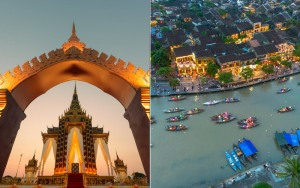
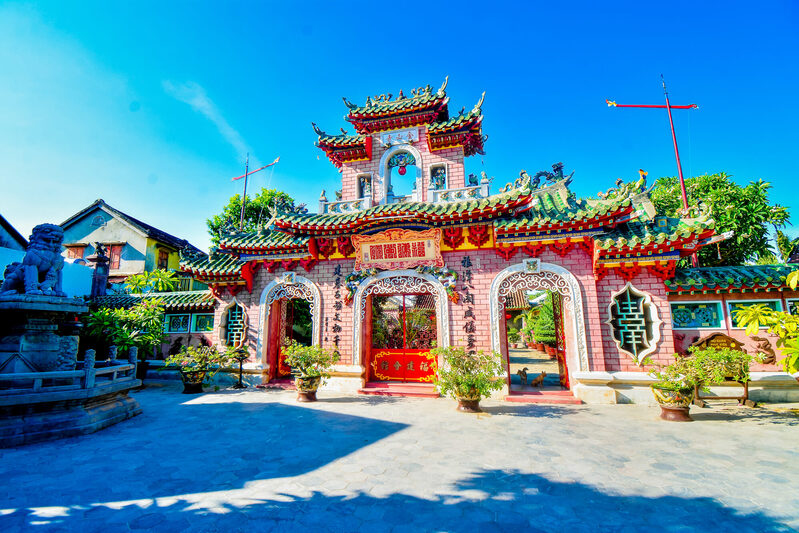
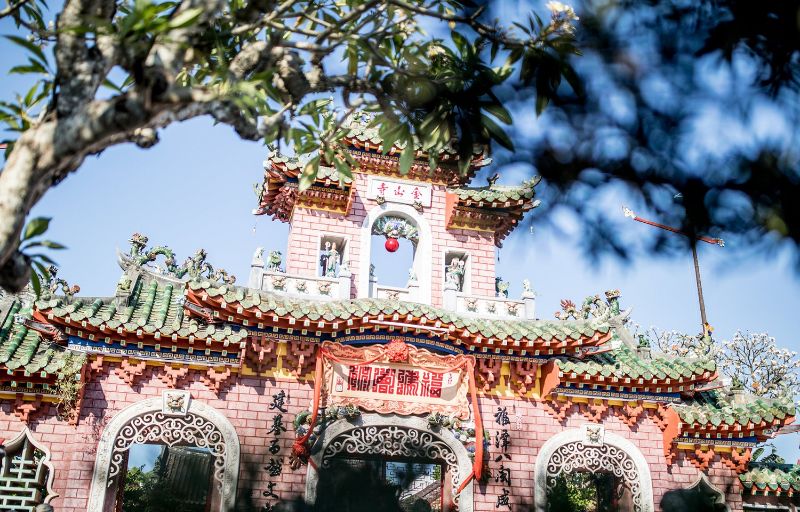
The Tam Quan Gate is the first feature visitors notice. It has three archways decorated with dragon sculptures, porcelain mosaics, and curved roof tiles. In Chinese culture, the three entrances symbolize heaven, earth, and humanity. The bright red, pink, green, and gold colors also represent luck and prosperity, making the gate a popular photography spot.
Inside Phuc Kien Assembly Hall Hoi An, visitors enter a peaceful courtyard with bonsai trees, fountains, and ornamental plants. The layout follows traditional Chinese assembly hall design, leading visitors gradually from open public areas into more sacred spaces. Feng shui principles were used to create balance and harmony throughout the complex.
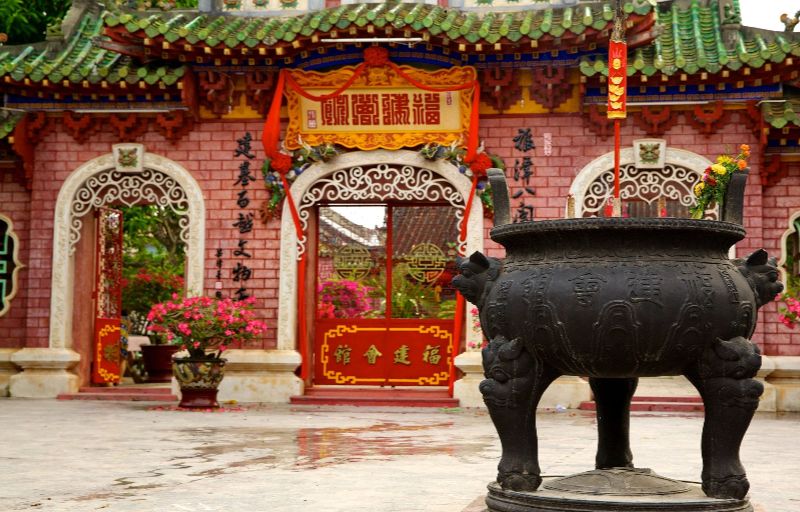
The main hall features wooden carvings, red pillars, hanging lanterns, and traditional altars. Incense smoke and soft lighting create a quiet spiritual atmosphere. Dragon and phoenix decorations appear throughout the building, symbolizing strength, protection, peace, and harmony in Chinese beliefs.
Another striking feature is the colorful ceramic mosaic artwork that illustrates traditional legends and stories. Curved roofs with mythical creatures and yin-yang roof tiles further highlight the traditional Chinese style. At night, glowing lanterns give the hall a warm and magical atmosphere that many travelers enjoy photographing. For many visitors, the architecture of Phuc Kien Assembly Hall becomes one of the most memorable parts of exploring Hoi An because of its beauty, symbolism, and cultural importance.
Significance of the Deities Worshiped at Phuc Kien Assembly Hall
The spiritual atmosphere is one of the most special parts of visiting Phuc Kien Assembly Hall. The site is not only a historical landmark but also an active place of worship where local people continue to pray today. Learning about the deities inside the temple helps travelers better understand the cultural traditions connected to the hall.
The main deity worshiped at Phuc Kien Assembly Hall Hoi An is Thien Hau Thanh Mau, also known as the Goddess of the Sea. She is believed to protect sailors, fishermen, and merchants during sea journeys. Since many Fujian Chinese families arrived in Hoi An by boat, Thien Hau became an important spiritual figure for the community. Merchants often prayed to her for safety and successful trading trips.
Inside the main hall, visitors can see altars surrounded by incense, lanterns, and traditional offerings. The peaceful atmosphere creates a strong spiritual feeling throughout Phuc Kien Assembly Hall. Many local worshippers still visit to pray for health, luck, and family happiness.
Beside Thien Hau are two guardian deities, Thuan Phong Nhi and Thien Ly Nhan, who are believed to help protect people at sea. The hall also honors fertility and childbirth deities, including the Twelve Midwives. Many couples visit the temple to pray for healthy children and family well-being. Other altars are dedicated to deities connected to prosperity, peace, and success. These beliefs reflect the important role spirituality played in the lives of Chinese merchants and local communities.
For travelers, the religious symbolism inside Phuc Kien Assembly Hall Hoi An adds deeper meaning to the visit. During Lunar New Year and traditional festivals, ceremonies, and cultural events create an even more vibrant atmosphere, allowing visitors to experience local customs that have continued for generations.
Visiting Phuc Kien Assembly Hall: What to Expect
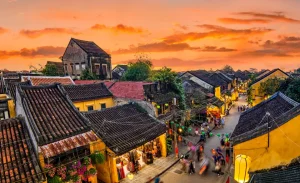
Visiting Phuc Kien Assembly Hall is a chance to slow down and experience a quieter side of Hoi An Ancient Town. Many first-time travelers enjoy the peaceful atmosphere, beautiful architecture, and cultural history found inside the hall. Located on Tran Phu Street, Phuc Kien Assembly Hall Hoi An is easy to include in a walking itinerary. The surrounding streets are filled with lantern shops, cafés, museums, and traditional yellow houses that add to the charm of Hoi An. Early morning is often the best time to visit because the weather is cooler and the streets are less crowded.
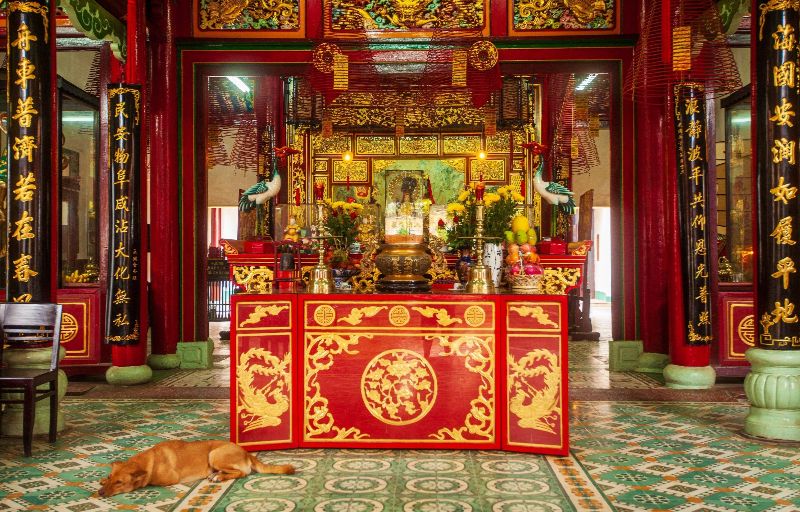
The colorful entrance gate is usually the first thing visitors notice. Dragon sculptures, curved roofs, and detailed carvings make it one of the most photogenic spots in the ancient town. Inside the hall, peaceful courtyards with bonsai trees, incense smoke, and fountains create a calm and relaxing atmosphere. The main prayer hall is often the highlight of the visit. Hanging incense coils, lanterns, wooden pillars, and decorated altars give the space a spiritual feeling. Travelers may also see local worshippers quietly praying or leaving offerings, which adds to the authentic cultural experience.
Visitors should dress modestly and speak softly inside prayer areas to respect local customs. Many travelers spend around 30 to 45 minutes exploring the hall, though some stay longer to admire the architecture and details. During Lunar New Year and local festivals, Phuc Kien Assembly Hall Hoi An becomes even more vibrant with ceremonies, lanterns, and incense offerings. After visiting, travelers can easily continue exploring nearby attractions such as the Japanese Covered Bridge and the riverside lantern streets.
Nearby Attractions and Points of Interest
One of the best things about visiting Phuc Kien Assembly Hall is its central location inside Hoi An Ancient Town. Many of the city’s most famous attractions are only a short walk away, making it easy for travelers to explore several interesting places in one day. Walking through the old town also gives visitors a chance to enjoy Hoi An’s peaceful atmosphere, lantern-lined streets, and historic architecture along the way.
Hoi An Central Market
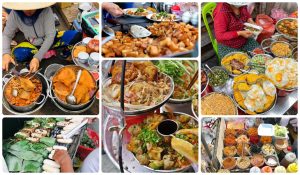
Hoi An Central Market is another popular attraction close to Phuc Kien Assembly Hall. The market offers travelers a lively and authentic look at daily local life. Walking through the market, visitors can see fresh vegetables, seafood, spices, tropical fruits, and handmade products sold by local vendors. For food lovers, this is also one of the best places to try local dishes. Cao lau noodles, white rose dumplings, banh xeo, and fresh Vietnamese coffee are easy to find here.
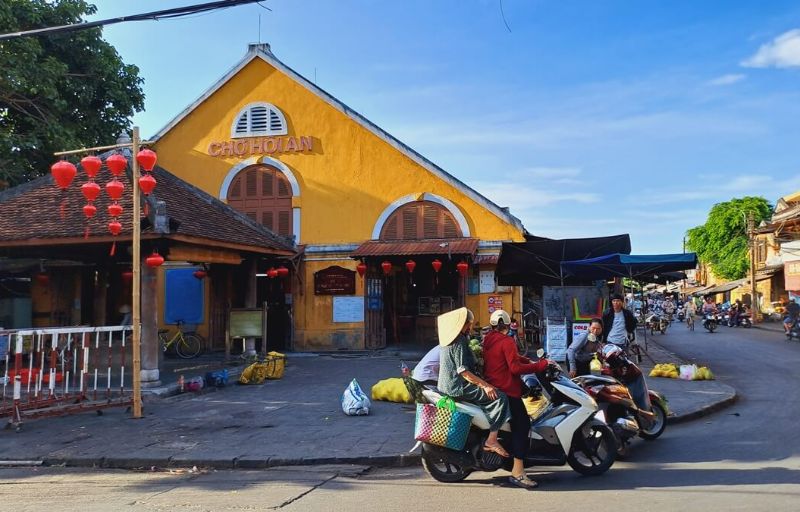
Many travelers enjoy stopping by the market after visiting Phuc Kien Assembly Hall Hoi An because it provides a different side of the city compared to the peaceful atmosphere of the temple. The market can feel busy during peak hours, especially in the morning. However, this energy is part of the experience and gives travelers a better understanding of everyday life in Hoi An.
Tan Ky Old House
Tan Ky Old House is one of the best-preserved merchant houses in Hoi An Ancient Town. Located near Phuc Kien Assembly Hall, this historic home gives travelers insight into how wealthy trading families once lived during Hoi An’s busiest commercial period. The house combines Vietnamese, Chinese, and Japanese architectural styles. Visitors can see antique furniture, wooden carvings, traditional decorations, and historical artifacts that have been carefully preserved for generations.
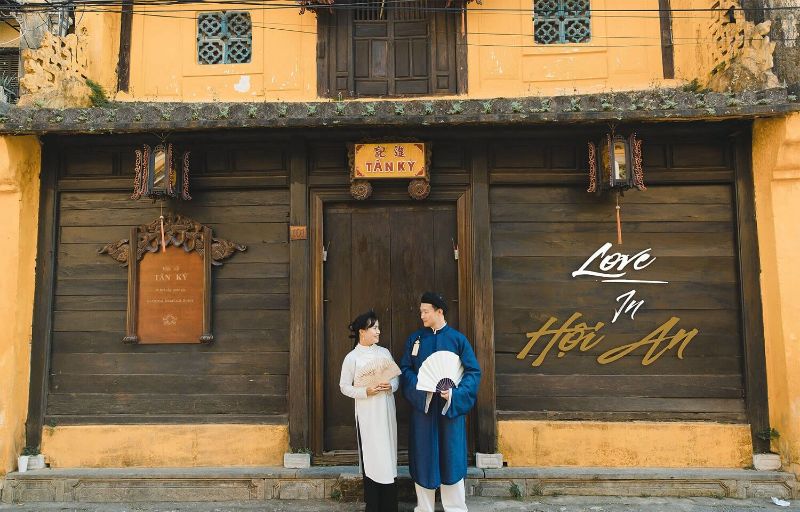
Local guides often share stories about the family history and past flooding events that affected the house over the years. For travelers interested in history and architecture, Tan Ky Old House is an excellent addition to a visit to Phuc Kien Assembly Hall Hoi An. The two attractions together help paint a clearer picture of Hoi An’s international trading heritage.
Cantonese Assembly Hall
Travelers who enjoy cultural sites may also want to visit the Cantonese Assembly Hall after exploring Phuc Kien Assembly Hall. This assembly hall was built by the Cantonese Chinese community and features a different architectural style and decorative design. The entrance courtyard is filled with dragon sculptures, colorful details, and ornamental gardens.
Inside, visitors can observe traditional altars and impressive carvings that reflect Cantonese cultural traditions. Compared to Phuc Kien Assembly Hall Hoi An, the atmosphere here may feel slightly quieter depending on the time of day. Visiting multiple assembly halls in Hoi An allows travelers to notice the differences between Chinese communities that once settled in the city. Each hall has its own history, artistic style, and spiritual traditions.
Hoi An Riverside Area
The riverside area near Phuc Kien Assembly Hall is one of the most relaxing places to spend time in Hoi An. During the day, visitors can enjoy riverside cafés, small souvenir shops, and peaceful walking paths along the Thu Bon River. In the evening, the area becomes much more vibrant.
Lanterns begin glowing across the streets and colorful boats move slowly along the river. Many travelers choose to take a lantern boat ride at sunset or after dark for a more memorable experience. The riverside atmosphere pairs perfectly with a visit to Phuc Kien Assembly Hall Hoi An because both places reflect the calm and romantic charm that makes Hoi An so popular among international travelers.
Traditional Tailor Shops
Hoi An is famous for its tailoring industry, and many tailor shops are located close to Phuc Kien Assembly Hall. Travelers looking for custom-made clothing can easily stop by a tailor after sightseeing around the ancient town. Many shops offer tailored suits, dresses, shoes, and handbags with quick turnaround times. Some travelers choose to have traditional Vietnamese ao dai made as a special souvenir from their trip.
Prices and quality can vary, so comparing a few shops before ordering is usually a good idea. Even if visitors are not planning to buy clothing, walking through the tailor streets near Phuc Kien Assembly Hall Hoi An is still interesting because it highlights another important part of Hoi An’s cultural identity and tourism industry.
Lantern Streets of Hoi An
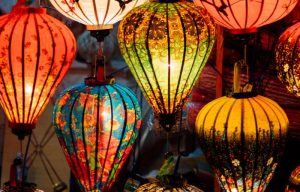
One of the most memorable experiences near Phuc Kien Assembly Hall is simply walking through Hoi An’s lantern streets in the evening. Colorful lanterns hang above the roads, cafés, bridges, and shop entrances throughout the old town. The lanterns create a warm and peaceful atmosphere that many travelers describe as magical.
Photography lovers especially enjoy this area because every corner offers beautiful lighting and traditional scenery. For first-time visitors, combining an evening lantern walk with a daytime visit to Phuc Kien Assembly Hall Hoi An creates a well-rounded Hoi An experience. Travelers can enjoy both the cultural history of the city and its famous nighttime beauty in the same day.
Insider Tips for Visiting Phuc Kien Assembly Hall
While most visitors spend only 15–20 minutes exploring Phuc Kien Assembly Hall, slowing down can reveal details that many people overlook. One local tip is to look up when entering the main hall. Hundreds of spiral incense coils hang from the ceiling, each carrying written wishes and prayers from worshippers. Many visitors walk straight past them without realizing their cultural significance.
If possible, visit between 8:00 AM and 10:00 AM. The morning light illuminates the colorful ceramic mosaics and dragon sculptures beautifully, while the hall is generally quieter than in the late afternoon when tour groups arrive. Early morning also offers a better opportunity to observe local worshippers performing traditional rituals.
Photography enthusiasts should spend a few moments in the central courtyard rather than heading directly to the main sanctuary. From here, you can capture the symmetry of the architecture, the curved rooftops, and the hanging lanterns in a single frame.
Finally, remember that Phuc Kien Assembly Hall is still an active place of worship. Speaking softly and avoiding flash photography near prayer areas helps preserve the peaceful atmosphere that makes the site so special.
Tips for Photography at Phuc Kien Assembly Hall
For many travelers, Phuc Kien Assembly Hall feels photogenic from the moment they arrive. The colorful entrance gate, incense smoke, lanterns, and detailed architecture create a peaceful and visually rich atmosphere. Even casual visitors often find themselves stopping to capture small moments throughout the visit.
If possible, visit Phuc Kien Assembly Hall Hoi An in the morning. The streets are quieter, temperatures are cooler, and the softer lighting works beautifully for photography. Fewer crowds also make the experience feel calmer and more enjoyable for first-time travelers. The entrance gate is one of the best photo spots. Bright colors, dragon sculptures, and curved roofs stand out against Hoi An’s historic streets. Instead of only taking wide shots, try focusing on smaller details like carvings and mosaic artwork.
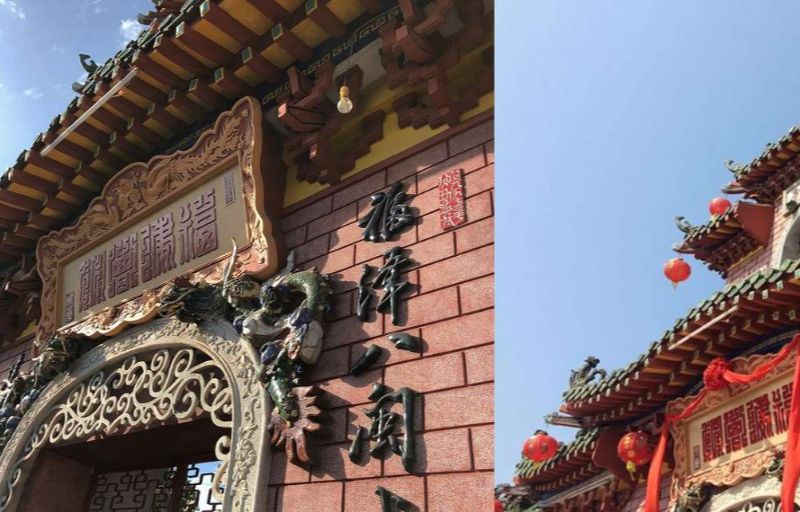
Inside Phuc Kien Assembly Hall, the atmosphere becomes much quieter. Courtyards filled with bonsai trees, lanterns, fountains, and incense create a calm setting that encourages visitors to slow down and enjoy the space naturally. The prayer hall is another highlight for photography. Hanging incense coils and soft lighting create a unique atmosphere. Since local people still worship here, visitors should photograph respectfully by avoiding loud conversations and flash near prayer areas.
Travelers interested in architecture will notice beautiful symmetry throughout the hall. Red pillars, wooden doors, and curved roofs naturally create balanced photo compositions. Traditional ao dai outfits also photograph very well against the historic setting. One helpful tip is to spend a few moments simply observing before taking too many photos. Watching the incense drift through the air and noticing the quiet atmosphere often helps travelers connect more deeply with the experience itself.
Experience the heritage of Hoi An with Lily’s Travel. Visiting Phuc Kien Assembly Hall is only the beginning of discovering Vietnam’s rich cultural history. With more than 15 years of experience, Lily’s Travel specializes in cultural and heritage tours that introduce travelers to traditional architecture, local communities, and authentic regional experiences. Their friendly team and strong understanding of Vietnamese culture help make every journey more personal and insightful.
Phuc Kien Assembly Hall stands as an important reminder of Hoi An’s international trading history and strong cultural connections. The assembly hall combines spirituality, architecture, and local traditions in a way that feels authentic and welcoming to visitors. Spending time here allows travelers to slow down, appreciate the details, and enjoy one of the most meaningful cultural experiences in Hoi An.