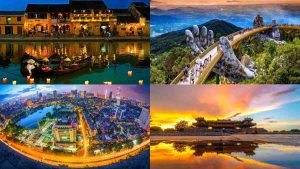



Mui Ne Pagoda is a great starting point for travelers who want to explore beyond the typical beach attractions. Mui Ne is famous for its natural beauty, but its temples also hold strong cultural value. Visiting a pagoda allows you to slow down and experience a peaceful environment. These places are often surrounded by nature, creating a calm and relaxing space. They also show traditional Vietnamese architecture and religious practices. Whether you are interested in culture or simply looking for a quiet place, pagodas in Mui Ne offer a meaningful addition to your journey.
Why temples are worth visiting in Mui Ne
A Mui Ne pagoda offers a different side of Mui Ne beyond its famous beaches and sand dunes. These peaceful sites allow travelers to connect with local culture, discover historical landmarks, and enjoy moments of tranquility. Here are some reasons why temples deserve a place on your itinerary:
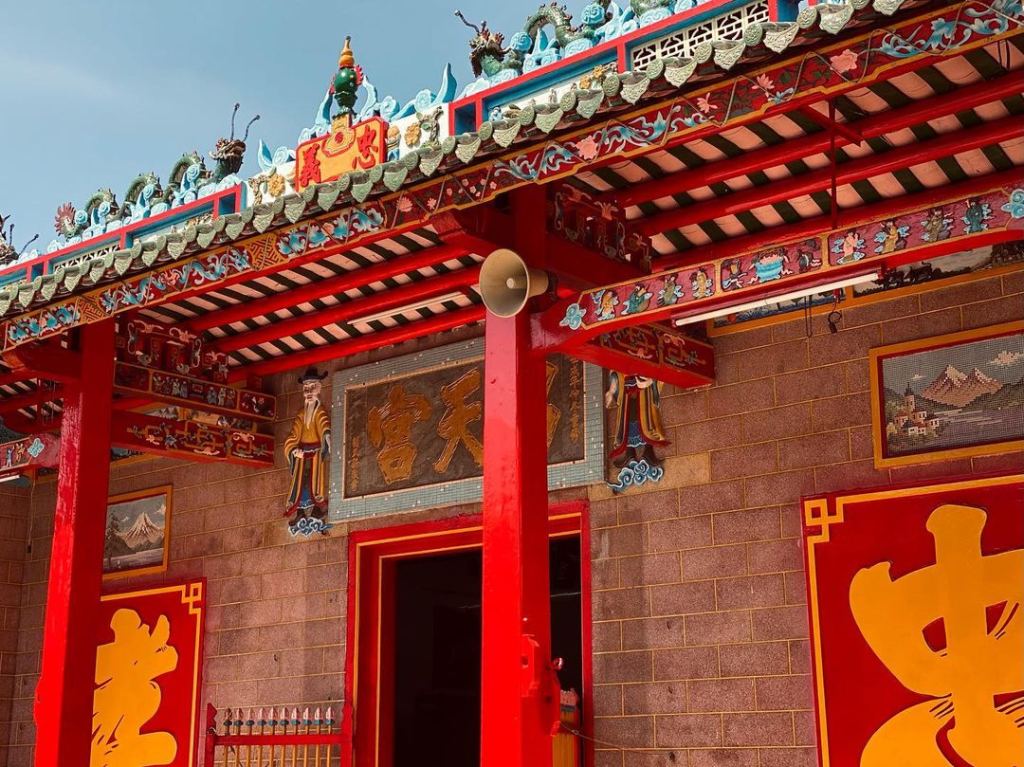
- Experience local culture: Temples play an important role in daily life and religious practices. Visiting them gives you a better understanding of local traditions and beliefs.
- Enjoy a peaceful atmosphere: Most pagodas are located in quiet surroundings, making them perfect places to relax and escape the crowds.
- Admire traditional architecture: Many temples feature beautiful Vietnamese architectural details, colorful decorations, and impressive Buddha statues.
- Learn about local history: Several pagodas have existed for generations and preserve stories, artifacts, and cultural values that have shaped the region.
- Discover scenic views: Some temples are built on hills or near the coastline, offering panoramic views and excellent photo opportunities.
- Add cultural depth to your trip: A visit to a Mui Ne pogoda helps create a more balanced travel experience by combining sightseeing with cultural exploration.
Top temples to visit in Mui Ne for a peaceful cultural experience
Exploring a Mui Ne Pagoda is one of the best ways to enjoy a calm and meaningful trip. Each temple has its own story and setting. Some are close to the sea, while others are on hills or mountains. Below are some of the most valuable places to visit if you want a peaceful cultural experience.
Linh Long Pagoda
Linh Long Pagoda is one of the oldest and most important Mui Ne Pagoda sites. It was first built in 1811 and has been restored many times over the years. This pagoda is located on a hill, so you can enjoy a wide view of the sea. The space feels quiet and open. Many travelers visit early in the morning to enjoy the peaceful atmosphere.
Inside, you will see traditional Vietnamese architecture. There are old wooden objects, statues, and detailed carvings that have been preserved for over 200 years. The pagoda also has a large reclining Buddha statue, which is one of its main highlights. This Mui Ne Pagoda is a great choice if you want both history and a calm place to relax.
Linh Son Truong Tho Pagoda
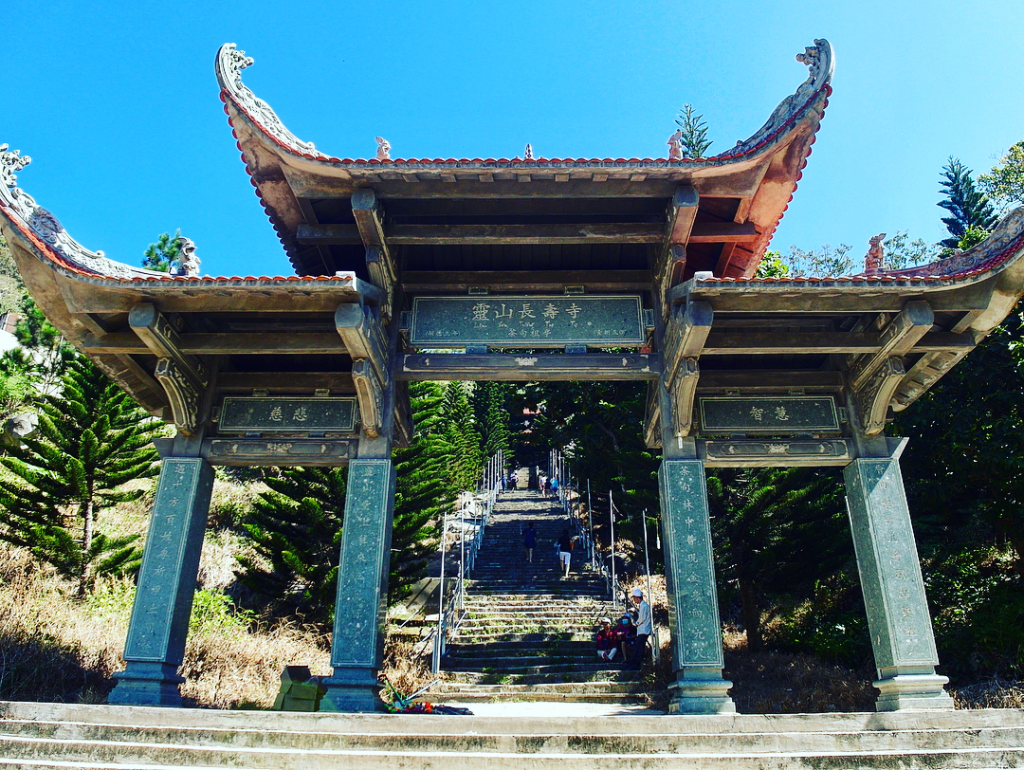
Linh Son Truong Tho Pagoda is a well-known Mui Ne Pagoda located on Ta Cu Mountain. It sits about 400 meters above sea level, so the view from the top is very impressive. To reach the pagoda, you can hike or take a cable car. The journey itself is part of the experience. Once you arrive, you will notice the fresh air and quiet surroundings.
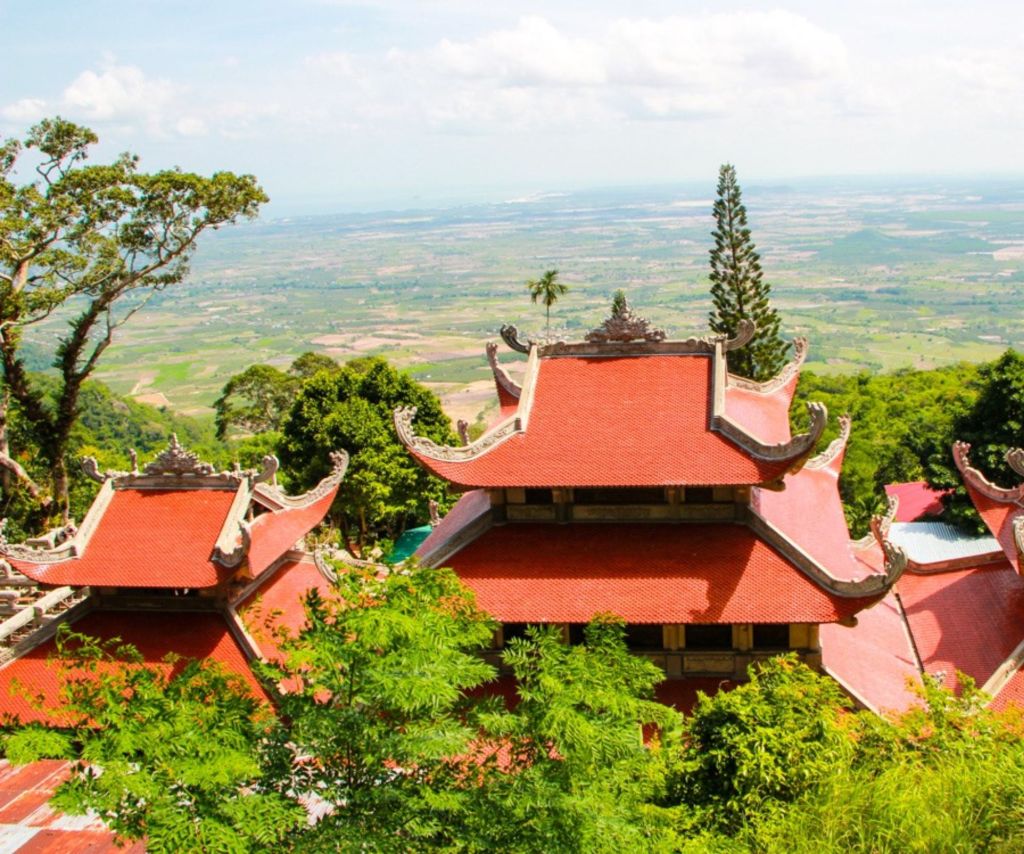
The area is covered with trees and natural landscapes. One of the main highlights is the large reclining Buddha statue, which is about 49 meters long. This makes it one of the most unique temple features in the region. This Mui Ne Pagoda is perfect for travelers who enjoy both nature and spiritual places.
Van Thuy Tu Temple
Van Thuy Tu Temple is not a typical Mui Ne Pagoda, but it is still an important cultural site. This temple is dedicated to whale worship, which is a special tradition of coastal communities. Inside, you can see large whale skeletons and many historical items. These objects show how local fishermen respect the sea and believe in spiritual protection.
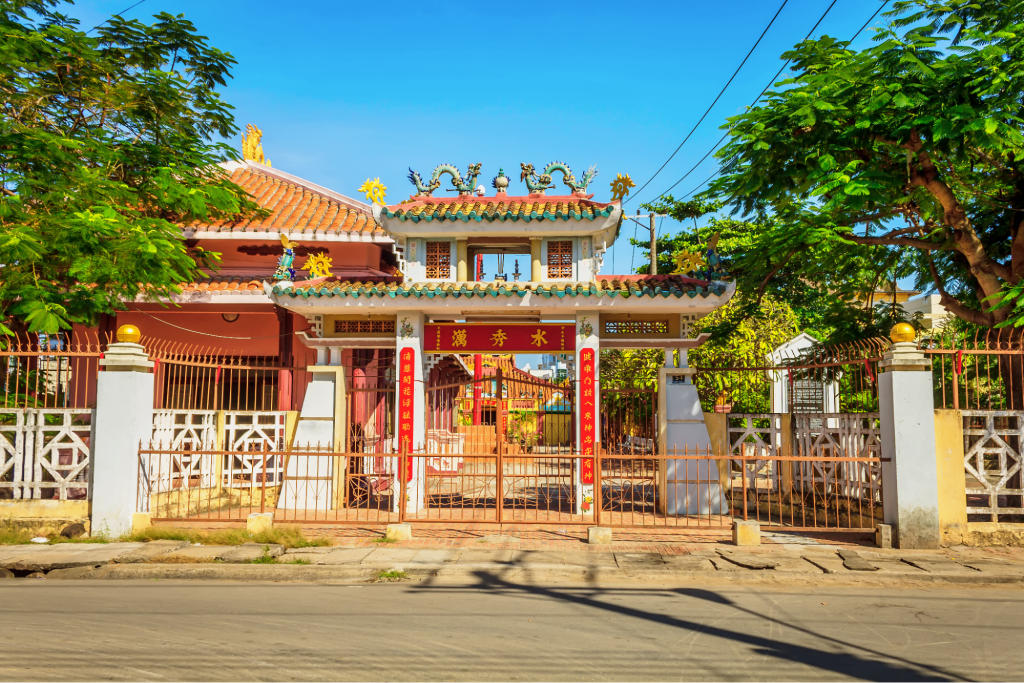
The temple is located closer to the city, so it is easy to visit. It offers a different experience compared to other pagodas. Instead of focusing only on Buddhism, it shows a mix of local beliefs. Adding this place to your Mui Ne Pagoda journey helps you understand the culture more clearly.
Ong Hoang Pagoda
Ong Hoang Pagoda is a small but scenic Mui Ne Pagoda. It is located on a hill that overlooks the coastline. The main reason to visit is the view. From here, you can see the sea, the sky, and the surrounding landscape. Many travelers come in the late afternoon to watch the sunset. The pagoda itself is simple, but the atmosphere is calm. It is a good place to sit quietly and take a break. If you enjoy photography, this spot is also very suitable.
Ba Nai Pagoda
Ba Nai Pagoda is a quieter Mui Ne Pagoda that is not crowded with tourists. This makes it a good choice if you prefer a more local experience. The pagoda reflects the daily spiritual life of nearby residents. You may see locals visiting to pray or take care of the temple. The design is simple, but the environment is peaceful. Visiting this pagoda feels more personal and relaxed. It is a good place to slow down during your trip.
Co Thach Pagoda
Co Thach Pagoda is one of the most unique Mui Ne pagoda sites. It is located on a rocky hill near the sea. The area around the pagoda is famous for its colorful stones. The beach nearby is often called the “seven-color stone beach.” This creates a very special landscape. The pagoda itself has detailed architecture and a strong spiritual atmosphere. The combination of nature and culture makes it a memorable place to visit. Although it is a bit farther from central Mui Ne, it is worth the trip if you have extra time.
What to wear when visiting temples in Mui Ne
When visiting a Mui Ne pagoda, dressing appropriately is a simple way to show respect for local customs and religious traditions. You do not need formal clothing, but it is important to choose outfits that are modest and comfortable.
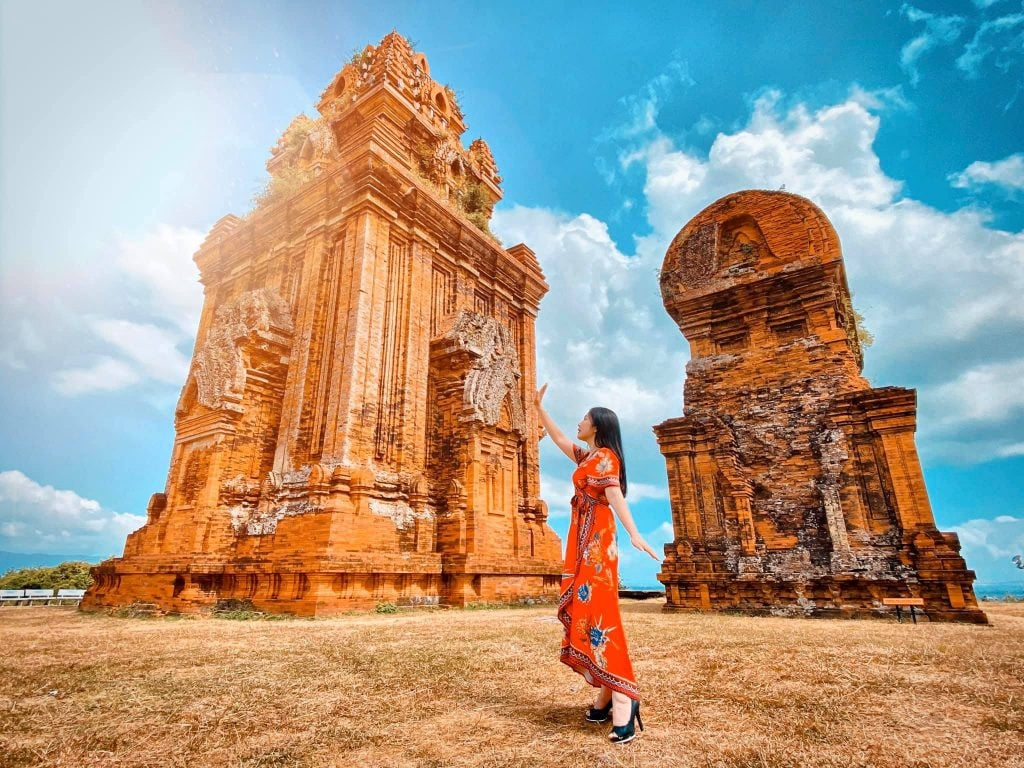
- Cover your shoulders and knees: Both men and women should avoid tank tops, crop tops, short skirts, and shorts when entering temple grounds.
- Choose lightweight clothing: Mui Ne’s weather can be warm throughout the year, so breathable fabrics such as cotton or linen can help you stay comfortable.
- Wear comfortable footwear: Many temples require visitors to remove their shoes before entering certain areas. Sandals or easy-to-remove shoes are often the most practical option.
- Bring a light scarf or cover-up: This can be useful if your outfit is sleeveless or does not fully meet the dress requirements of a temple.
- Keep your outfit simple: Neutral colors and modest styles are generally more suitable than flashy or overly revealing clothing.
Cultural etiquette when visiting temples in Mui Ne
A visit to a Mui Ne pagoda is a great opportunity to experience local culture and traditions. While temple etiquette in Vietnam is generally straightforward, following a few simple guidelines will help you show respect and feel more comfortable during your visit.
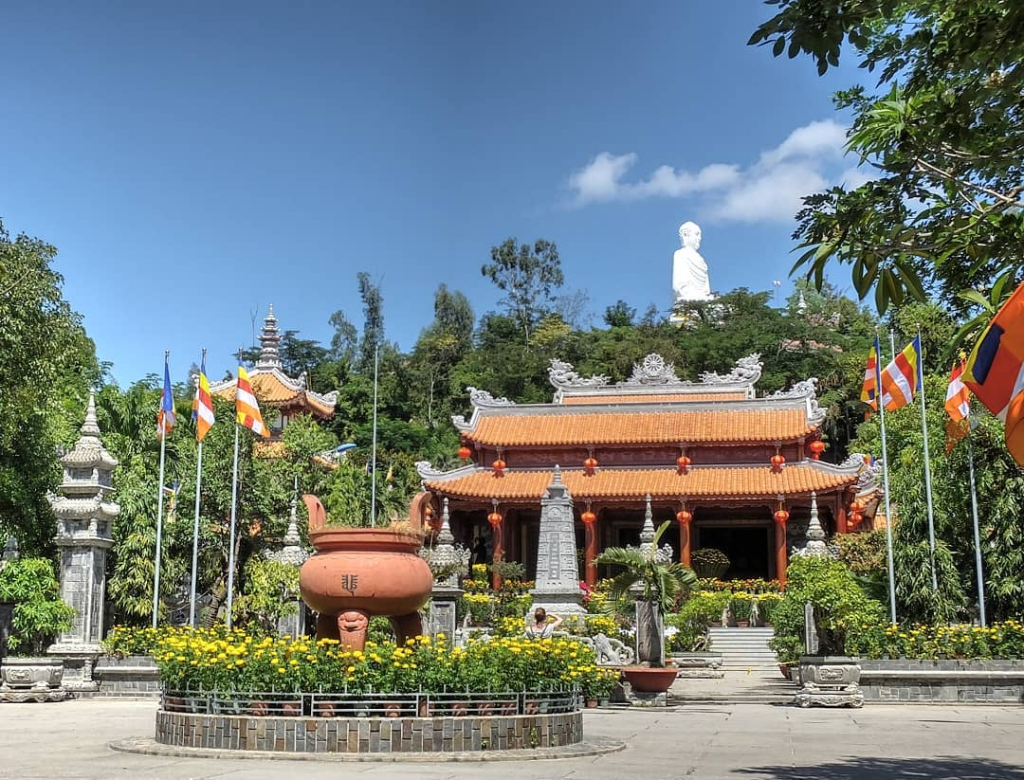
- Keep your voice low: Temples are peaceful places where people come to pray and reflect. Speaking quietly helps maintain the calm atmosphere.
- Remove shoes when required: Some temple buildings require visitors to take off their shoes before entering. Look for signs or follow the example of other visitors.
- Take off hats and sunglasses: Removing these items before entering sacred spaces is considered respectful.
- Avoid touching religious objects: Statues, altars, incense burners, and offerings should be admired from a distance rather than touched.
- Respect worshippers: If someone is praying, avoid walking directly in front of them or interrupting their moment of worship.
- Be mindful when taking photos: Photography is often allowed, but avoid using flash indoors and refrain from taking pictures of people during prayer.
- Observe local customs respectfully: You may see visitors lighting incense or bowing at altars. Feel free to observe, but participate only if you feel comfortable doing so.
- Show consideration to monks and elders: Give them space and allow them to move first whenever possible.
Let Lily’s Travel guide you through Vietnam’s cultural highlights with confidence. Known for their deep understanding of local traditions, they create tours that include peaceful stops at sites like a Mui Ne Pagoda. With over 15 years in the industry, their team focuses on helping travelers connect with spiritual spaces in a respectful and meaningful way. Each journey is carefully planned to balance exploration, learning, and relaxation.
Mui Ne Pagoda is a valuable part of any trip to Mui Ne. Each temple offers a mix of culture, history, and calm atmosphere. By visiting respectfully and taking your time, you can gain a deeper appreciation of the destination. These experiences help turn a simple trip into something more meaningful and well-rounded.