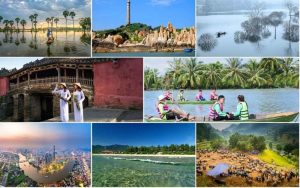



Run through the emerald waterways, lush palm groves, and vibrant communities of Southern Vietnam with the Mekong Delta Marathon. This premier sporting event combines a thrilling physical challenge with breathtaking natural scenery and warm regional hospitality, making it an unmissable experience for runners worldwide.
What is the Mekong Delta Marathon and why is it so popular?
The Mekong Delta Marathon (widely hosted across Southwestern regional hubs like Hau Giang and neighboring delta provinces) has rapidly grown into one of Vietnam’s most celebrated and anticipated sporting events. More than just a standard athletic competition, it functions as a massive cultural and environmental celebration designed to showcase the scenic beauty, resilience, and warm hospitality of Vietnam’s river country.

What truly sets this race apart and drives its immense popularity among thousands of domestic and international runners is its powerful core mission:
- A strong environmental and social mission: The event is deeply rooted in raising awareness for climate change, regional conservation, and environmental protection. It frequently champions green initiatives, such as organizing community tree-planting campaigns along the race routes and utilizing eco-friendly materials for participant gear and medals. Under its famous founding philosophy of “One runner, one tree planted”, participants feel that every stride contributes directly to preserving the delta’s fragile ecosystem.
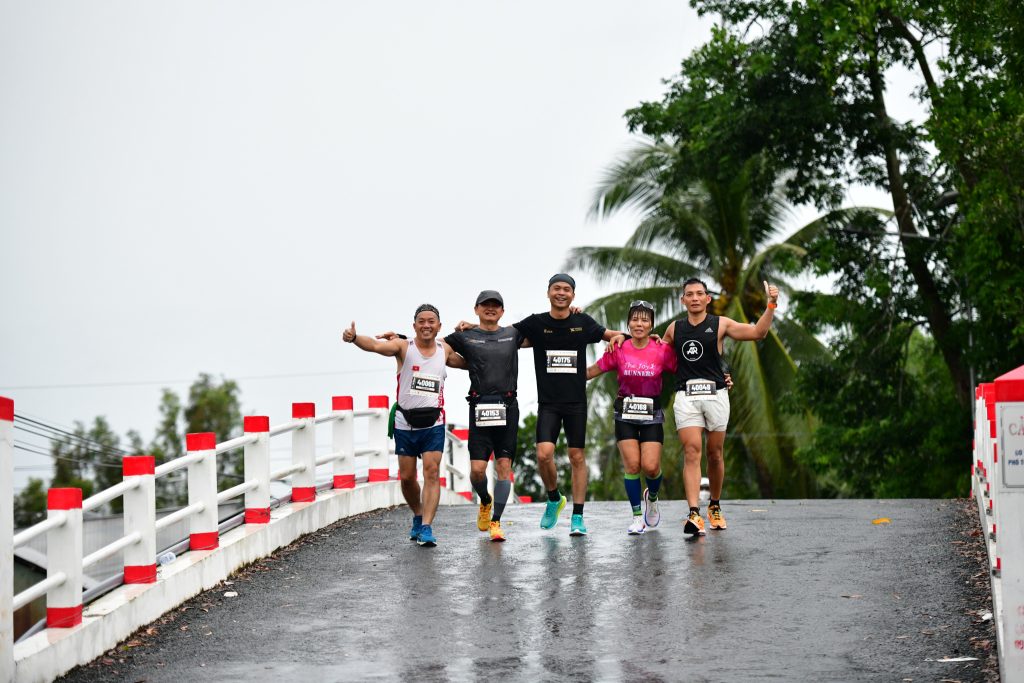
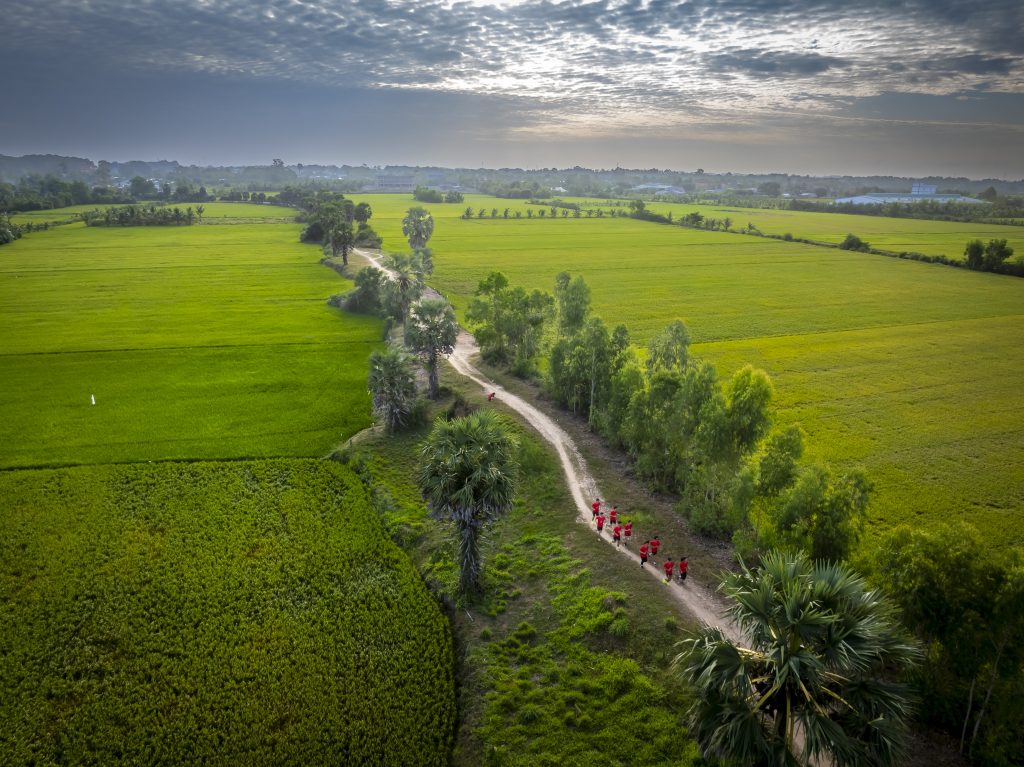
- An Immersive, scenic course design: Eschewing typical grey urban asphalt grids, the marathon takes runners through an authentic slice of delta life. Participants race past endless green fruit orchards, cross traditional arched bridges spanning quiet waterways and navigate peaceful village paths.
- Unmatched local hospitality: The atmosphere along the course is electric yet deeply personal. Cheering crowds of local school children, villagers, and community groups line the roadsides, offering high-fives, local fruits, and enthusiastic encouragement from start to finish.
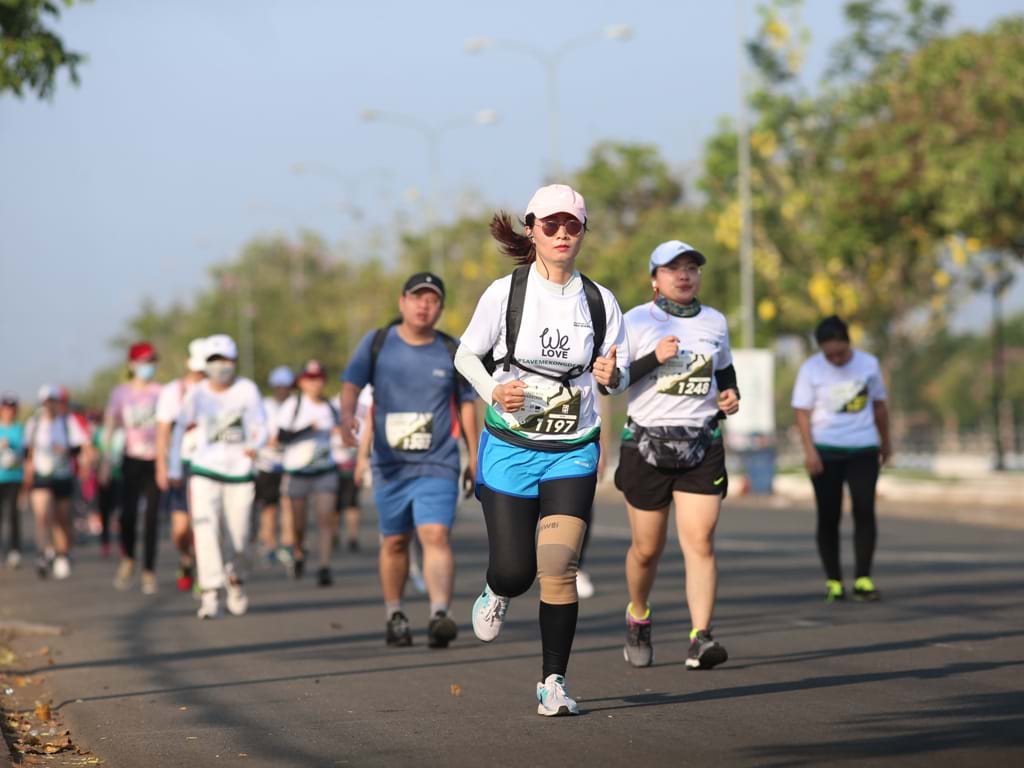
By successfully merging a premier athletic challenge with a profound commitment to nature and cultural tourism, the Mekong Delta Marathon has earned its reputation as a bucket list destination race.
Race categories, registration and event information
Whether you are an elite endurance athlete chasing a podium finish, a weekend jogger, or looking for a fun family activity, the Mekong Delta Marathon offers a diverse spectrum of race categories designed to suit all fitness levels and ages.

Available race distances
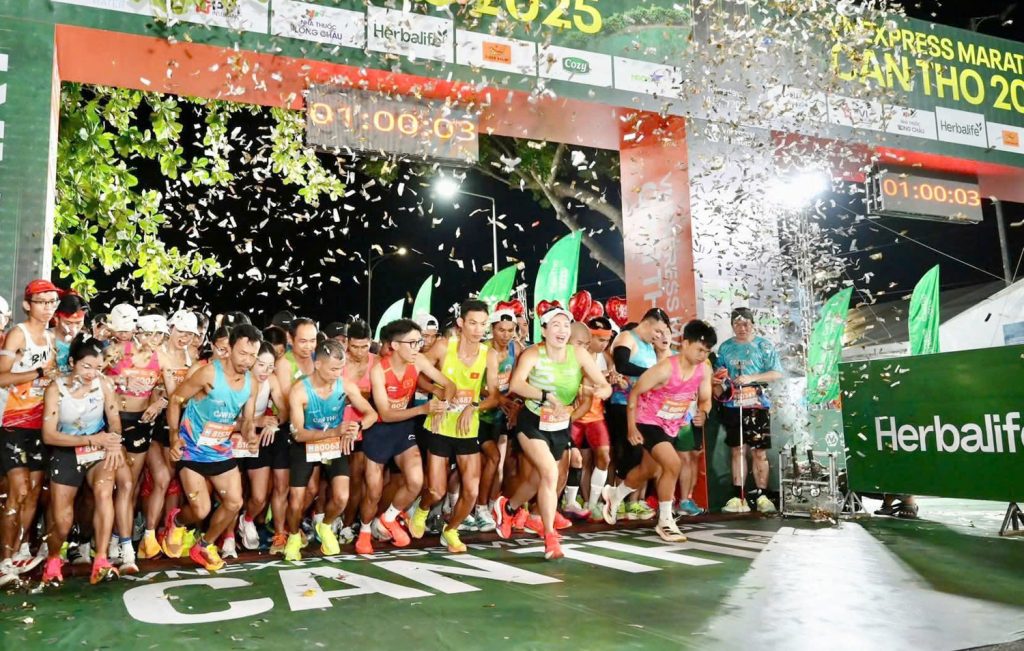
- Full Marathon (42.195 km): The ultimate endurance test for seasoned runners. This category typically features a pre-dawn flag off (often between 3:00 AM and 4:00 AM) to help participants beat the peak tropical heat and catch a breathtaking sunrise over the delta canals.
- Half Marathon (21.1 km): A favorite among intermediate runners, offering a challenging yet rewarding distance that lets you absorb the changing morning landscape across rural roads and bridges.
- 10 km & 5 km Distances: Ideal for casual runners, teenagers and fitness enthusiasts who want to soak in the vibrant race day atmosphere without committing to long-distance exhaustion.
- Kids Run / Fun Run (1-2 km): A short, joyful dash designed specifically for children and families, promoting active lifestyles and community spirit.

Registration process and perks
Registration is conducted online through the event’s official website or authorized ticketing partners several months prior to race day. Organizers typically use a tiered pricing structure, meaning early planners benefit from discounted Early Bird rates.
Your registration fee generally includes:
- An official moisture wicking race singlet or t-shirt.
- A timing chip race bib (for competitive timed categories).
- A unique eco friendly finisher medal (awarded upon completing your distance within the cutoff time).
- Access to fully stocked hydration and aid stations featuring water, electrolytes, and fresh local tropical fruits.
- Post-race recovery food and professional medical support.
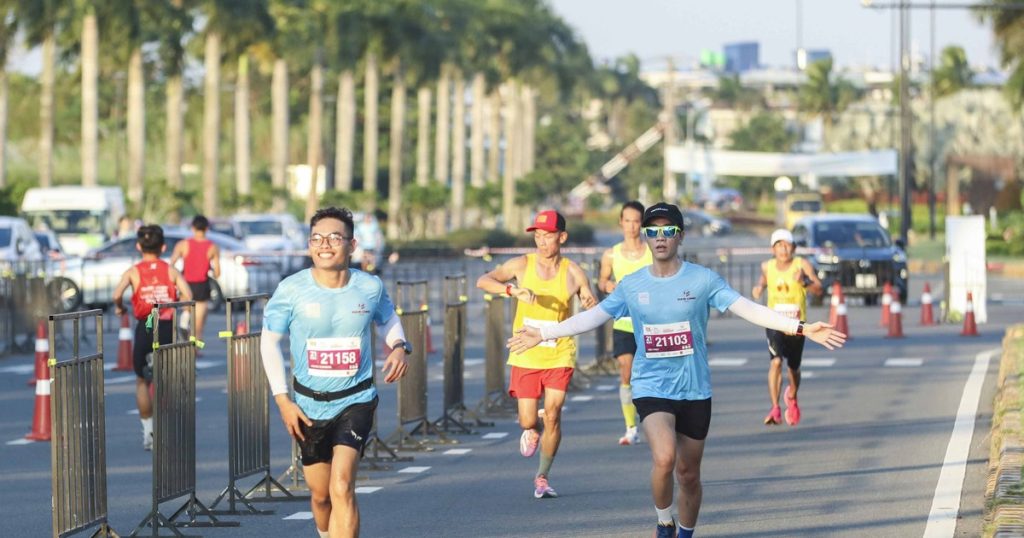
Be sure to monitor official announcements regarding the Race Expo and packet pickup schedule, which usually takes place one to two days before race morning at the designated event hub so you can collect your race kit smoothly.
Available Race Distances, Annual Schedule & Age Requirements
Whether you are an elite endurance athlete chasing a personal best, a casual weekend jogger, or a family looking to share an active morning together, the Mekong Delta Marathon offers a diverse spectrum of race categories tailored to every age, fitness level, and running goal.
- Full marathon (42.195 km): The ultimate endurance test for seasoned runners (must be 18+ years old). This category typically features a pre-dawn flag-off (often between 3:00 AM and 4:00 AM) to help participants beat the peak tropical heat and catch a breathtaking sunrise over the delta canals.
- Half marathon (21.1 km): A favorite among intermediate runners (must be 16+ years old), offering a challenging yet rewarding distance that lets you absorb the changing morning landscape across rural roads and bridges.
- 10 km & 5 km distances: Ideal for casual runners, teenagers (10+ years for 10km, 6+ years for 5km), and fitness enthusiasts who want to soak in the vibrant race-day atmosphere without committing to long-distance exhaustion.
- Kids run / Fun run (1-2 km): A short, joyful dash designed specifically for children and families, promoting active lifestyles and community spirit.
Annual Schedule: The Mekong Delta Marathon is held annually in July (typically taking place during the first week of the month, such as the event scheduled for July 5, 2026). Race kit pickup and the official Race Expo usually open one to two days prior, giving participants ample time to check in and settle down.
What to expect from the course and running conditions
Tackling the Mekong Delta Marathon offers an exceptional departure from standard city pavement, presenting a vibrant and dynamic environment unique to Vietnam’s river regions.
Course scenery and terrain:
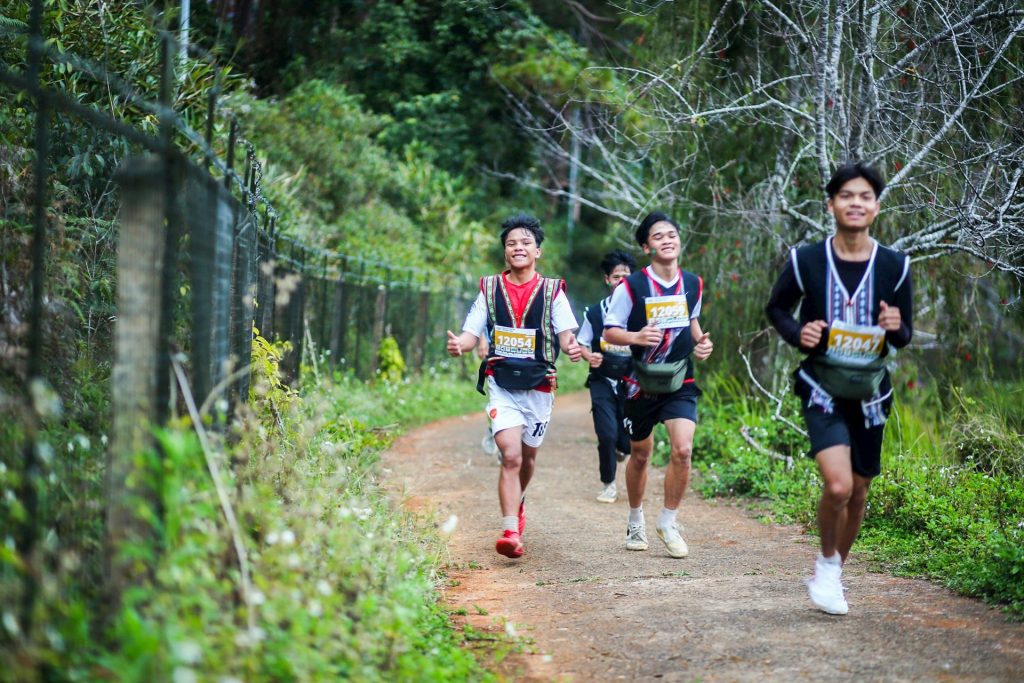
- Diverse off road and rural elements: Moving beyond typical urban loops, the course immerses runners in authentic delta landscapes. You will navigate a changing mix of rural village paths, peaceful fruit orchards, and traditional earthen paths along rice field ridges and canal banks.
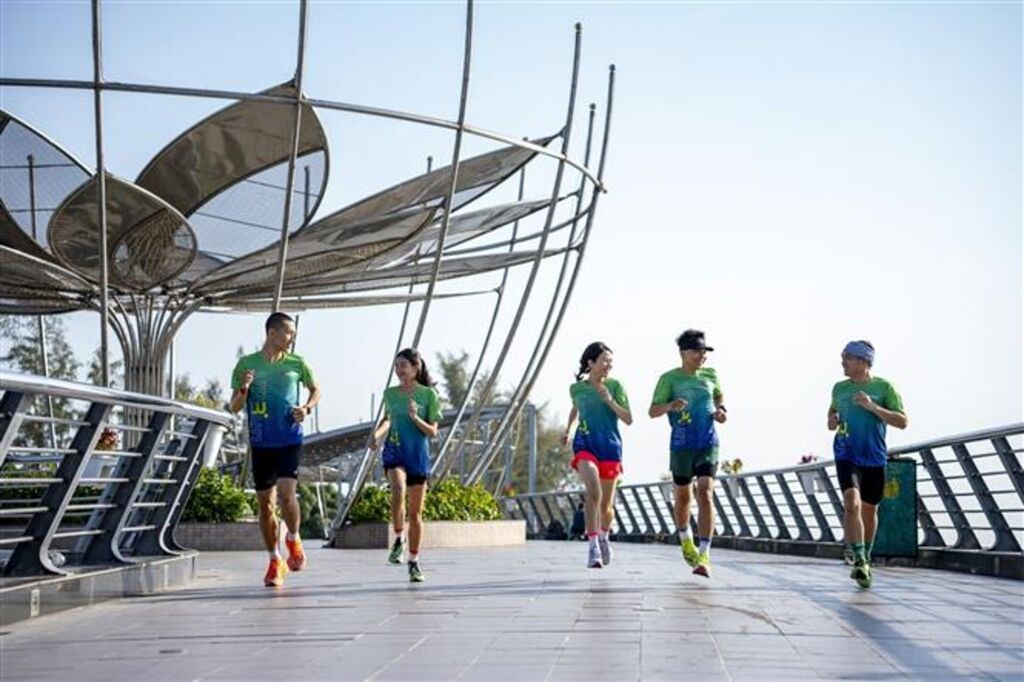
- Bridges and architectural landmarks: The route frequently features crossings over local concrete and steel arch bridges spanning river canals, alongside scenic stretches passing historic local architecture and ancient pagodas reflecting the region’s diverse cultural heritage.
- Agility requirements: Because parts of the course incorporate natural footpaths and narrow rural trails, maintaining a balanced stride and keeping an eye on your footing is essential, particularly when passing other runners.
Weather and running conditions:
- Tropical heat and high humidity: Ambient temperatures rise quickly after sunrise. Even with pre dawn or early morning flag offs designed to beat the peak warmth, high humidity levels mean you will experience heavy perspiration throughout your run.
- Sun Exposure: While certain stretches wind under the shaded canopy of fruit trees, open sections along dikes and bridges expose runners to direct sunlight. Wearing a breathable cap, sunglasses, and applying sweat-resistant sunscreen is crucial.
- Strategic Hydration: Do not wait until you feel thirsty to take in fluids. Take full advantage of the organized aid stations along the route, supplementing water with electrolyte drinks or salt tablets to maintain stable energy levels and prevent cramping.
Planning your trip around the Mekong Delta Marathon
Treating the Mekong Delta Marathon purely as a fly in, race, and fly out weekend means missing out on the genuine magic of Vietnam’s river country. Transforming your race weekend into a well balanced trip allows you to combine peak athletic performance with a memorable cultural getaway.
Recommended race weekend timeline
- 2 days before race day (Arrival & shakeout): Arrive at your host province, check into your accommodation, and head straight to the Race Expo to pick up your race kit. Keep your schedule light, stroll around the local area, sample some fresh coconut water, and complete a brief, 15 minute shakeout jog to let your legs adjust to the local climate.
- 1 day before race day (Rest & carb loading): Rest is your top priority. Keep physical movement to a minimum, avoid strenuous walking tours, and focus on carb loading with nourishing local meals. Hydrate consistently with water and electrolytes throughout the day, and get to bed early to ensure deep, restorative sleep before your pre-dawn alarm.
- Race day (conquer & celebrate): Wake up early, run your race with a steady and controlled pace, and celebrate crossing the finish line. Take plenty of photos with your finisher medal and enjoy the vibrant post race atmosphere.
- 1-2 days after race day (Active recovery & exploration): Resist the urge to pack your bags and rush back to the city immediately. Use your post race recovery days to loosen stiff muscles, gently take a leisurely bicycle ride beneath the shaded fruit orchards, glide down palm lined canals on a wooden sampan, or treat yourself to a soothing local massage.
By designing your itinerary with built in rest and exploration, you turn a demanding physical challenge into a deeply rewarding and balanced vacation.
Accommodation, transportation and logistics for participants
Managing your travel logistics smoothly is the secret to a stress free race morning. Because regional destination marathons draw thousands of athletes and supporters, planning your accommodation and transit arrangements well in advance is essential.
Where to stay
- Proximity to the start line: Book a hotel, resort, or local homestay located as close as possible to the race village or designated starting area (such as the central park or main urban square hosting the event). On pre-dawn race mornings, every minute of extra sleep counts, and staying within walking distance minimizes the stress of early morning transit.
- Accommodation types: Host cities and surrounding delta hubs offer a wide spectrum of choices, ranging from comfortable modern business hotels to charming, eco-friendly homestays nestled right among the fruit orchards.
Getting there and getting around
- Traveling from Ho Chi Minh city: Most domestic and international travelers fly into Tan Son Nhat International Airport (SGN) in Ho Chi Minh City. From there, you can easily reach the Mekong Delta host city by booking a private car transfer, a comfortable limousine passenger bus, or official event coordinated shuttle services (typically a 2 to 3 hour drive).
- Local navigation: Taxis, ride hailing apps, and local motorbike taxis (xe om) are widely available for getting to the Race Expo and local dining spots. On race morning, because major roads near the course will experience temporary closures, walking from a nearby hotel or utilizing a bicycle is often the most reliable way to reach the starting corral.
Race morning logistics
- Bag drop and gear management: While official secure bag-drop services are provided at the race site for runners, staying close enough to walk from your accommodation allows you to leave your pre- and postrace belongings safely locked in your room.
- Arrive early: Aim to arrive at the start line at least 30 to 45 minutes before your official flag-off time. This gives you ample time to clear security, use the restroom facilities, drop off any necessary gear, and complete your dynamic warm-up before heading into the starting blocks.
How the Mekong Delta Marathon compares with other running events in Vietnam
Vietnam’s running calendar is packed with a diverse array of events, ranging from massive urban city marathons to grueling mountain trail races. To understand what makes the Mekong Delta Marathon uniquely special, it helps to see how it stacks up against other prominent running categories across the country:
| Race Type / Feature | Mekong Delta Marathon (Cross Country / Regional) | Major City Marathons (e.g., Hanoi / HCMC Techcombank) | Mountain Trail Races (e.g., VMM Sapa / Dalat) |
| Terrain & Course Design | Flat asphalt roads mixed with rural dirt paths, rice field embankments and local canal bridges. | Wide urban asphalt boulevards, smooth city streets and major metropolitan bridges. | Steep mountain passes, technical single track dirt trails, and rocky highlands. |
| Environment & Scenery | Lush fruit orchards, green rice paddies, serene river canals, and peaceful village communities. | Bustling city skylines, historical landmarks, modern architecture, and dense urban traffic. | Remote alpine forests, mist shrouded valleys, cascading waterfalls, and ethnic minority villages. |
| Primary Physical Challenge | Coping with intense tropical heat, high humidity, and rolling bridge inclines. | Navigating urban heat island effects, concrete hardness, and large crowds at the start. | Extreme elevation gains, steep descents, changing weather, and prolonged self-reliance. |
| Cultural Vibe & Atmosphere | Warm, highly intimate, and community-driven, with local villagers and school children cheering loudly along rural roads. | High energy, modern, professional and surrounded by massive cheering spectator crowds. | Adventurous, rugged, and tight-knit, fostering a deep camaraderie among trail runners. |
The unique edge of the Mekong Delta Event
While major city marathons appeal to runners chasing sleek urban backdrops and personal records on flat, predictable asphalt, and mountain trails draw adrenaline seekers looking for extreme elevation, the Mekong Delta Marathon occupies a completely different niche.
By blending an authentic cross country format, where you navigate rural terrain, earthen paths, and river bridges with a powerful green message (“One runner, one tree planted”), it delivers a soulful cultural experience. It trades city noise and concrete for the tranquil rhythm of river life, offering an immersive connection to nature that few other races in Vietnam can match.
Tips for first time runners and international visitors
Tackling a destination race in the tropical waterways of Vietnam is an extraordinary adventure, but it requires some specific preparation to ensure a smooth and enjoyable experience. Keep these practical tips in mind before heading to the starting line:
- Acclimatize early: If you are traveling from a cooler climate or a northern region, give yourself at least 48 hours in the delta before race day. This allows your body to adjust to the high ambient temperatures and thick tropical humidity.
- Prepare for off road and bridge terrain: With the event’s cross-country format featuring rural paths, rice field borders, and rolling canal bridges, watch your footing. Practice on uneven surfaces ahead of time, and pace yourself carefully on bridge inclines to avoid spiking your heart rate too early.
- Embrace local fueling: While standard gels and sports drinks are helpful, do not hesitate to accept local refreshments offered along the route. Fresh local bananas, refreshing fruit slices, and icy coconut water work wonders for natural electrolyte replacement.
- Keep cash handy: Smaller local eateries, rural homestays, and transport providers in regional towns often prefer cash (Vietnamese Dong) over digital or card payments.
- Download translation apps: While race organizers, hotel staff, and volunteers are welcoming and often speak English, having an offline translation app on your phone will make navigating small town markets and local transport effortless.
Common mistakes participants should avoid
Even experienced runners can stumble if they underestimate the unique conditions of a destination race in Southern Vietnam. Avoid these common pitfalls to protect your performance and ensure a great race day:
- Starting too fast: Fueled by pre race adrenaline and the excitement of the crowd, it is dangerously easy to run the first few kilometers significantly faster than your target pace. Given the tropical heat and humidity, starting too fast will rapidly deplete your energy reserves, leading to severe burnout or hitting the wall long before the finish line.
- Ignoring the impact of tropical humidity: Many runners train based strictly on target distances, forgetting that high humidity dramatically increases sweat rates and dehydration risks. Skipping your electrolyte strategy or waiting until you feel thirsty to drink is a recipe for early cramping.
- Wearing brand new Gear on race day: Never test out brand-new running shoes, socks, singlets, or race belts on race morning. The combination of moisture, friction, and long distances over several hours is a guaranteed formula for severe blisters and painful chafing. Always break in your gear weeks prior.
- Neglecting bridge pacing: The rolling concrete and steel arch bridges along the delta course require short bursts of extra effort. Charging up these inclines too aggressively will quickly spike your heart rate and strain your calves early in the race. Maintain a steady, controlled rhythm instead.
- Trying untested nutrition: Do not experiment with new energy gels, sports drinks, or pre-race breakfasts handed out at the expo on a whim. Stick strictly to the fueling and hydration products you tested and perfected during your long training runs.
Frequently asked questions about the Mekong Delta Marathon
Planning a destination race in Southern Vietnam naturally brings up a few practical questions. To help you prepare for your journey and ensure everything runs smoothly from start to finish, here are the answers to the most frequently asked questions about the Mekong Delta Marathon:
Do I need to be an elite athlete to participate?
Not at all! The event welcomes runners and fitness enthusiasts of all abilities. Alongside the full and half marathons, the event offers shorter distances like 10 km, 5 km, and family friendly fun runs, making it fully accessible to casual joggers, walkers, teenagers, and children.
What are the main race distances available?
The event typically features four core competitive categories:
- Full Marathon (42.195 km)
- Half Marathon (21.1 km)
- 10 km
5 km
(Note: Shorter kids’ dash or fun run categories are also regularly organized depending on the annual host location).
How do I register, and what does the fee include?
Registration is completed online through the event’s official ticketing partners or website months in advance. Your registration fee generally includes your official race singlet, a timing-chip bib, a finisher medal upon completion, access to heavily stocked hydration stations, and post-race medical or nutritional support.
What is the terrain like on race day?
Reflecting its authentic regional character, the course moves beyond standard urban concrete to feature a unique cross country style layout. Expect a mix of paved village roads, rural dirt paths, fruit orchard trails, and rolling arches across local river bridges.
How should I handle travel and accommodation logistics?
Because regional marathons draw thousands of visitors, it is best to book your hotel or eco homestay close to the race venue well ahead of time. Most participants fly into Ho Chi Minh City and take a private car, limousine bus, or official shuttle service directly to the host province (typically a 1.5 to 3 hour drive).
When is the Mekong Delta Marathon held?
The Mekong Delta Marathon is typically held annually in July (with past editions taking place across early to mid July). Because race dates and schedules can shift slightly each year, it is always best to check the official event registration portal or announcements a few months in advance to confirm exact dates for race weekend, bib collection, and community activities.
Where does the Mekong Delta Marathon take place?
The event is hosted in the heart of Vietnam’s southwestern river region, centered around Can Tho City (and historically linked closely with neighboring regional hubs like Hau Giang). The race courses are uniquely designed to showcase the authentic local landscape, taking runners off standard asphalt and directly through rural paths, green rice fields, local fruit orchards, traditional village lanes, and across scenic canals.
How difficult is the Mekong Delta Marathon?
The difficulty level ranges from moderate to challenging, heavily depending on the category you choose (5km, 10km, 21km, or 42km) and the specific course format:
- Terrain & environment: Featuring an immersive cross-country style layout, sections of the route take runners across dirt paths, rural field dikes, and rustic bridges, which require careful footing compared to a flat city road marathon.
- Weather conditions: July falls during the tropical wet season in Southern Vietnam. High humidity, morning heat, and potential sudden downpours add an extra layer of physical challenge, making early hydration and pacing critical.
Can international runners participate?
Yes, absolutely. The Mekong Delta Marathon attracts thousands of participants from all over the world, serving as both a competitive sporting event and a cultural exchange. International runners of all levels, from professional athletes to casual hobbyists, are warmly welcomed to register online through official platforms.
How do I get from Ho Chi Minh City to the Mekong Delta Marathon?
Traveling from Ho Chi Minh City to the race location (typically Can Tho City) takes about 3 to 4 hours by road:
- Limousine vans or coach buses: Daily sleeper and limousine buses run frequently from Ho Chi Minh City’s Western Bus Station (Bến xe Miền Tây) directly to Can Tho.
- Private car or rental: Booking a private transfer or renting a car offers the ultimate convenience, allowing you to travel directly on your own schedule with your running gear and luggage securely stored.
What should I pack for the Mekong Delta Marathon?
Packing smartly for a tropical river race ensures you stay comfortable and injury-free:
- Race gear: Lightweight, highly breathable, and moisture wicking running apparel, paired with broken in running shoes suited for varied or mixed terrain.
- Sun and weather protection: High performance waterproof sunscreen, a running cap or visor, and sunglasses. Bringing a lightweight rain poncho or quick-dry change of clothes for post race is also wise given July’s unpredictable tropical showers.
- Hydration & recovery: Electrolyte gels, salt tablets, and hydration flasks if you prefer carrying your own nutrition between aid stations.
- Travel essentials: Your registration confirmation/QR code, ID or passport for bib pickup, casual change of clothes, and basic blister care or personal medical supplies
The Mekong Delta Marathon is far more than just a race, it is an unforgettable celebration of endurance, environmental stewardship, and the vibrant cultural heritage of Southern Vietnam. Whether you are conquering the full 42 kilometers, pushing your limits in the half marathon, or enjoying a brisk 5K surrounded by emerald fruit orchards and cheering villagers, crossing that finish line is an achievement you will cherish forever.
To transform your race-day milestone into a seamless, stress free vacation where you can fully relax and explore the winding canals, local craft villages, and stunning landscapes of the delta without worrying about logistics, let trusted operators like Lily’s Travel curate your post-race getaway. Book your complete Mekong Delta adventure today and get ready to celebrate your athletic success in the heart of Vietnam’s river country!