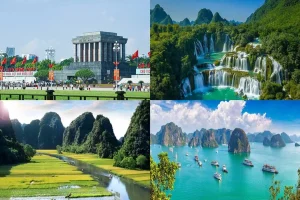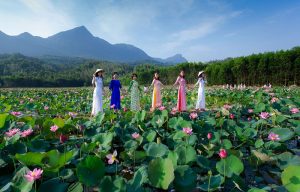


A Vietnam cultural tour package can be a good way to see a different side of the country. Instead of moving from one famous attraction to another, you spend more time understanding the stories behind historic places, tasting local dishes, visiting traditional communities, and seeing how customs remain part of everyday life. This guide explores what makes a cultural tour worthwhile, the heritage sites and local experiences to look for, and how to choose an itinerary that matches your time and interests.
What Makes a Tour “Cultural” at Lily’s
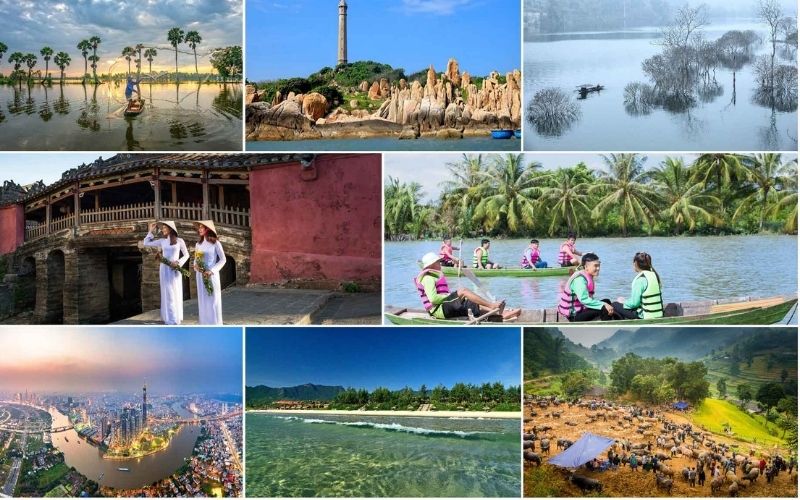
A tour is genuinely cultural when the itinerary puts heritage, local people, and everyday traditions at the center of the experience, rather than using cultural sites as quick photo stops. At Lily’s, the cultural element appears through guided storytelling, visits to local communities, traditional activities and food experiences included across different itineraries.
Local Guides & Storytelling
A good cultural tour needs someone who can explain the story behind what you are seeing. English-speaking guides are included across Lily’s cultural itineraries, with the role going beyond simply leading visitors from one attraction to another. The tour information highlights guides who provide historical and cultural explanations throughout the journey.
That matters because many Vietnamese landmarks do not explain themselves. A temple may look beautiful, but the reason it was built, the people who worship there, and the traditions surrounding it are what make the visit meaningful.
The same applies to ethnic communities in the northern mountains. In Sapa, for example, visiting H’Mong and Dao communities becomes more than a landscape stop when you learn about their daily life, traditional practices, and relationship with the surrounding rice terraces.
Hands-On, Not Just Sightseeing
The most memorable cultural experiences are often the ones where you actually do something. Cycling through a rural village, taking a bamboo boat, learning to make spring rolls or joining a food tour can tell you more about everyday Vietnamese life than another hour inside a museum.
Some examples found across the itineraries include:
- Hanoi street food: Trying dishes such as pho, bun cha, banh cuon, and egg coffee while learning about their place in Hanoi’s food culture.
- Halong Bay: Joining a cooking demonstration and learning how to make Vietnamese spring rolls on board.
- Ninh Binh: Cycling through villages and seeing rural life rather than only viewing the landscape from a bus.
- Sapa: Visiting H’Mong and Dao communities and observing traditional village life.
- Hoi An: Exploring traditional architecture, ancestral worship practices, and local craft traditions.
The point is not to fill every day with activities. It is to make sure the cultural parts of the trip feel connected to the places you are visiting.
Key Heritage Sites Covered
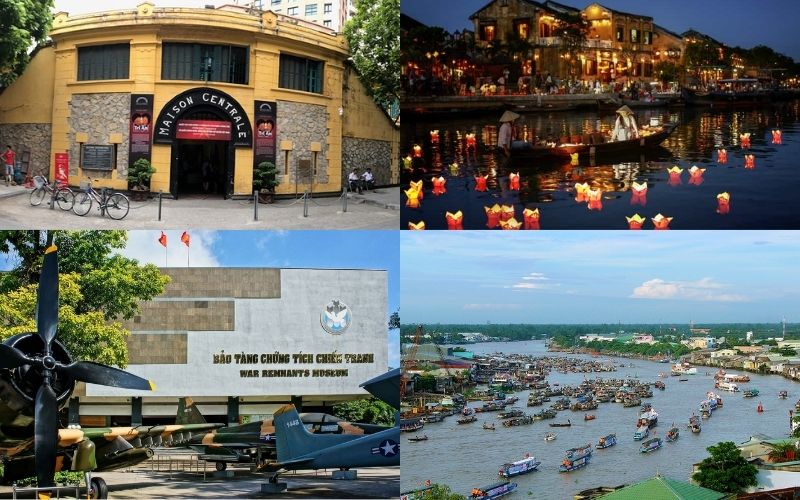
Vietnam’s cultural heritage is spread across temples, imperial architecture, ancient trading towns, and former capitals. A cultural itinerary becomes much more meaningful when these places are viewed in context rather than treated as a checklist of attractions.
Hue Imperial City
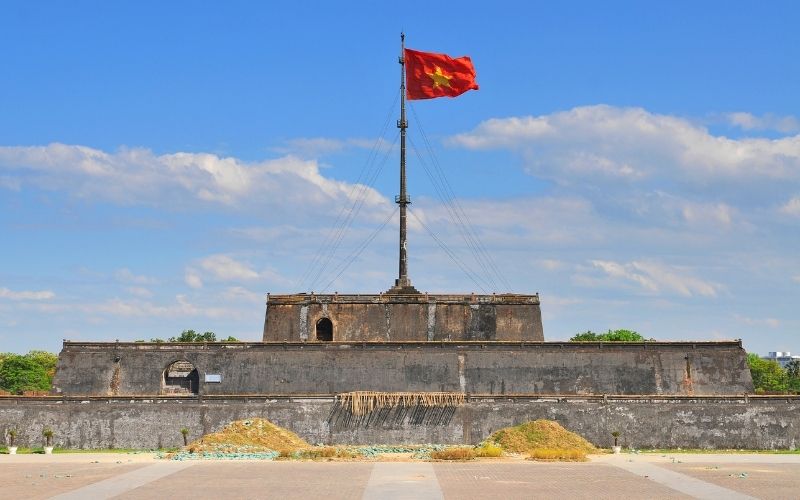
Hue Imperial City represents the political and cultural legacy of Vietnam’s Nguyen dynasty, which ruled from 1802 to 1945. The Nguyen dynasty had 13 emperors, from Gia Long to Bao Dai, and Hue served as the imperial capital throughout this period.
A visit can include several landmarks within and around the former imperial capital:
- Ngo Mon Gate, the principal entrance to the Imperial City.
- Thai Hoa Palace, one of the key buildings within the imperial complex.
- Nine Dynastic Urns, or Cuu Dinh, associated with the Nguyen emperors.
- Khai Dinh Tomb, known for its elaborate architectural style.
- Minh Mang Tomb, set within a more spacious and natural landscape.
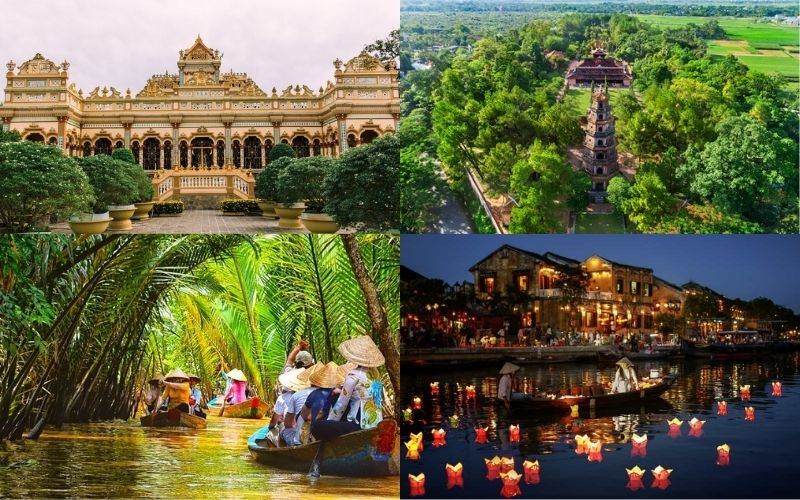
- Thien Mu Pagoda, one of Hue’s best-known religious landmarks.
The Complex of Hue Monuments is a UNESCO World Heritage Site. What makes Hue especially valuable on a cultural tour is the concentration of history in one destination: imperial politics, architecture, royal ceremonies, religious traditions, and tombs are all part of the same story.
Hoi An Ancient Town
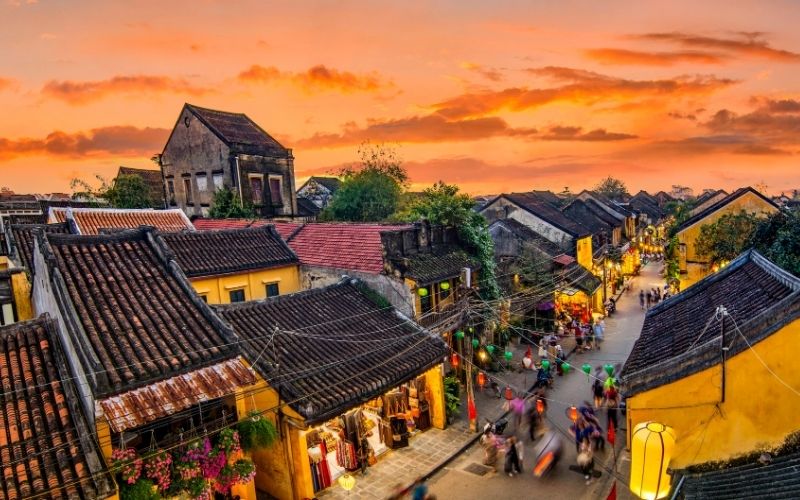
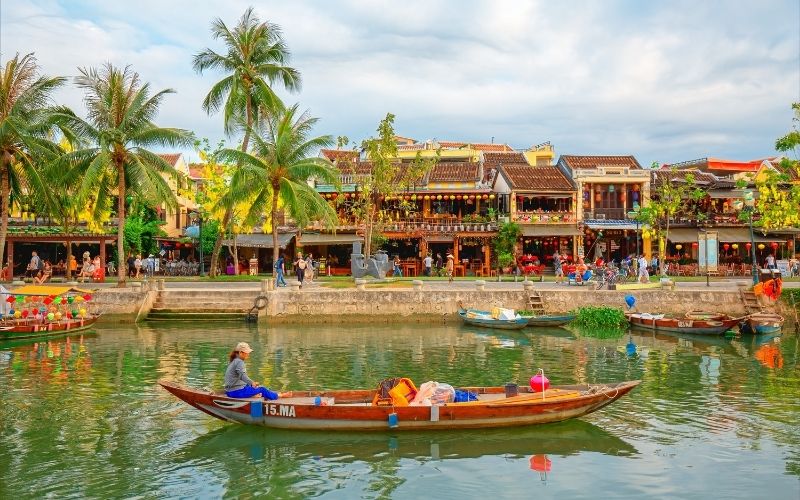
Hoi An Ancient Town preserves the character of a historic trading port where different cultural influences came together. Its architecture and religious sites reflect the interaction between Vietnamese, Japanese, Chinese, and other communities that lived and traded here.
Some of the places commonly included in cultural itineraries are:
- Japanese Covered Bridge, a historic symbol of Hoi An that connects areas historically associated with Japanese and Chinese communities.
- Fujian Assembly Hall, where visitors can learn about the traditions and religious practices of the Fujian Chinese community.
- Phung Hung Ancient House and Tan Ky Ancient House, both offering a look at historic domestic architecture.
- Hoi An Market, where local food and everyday commerce provide a more ordinary side of the old town.
- Museum of Folk Culture, which focuses on traditional cultural life.
- Lantern floating on the river, an experience that lets visitors participate rather than simply observe.
One of the interesting things about Hoi An is that the cultural experience does not stop at the architecture. Walking through the streets, visiting an old house, seeing an assembly hall, and observing local practices can reveal how different communities shaped the town over time.
Pagodas & Temples Across the North
Northern Vietnam offers a different side of the country’s heritage, with ancient religious sites, educational institutions, and former capitals.
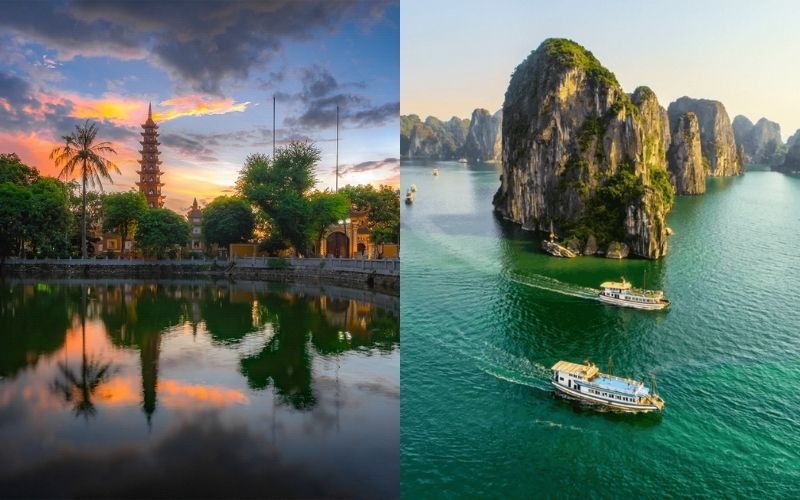
- Tran Quoc Pagoda is one of Hanoi’s oldest Buddhist temples, with origins traditionally traced back to the 6th century. Its position beside West Lake also makes the setting part of the experience.
- One Pillar Pagoda is one of Hanoi’s most recognizable religious landmarks. Its distinctive structure and connection to Vietnamese Buddhist tradition make it a frequent stop on cultural itineraries.
- The Temple of Literature was established in 1070 under Emperor Ly Thanh Tong and is closely associated with Vietnam’s Confucian educational tradition. It is often described as Vietnam’s first national university.
Further south of Hanoi, Hoa Lu was the ancient capital from 968 to 1010, associated with the Dinh, Le and early Ly dynasties. Visiting Hoa Lu alongside Ninh Binh’s countryside gives travelers a useful contrast between Vietnam’s political history and its rural landscape.
Local Traditions & Experiences Included
A cultural trip becomes more interesting when it moves beyond famous monuments. Village life, traditional crafts, food, and everyday rituals show how Vietnamese culture is still experienced outside major heritage sites.
Ethnic Villages & Craft Traditions
Sapa is a good place to see how different life can be in Vietnam’s northern mountains. Around Cat Cat, Lao Chai and Ta Van, travelers can meet H’Mong and Dao communities, see traditional houses and learn about the farming that shapes life in the valleys. The rice terraces are certainly worth seeing, but there is more to these villages than the scenery. A walk through the village gives you a closer look at everyday life, from the way people work the land to the homes and local traditions that are still part of the community.
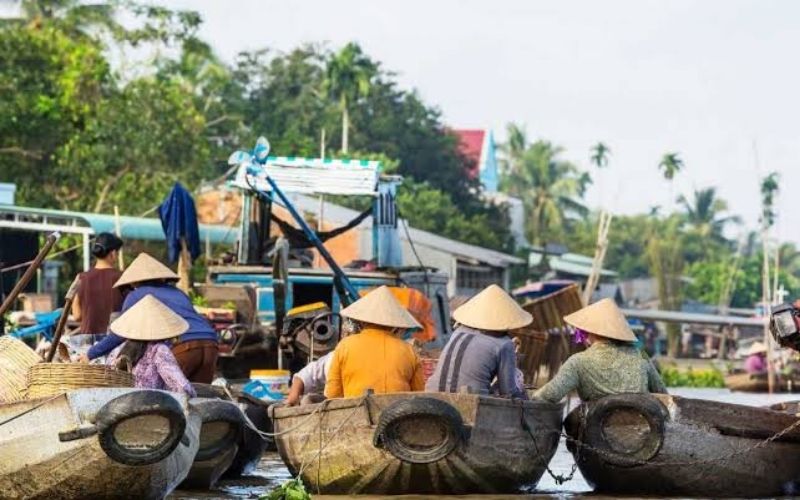
Further south, the Mekong Delta offers another perspective. In Ben Tre, coconut-based products and handicrafts are closely tied to the region’s agricultural economy. These visits help explain why coconut is such an important part of local life rather than presenting the area simply as a river-tour destination.
Ninh Binh offers a quieter version of local life. Cycling through the countryside allows travelers to see rice fields, villages, and everyday activities at a much slower pace than a conventional sightseeing transfer.
Cooking Classes & Culinary Experiences
Food is one of the easiest ways to understand Vietnamese culture because many dishes are closely connected to local habits and regional ingredients.
A Hanoi street food experience can introduce visitors to dishes such as pho, bun cha, banh cuon, banh mi and egg coffee. The value is not simply tasting several dishes in one evening. A knowledgeable guide can explain where the food comes from, how locals eat it and why certain dishes became associated with Hanoi.
On some Halong Bay and Lan Ha Bay itineraries, travellers can also join a cooking demonstration on board. Learning how to roll Vietnamese spring rolls or prepare simple dishes turns a meal into an activity. These experiences are particularly useful for first-time visitors because food often provides a more immediate connection to local life than a formal historical attraction.
Festivals & Ritual Practices
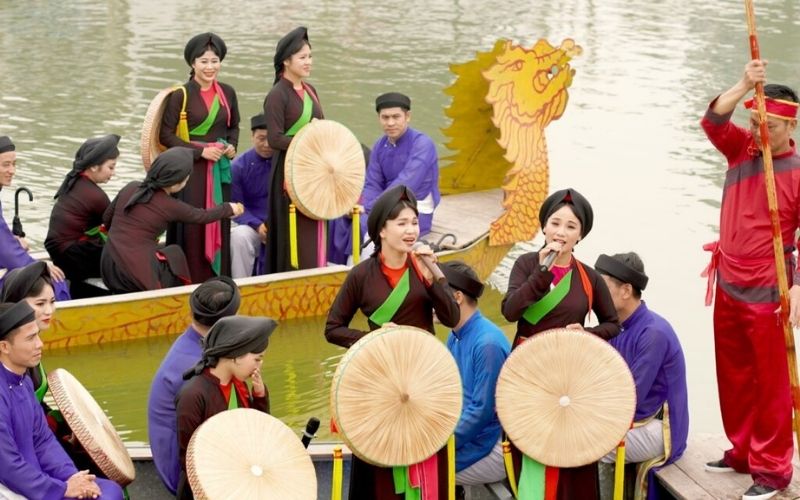
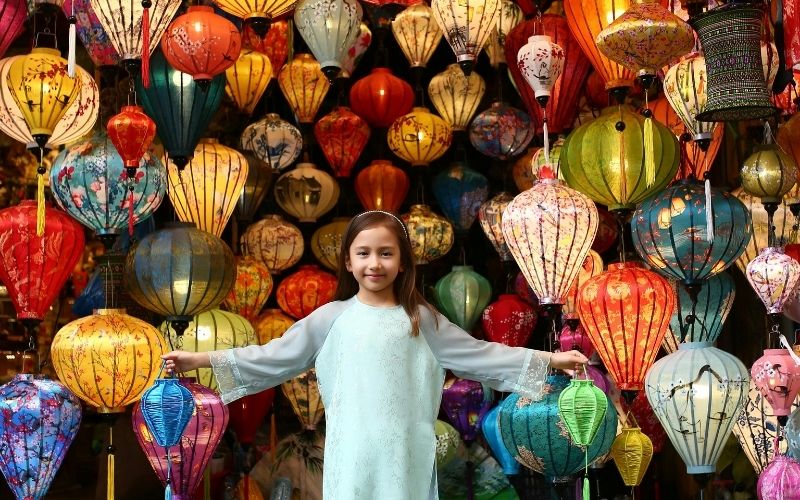
Cultural traditions are not limited to festivals; religious practices and everyday rituals can offer a more authentic view of how communities preserve their beliefs. In Hoi An, visitors can learn about ancestral worship when visiting the Fujian Assembly Hall and its associated religious traditions. This provides context that a quick walk through the old town would easily miss. The itinerary can also include floating lanterns on the river in Hoi An, allowing visitors to take part in a local custom rather than simply watching a performance.
Our Cultural Package Options
There is a big difference between seeing Vietnam on a map and actually moving through its landscapes, cities, and communities. A five-day trip can stay focused on the north, while a longer itinerary gives more room for Hue, Hoi An, the Mekong Delta and Cambodia. Here are four itineraries that take different approaches to cultural travel.
| Tour | Duration | Route | Price |
| Northern Splendor | 5 Days / 4 Nights | Hanoi – Ha Long Bay – Ninh Binh | $468 |
| Northern Journey | 5 Days / 4 Nights | Hanoi – Ha Long Bay – Ninh Binh | $454 |
| Vietnam & Cambodia: A 14-Day Expedition | 14 Days / 13 Nights | Hanoi – Sapa – Ha Long – Da Nang – Hoi An – Hue – HCM – Siem Reap | $1,310 |
| Vietnam & Cambodia Unveiled | 15 Days / 14 Nights | Hanoi – Ha Long – Da Nang – Hoi An – HCM – Can Tho – Phnom Penh – Siem Reap | $2,080 |
Prices are based on the current listings on Lily’s Travel Agency and may change.
5-Day Northern Heritage Options
If you only have five days, Northern Vietnam gives you a surprisingly varied trip without spending most of the holiday in transit. Both Northern Splendor and Northern Journey visit Hanoi, Ha Long Bay, and Ninh Binh, but the way they use those five days is different.
Northern Splendor keeps the Ha Long Bay portion to a day cruise. That leaves more room for Hanoi and Ninh Binh, where the itinerary moves between historical sites and the countryside. After visiting Hoa Lu and Tam Coc, there is also time for cycling through the surrounding villages and climbing Mua Cave. It makes for a nice contrast within a short trip. You can spend one morning following Hanoi’s busy streets and food stalls, then find yourself cycling through rice fields in Ninh Binh a day later.
Northern Journey slows the Ha Long Bay section down with a 2-day, 1-night cruise. The extra time on the water also creates space for activities that are easy to miss on a day trip, including a cooking demonstration and a visit to Tra Bau fishing village. The Tra Bau visit is particularly interesting from a cultural perspective. Rather than simply looking at the bay from a cruise deck, the itinerary introduces the fishing community and its traditional way of life.
The two itineraries therefore share the same broad destinations, but they give the trip a slightly different rhythm: more time exploring on land with Northern Splendor, or a longer Ha Long Bay stay with Northern Journey.
If you are deciding between the two, the detailed itineraries make the difference much easier to see.
14-Day Vietnam & Cambodia Cultural Expedition
Fourteen days changes the scale of the trip considerably. Instead of staying in one part of Vietnam, the itinerary moves from Hanoi and Sapa to Ha Long Bay, Central Vietnam, Ho Chi Minh City, and finally Siem Reap. What makes this route interesting is the change in culture as the landscape changes.
In Sapa, the focus shifts towards mountain communities and the lives of ethnic groups. The itinerary includes Cat Cat Village, where travelers encounter H’Mong culture, traditional houses, terraced landscapes, and a cultural performance.
Then the scenery changes again in Central Vietnam. Hoi An and Hue bring a very different historical layer, from the architecture of an old trading town to the imperial heritage of the Nguyen Dynasty.
By the time the trip reaches Ho Chi Minh City, the atmosphere is completely different again. The final part in Siem Reap then moves beyond Vietnam, bringing another cultural tradition into the same journey.
That variety is probably the biggest appeal of a route like this. You are not spending two weeks seeing variations of the same destination. The food, architecture, landscapes, and pace of daily life keep changing as you travel south.
>>> See the full 14-Day Vietnam & Cambodia Expedition
15-Day Vietnam & Cambodia Unveiled
The 15-day itinerary takes a similar Vietnam-to-Cambodia idea but adds Can Tho and Phnom Penh before reaching Siem Reap. That extra time matters most in Southern Vietnam.
After Ho Chi Minh City, the itinerary heads into the Mekong Delta and Can Tho, where the landscape becomes a mix of waterways, floating markets, and rural communities. The trip then continues into Cambodia, with Phnom Penh providing another historical and cultural perspective before the final days around Siem Reap.
The Cambodia section is also substantial rather than simply being a quick stop. The itinerary includes Angkor Wat, Ta Prohm, Preah Khan, Bayon, and Angkor Thom, giving travelers several different sides of the Angkor complex.
There is also a nice progression through the trip. Hanoi introduces northern food and history; Central Vietnam brings Hoi An and Hue; the Mekong offers a very different relationship with the landscape; and Cambodia closes the journey with Khmer heritage. For travelers who have enough time, this makes the 15-day itinerary feel more like a continuous story across two countries rather than two separate holidays.
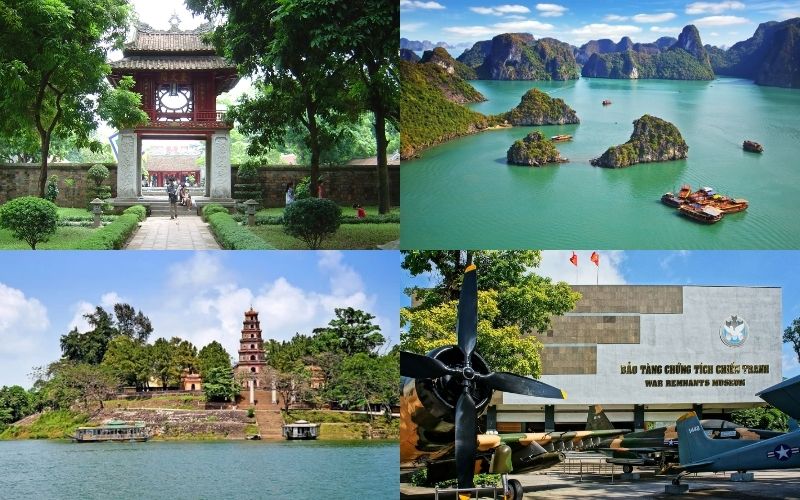
>>> Take a closer look at the 15-Day Vietnam & Cambodia Unveiled itinerary
Who Cultural Tours Suit Best
A cultural tour does not necessarily mean long days inside museums or a packed schedule of historical sites. The better question is what kind of trip do you enjoy?
Families with young children
A shorter Northern itinerary can be easier when traveling with children. The route stays around Hanoi, Ha Long Bay and Ninh Binh, while activities such as a boat trip, cycling and outdoor sightseeing break up the historical visits. Northern Splendor is also listed under Lily’s Family theme, which gives it a different positioning from the longer itineraries.
Couples and friends
Longer routes give couples and friends more time to move beyond the classic first stops. Sapa, Hue, Hoi An, the Mekong Delta and Cambodia each bring something different to the trip. The 14-day expedition is listed for Couple and Friend, while the 15-day Unveiled itinerary is listed for Couple, Family, and Friend.
First-time visitors to Vietnam
If it is your first trip and you want to see several regions, the longer itineraries naturally give you more context. You get to see how Vietnam changes from north to south rather than forming an impression from Hanoi and one nearby destination alone. Adding Cambodia also gives you an interesting cultural comparison instead of treating the country as an extension of Vietnam.
That said, you do not need two weeks to have a meaningful cultural trip. Five days around Northern Vietnam can work well if you prefer to stay in one region and spend more time there.
Travelers with only a few days
Five days is enough to create a varied Northern Vietnam itinerary. Hanoi brings food and urban history, Ha Long Bay changes the scenery completely, and Ninh Binh adds temples, limestone landscapes, and rural life. That combination is one reason Northern Vietnam works particularly well for a short cultural break.
A Vietnam cultural tour package can take many forms; what matters is not how many attractions appear on the itinerary, but how well they connect the country’s history, food, communities, and everyday life. Lily’s Travel Agency has several routes built around these different travel lengths, so checking the actual itinerary is the best place to start. If you already know your dates and preferred pace, you can contact Lily’s team to discuss the most suitable option.