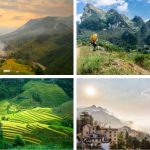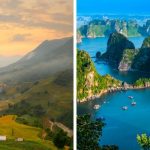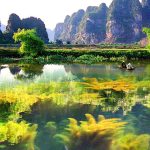



A Vietnam trekking tour Sapa Ha Giang may sound like one continuous trekking adventure, but the two destinations demand very different ways of traveling. That difference matters when choosing an itinerary. With Lily’s Travel Agency, the experience is less about ticking off destinations and more about seeing how differently northern Vietnam can be experienced.
Why Sapa and Ha Giang Are Vietnam’s Top Trekking Destinations
Sapa and Ha Giang are both popular for mountain adventures, but the experience on the ground is quite different. Sapa focuses on trekking between villages, while Ha Giang is shaped by mountain-road journeys through the northern highlands. Knowing this difference helps you choose a trip that matches the way you want to explore.
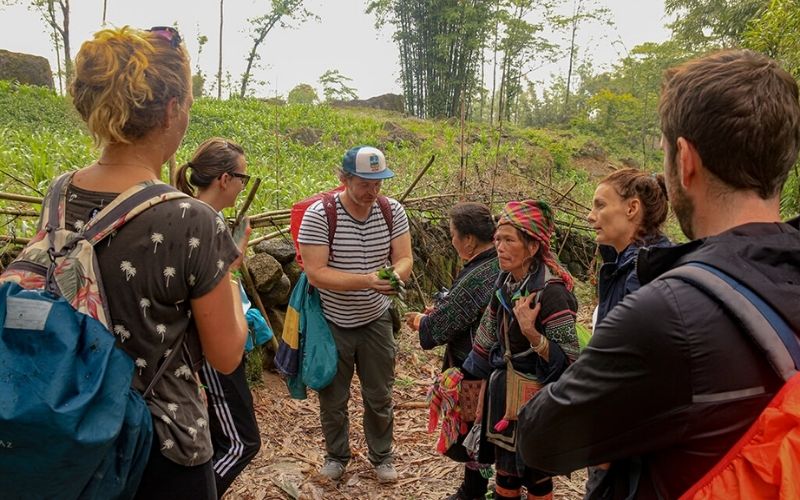
In Sapa, the trail takes you into the villages rather than simply past them. Routes pass through rice terraces, bamboo forests, streams, and mountain paths connecting communities. Sa Seng, Hau Thao, Su Pan, Ban Ho, and Nam Toong are among the villages found along these routes. You may encounter Black H’Mong, Red Dao, and Tay communities along the way. The cultural experience is closely connected to the trekking itself. You approach villages on foot, spend several hours on the trail, and often stay overnight with a local family. For travelers interested in ethnic minority villages in Vietnam, this is one of Sapa’s strongest attractions.
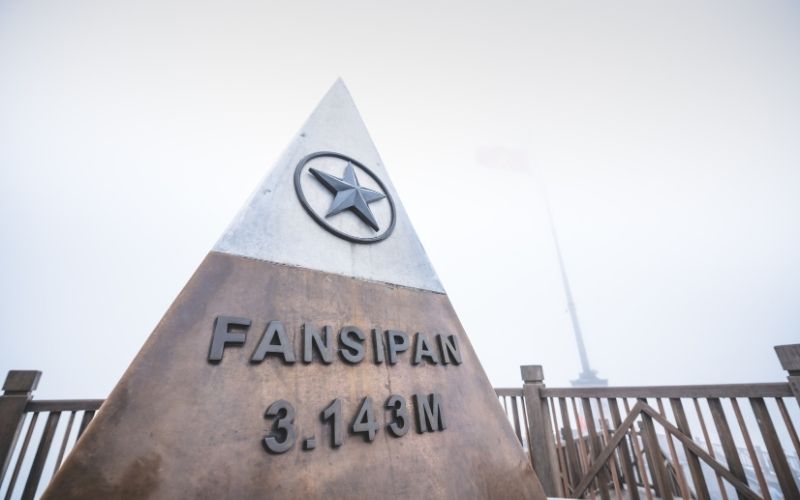
Sapa also offers Fansipan, a more demanding trekking experience. At 3,143 meters, it is the highest mountain in Vietnam. The two-day route starts around 2,000 meters, camps at approximately 2,800 meters, and continues toward the summit the following morning.
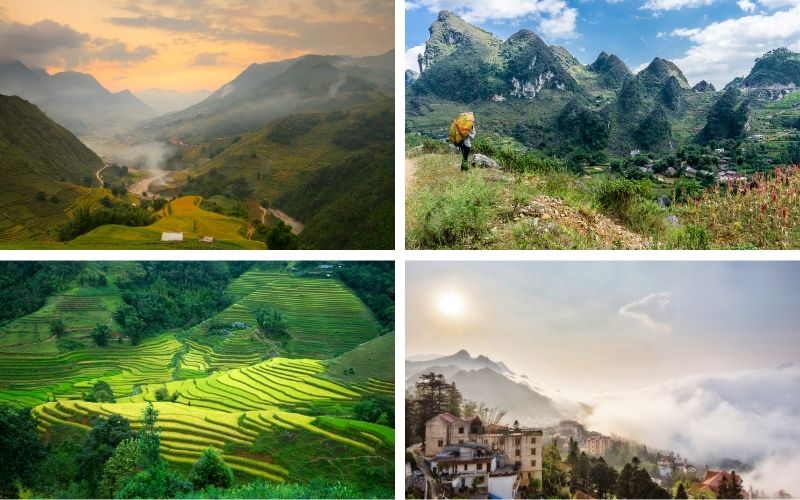
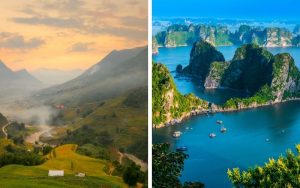
Ha Giang is different. The road itself becomes part of the journey. The Ha Giang Loop passes through Quan Ba, Yen Minh, Dong Van, and Ma Pi Leng Pass, crossing the dramatic landscapes of the Dong Van Karst Plateau. There are walking sections at places such as Heaven Gate and Ma Pi Leng Skywalk, but most of the journey takes place by motorcycle or car. The Nho Que River and Tu San Canyon add another perspective, with boat trips taking you below the limestone cliffs.
Trekking Route & Difficulty Level in This Package
The biggest difference between these itineraries is not simply the number of days, but how you spend those days. Sapa and Fansipan involve sustained trekking on foot, while the Ha Giang Loop combines road travel with shorter walks. The route and difficulty therefore need to be considered together.
Sapa 2 Days Trekking with Mao’s
The 2-day Sapa trek is a good starting point if you want to experience village trekking without committing to several long days on the trail. The first day is the longer one. You trek through Sa Seng Village toward Hau Thao, covering around 13–16 km before staying at a homestay. The second day continues through bamboo forest and Su Pan, with trekking lasting roughly half a day.
Difficulty: Easy to moderate.
The distance on Day 1 should not be underestimated. However, the shorter second day makes this itinerary easier to manage than the three-day route.
>>> Explore the Sapa 2 Days Trekking with Mao’s
Sapa 3 Days Trekking with Mao’s
The 3-day route is better suited to travelers who want trekking itself to be a major part of the trip. Day 1 takes you through Sa Seng Village for approximately 13–16 km. Day 2 is another substantial walking day, covering around 12–15 km through bamboo forest, Giang Ta Chai Waterfall, a Red Dao village, and Su Pan. The final day continues to Nam Toong, followed by a 4 km walk to the main road.
Difficulty: Moderate.
The challenge comes from doing long walks on consecutive days. You need reasonable stamina rather than technical climbing skills.
>>> See the Sapa 3 Days Trekking with Mao’s itinerary
2-Day Fansipan Trekking Tour
Fansipan changes the nature of the challenge completely. You are not just walking between villages; you are gaining altitude toward a 3,143-metre summit. The trek starts at around 2,000 m, reaches approximately 2,200 m for lunch, and continues to the 2,800 m campsite. The following morning, you climb to the Fansipan summit before descending toward Tram Ton Pass at 2,000 m.
Difficulty: Difficult.
Elevation, overnight camping, and changing weather make this the most demanding option in the package. Rain can also leave the trail muddy, making the trek slower and harder.
>>> Explore the 2-Day Fansipan Trekking Tour
Ha Giang Loop 4 Days 3 Nights
The 4-day Ha Giang Loop is an adventure on the road rather than a four-day trekking route. The journey runs through Quan Ba, Yen Minh, Dong Van, Ma Pi Leng, Nho Que River, Tu San Canyon, and Du Gia. You will walk at places such as the Ma Pi Leng Skywalk, but most of the journey happens by motorcycle or car.
Difficulty: Moderate.
The challenge here comes from spending long periods on winding mountain roads, not from covering long distances on foot. The four-day itinerary also gives you more time to explore the landscape without rushing from one viewpoint to another.
>>> Explore the Ha Giang Loop 4 Days 3 Nights
Ha Giang Loop 3 Days 2 Nights
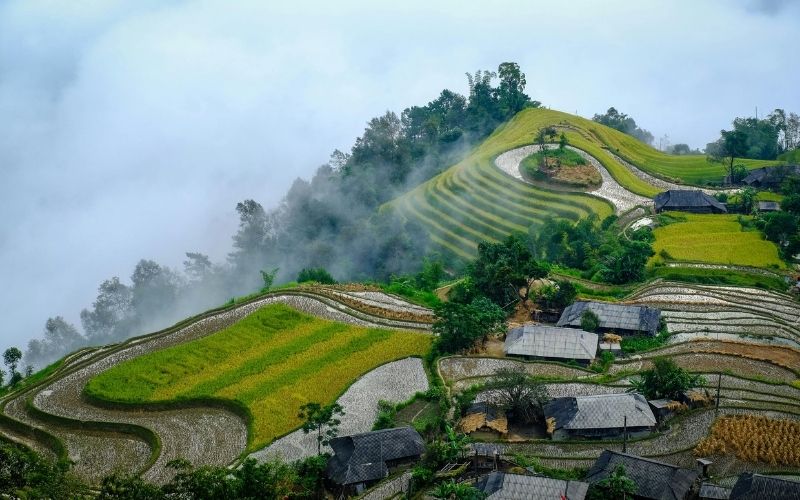
The 3-day loop keeps the core Ha Giang experience while cutting the journey shorter. The route covers Bac Sum Pass, Heaven Gate, Quan Ba, Yen Minh, Dong Van, Vuong’s Palace, and Ma Pi Leng Pass. The itinerary ends without the Nho Que River boat trip or the Du Gia section included in the four-day route.
Difficulty: Moderate.
It works well when you want the major mountain scenery but have less time available. Like the four-day version, the physical challenge comes mainly from road travel rather than continuous trekking.
>>> See the Ha Giang Loop 3 Days 2 Nights itinerary
What’s Included: Guide, Homestay, Meals
What you get with these tours matters because the accommodation and meals are part of the experience, not just practical arrangements. In Sapa, the homestay brings you into local village life after a day on the trail.
Sapa Trekking: Walking With a Local Guide
The Sapa trekking packages include the essentials for spending several days on the trail:
- English-speaking guide throughout the trek.
- Transfers, including station transfer when traveling by train.
- Meals during the tour.
- Drinking water.
- Local “happy water” at the homestay.
- Homestay accommodation with local families.
The homestay is one of the more meaningful parts of the route. After several hours of walking, you stay in the same communities you passed during the day. It gives the journey a stronger connection to local life than staying in Sapa town each night. Other drinks and personal expenses are excluded.
Fansipan: Camping at 2,800 Metres
The Fansipan trek includes more than a standard village homestay. The package covers transport to the starting point, a guide and driver, camping equipment, and meals according to the itinerary.
The overnight camp is set at approximately 2,800 meters before the final ascent to the 3,143-meter summit. The listed price starts from $90 per person, although the final cost can vary depending on the group and travel period.
Ha Giang Loop: Homestays Along the Mountain Route
The Ha Giang itineraries follow a different structure. The tour schedules show meals through B/L/D and overnight stays at local homestays in places such as Yen Minh, Pa Vi, and Du Gia on the four-day route. The evening experience is also part of the itinerary. Depending on the stop, travelers can join local activities, listen to music, play games, and share “happy water” with their hosts.
The available itinerary does not provide one standardized list of every included and excluded service. Therefore, it is better to confirm the final inclusions when booking rather than assume that every transfer, drink, or personal expense is covered.
Best Time of Year for This Trek
For a Vietnam trekking tour Sapa Ha Giang, September and October are the best months to go. The weather is generally more comfortable for trekking, Sapa’s rice terraces are around harvest season, and Ha Giang starts to show its seasonal buckwheat flowers.
If you travel in April or May, Sapa is another good option. The weather is relatively clear and comfortable for walking, while Ha Giang is also pleasant before the summer rains arrive.
June to August is less predictable. Sapa becomes hot and humid, with heavier rain and storms. Wet trails can also become muddy, which matters more when you are spending several hours walking each day.
For travelers mainly interested in Ha Giang’s buckwheat season, late September through November is worth considering. October and November are particularly known for the flowering landscapes around the Dong Van area.
One thing to keep in mind for Fansipan is that weather can change quickly at higher elevations. Rain, clouds, and poor visibility are possible even during otherwise favorable months, so clear summit views should never be guaranteed.
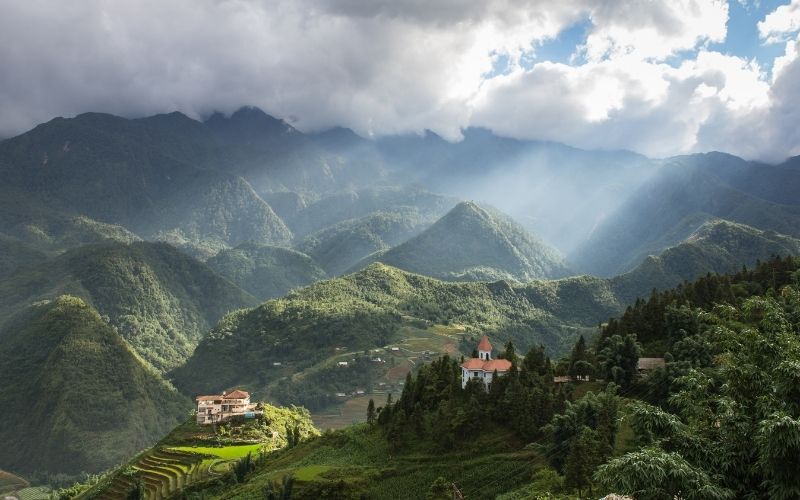
In short, choose September–October for the combined Sapa and Ha Giang trip. Choose April–May if you prefer spring weather, or October–November if Ha Giang’s seasonal scenery is your priority.
Who This Trekking Package Is Best Suited For
This package works well for travelers who want to explore northern Vietnam beyond the usual sightseeing routes. The right option depends on your trekking experience, stamina, available time, and preferred way of exploring the mountains.
- New to trekking: The Sapa 2 Days Trekking is a practical starting point. You get a full day of village trekking without spending several consecutive days on the trail.
- Comfortable with long walks: The Sapa 3 Days Trekking suits travelers with good stamina who want longer routes through villages, forests and mountain terrain.
- Experienced hikers: The 2-Day Fansipan Trekking is the more demanding choice. The route reaches 3,143m, includes an overnight mountain camp, and requires you to handle changing conditions at higher elevations.
- Prefer road adventures: The Ha Giang Loop 4 Days 3 Nights is better suited to travelers who want to spend more time on mountain roads, with short walks added along the route.
- Short on time: The Ha Giang Loop 3 Days 2 Nights covers the main highlights in a shorter itinerary, making it a practical choice when you cannot spare four days.
If your priority is walking through villages and spending time with local communities, choose Sapa. If you want mountain passes, limestone landscapes, and a longer road journey, Ha Giang is the better fit.
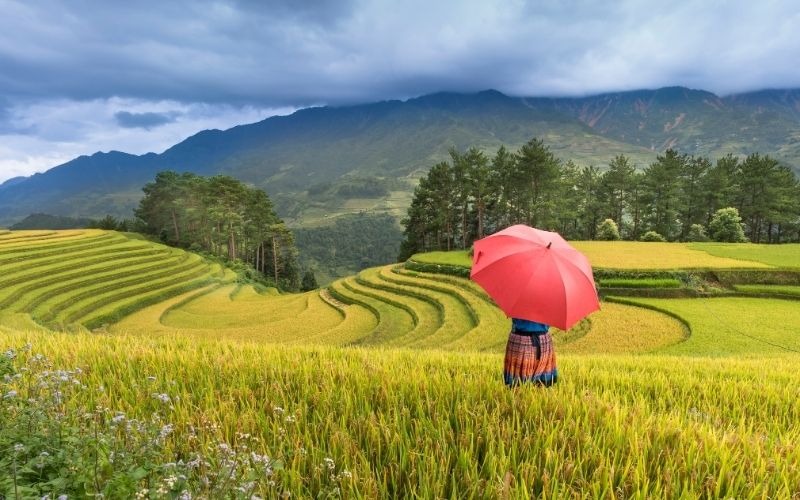
The choice comes down to what you want your days in northern Vietnam to look like. More time walking from village to village? Sapa will give you more of that experience. More time following mountain roads and stopping for dramatic views? Ha Giang is the better fit.
A Vietnam trekking tour Sapa Ha Giang brings both sides of northern Vietnam into one journey, but you do not have to experience them in the same way. Lily’s Travel Agency offers different itineraries across Sapa and Ha Giang, so you can choose a route that matches your time, trekking level and the kind of adventure you actually want.