


Tay Ninh temple is widely known as the spiritual heart of Tay Ninh province and a must-see stop for travelers exploring southern Vietnam. Unlike many ancient temples, this site represents a modern religion that combines elements from several belief systems. This makes Tay Ninh Temple Vietnam, especially interesting for visitors who enjoy learning about cultural diversity. The temple complex is large, well-organized, and welcoming to tourists. For first-time visitors to Tay Ninh, the temple is often the highlight that defines the entire trip.

Toa Thanh Cao Dai Tay Ninh overview
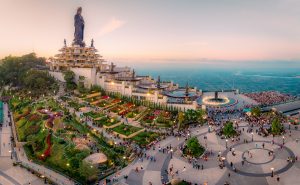
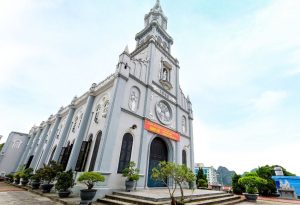
Tay Ninh Temple, also known as Toa Thanh Cao Dai Tay Ninh or the Tay Ninh Holy See, is the main spiritual center of Cao Dai. It is one of the largest religious complexes in Vietnam. The site is located in Tay Ninh province, about 100 km from Ho Chi Minh City, and can be visited as a day trip or part of a longer journey.

The complex covers a very large area with many buildings, gardens, and wide walkways. Inside, there are nearly 100 architectural structures laid out in a calm and orderly way. Visitors can walk through the grounds without paying an entrance fee. Toa Thanh is an active place of worship. Religious services are held daily, and many followers come to pray and attend ceremonies. Tourists can watch these ceremonies if they follow the temple rules. It is peaceful, spiritual, and different from typical tourist sites.
The temple is open in the morning until late evening. Many visitors choose to arrive early to enjoy the space before ceremonies begin. The size and design of the complex leave a strong first impression.
Architecture and symbolism of Tay Ninh temple
The architecture of Tay Ninh Temple Vietnam is one of its most striking features. The design blends Asian and European styles. It shows a mix of religious ideas and cultural influences. At the entrance, there are 12 gates decorated with images of sacred animals and lotus flowers. The main gate is the largest. It is only open on special occasions.

The main building is large. It is long and wide with tall towers. Inside the main hall, two rows of dragon columns guide visitors forward. The ceiling is painted blue with clouds and stars. The central symbol of Cao Dai is the Divine Eye. This all-seeing eye appears throughout the temple. It represents the Supreme Being and guides believers. The eye is often inside a triangle. This shape is part of the religion’s meaning and focus.
Inside the hall, there is a large sphere that represents the universe. It has thousands of tiny stars on it. The Divine Eye sits on this celestial ball. The temple space is divided into sections that symbolize spiritual levels. These levels show the path followers seek in their faith. Many visitors find meaning in these designs even if they do not follow the Cao Dai Religion.
Religious ceremonies at Tay Ninh temple
Religious life is an important part of Tay Ninh Temple Vietnam. Worship services take place every day at set times. The most common times are early morning, noon, late afternoon, and midnight. These services are open for visitors to observe.
The midday ceremony is often recommended for tourists because it is easy to plan around it, and the atmosphere is strong. During this ceremony, followers wear colored robes. Each color has a meaning. For example, yellow is for Buddhism, blue is for Taoism, and red is for Confucianism. Many visitors find this mix of colors fascinating and meaningful to watch.

During the prayers, music and chanting fill the hall. Followers sit in ordered rows. Men and women sit on different sides. Visitors must sit quietly and respectfully.
Each major festival at Tay Ninh Temple can be lively and special. One important festival is the Holy Banquet for the Great Mother and the Nine Goddesses. It happens in the middle of the eighth lunar month and includes processions, traditional dances, lantern events, and religious rites. Many people come to join and celebrate.
Watching a ceremony helps travelers understand Cao Dai Religion more deeply. It shows how believers practice their faith every day and during major religious events. Respectful observation can make your trip more memorable.
Other important Tay Ninh temples and pagodas
In addition to Tay Ninh Temple, Tay Ninh province has many other important temples and pagodas. These sites are popular for spiritual tourism. They show a wide range of religious traditions and local culture.
Ba Den Mountain temple complex
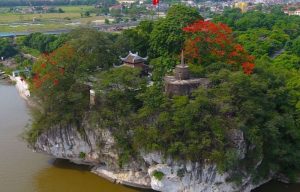
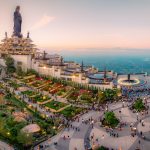
Ba Den Mountain is one of the most famous spiritual sites in the region. It is known as the highest mountain in southern Vietnam, reaching nearly 1,000 meters above sea level. The mountain area is filled with temples, shrines, and caves linked to Buddhist beliefs.

One of the main sites here is Linh Son Tien Thach Pagoda. It is also called the Buddha Pagoda or Upper Pagoda. This ancient pagoda stands on the mountain slopes and is a common destination for pilgrims. The atmosphere feels calm and sacred.
Many visitors travel to Ba Den Mountain by cable car. The ride takes about 10 minutes from the base to the pagoda area. Along the way, you get views of forests and hills. From the top, you can see Tay Ninh’s landscape spread out below.
Go Ken Pagoda
Go Ken Pagoda is another spiritual highlight near Tay Ninh City. It is also called Thien Lam Pagoda and has existed for over 100 years. The pagoda features traditional Buddhist architecture with wood details and many statues.
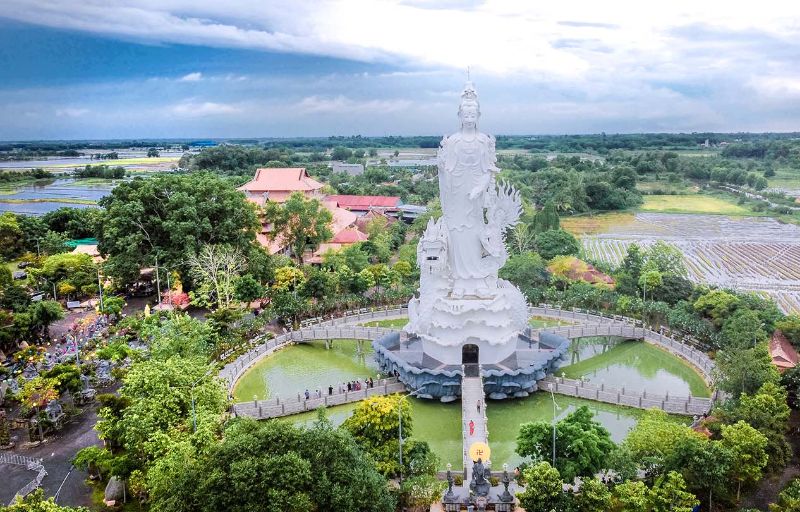
Inside, you will see many carved wooden altars and Buddha figures. There are also statues of important Buddhist figures and historic relics. The peaceful environment makes it a good place for quiet reflection and sightseeing.
Other local temples and pagodas
Tay Ninh has many smaller pagodas and Buddhist sites worth visiting. Some of these include ancient places like Giac Ngan Pagoda, known for its history and peaceful setting. It attracts both local worshippers and visitors during Buddhist festivals.
These temples offer a deeper look into local spiritual life beyond Tay Ninh Temple Vietnam. Travelers who enjoy culture and religion will find rich experiences here. Sightseeing at these sites also provides a view of rural life and traditional worship practices in southern Vietnam.
How to visit Tay Ninh temple respectfully
Visiting Tay Ninh Temple Vietnam requires respect for its religious meaning and local customs. This site is an active place of worship, not just a tourist attraction. Visitors should plan to behave quietly and politely throughout their visit.
First, dress modestly before entering the temple area. Wear clothes that cover your shoulders and knees. Avoid shorts, short skirts, and sleeveless tops. Modest clothing shows respect and helps you blend in with other visitors and worshippers.

Remove your shoes before entering indoor areas. Many parts of the temple ground require bare feet or socks once you step inside. This helps keep the space clean and maintains the sacred atmosphere.
When entering the main hall, follow the local rules. Men and women use different doors in some areas. Watch where locals enter and follow their example. Keep noise low inside the temple. Walk slowly and avoid loud conversations. During prayer ceremonies, remain still and quiet. This helps preserve the calm mood and shows respect for worshippers.
Photography is usually allowed in designated areas, but always be careful. Avoid flash during ceremonies. Do not photograph people without permission. Respect private prayer moments and sacred objects.
If you are unsure about a rule, watch the locals or ask a staff member politely. Following these simple actions makes your visit more respectful. It also improves your experience at Tay Ninh Temple.
Read more: The Complete Travel Guide to Hon Mun Island Vietnam
Best time to visit Tay Ninh temple
The best time to visit Tay Ninh Temple Vietnam depends on your travel goals and the weather. The region has a tropical climate with a clear dry season and a rainy season.
For most travelers, the dry season is the best choice. This season runs roughly from December to April. During these months, the weather is cooler, and rain is less frequent. It is easier to walk around and enjoy the outdoor temple grounds.
If you want to see religious ceremonies, plan your visit around the daily prayer times. The midday ceremony at 12:00 pm is the most popular for visitors. It is especially recommended because the hall fills with worshippers and colorful robes. Seeing this ceremony gives you a strong impression of Cao Dai in practice.

Weekday mornings can be quieter and less crowded than weekends. If you prefer a calm atmosphere, try to arrive early in the day. Major Cao Dai festivals also offer a unique experience. The Supreme Being Festival in the first lunar month and the Full Moon Festival in the eighth lunar month draw many believers and visitors. These events display vibrant rituals, lanterns, and processions.
Even during the rainy season, Tay Ninh Temple is open year-round. Light rain rarely stops visitors, but it can make walking around less comfortable. If the rain is heavy, bring a raincoat and wear shoes with good traction. Planning this way can help you enjoy your visit no matter when you travel.
Ready to explore Tay Ninh? Book now with Lily’s Travel! Established in 2007 and ranked among the best in Hanoi and Northern Vietnam, Lily’s Travel crafts immersive trips across Vietnam-Laos-Cambodia. We focus on cultural discovery, from the Cao Dai Holy See to mountain pagodas, and we brief you carefully so every visit feels meaningful. Our guides are energetic and knowledgeable, and our 3D tour previews make planning simple. Travel with a company that values local culture and sustainable tourism.
Visiting Tay Ninh Temple Vietnam is a rewarding experience for travelers who enjoy culture and quiet exploration. The temple offers clear insight into the Cao Dai religion through its design, ceremonies, and daily activities. Nearby temples and pagodas add more value to the trip. With modest clothing, calm behavior, and good planning, visitors can enjoy the site comfortably. Tay Ninh Temple is welcoming, peaceful, and easy to understand, even for first-time visitors. It is a destination that stays in memory long after the journey ends.
Read more: Yen Bai Weather Guide for Travelers All Year Round