


Yen Bai represents a lesser-known side of Vietnam that many travelers find rewarding. Located away from major tourist centers, this province offers peaceful scenery and a strong sense of local identity. Life in Yen Bai Vietnam follows natural rhythms shaped by farming and seasonal cycles. Visitors often appreciate the friendliness of local communities and the open landscapes that define the region. Yen Bai is well-suited for travelers who want to explore Vietnam beyond popular routes and connect with local traditions in a relaxed setting.

Where is Yen Bai and why is it worth visiting?
Yen Bai is a province in northern Vietnam. It lies in the northwest highlands, where mountains and rivers shape the land. The province sits roughly 200 km northwest of Hanoi, the capital city. It shares borders with Lao Cai, Son La, Ha Giang, Tuyen Quang, and Phu Tho provinces.
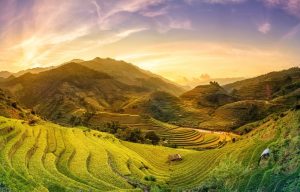
This region is less visited than Sapa or Ha Giang, but it has many special features. Yen Bai Province is known for its wide valleys, terraced rice fields, and peaceful mountain scenery. Visitors come for the quiet atmosphere and scenic views rather than big city life. The landscapes change with the seasons, offering fresh green fields in spring and bright golden rice fields in autumn. For photographers and nature lovers, Yen Bai Vietnam, is a rewarding place to explore.

Ethnic diversity makes Yen Bai even more interesting. Many ethnic groups live here, including the Hmong, Thai, Dao, and Tay. Their traditional cultures, markets, and festivals give travelers a deeper look into local life. This cultural richness adds meaning to any trip to Vietnam Yen Bai.
Yen Bai location and how to get there
Yen Bai is in northern Vietnam’s northwest region. The capital of the province is Yen Bai City. The province is part of the mountainous area that draws travelers looking for nature and rural culture.
To reach Yen Bai Province from Hanoi is straightforward. If you take a car or bus, the trip takes about 3–5 hours, depending on traffic and your final destination. Many buses leave daily from big bus stations like My Dinh and Giap Bat in Hanoi. These buses go to Yen Bai City or to towns like Mu Cang Chai, a famous rice terrace region.
Train travel is also an option. Trains bound for Lao Cai stop at Yen Bai City. The journey from Hanoi by rail is slower but offers countryside views along the way.

Some travelers choose to ride a motorbike to Yen Bai Vietnam. The routes are scenic, especially through mountain passes, but you should be confident riding long distances and on winding roads.
Once you reach Yen Bai City, you can continue to nearby areas by local buses, private cars, or motorbike rentals. Roads connect major sights like Mu Cang Chai, Tu Le Valley, and Thac Ba Lake.
Top places to visit in Yen Bai
When you visit Yen Bai, there are many scenic and cultural places worth exploring. This province has natural landscapes, lakes, mountain passes, and traditional villages. These destinations give travelers a good mix of views and experiences. Below are some top places to include in your Yen Bai Vietnam travel plan.
Mu Cang Chai
Mu Cang Chai is one of the most famous places in Yen Bai Province. It is known for its terraced rice fields that cover wide hillsides. These fields create impressive patterns across the mountains. The best time to visit is during the rice harvest season in September and October.

At this time, the fields turn golden and look very beautiful. You can walk among the terraces or take photos at viewpoints like Mam Xoi and Mui Giay. Mu Cang Chai is a must-see destination for nature lovers and photographers.
Tu Le valley
Tu Le Valley is another great stop in Yen Bai. This valley lies near the border of Nghia Lo and Mu Cang Chai. Tu Le has a gentler landscape than the steep rice terraces. The fields here are peaceful and green in the spring.

Many people visit for the hot mineral springs and local sticky rice. Tu Le also gives you a chance to see more ethnic cultures and daily life.
Thac Ba Lake
Thac Ba Lake is one of the largest artificial lakes in Vietnam and a key spot in Yen Bai Vietnam. The lake covers nearly 20,000 hectares and has over 1,300 small islands surrounded by green hills.

You can take boat rides, explore caves like Thuy Tien Cave, or relax by the water. The lake is calm and scenic, making it a perfect place for a peaceful getaway.
Khau Pha Pass
Khau Pha Pass is one of the most iconic mountain passes in Yen Bai Province. It stretches about 30 km and climbs high into the mountains. The road has many curves and offers stunning views of valleys and rice fields below.

Many travelers choose this pass for scenic drives or photography. The best views are during the harvest season when fields turn golden.
Other great destinations
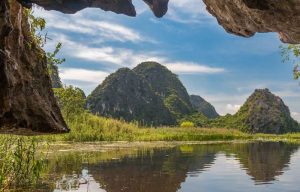
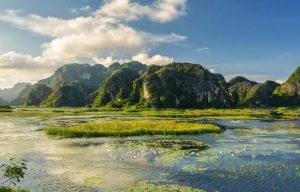
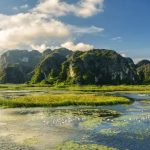
There are other beautiful places you can explore in Yen Bai Vietnam. Suoi Giang Village is known for ancient tea trees and hill scenery. Muong Lo Valley offers wide green fields and cultural experiences with local Thai people. Tram Tau has both mountain views and ethnic villages to explore. Van Hoi lotus pond blooms with bright flowers in the wet season and gives a peaceful setting for photos. Cho Du Lake is a quiet lake near Yen Bai City, ideal for relaxing or fishing by the water.
Yen Bai culture and ethnic communities
Yen bai is not only about scenic views. It is also rich in culture and ethnic diversity. More than 30 ethnic groups live in this province. The major groups include the Thai, Hmong, Dao, Tay, and Nung people. Each group has its own language, clothing, and traditions. This cultural mix shapes life in Yen Bai Vietnam, and makes visits here meaningful.
In many villages and towns, you will see traditional clothing worn during market days or festivals. The Hmong people are known for their bright blue or black outfits and detailed embroidery. The Thai people often wear clothing with geometric patterns and vibrant colors. These outfits reflect deep cultural identity.

Festivals are an important part of life in Yen Bai Province. Events like New Rice Festivals, long field ceremonies, and paragliding festivals in Mu Cang Chai bring people together. During these festivals, you will see folk music, traditional dances, and local food. It is a great way to learn about the culture and meet local people.
Visitors can also explore traditional crafts. Many ethnic communities produce handwoven fabrics, silver jewelry, and wooden items. Local markets are lively places where you can see these products and learn the stories behind them. Remember to ask permission before taking photos of people in rural areas. Showing respect helps create friendly travel experiences.
Best things to do in Yen Bai
When you visit Yen Bai Vietnam, you will find many activities that make your trip fun and memorable. This province offers nature, culture, and adventure in one place. You can explore the outdoors or learn about local life. These activities help you enjoy more during your stay.
One of the best things to do in Yen Bai is hiking in the mountains and valleys. Trails around Mu Cang Chai and Tu Le Valley let you walk through terraced fields and rural paths. You can see rice terraces, forests, and rivers up close. Hiking here feels peaceful and rewarding.
Another activity is driving or biking through scenic passes like Khau Pha Pass. This road is high and winding, with wide views of valleys and fields below. Many travelers take photos or stop at viewpoints to enjoy the views.
You can also visit local towns and markets. Muong Lo Town has a lively market where you can see daily life, buy fresh produce, and try snacks. Markets are good places to meet local people and learn about the culture of Yen Bai Province.

If you want relaxation, visit hot springs like those in Tram Tau or Ngoc Chien. These natural hot water spots are great after long travel days. Many travelers also take boat rides on Thac Ba Lake, where calm waters and island views create a beautiful scene.
Finally, choose a homestay with ethnic families. Staying with local people lets you see daily life and join simple cultural activities. You can learn how locals cook, farm, or make crafts. These experiences help you understand the real Yen Bai Vietnam life.
Local food in Yen Bai
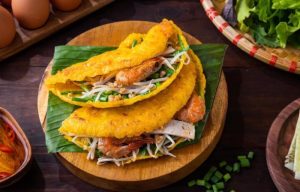
Food in Yen Bai is a major highlight of your trip. Local dishes reflect the rich culture and traditions of ethnic groups in the region. The food here uses fresh ingredients from the mountains, forests, rivers, and farms. Many dishes are simple but full of flavor.
One iconic dish is five-colour sticky rice made from Tu Le rice. This sticky rice has a soft and chewy texture. People often enjoy it with grilled meat or shrimp paste. It is a staple in Yen Bai Vietnam meals.
Smoked buffalo meat is another local favorite. Traders prepare the meat by seasoning and smoking it over firewood. The result is smoky, chewy meat that tastes rich and unique. This dish is especially enjoyable in cool weather.

Yen Bai sausages are also popular. These sausages use pork seasoned with pepper and herbs. They are dried and smoked for flavor. Locals make them with traditional techniques, so you won’t find the same taste elsewhere.
Other dishes to try include bamboo shoots rolled with meat, Muong Lo black chung cake, and stick rice with ant eggs. These foods are part of ethnic traditions and are often served during special events or festivals.
For everyday meals, you may find sticky rice with pork rib broth or local grilled chicken seasoned with “mac khen” pepper. Street food vendors and local restaurants in Yen Bai Province offer these tasty options. Enjoying local food is a great way to connect with the culture and traditions of the region.
Best time to visit Yen Bai
Choosing the right time to visit Yen Bai can make your trip much more enjoyable. Seasons in Yen Bai Vietnam, each offer something unique for travelers. The weather is shaped by a tropical monsoon climate with distinct dry and wet periods.
The most popular time to visit is September and October. This is the harvest season. The rice terraces in places like Mu Cang Chai turn a brilliant golden color. The views are dramatic and perfect for photography. The weather is cooler and more comfortable than in summer.

Another great period is May to June. This is the “water pouring season.” Farmers flood the rice fields before planting. Terraces fill with water and reflect the sky like mirrors. The fields appear green and vibrant.
- Spring (February to April) also has its charm. The weather is mild and pleasant. Some valleys bloom with wildflowers during these months. It can be a good time for trekking and culture visits.
- Summer (July–August) is hot and wet, with frequent rain. Roads can be slippery, and outdoor activities more difficult. Heavy rain may also reduce visibility on mountain passes.
- Winter (November to March) is cold and dry. Early mornings and evenings can be chilly, especially in highland areas. However, fewer visitors mean quieter travel. Misty mornings add to a peaceful experience.
Best timing depends on your interests. If you want golden rice terraces and festivals, aim for autumn. If you want lush green landscapes, visit in late spring or early summer. If you want quiet journeys, winter offers calm and fewer crowds.
Travel tips for visiting Yen Bai
Before you explore Yen Bai Province, it helps to know some practical travel tips. These can make your trip smoother and safer.
First, plan your transport carefully. Roads in Yen Bai Vietnam can be winding, especially in the mountains. Renting a motorbike gives freedom, but only do this if you have experience riding on mountain roads. Bus and car transfers from Hanoi are reliable for most travelers.
Booking accommodation in advance is a good idea. Popular seasons like September–October attract many visitors. Hotels and homestays fill up quickly. Booking early ensures you get the room you want.
Carry cash when visiting rural areas. ATMs are available in Vietnam Yen Bai City, and main towns, but not everywhere in the highlands. Also, small shops and markets may not accept cards.

Pack suitable clothing for changing weather. Mountain climates can change fast. Nights can be cold even in warmer months. A light jacket, rain gear, and good walking shoes are useful year-round.
Check weather forecasts before outdoor activities like hiking or motorbiking. Heavy rain can make mountain trails slippery and more dangerous. Also monitor local conditions during rainy seasons (July–August).
Be respectful when visiting ethnic villages. Many communities in Yen Bai have deep traditions. Ask permission before taking photos of people. Dress modestly and follow local customs. This helps you build good connections with local people.
Finally, take time to enjoy simple moments. Markets, village paths, and local meals offer cultural insights that big attractions can’t always show. These small experiences make a visit to Yen Bai more meaningful.
Turn your Yen Bai trip into a meaningful experience – travel with Lily’s Travel! Lily’s Travel has been connecting international travelers with Vietnam’s culture since 2007. Known for top rankings in Hanoi and northern Vietnam, we design tours that explore nature, history, and ethnic diversity. Their strong commitment to community and sustainable tourism makes every journey more responsible and rewarding. If you value insight, authenticity, and thoughtful planning, Lily’s Travel is a great companion.
Yen Bai shows a side of Vietnam that feels grounded and genuine. Its landscapes change with the seasons, while local communities keep long-standing traditions alive. Visitors can hike through valleys, taste regional food, and learn directly from ethnic cultures. Whether you come for photography, cultural discovery, or quiet travel, Yen Bai Vietnam offers an experience that feels both refreshing and personal.