


Planning a trip from Phu Quoc island to Da Nang? Spanning nearly 1,300 kilometers, this route covers a massive stretch of Vietnam, taking you from a tropical island paradise to one of the world’s most exciting culinary destinations. With no direct rail or boat connections, figuring out the best way to bridge the gap can be tricky. Here, we compare the top transportation methods from direct flights to multi leg adventures to help you choose the option that perfectly fits your budget and schedule.
How far is Da Nang from Phu Quoc island?
The total distance when traveling from Phu Quoc island to Da Nang depends entirely on your chosen method of transport.
If you are flying, the aerial distance (as the crow flies) is approximately 800 kilometers (about 500 miles). Since this route cuts directly across the mainland and the ocean, it is by far the fastest way to bridge the gap between the two destinations.
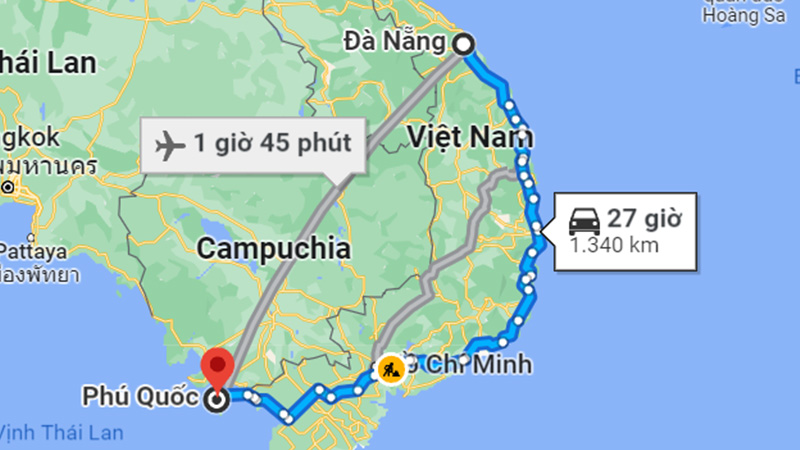
However, if you are planning an overland adventure, the journey is significantly longer. Because you must navigate the southern coastline, pass through Ho Chi Minh City, and traverse the Mekong Delta, depending on the mainland route and the port used, the total overland journey usually covers around 1,500–1,600 kilometers. This extensive route takes you across the length of the country, which is why most travelers prioritize checking travel times and connections before deciding on their final itinerary.
Quick answer: What is the best way to get from Phu Quoc to Da Nang?
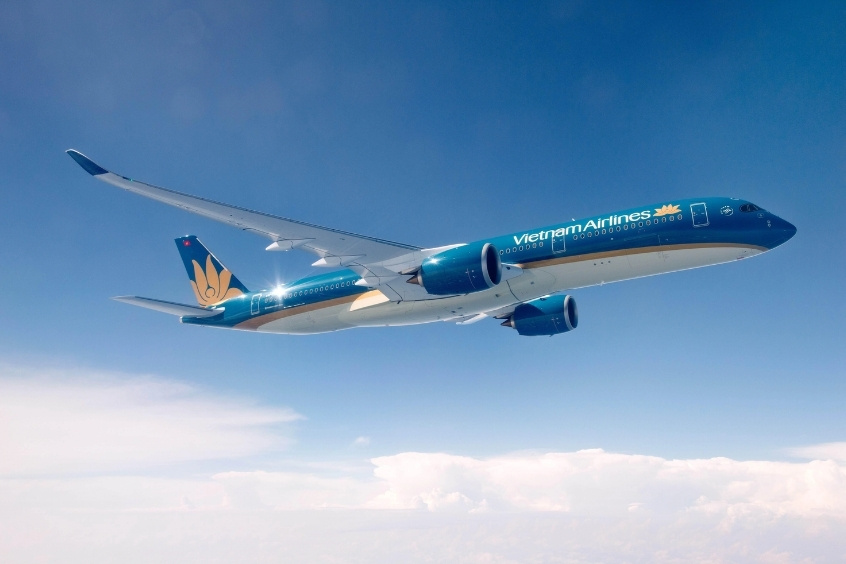
For the vast majority of travelers, a direct flight is undoubtedly the best way to get from Phu Quoc to Da Nang. It is the most practical choice, cutting a journey that would otherwise take over 30 hours by road down to a simple, sub-two-hour flight. When you factor in the cost of meals, the physical exhaustion of a long-haul bus or train ride, and the value of your limited vacation time, flying is almost always the most efficient option.
You should only consider overland alternatives such as taking a ferry followed by a bus or train if you are a “slow traveler” with an open schedule, a very strict budget, or a genuine desire to experience the Vietnamese countryside in depth. Otherwise, booking a flight is the smartest way to ensure you start your time in Da Nang feeling refreshed and ready to explore.
Is there a direct ferry or train from Phu Quoc to Da Nang?
No, there are no direct ferry or train services connecting Phu Quoc island to Da Nang. Because Phu Quoc is an island located in the southwest Gulf of Thailand and Da Nang is a major city on the central coast, they are separated by nearly 800 kilometers of land and sea. Here is the reality of the infrastructure:
- No direct ferries: Ferries from Phu Quoc only operate as short haul connections to the mainland ports of Ha Tien or Rach Gia. There is no long-distance sea route that travels up the coast to Da Nang.
- No direct trains: Phu Quoc has no railway network. The Vietnamese national railway line runs along the mainland coast, but it does not reach the southwestern provinces. To use the train, you would first need to travel by ferry and bus from the island to Ho Chi Minh City, where you can then board a train to Da Nang.
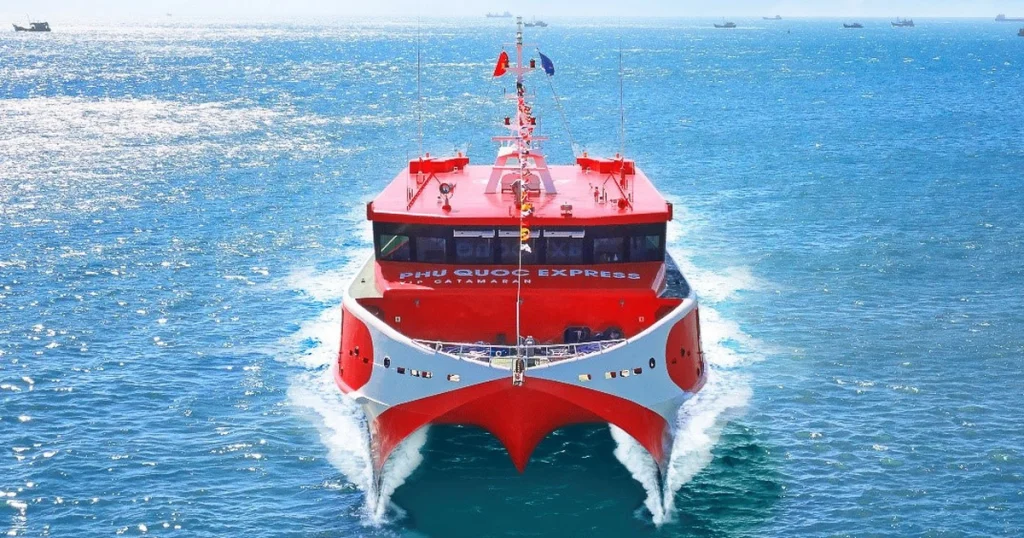
If you are looking to avoid flying, you will have to piece together a multi-leg journey typically involving a ferry to the mainland, a bus to a major city like Ho Chi Minh City, and then a bus or train north. This is a significant overland undertaking that requires careful planning rather than a single, direct ticket.
Option 1: Direct flights from Phu Quoc to Da Nang
For most travelers, Option 1: Direct flights from Phu Quoc to Da Nang is the gold standard for efficiency. Instead of enduring a multi day trek across the country, you can jump straight from the island to the city in just a matter of hours.
When you choose to fly, you eliminate the complex logistics of coordinating multiple land and sea transfers. Here is why this is the preferred method for the majority of tourists:
- Speed: A direct flight typically takes less than 2 hours. Even when you factor in time spent at the airport for check-in and security, you will reach Da Nang in under half a day.
- Simplicity: The process is straightforward: take a taxi or shuttle from your hotel to Phu Quoc International Airport (PQC), fly to Da Nang International Airport (DAD), and then take a short ride into the city center.
- Comfort: By avoiding the fatigue of long distance buses or trains, you arrive in Da Nang feeling refreshed, allowing you to hit the ground running for your first day of sightseeing or culinary exploration.
If your vacation time is limited, this is the most reliable way to ensure you maximize your time enjoying your destination rather than sitting in transit.
Read more: Da Nang or Phu Quoc: Which Vietnam beach destination is better?
Option 2: Ferry and bus route
Traveling from Phu Quoc island to Da Nang using a combination of ferry and bus is a popular choice for budget travelers and backpackers who want to see the real Vietnam.
This route generally involves a two-part process:
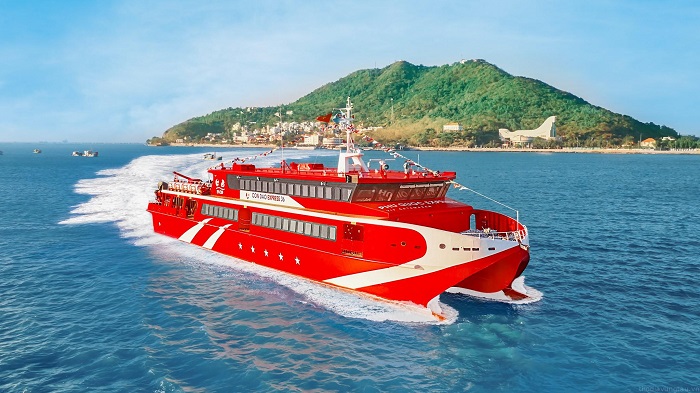
- Step 1: The ferry crossing: You begin by taking a high-speed ferry from Phu Quoc to one of the two main mainland ports: Ha Tien or Rach Gia. Ferries from Ha Tien usually take around 70 – 90 minutes, while services from Rach Gia take approximately 2 – 2.5 hours.
- Step 2: The long distance bus: Once you reach the mainland port, you will need to transfer to a bus terminal. From here, you board a long-distance sleeper bus bound for Da Nang.
Important considerations for this route:
- The duration: This is a marathon, not a sprint. The road journey from the southern ports to Da Nang can take anywhere from 24 to 30+ hours depending on traffic and scheduled stops.
- Sleeper buses: Vietnam’s sleeper buses are designed with reclining bunks, making them relatively comfortable for overnight travel. However, be prepared for a long journey through the night.
- Logistical challenges: The most difficult part of this option is coordinating the timing. Ferry arrival times do not always align perfectly with departing buses. If you choose this path, allow for plenty of buffer time between your ferry arrival and your bus departure to avoid missing your connection.
Option 3: Ferry, bus and train combination
For the true adventurer, this is the “grand tour” way to travel from Phu Quoc island to Da Nang. While it is undeniably the most time consuming route, it offers a legendary experience that you simply cannot get from a flight or a bus alone.
This route is best suited for travelers who have extra time and want to see the changing landscape of Vietnam, from the tropical Mekong Delta to the lush coastlines of Central Vietnam.
How this multi leg journey works:
- The sea crossing: First, you take a fast ferry from Phu Quoc to the mainland port of Ha Tien or Rach Gia.
- The transfer: From the port, you must arrange travel (usually via bus or private car) to Saigon Station (Ho Chi Minh City). This is a crucial step, as it is the major hub where the north-south train lines originate.
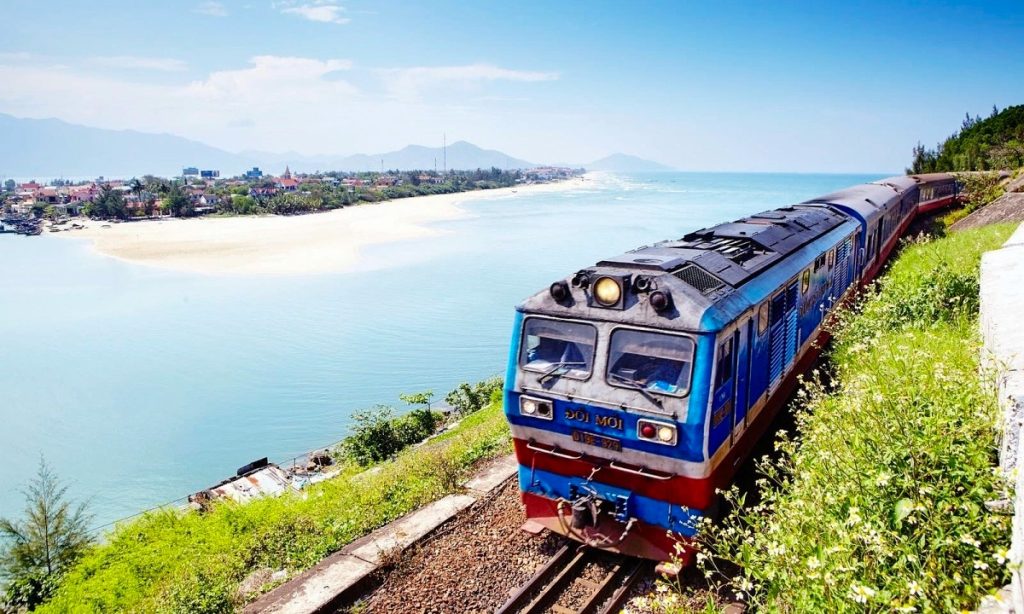
- The train ride: Finally, you board the Reunification Express train from Saigon to Da Nang. This is the highlight of the trip.
Why choose the train route?
- The experience: The Reunification Express is an iconic part of Vietnamese history. It offers a unique, rhythmic, and nostalgic way to travel that many backpackers find romantic and relaxing.
- Comfort: Unlike the sleeper bus, trains allow you to stand up, walk around freely, and visit the dining car. You have more personal space to stretch out, especially if you book a “soft sleeper” (4 berth cabin).
- Unbeatable views: The stretch of track between Nha Trang and Da Nang is stunning. You will pass through mountain passes and see breathtaking coastal views that are hidden from the highway.
Flight vs bus vs train: Which option is best?
Choosing the right way to travel from Phu Quoc island to Da Nang comes down to balancing your budget, your schedule, and the type of experience you are looking for. Because this route spans nearly 800 kilometers of Vietnam’s diverse geography, there is no “one size fits all” solution.
Flying is the clear winner for travelers who value time and convenience. It effectively shrinks a multi day journey into a two-hour flight, allowing you to maximize your time in Da Nang.
Taking the bus or train is a “slow travel” strategy. This isn’t just a way to get from point A to point B; it is an immersive cross-country adventure. If you have the luxury of time and want to witness the changing landscapes of Vietnam from the lush Mekong Delta to the dramatic central coastline these overland options provide a travel experience that flying simply cannot match.
Travel costs from Phu Quoc to Da Nang
Understanding the costs involved is key to planning your journey from Phu Quoc island to Da Nang, especially since your total spend will depend heavily on whether you prioritize speed or budget. Below are the estimated costs for each leg of the journey, based on current 2026 pricing.
Flights
- Cost: 850,000 – 2,000,000 VND per person (one-way).
- Details: This is the most efficient option. Prices fluctuate significantly depending on the airline (VietJet, Vietnam Airlines, etc.) and how far in advance you book. Flying during holidays or weekends will push you to the higher end of this range.
The ferry (Phu Quoc to Mainland)
- Cost: 230,000 – 300,000 VND per person (one-way).
- Details: You must first ferry from Phu Quoc to the mainland ports of Ha Tien or Rach Gia. Standard high-speed ferry tickets are quite stable in price, though booking online in advance is recommended during peak tourist seasons to ensure your spot.
Overland transport (Mainland to Da Nang)
If you opt for the land route, your costs will be divided between the bus/train from the port to Ho Chi Minh City, and then the final leg to Da Nang.
- Sleeper bus: 550,000 – 850,000 VND.
- This is the most economical choice. VIP “cabin” buses offer more privacy and comfort for a slightly higher price.
- Train (Reunification express): 700,000 – 1,700,000 VND.
- Prices vary based on class. A soft seat is the cheapest, while a 4 berth “soft sleeper” cabin is the most comfortable and popular for long distance travelers.
Summary comparison table:
| Transport Mode | Estimated Total Cost (Approx.) |
| Direct Flight | 850,000 – 2,000,000 VND |
| Ferry + Bus | 800,000 – 1,150,000 VND |
| Ferry + Train | 950,000 – 2,000,000 VND |
Travel time comparison
When planning your journey from Phu Quoc island to Da Nang, the difference in travel time between flying and taking overland transport is massive. Because you are traveling from the far southwest of the country to the central coast, your choice of transport will dictate whether you spend a couple of hours or a couple of days in transit.
Quick travel time breakdown:
| Method | Estimated Travel Time | Notes |
| Direct flight | ~1 hour 45 minutes | The fastest option; usually requires ~3 hours total (with check-in). |
| Bus + ferry | 24 – 30+ hours | Highly dependent on traffic and ferry schedules. |
| Train + bus + ferry | 26 – 36+ hours | The longest route; involves multiple transfers and layovers. |
Common mistakes travelers make when traveling from Phu Quoc to Da Nang
Traveling from Phu Quoc island to Da Nang is an extensive journey that spans the entire length of the country. Because of the logistics involved navigating the sea, regional road networks, and potential train connections many travelers fall into common traps that can turn a smooth trip into a stressful experience. To ensure your journey is as seamless as possible, avoid these frequent mistakes:
- Underestimating the connection gap: The most common mistake is scheduling a ferry arrival that is too close to your connecting bus or train departure. Ferries can be delayed by tides or boarding logistics, and heavy traffic is common on the mainland. Always leave a buffer of at least 3-4 hours between your ferry arrival and your next departure to account for these variables.
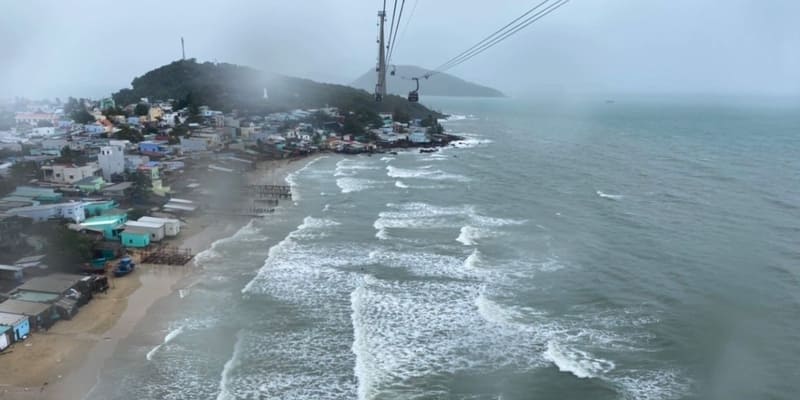
- Failing to check the weather: Ferries between Phu Quoc and the mainland are highly sensitive to weather. During the monsoon season (typically August to October), ferries can be canceled on short notice due to rough seas. If you are traveling during these months, always check the weather forecast 24 hours in advance and have a backup plan.
- Overpacking for a multi leg journey: Dragging a massive suitcase onto a high-speed ferry, then onto a shuttle bus, and finally into a train station or sleeper bus is exhausting. Pack light or use a backpack. If you have excessive luggage, you will find yourself paying for extra storage or struggling to manage your gear through crowded transport hubs.
- Booking tickets separately: While it may seem cheaper to book each leg independently, it puts you at higher risk. If your ferry is delayed and you miss your bus, you lose your money and your reservation. If possible, book through agencies that offer “combo” tickets, as they are more likely to assist you with rescheduling if one leg of your journey is disrupted.
Instead of playing travel agent and risking a broken itinerary, why not let the experts handle the heavy lifting? Lily’s Travel specializes in crafting seamless, end-to-end journeys across Vietnam.
By having Lily’s Travel build your itinerary, you get more than just a ticket; you get a well timed, expertly organized plan that accounts for connection gaps and weather variables. They handle the logistical stress, leaving you free to focus on the views and the excitement of the trip ahead. Reach out to them to start planning your perfect, worry free transit today!
Suggested Vietnam itineraries including Phu Quoc and Da Nang
Here are three detailed itineraries ranging from a fast-paced luxury escape to a slow-paced cross country adventure.
7 Days
Best for: Travelers who want to minimize transit time and maximize beach and culture time.
- Day 1: Arrival & island vibes. Arrive in Phu Quoc. Check into your resort. Spend the afternoon relaxing on Long Beach or Ong Lang Beach. Evening: Explore the Phu Quoc Night Market for fresh seafood.

- Day 2: South island exploration. Take a boat trip to the An Thoi Archipelago for snorkeling. Afternoon: Ride the world-record Hon Thom Cable Car and enjoy the water park. Sunset: Visit Sunset Town and the Kiss Bridge.
- Day 3: Theme park & safari. Spend the day at VinWonders (theme park) or Vinpearl Safari in the north.
- Day 4: Flight to Da Nang. Morning flight (PQC to DAD). Check into a hotel near My Khe Beach. Afternoon: Relax on the beach. Evening: Walk across the Dragon Bridge and enjoy a riverside dinner.
- Day 5: The heights of Ba Na. Take a full-day trip to Ba Na Hills. Ride the cable car to see the Golden Bridge (held by giant stone hands) and explore the French Village.
- Day 6: Hoi An ancient town. Morning: Visit Marble Mountains. Afternoon/Evening: Head to Hoi An. Wander the lantern-lit streets, take a boat ride on the Hoai River, and explore the Japanese Covered Bridge.
- Day 7: Departure. Morning coffee at a local cafe. Last-minute souvenir shopping in Da Nang before your flight out.
12 Days
Best for: Those who want to see the real Vietnam beyond the resort walls.
- Days 1–3: Phu Quoc. Relax, snorkel, and explore the local fish sauce factories or pepper farms.
- Day 4: The ferry crossing. Take the morning high-speed ferry to Ha Tien. Transfer to a bus or private car to Can Tho (heart of the Mekong Delta).
- Day 5: Mekong Delta. Wake up early for the Cai Rang Floating Market. Tour the lush fruit orchards and visit the Vinh Trang Pagoda in My Tho.

- Day 6: Ho Chi Minh City. Travel to HCMC. Check in and spend the afternoon at the War Remnants Museum and Ben Thanh Market.
- Day 7: HCMC Exploration. Visit the Cu Chi Tunnels (morning) and relax in a coffee shop in District 1.
- Day 8: The coastal journey (Bus). Take an overnight “sleeper bus” or a morning bus north. Enjoy the changing landscape from tropical delta to coastal plains.
- Day 9: Arrival in Da Nang. Arrive in Da Nang. Check in and rest after the long journey. Evening: Visit the Linh Ung Pagoda on Son Tra Peninsula for panoramic views.
- Day 10-12: Da Nang & Hoi An. Same as the Express itinerary (Ba Na Hills, Hoi An, My Khe beach relaxation).

16 Days
Best for: Travelers who view the journey itself as a highlight and love trains.
- Days 1-3: Phu Quoc. Enjoy island life.
- Day 4: The Journey Begins. Ferry to mainland, transfer to Ho Chi Minh City.
- Day 5: HCMC. Explore the city, prepare for your train journey, and visit local markets.
- Day 6-7: Train to Nha Trang. Board the Reunification Express. Arrive in Nha Trang. Spend 2 days island hopping, visiting the Po Nagar Cham Towers and relaxing at the beach.
- Day 8-9: Train to Quy Nhon. Continue north by train. Quy Nhon is a hidden coastal gem. Explore the pristine Ky Co Beach and ancient Cham Towers.
- Day 10-12: Arrival in Da Nang. Final leg of the train journey. Arrive at Da Nang Station. Take a taxi to your hotel.
- Day 13: Da Nang City. Visit the Cham Museum and cycle around the Son Tra Peninsula.
- Day 14: Ba Na Hills. A full day of adventure at the Golden Bridge.
- Day 15: Hoi An. Day trip to the ancient town. Enjoy a cooking class or a bicycle tour through the Tra Que Vegetable Village.

- Day 16: Departure. Final breakfast at a local “Mi Quang” noodle shop before flying out of Da Nang International Airport.
Pro Tip: For itineraries 2 and 3, always book your train tickets (for the Reunification Express) at least 2-3 weeks in advance through official railway websites to secure a “soft sleeper” berth, which is the most comfortable way to see the country.
Frequently asked questions about traveling from Phu Quoc to Da Nang
If you are planning your journey from Phu Quoc island to Da Nang, you likely have several logistical questions. Below are the answers to the most common queries to help you prepare for your trip.
What is the fastest way to get from Phu Quoc island to Da Nang?
The fastest way to travel is by direct flight. A direct flight takes approximately 1 hour and 45 minutes. When you include travel to the airport, check-in, and transfer time upon arrival, you can typically complete the entire journey in under 4 hours.
What is the cheapest way to travel?
The most economical option is a combination of a ferry from the island to the mainland, followed by a long distance sleeper bus. While this is the most budget friendly method, it is also the most time consuming, with total travel time often exceeding 24-30 hours due to the distance and road conditions.
Should I book my transport in advance?
Yes, especially for flights and trains. During peak tourist seasons, weekends, or public holidays, tickets for popular routes (like the train from Ho Chi Minh City to Da Nang) can sell out days or weeks in advance. Booking online early often secures better pricing and guarantees your seat.
How much “buffer time” should I leave between connections?
If you are taking an overland route (ferry + bus/train), it is wise to leave at least 4-6 hours of buffer time between your arrival at the port and your next departure. Ferry schedules can be affected by tides or weather, and road traffic in Vietnam is notoriously unpredictable. Having this buffer prevents you from missing your next connection due to minor delays.
Is it better to fly or take the bus?
It depends on your goal. If you are on a standard vacation and want to enjoy your time in Da Nang, flying is highly recommended to save time and energy. If you are an adventure traveler with a flexible schedule who wants to see the countryside, the overland bus and train journey offers a unique, albeit exhausting, cross country experience.
Whether you choose the efficiency of a flight or the scenic allure of an overland adventure, the best journey is one planned with confidence. Navigating these connections can be complex, but you don’t have to do it alone. Let Lily’s Travel handle your bookings and transfers, ensuring a seamless journey from Phu Quoc island to Da Nang.