


Choosing between Can Tho and Dak Lak is not easy , as these two places are very different. The former is well-known for floating markets and river life, while the latter draws trips to coffee farms, waterfalls, and highland scenery. If you’re choosing between them, here’s what you need to know.
| Criteria | Can Tho | Dak Lak |
| Average Daily Cost | 500,000–1,200,000 VND | 350,000–1,400,000 VND |
| Travel Time from Ho Chi Minh City | Around 3–4 hours by bus or private car | Around 6–7 hours by bus or about 1 hour by flight to Buon Ma Thuot |
| Ease of Getting Around | Easy. Attractions are relatively close together, and taxis, Grab, and boat tours are widely available. | Moderate. The city center is easy to explore, but visiting coffee farms, Lak Lake, and waterfalls is much more convenient with a motorbike, private car, or guided tour. |
| Recommended Trip Length | 2–3 days | 3–4 days |
| Best For | Floating markets, Mekong Delta culture, and local cuisine | Coffee culture, waterfalls, highland landscapes, and outdoor adventures |

Can Tho vs Dak Lak at a Glance
Can Tho vs Dak Lak both offer very different perspectives on Vietnam. Although both are located in southern Vietnam, Can Tho and Dak Lak leave very different impressions on visitors. One is built around rivers, floating markets, and the daily life of the Mekong Delta. The other is better known for coffee farms, waterfalls, and the open landscapes of Vietnam’s Central Highlands. The choice really comes down to the kind of experience you’re hoping to take home from your trip.
| Metric | Can Tho | Dak Lak |
| Region | Mekong Delta | Central Highlands |
| Distance from Ho Chi Minh City | ~170 km | ~350 km |
| Travel Time from HCMC | 3–4 hrs | 1 hr flight / 6–7 hrs by road |
| Best Months to Visit | Dec–Apr | Nov–Mar |
| Top Attraction | Cai Rang Floating Market | Lak Lake |
| Average daily cost (budget) | 500,000 VND/day | 350,000-720,000 VND/day |
| Best For | River culture & food | Nature & coffee experiences |
For many first-time visitors to Vietnam, Can Tho is often easier to incorporate into their itinerary due to its proximity to Ho Chi Minh City and convenient transportation system. Meanwhile, Dak Lak is more suitable for those who want to spend more time in nature, local culture and less time on mainstream tourist experiences.
Quick Decision: Can Tho or Dak Lak?
If you’re visiting Vietnam for the first time, have just a few days, Can Tho is usually the better choice. It’s easier to reach from Ho Chi Minh City and offers a relaxed introduction to southern Vietnam.
Dak Lak is a better fit if you’re more interested in nature, coffee culture, and the landscapes of the Central Highlands. It rewards travelers who have a little more time and prefer waterfalls, lakes, and outdoor experiences over city sightseeing.
Geographic & Cultural Overview
Despite being located in Southern Vietnam, Can Tho vs Dak Lak offer two completely different landscapes. And these geographical differences are what create the unique travel experiences at each destination.
Where Is Can Tho? — Mekong Delta’s Beating Heart
Located approximately 170 km southwest of Ho Chi Minh City, Can Tho is considered the center of the Mekong Delta. The city covers an area of about 6,360.8 km² (after the 2025 merger with Soc Trang and Hau Giang) and is a crucial transportation hub connecting many provinces in the southwestern region of Vietnam.
Can Tho is unique for its dense network of rivers and canals that develop around the Hau River, the largest tributary of the Mekong River as it flows through Vietnam. This natural environment has shaped a distinctive riverine culture that visitors can easily experience through its floating markets, riverside craft villages, and fruit orchards stretching along the small canals.
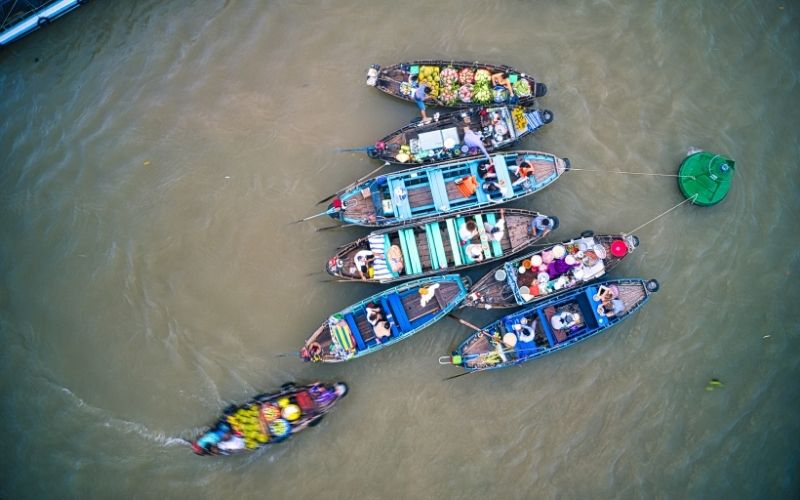
Unlike many other large cities, life in Can Tho tends to be slower-paced. Mornings begin with boats carrying agricultural products on the river, while afternoons are ideal for exploring Ninh Kieu Wharf or watching the sunset on the Hau River. Despite rapid infrastructure development with projects like the Can Tho Bridge, the city still retains the authentic Mekong Delta character that many tourists seek.
Where Is Dak Lak? — The Highland Coffee Capital
Located in the Central Highlands region, Dak Lak is one of the largest provinces in Vietnam, covering over 18,096 km². The provincial center is Buon Ma Thuot, approximately 350 km from Ho Chi Minh City, and only about an hour’s flight from major cities like Hanoi or Ho Chi Minh City.
Dak Lak is often referred to as the coffee capital of Vietnam. The province currently boasts the largest coffee-growing area in the country and contributes about 30–35% of the national coffee production. The sprawling coffee plantations on fertile basalt soil have become an iconic image of the region.
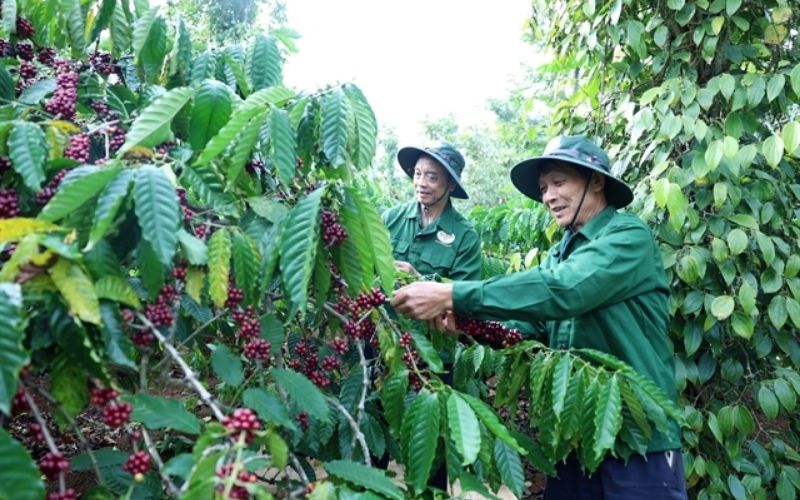
Besides coffee, Dak Lak is also renowned for its cultural diversity. Dozens of ethnic communities live here, with the Ede and M’Nong groups having a significant influence on local culture. Visitors can encounter traditional longhouses, community festivals, and the cultural space of the Central Highlands’ gong culture, a heritage recognized by UNESCO as an Intangible Cultural Heritage of Humanity.
Key Differences in Landscape & Atmosphere
The most noticeable difference between Can Tho vs Dak Lak lies not in the list of attractions, but in the landscape and the feeling each place offers.
| Aspect | Can Tho | Dak Lak |
| Terrain | Flat river plains with an average elevation of 2–5 meters above sea level | Highland plateaus and rolling hills, typically 300–800 meters above sea level |
| Water Features | Rivers, canals, floating markets, and fruit orchards | Natural lakes, waterfalls, reservoirs, and forest streams |
| Vegetation | Rice fields, tropical fruit gardens, and riverside greenery | Coffee plantations, rubber farms, and natural forests |
| Atmosphere | Relaxed, slow-paced, and deeply connected to river life | Cool, open, and ideal for outdoor exploration |
| Typical Experiences | Floating market tours, boat trips, and local village visits | Coffee farm tours, waterfall excursions, and cultural experiences in ethnic villages |
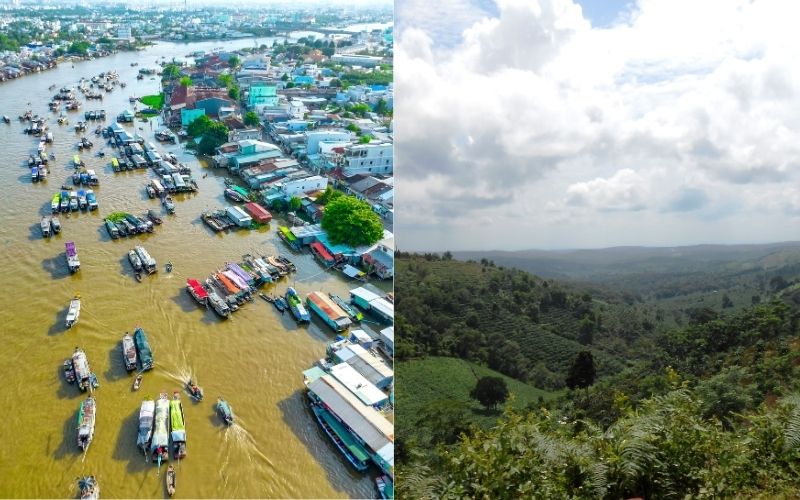
While Can Tho offers the quintessential image of a delta region nurtured by the Mekong River, Dak Lak captivates with its windswept highlands, natural lakes, and distinctive Central Highlands culture. In other words, choosing between a water market or a coffee plantation often boils down to choosing between Can Tho vs Dak Lak.
Climate & Best Time to Visit
Weather is one of the biggest differences between Can Tho vs Dak Lak. This directly impacts the travel experience, from outdoor activities to the ideal time to visit.
Can Tho Weather & Seasons
Can Tho has a tropical monsoon climate with two distinct seasons: the dry season from December to April and the rainy season from May to November. The average annual temperature remains around 27–28°C, with little variation between seasons, making it a year-round destination for visitors.

The dry season is considered the best time to explore Can Tho. It’s sunny, with low rainfall, and temperatures typically range from 25–35°C. This is also the peak season for activities such as visiting the floating market, cruising on the river, and exploring the orchards.
From May to November, Can Tho enters the rainy season with heavier rainfall, especially during August–October. However, rain usually occurs in the afternoon and rarely lasts all day.
Dak Lak Weather & Seasons
Compared to Can Tho, Dak Lak has a more pleasant climate thanks to its location on a plateau at an average altitude of about 400–800 m above sea level. The average annual temperature fluctuates around 23–24°C, about 4–5°C lower than Can Tho.
The dry season lasts from November to April, considered by many tourists to be the ideal time to explore the Central Highlands. Daytime temperatures usually range from 22–28°C, while evenings and early mornings can drop below 18°C, creating a relatively cool feeling compared to the southern provinces.
From May to October, Dak Lak enters the rainy season. This is also the time when waterfalls like Dray Nur and Dray Sap have the highest water flow and the most impressive scenery. However, some trekking routes or dirt roads leading to villages can be slippery after rain.

One of the most memorable experiences is the coffee harvest season, from around November to January. During this time, many farms around Buon Ma Thuot are covered with clusters of ripe red coffee berries, and the atmosphere of harvesting permeates the entire highland region.
Month-by-Month Comparison: When to Visit Each Destination
If the goal is to find the best time for your travel, January and February are usually the safest options, as both Can Tho vs Dak Lak are in their dry season. However, each place has its own signature points.
| Month | Can Tho | Dak Lak |
| January | Dry and sunny (25–30°C), ideal for river cruises and floating market visits | Dry season, pleasant weather, coffee harvest season still ongoing in some areas |
| February | Warm, low rainfall, excellent for outdoor activities | One of the best months for sightseeing and exploring the highlands |
| March | Sunny and dry, peak travel season | Dry weather, great for hiking, waterfalls, and coffee farm tours |
| April | Hotter temperatures but still mostly dry | End of the dry season, comfortable conditions for outdoor adventures |
| May | Beginning of the rainy season | Start of the rainy season |
| June | Frequent afternoon showers, lush countryside landscapes | Waterfalls become more impressive as rainfall increases |
| July | Rainy but still suitable for travel and food experiences | Green season with vibrant scenery across the highlands |
| August | Wettest period of the year, fewer tourists | Frequent rain, lush coffee plantations and forests |
| September | Beginning of the Mekong Delta flood season | Rainfall gradually decreases toward the end of the month |
| October | Peak flood season, unique river-life experiences | Transitional month with cooler and more comfortable weather |
| November | Rainfall decreases, travel conditions improve | Beginning of the dry season and coffee harvest period |
| December | One of the best months to visit, dry and comfortable | Cool, dry, and ideal for exploring nature and local culture |
If you’re planning a trip to Can Tho, the period from December to February is usually the safest choice. The weather is drier, the heat is less intense, and early-morning visits to the floating markets tend to be much more enjoyable.
Dak Lak follows a slightly different rhythm. The first few months of the year, from January to April, are generally the most comfortable for exploring waterfalls, coffee plantations, and national parks. For coffee enthusiasts, however, November through January can be especially rewarding. This is when the harvest season takes place, and it’s easier to see how one of Vietnam’s most important coffee-growing regions comes to life.
Top Attractions & Experiences
If you had to choose one reason to visit Can Tho vs Dak Lak, it would often be experiences you’d be hard to find elsewhere in Vietnam.
Can Tho Must-See: Cai Rang Floating Market
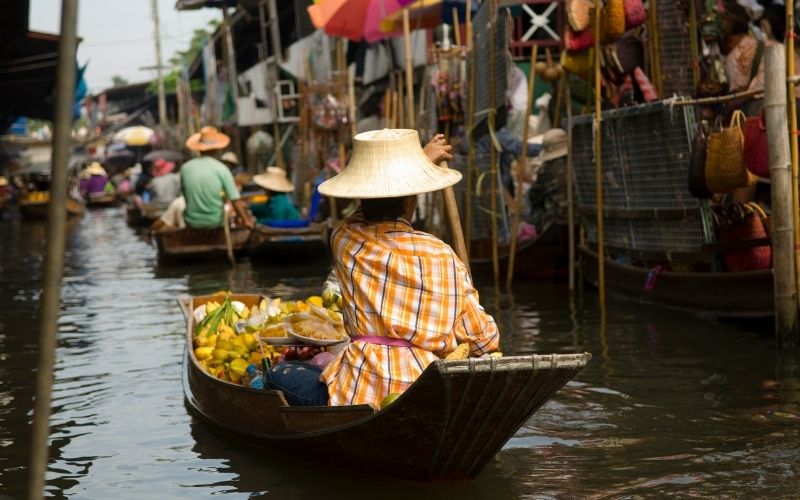
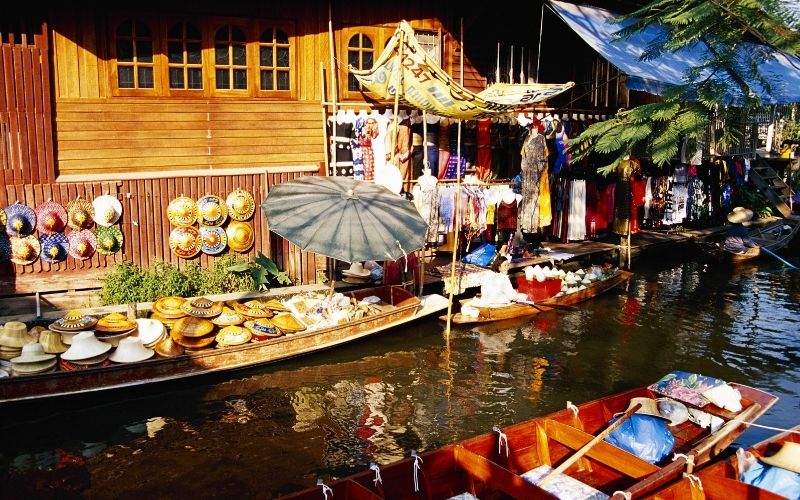
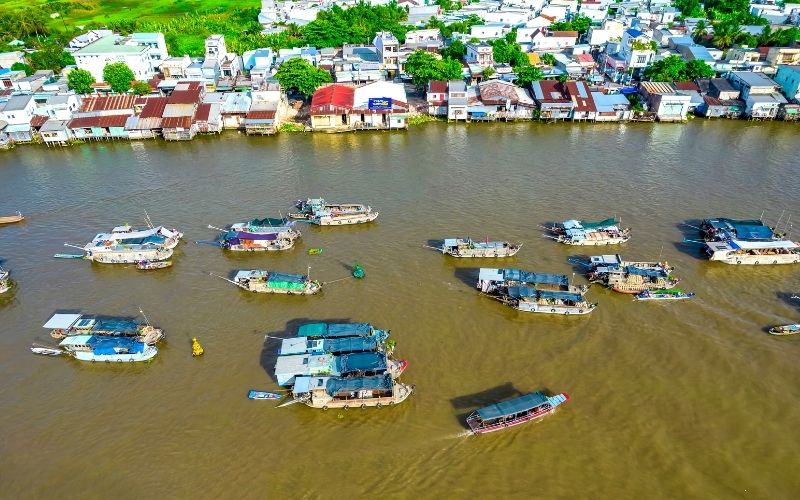
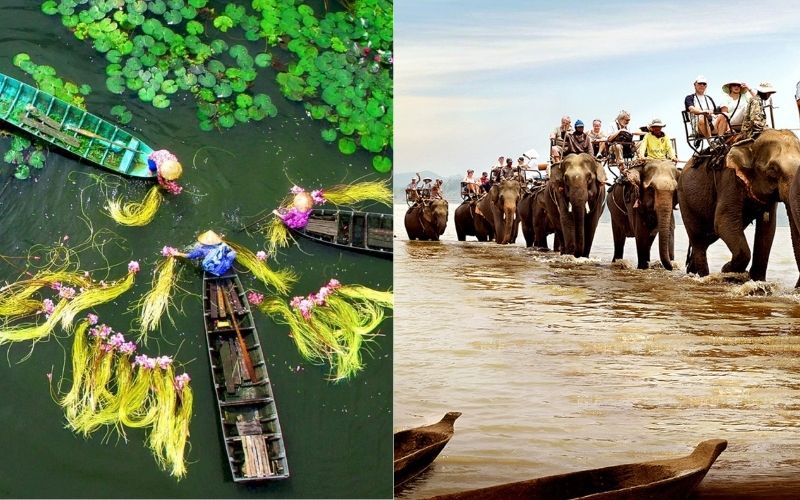
Among all the attractions in Can Tho, Cai Rang Floating Market remains the most talked-about. Located about 6 km from Ninh Kieu Wharf, this market is considered one of the largest and busiest floating markets in the Mekong Delta.
Trading usually starts very early. The busiest time is between 5:00 and 7:00 AM, when hundreds of boats gather on the river to exchange fruits, vegetables, and agricultural products. Many small boats also sell coffee, noodle soup, or vermicelli right on the water, creating a very characteristic experience of the Mekong Delta.
To visit the floating market, tourists usually depart from Ninh Kieu Wharf by boat or tourist vessel. The price for a group tour ranges from 100,000 to 150,000 VND per person, depending on the type of boat and the duration of the visit.
If this is your first time in Can Tho, I always recommend going before dawn. The sunrise over the river and the bustling trading atmosphere are what make Cai Rang Floating Market a tourism icon of the city.
Can Tho Must-See: Ninh Kieu Waterfront & River Life
Ninh Kieu Wharf is one of the easiest places to start. It sits along the Hau River in central Can Tho, the area has a riverside promenade stretching for roughly 2 kilometers, with cafés, restaurants, and plenty of spots to sit and watch life on the water.
There’s not necessarily a long list of attractions here, but many people very much like coming for a walk, grab a coffee, or spend some time by the river before heading elsewhere. If you’d like to get out on the water, short boat trips are available from the wharf and usually last around 45 minutes to an hour. Prices typically range between 80,000 and 120,000 VND per person.
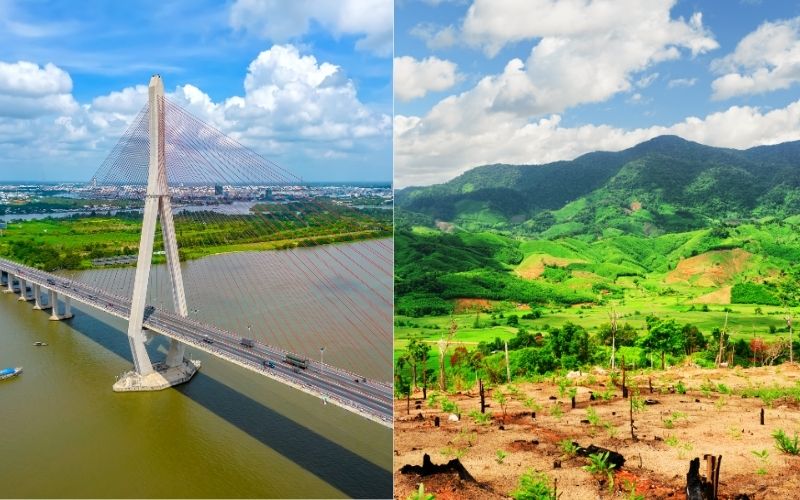
As night falls, the area around Ninh Kieu Wharf becomes more lively with a night market, food stalls, and street performances. From here, visitors can also admire the Can Tho Bridge, the famous cable-stayed bridge spanning the Hau Giang River and one of the modern symbols of the Mekong Delta.
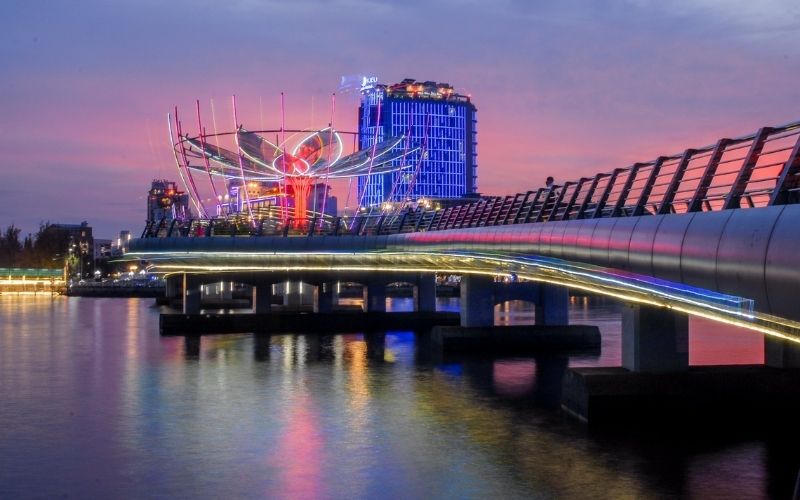
Can Tho Must-See: Orchid Island & Mekong Delta Villages
If you want to escape the city center, Orchid Island and the riverside villages are worthwhile options. Located about 10 km from the center of Can Tho, Orchid Island is famous for its sprawling orchid garden, showcasing hundreds of different orchid varieties and offering a tranquil green space.
A little further is Phong Dien, a popular area for tourists to explore rural life in the Mekong Delta. It takes about 30 minutes to travel from Ninh Kieu Wharf, or about 15-17 km.
Popular activities include cycling through the countryside, visiting fruit orchards, enjoying local specialties, and visiting traditional production facilities. Depending on the season, visitors can enjoy durian, rambutan, mango, or many other tropical fruits right in the orchards.
The cost for tours of the countryside or orchards is usually quite reasonable, typically ranging from 50,000 to 80,000 VND per person for basic sightseeing activities.
Dak Lak Must-See: Lak Lake & Elephant Trekking
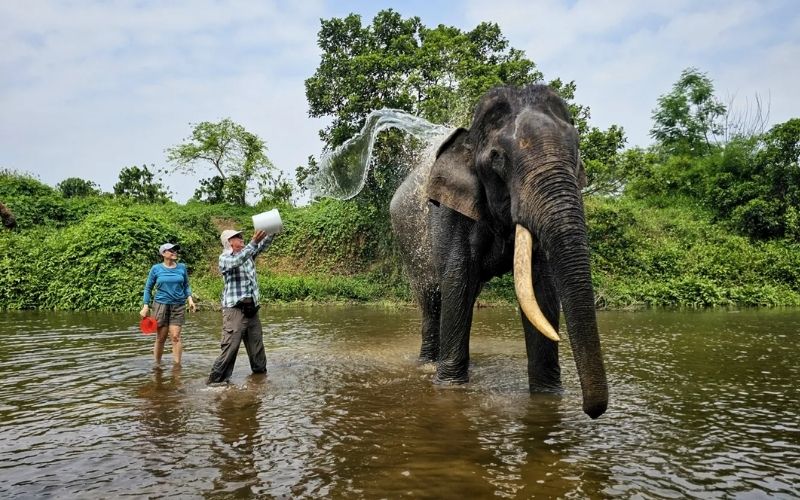
Some 45km south of Buon Ma Thuot, Lake Lak is one of the most beautiful and peaceful places in the Central Highlands. A natural freshwater lake of some 6.2 km² and with an altitude of more than 500m above sea level, it is renowned for its natural beauty as well as the traditional craft villages and cultural heritage that surround it.
In particular, many tourism models here have shifted towards responsible tourism, replacing elephant riding with observation programs or walking with elephants in a more natural environment, bringing tourists closer to this iconic animal of the Central Highlands while making sure of conservation.
In addition, there are other popular activities such as boating on the lake, watching the sunset, or cycling around the village, with boat rentals usually ranging from 50,000–70,000 VND/person, and local cultural experience tours typically costing from 100,000–150,000 VND/person depending on the program.
Dak Lak Must-See: Buon Ma Thuot Coffee Farms
Buon Ma Thuot is the place that best represents Vietnam’s coffee industry. There are now over 200,000 hectares of coffee plantations in Dak Lak, accounting for about 30-35% of the country’s total coffee production. Most of them are Robusta coffee, a variety that has helped Vietnam become one of the world’s largest coffee exporters.
Just 10-30 km from the center of Buon Ma Thuot, visitors will find coffee farms spread across the characteristic red basalt soil of the Central Highlands. Many farms are now open to visitors, offering activities like learning about cultivation processes, seasonal harvesting, roasting, and brewing coffee.
A visit to the coffee farms around Buon Ma Thuot is not just about tasting coffee. It’s more interesting when you actually see how different stages come together, from raw beans being sorted and roasted to the moment a cup is finally brewed in front of you. Some places also run small workshops where you can try different styles, from the stronger, more traditional Robusta to newer specialty blends that are slowly gaining attention in the region.
Most of these experiences are fairly easy on the wallet, usually around 50,000–100,000 VND per person, and in many cases the tasting is already included in the visit.

Dak Lak Must-See: Dray Nur & Dray Sap Waterfalls
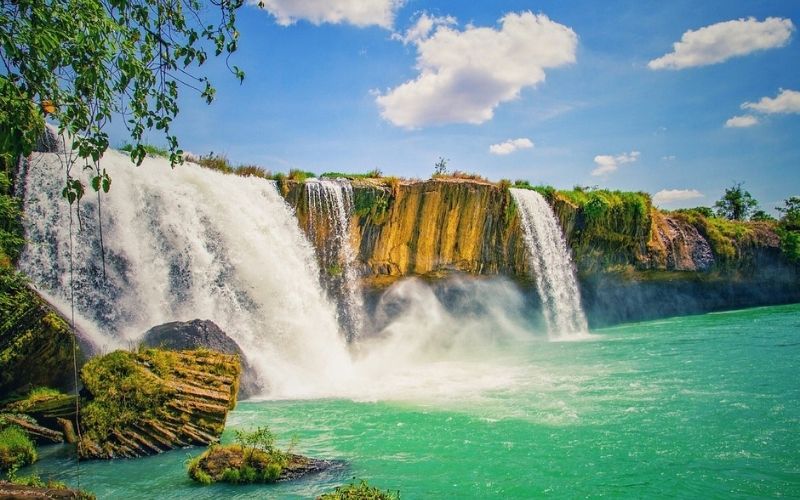
While Can Tho is famous for its tranquil rivers, Dak Lak impresses with its majestic waterfalls. Among them, Dray Nur and Dray Sap are the province’s two most famous waterfalls, both formed from the Serepok River.
Both are located about 15 km from Buon Ma Thuot, a 30-minute drive. Dray Nur is the larger waterfall, approximately 30 meters high and up to over 200 meters wide during the rainy season.
Dray Sap is smaller but has a more tranquil setting and is considered by many visitors to be more photogenic. The best time to visit is from June to October, when the large flow of water makes the waterfalls at their most spectacular. In the dry season, especially from late December to March, the water flow usually decreases significantly.
Visitors can also do short hikes around the waterfall, visit viewpoints, or relax in the natural forest. Entrance fees are generally around 30,000-50,000 VND per person depending on the area and season.
Food & Culinary Experiences
Cuisine is one of the most distinct differences between Can Tho vs Dak Lak. While Can Tho is known for dishes associated with rivers, freshwater fish, and tropical fruits, Dak Lak bears the strong imprint of the highlands with its coffee, bamboo-cooked rice, and traditional dishes of the Ede and M’Nong communities.
Can Tho Local Specialties You Must Try
One of the things that many tourists love about Can Tho is its delicious, readily available, and fairly affordable food. For only about 25,000–50,000 VND, you can enjoy many local specialties at local markets or casual eateries.
Some of the most famous dishes include the following:
- Can Tho noodle soup: A popular breakfast dish with a sweet and savory broth and many topping options.
- Western-style savory pancake: A larger version of savory pancakes from other regions, usually served with fresh vegetables and sweet and sour fish sauce.
- Fermented fish hotpot: A signature dish of the Mekong Delta with fish, shrimp, and various local vegetables.
- Grilled snakehead fish: A rustic grilled fish dish often found in Western-style meals.
- Grilled snails with green peppercorns: A dish many tourists seek out when visiting local seafood restaurants.

Besides its main dishes, Can Tho is also famous for its abundant fruit from orchards in the Mekong Delta region. Depending on the season, visitors can enjoy durian, rambutan, mangosteen, mango, or Ha Chau strawberries right in the orchard.
Dak Lak Local Specialties You Must Try
Dak Lak’s cuisine is somewhat different from that of the lowland provinces. Many dishes are influenced by the cultures of the Ede and M’Nong people while also utilizing ingredients from the forests and highlands.
The most recommended dishes include:
- Bamboo-cooked rice: Sticky rice baked in bamboo tubes, often served with grilled meat or sesame salt.
- Ban Don grilled chicken: One of Dak Lak’s most famous dishes.
- Sour leaf soup: A light sour soup often found in family meals.
- Central Highlands wild vegetables: A variety of seasonal vegetables prepared simply but richly flavored.
- Rice wine: A traditional drink often featured in festivals and community activities.
Of course, when you talk about Dak Lak, you have to talk about coffee. Buon Ma Thuot is the coffee capital of Vietnam, where visitors can enjoy many different brewing styles, from traditional filter coffee to modern specialty coffee. A quality cup of coffee will cost you between 30,000 – 50,000 VND in local cafes.

Street Food Culture: Can Tho vs Dak Lak
Although both boast appealing cuisines, the dining experiences in Can Tho vs Dak Lak are quite different:
| Aspect | Can Tho | Dak Lak |
| Main Setting | Riverside food stalls, floating markets, night markets | Local markets, coffee shops, village restaurants |
| Typical Price Range | 15,000–50,000 VND | 25,000–70,000 VND |
| Peak Dining Hours | 5–8 AM and 6–9 PM | 6–9 AM and 5–8 PM |
| Signature Experience | Eating on boats and exploring floating market cuisine | Enjoying coffee culture and ethnic minority dishes |
| Best Food Areas | Ninh Kieu area, local markets, riverside eateries | Buon Ma Thuot Market, village restaurants, coffee farms |
| Culinary Identity | River fish, tropical fruits, rice-based dishes | Grilled meats, bamboo-cooked rice, coffee-focused cuisine |
If food is one of your main reasons for traveling, Can Tho generally offers more variety and a stronger street food scene. Dak Lak, on the other hand, is a better choice for travelers interested in coffee culture and traditional highland cuisine that is harder to find elsewhere in Vietnam.
Accommodation Options
Both Can Tho vs Dak Lak offer a wide range of accommodation options to suit every budget, from budget hostels to luxury resorts.
Where to Stay in Can Tho (All Budgets)
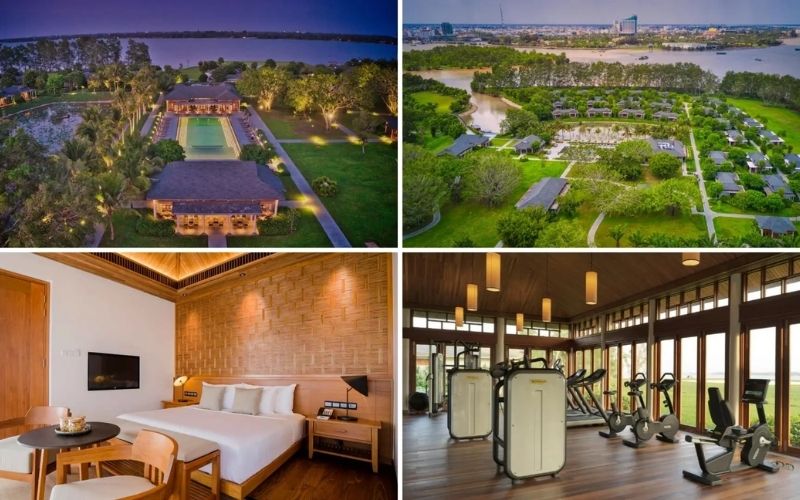
Most first-time visitors to Can Tho choose to stay around the Ninh Kieu Wharf area because it’s convenient for visiting the floating market, restaurants, and taking river tours.
| Budget Level | Typical Price | What to Expect |
| Budget | 100,000–250,000 VND/night | Hostels, guesthouses, dorm rooms near the city center |
| Mid-range | 350,000–800,000 VND/night | Comfortable hotels with private rooms and modern amenities |
| Luxury | 1,500,000 VND+/night | Riverside resorts, pools, gardens, and premium services |
If you want to explore Can Tho in the most convenient way, the area around Ninh Kieu is usually the best option. Meanwhile, riverside resorts are more suitable for travelers who want to enjoy the tranquil atmosphere of the Mekong Delta.
Where to Stay in Dak Lak (All Budgets)
In Dak Lak, most hotels are concentrated in the center of Buon Ma Thuot, while homestays and nature resorts are scattered around Lak Lake or the suburbs.
| Budget Level | Typical Price | What to Expect |
| Budget | 100,000–250,000 VND/night | Hostels, guesthouses, and budget hotels in Buon Ma Thuot |
| Mid-range | 350,000–900,000 VND/night | Comfortable city hotels and boutique accommodations |
| Luxury | 1,000,000 VND+/night | Upscale hotels, eco-resorts, and nature-focused retreats |
Buon Ma Thuot is a suitable choice if you want to explore local cafes, markets, and city attractions. Conversely, the Lak Lake area is more suitable for those who want to experience nature and local culture.

Unique Stay Experiences: Homestay vs Eco-Lodge
In Can Tho, homestays are often part of the experience itself. Many of them are set either among fruit orchards or along quiet canal networks, which makes it easy to imagine daily life in the Mekong Delta without going too far from your room. Prices are usually in the range of 250,000–500,000 VND/night, and it’s quite common for hosts to include small experiences like cycling through nearby villages, visiting orchards, or joining early morning trips to the floating market.
In Dak Lak, accommodation tends to feel more spread out and closely connected to the landscape itself. You’ll find homestays in local villages as well as eco-lodges set near lakes or coffee plantations, where the surroundings are often just as memorable as the stay. Prices are generally around 300,000–700,000 VND per night.
Some travelers choose this area not just for the scenery but for the chance to slow down a bit, whether that means spending time in a village setting or learning more about the culture of the Ede and M’Nong communities in a more natural, everyday context.
Getting There & Getting Around
One of the advantages of both Can Tho vs Dak Lak is their relatively convenient accessibility from major Vietnamese cities. However, the appropriate mode of transportation will vary depending on your destination and the time you have available for your trip.
How to Get to Can Tho from Major Cities
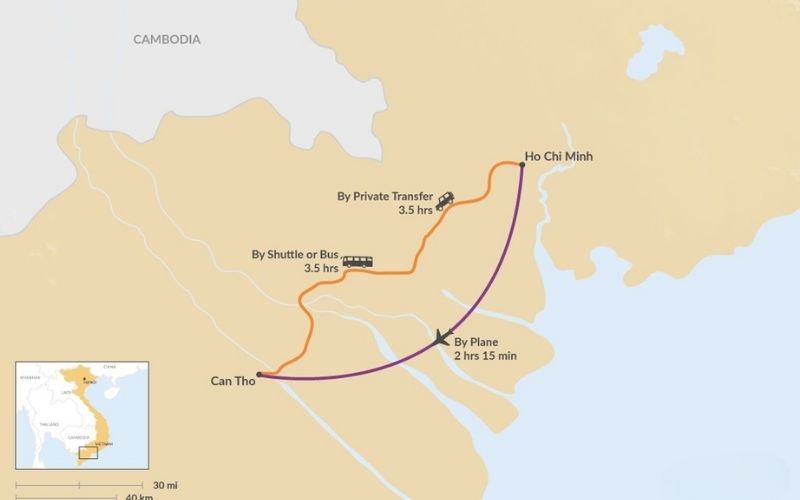
Can Tho is the largest transportation hub in the Mekong Delta and is now easily accessible by both road and air. From Ho Chi Minh City, the distance to Can Tho is approximately 165–170 km by road. Thanks to the expressway connecting the Mekong Delta, travel time is now only about 3–4 hours by bus or private car.
| Departure City | Distance | Travel Time | Recommended Transport |
| Ho Chi Minh City | 165–170 km | 3–4 hours | Bus, limousine, private car |
| Da Nang | ~950 km | 1.5-hour flight or long-distance bus | Flight |
| Hanoi | ~1,850 km | 2-hour flight | Flight |
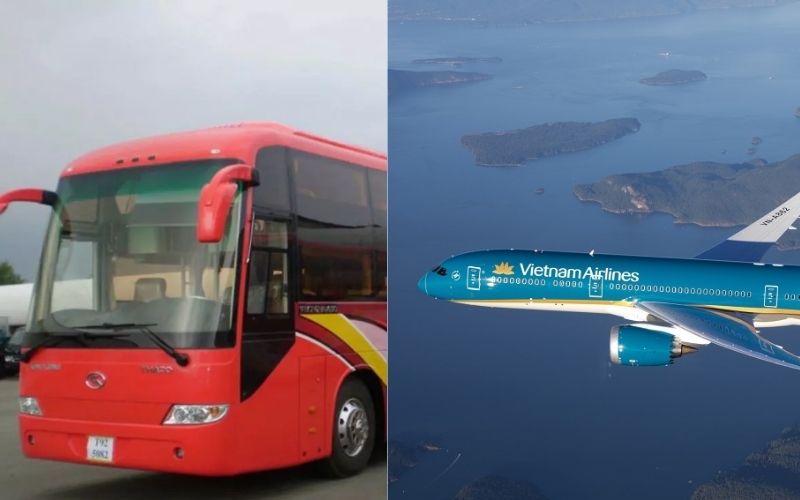
Coach buses remain the most popular option for domestic travelers. Companies like Futa Bus Lines (Phuong Trang) offer many daily trips with prices typically ranging from 180,000 – 300,000 VND per person, depending on the type of bus and booking time.
For international travelers or those wishing to save time, flying directly to Can Tho International Airport is often the most convenient option if a flight is available that fits their schedule.
How to Get to Dak Lak from Major Cities
Dak Lak is located in the Central Highlands, making it considerably further from Can Tho. However, the current transportation system makes it relatively easy to access. The distance from Ho Chi Minh City to Buon Ma Thuot is approximately 330–350 km. Bus travel typically takes 6–8 hours, while flights only take about an hour.
| Departure City | Distance | Travel Time | Recommended Transport |
| Ho Chi Minh City | 330–350 km | 6–8 hours by bus or 1-hour flight | Flight or bus |
| Da Nang | ~530 km | 1-hour flight or 10–11 hours by bus | Flight |
| Hanoi | ~1,300 km | 1.5–2 hours by flight | Flight |
Buon Ma Thuot Airport is located approximately 8–10 km from the city center, equivalent to a 15–20 minute taxi ride. Taxi fares typically range from 100,000–150,000 VND depending on the destination.
Local Transportation Inside Each City
Once you arrive, getting around Can Tho vs Dak Lak is relatively easy thanks to the taxi system, ride-hailing services, and motorbike rental services.
| Transport Type | Can Tho | Dak Lak |
| Taxi | Available citywide | Available citywide |
| Grab | Widely available | Available in Buon Ma Thuot |
| Motorbike Rental | 100,000–150,000 VND/day | 120,000–180,000 VND/day |
| Boat Tours | 80,000–150,000 VND/person | Not applicable |
| Car Rental | Available with driver | Popular for waterfall and lake trips |
Getting around in Can Tho is very much tied to the water. Boats are almost essential if you want to reach places like Cai Rang Floating Market or explore the smaller canals that make up the Mekong Delta’s landscape. In Dak Lak, the pace is completely different, most visitors rely on motorbikes to reach coffee plantations, Lak Lake, or the waterfalls scattered outside Buon Ma Thuot.
For those who prefer not to drive, taxis and Grab are available in both destinations and are often the easiest option, especially if it’s your first time navigating these areas in Vietnam.

Activities & Things to Do
When comparing Can Tho vs Dak Lak, the differences lie not only in the scenery but also in the unique travel experiences each place offers.
Outdoor & Adventure Activities in Can Tho
Outdoor activities in Can Tho are mainly centered around the river system and rural villages of the Mekong Delta. The most popular experience is taking a boat tour to explore Cai Rang floating market early in the morning. Boats usually depart from Ninh Kieu Wharf around 5:00–7:00 AM, the busiest time of day for the market. The price for a group tour ranges from 100,000–150,000 VND per person.
Besides the floating market, many tourists choose to cycle through the villages of Phong Dien or the riverside areas. Flat routes of about 3–10 km take visitors through orchards, canals, and local residential areas. The cost of renting a bicycle or a cycling tour is usually 50,000–100,000 VND per person.
Another popular activity is visiting orchards. Depending on the season, visitors can enjoy durian, rambutan, mangosteen, or mangoes right in the orchards. Tours typically last 2–3 hours and may include experiences such as canoeing or fishing on the river.
Outdoor & Adventure Activities in Dak Lak
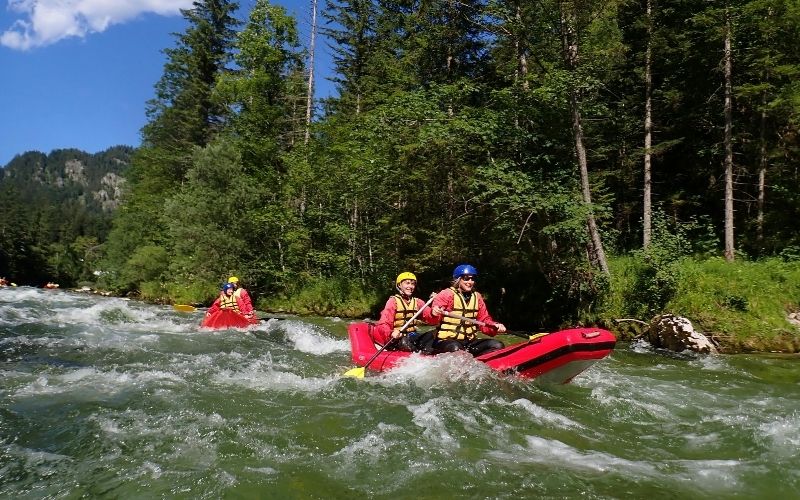
Dak Lak feels more open if you’re someone who prefers spending time outdoors rather than staying within city limits. Around Lak Lake, most activities are tied to the natural surroundings, and many tours now focus on observing elephants in a more respectful way, with walking experiences replacing traditional riding.
Not far from Buon Ma Thuot, the coffee plantations are another highlight. These visits are usually quite relaxed, you walk through the fields, see how coffee is grown, and sometimes get to follow the process all the way to roasting or brewing a fresh cup on site. It’s less about a structured tour and more about seeing how everyday agriculture actually works in this region.
For nature lovers, the Dray Nur and Dray Sap areas boast many short hiking trails leading to scenic viewpoints around waterfalls. Additionally, cycling routes through coffee plantations and the low hills of the Central Highlands are increasingly popular with international tourists.
Cultural Experiences Unique to Each Destination
What really sets Can Tho and Dak Lak apart is the atmosphere you feel when you arrive. In Can Tho, everything seems to revolve around the river. Life moves along the waterways, from early morning trading at floating markets to small workshops where people still make traditional cakes the old way. You’ll also come across craft villages and local production spots that quietly keep Mekong Delta traditions alive, often without much formality or display.
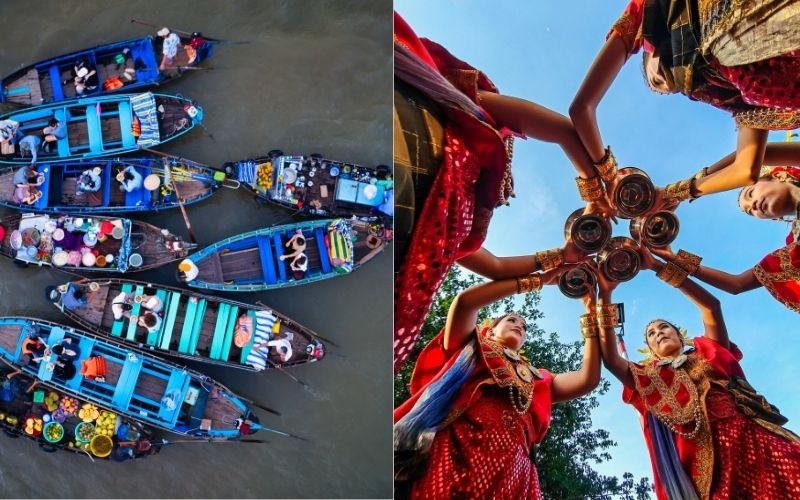
Dak Lak feels different almost immediately. The Central Highlands influence is stronger here, especially in the villages of the Ede and M’Nong people, where longhouses, communal spaces, and gong performances are still part of everyday life rather than staged experiences. Around Buon Ma Thuot, coffee culture also shows up in a more hands-on way, with workshops that reflect how central coffee is to the region’s identity.
Day Trip Options from Can Tho
Can Tho is a convenient starting point for exploring many other notable destinations in the Mekong Delta.
| Destination | Distance from Can Tho | Highlights |
| Phong Dien Floating Market | 15–17 km | Smaller and more local than Cai Rang |
| Orchid Garden (Trung An area) | ~10 km | Orchid collections and garden landscapes |
| Binh Thuy Ancient House | ~8 km | French-colonial architecture and local history |
| Fruit Garden Areas | 10–20 km | Seasonal fruit tasting and village experiences |
Among these options, Phong Dien is often recommended for travelers seeking a quieter and more authentic floating market experience than Cai Rang.
Day Trip Options from Dak Lak
Most of Dak Lak’s top attractions can be visited as day trips from Buon Ma Thuot.
| Destination | Distance from Buon Ma Thuot | Highlights |
| Lak Lake | ~45 km | Lake scenery, M’Nong villages, cultural experiences |
| Dray Nur & Dray Sap Waterfalls | ~15 km | Waterfalls, hiking trails, forest landscapes |
| Coffee Farms | 10–30 km | Coffee tours, tasting sessions, brewing workshops |
| Traditional Highland Villages | 20–40 km | Local culture, architecture, and community life |
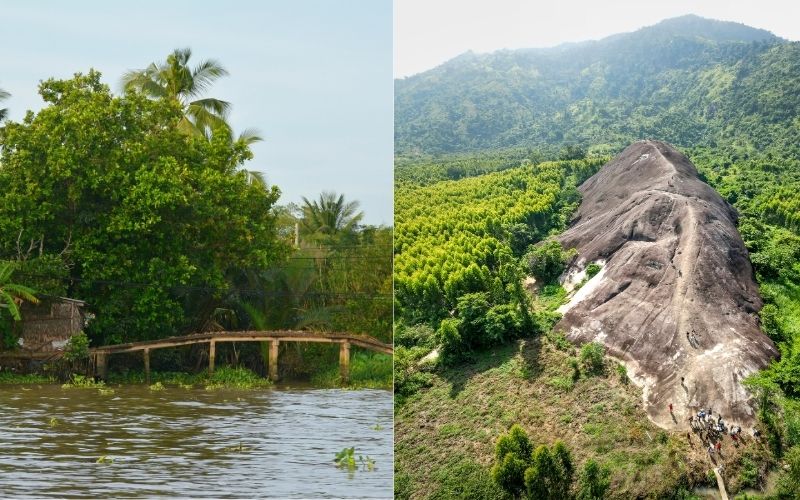
If you only have one day in Dak Lak, the combination of Lak Lake and a nearby M’Nong village usually offers the most complete introduction to the region’s natural beauty and cultural heritage. Meanwhile, coffee enthusiasts will likely find a dedicated coffee farm tour around Buon Ma Thuot to be the most rewarding experience.
Travel Budget Comparison
Overall, both Can Tho vs Dak Lak are significantly cheaper than popular tourist destinations like Da Nang, Nha Trang, or Phu Quoc. However, costs vary considerably within each location.
Average Daily Cost in Can Tho
Can Tho is one of the most affordable tourist cities in Southern Vietnam. With a budget of around 500,000–700,000 VND per day, visitors can experience most of the city’s highlights.
| Expense Category | Typical Cost |
| Budget Accommodation | 100,000–250,000 VND/night |
| Food & Drinks | 100,000–200,000 VND/day |
| Activities & Attractions | 150,000–300,000 VND/day |
| Local Transportation | 50,000–100,000 VND/day |
| Total Budget Travel Cost | 500,000–700,000 VND/day |
Local dishes like noodle soup, savory pancakes, or food at the night market are usually quite affordable, ranging from 25,000 to 60,000 VND per serving. Meanwhile, popular activities such as visiting Cai Rang floating market or taking a garden tour are also relatively inexpensive.
For tourists who want to stay in better quality hotels and use more services, the average budget is usually around 800,000–1,500,000 VND/day. Riverside resorts or high-end hotels can push the total cost up to 2,000,000 VND/day or more.
Average Daily Cost in Dak Lak
Dak Lak remains a relatively budget-friendly destination compared to the general price level in Vietnam, but the cost is usually slightly higher than Can Tho if you participate in more experiential activities.
| Expense Category | Typical Cost |
| Budget Accommodation | 100,000–250,000 VND/night |
| Food & Drinks | 120,000–250,000 VND/day |
| Activities & Attractions | 200,000–400,000 VND/day |
| Local Transportation | 80,000–150,000 VND/day |
| Total Budget Travel Cost | 500,000–900,000 VND/day |
Food costs in Buon Ma Thuot are generally quite reasonable, but activities such as coffee tours, visiting Lak Lake, or renting a vehicle to go to the waterfall often increase the overall budget.
If you choose 3-4 star hotels or eco-lodges near the lake and coffee farms, the average budget usually ranges from 900,000 to 1,700,000 VND per day. For high-end hotels with private services, the cost can exceed 2,500,000 VND per day.
Budget, Mid-Range & Luxury Breakdown for Each
To make it easier to visualize, the table below compares the average costs for different travel styles between Can Tho vs Dak Lak.
| Travel Style | Can Tho | Dak Lak | Difference |
| Budget | 500,000–700,000 VND/day | 500,000–900,000 VND/day | Similar overall cost |
| Mid-Range | 800,000–1,500,000 VND/day | 900,000–1,700,000 VND/day | Dak Lak is slightly more expensive |
| Luxury | 2,000,000+ VND/day | 2,500,000+ VND/day | Dak Lak tends to cost more for premium experiences |
| Main Cost Driver | Floating market tours, riverside stays | Coffee tours, lake excursions, waterfall trips | Different activity focus |
| Best Value For | Mekong Delta culture and food | Nature, coffee culture, and outdoor adventures | Depends on travel interests |
Overall, Can Tho is usually the more budget-friendly destination, especially for food and transportation. Dak Lak remains affordable by Vietnamese standards, but travelers often spend slightly more on outdoor activities, coffee experiences, and transportation between attractions.
Which Destination Is Right for You?
Is Can Tho or Dak Lak a better fit for your travel style? The answer depends on what you want to experience on your trip to Vietnam.
Best for First-Time Vietnam Travelers
For many travelers, Can Tho is one of the easier places to add to a Vietnam itinerary. The city is only around 3–4 hours from Ho Chi Minh City by road, whereas reaching Dak Lak often means a longer 6–8 hour journey or an additional domestic flight.
Once you’re there, getting around is fairly straightforward. Most attractions are within a reasonable distance of each other, the terrain is flat, and you don’t need to spend much time figuring out transport between sights.
What also draws many first-time visitors to Can Tho is the chance to experience everyday life in the Mekong Delta. Early-morning floating markets, fruit orchards, and riverside communities offer a glimpse of a different side of the country, often at a slower pace than what you’ll find in Vietnam’s larger cities.

Best for Nature & Adventure Seekers
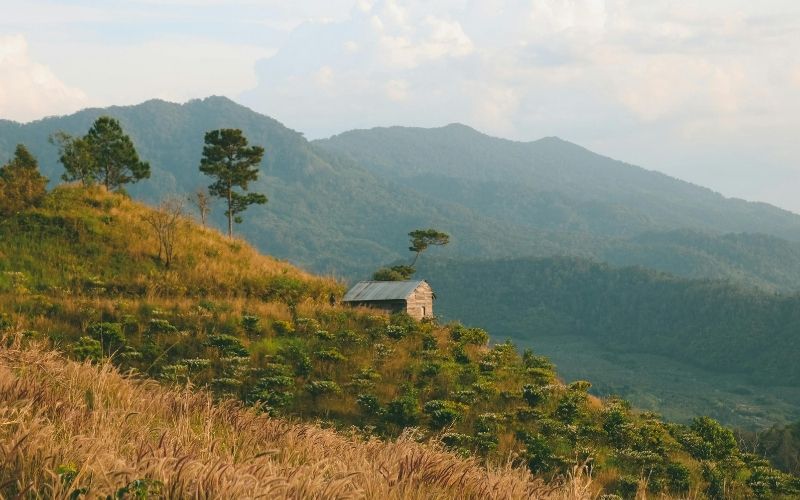
The scenery in Dak Lak changes quickly once you get outside the main towns. Coffee plantations, lakes, waterfalls, and stretches of highland landscape replace the canals and rivers that are so closely associated with Can Tho. Much of the province sits at elevations of around 400–800 meters, giving it a very different feel from the Mekong Delta.
Lak Lake and Dray Nur Waterfall are among the places most visitors head to first, while the coffee-growing areas around Buon Ma Thuot are popular for cycling, trekking, and exploring the countryside. Traditional villages and Central Highlands culture are also part of what makes the region memorable.
Best for Families with Kids
Many families find Can Tho easier to explore with young children. Most activities move at a relaxed pace, whether it’s a boat trip along the river, a visit to a fruit orchard, a bike ride through the countryside, or an early-morning trip to the floating market. Attractions are generally located within a reasonable distance of one another, which means less time spent traveling between stops.
The weather is another advantage. Temperatures stay fairly consistent throughout the year, averaging around 27°C, so families can spend more time outdoors without having to plan around major seasonal changes.
Best for Solo Travelers
Both Can Tho vs Dak Lak are destinations friendly to solo travelers, but each suits a different type of solo traveler. In Can Tho, it’s easy to fill a few days without planning too much. The city is compact, getting around is straightforward, and there are plenty of day tours if you feel like joining other travelers for a floating market visit or a trip into the countryside.

Dak Lak tends to be a bit more independent. Renting a motorbike is common, and much of the experience comes from moving between coffee plantations, lakes, and waterfalls at your own pace rather than following a fixed itinerary.
Best for Couples & Honeymoon
For couples, Dak Lak often offers a more romantic atmosphere. Sunset views over Lak Lake, tranquil coffee plantations, or eco-lodges nestled in nature create a private experience hard to find in big cities. The cooler temperatures compared to the Mekong Delta also make Dak Lak a pleasant choice for romantic getaways for two. Can Tho still has its own charm with river cruises or riverside resorts, but overall, the romantic atmosphere is not as diverse as Dak Lak.
Best for Coffee & Food Lovers
This is a rare category where both destinations have their own strengths. Dak Lak is the coffee capital of Vietnam, with the largest coffee-growing area in the country. If you want to learn about Robusta coffee, participate in a brewing workshop, or explore the coffee culture of the Central Highlands, Dak Lak is almost unrivaled. Meanwhile, Can Tho stands out for its culinary diversity. From street food and Mekong Delta specialties to seasonal fruits, the dining options in Can Tho are significantly more varied than in Dak Lak.
Can You Visit Both Can Tho & Dak Lak in One Trip?
Absolutely. In fact, combining Can Tho vs Dak Lak in the same trip is an exciting way to experience two completely different landscapes of Southern Vietnam.
5-Day Itinerary: Can Tho + Dak Lak Combined
Five days isn’t a long time, but it’s enough to get a feel for both the Mekong Delta and the Central Highlands.
Day 1: Explore Can Tho’s Riverside Life
After arriving in Can Tho, check in and spend the rest of the day around Ninh Kieu Wharf. This part of the city is where many visitors get their first impression of Can Tho, with views over the Hau River, local food stalls, cafés, and a busy waterfront that stays active into the evening. The nearby night market is also worth a look if you want to try regional dishes from the Mekong Delta.
Day 2: Cai Rang Floating Market & Mekong Villages
An early start is almost essential for Cai Rang Floating Market, as most of the trading activity takes place between 5:00 and 7:00 AM. After breakfast on the river, continue towards Phong Dien, where orchards, canals, and small villages offer a quieter side of the Mekong Delta. The afternoon can be spent exploring local garden areas or cycling along rural roads that run beside the waterways.
Day 3: Travel to Dak Lak
Spend most of the day traveling from Can Tho to Dak Lak. The most convenient way is to return to Ho Chi Minh City and then fly to Buon Ma Thuot. If traveling entirely by road, the journey can take from 10 to 14 hours depending on the connecting flight schedule.
Day 4: Lak Lake & M’Nong Culture
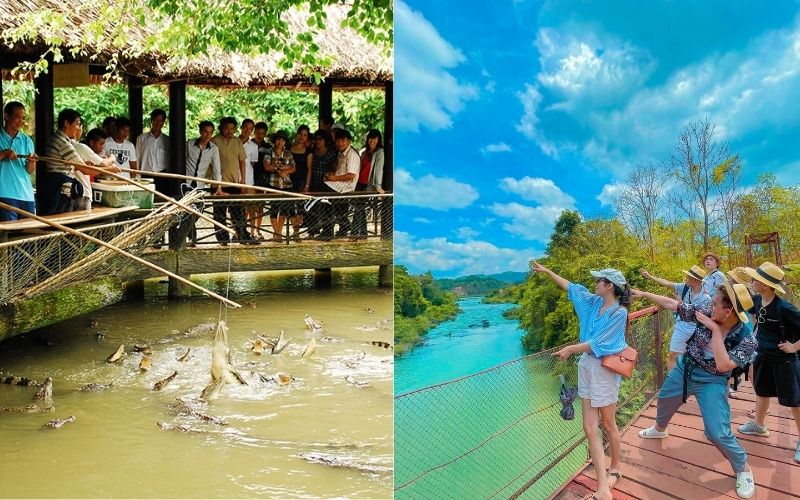
Set aside the day for Lak Lake, the largest natural lake in the Central Highlands. The area is home to several M’Nong communities, where traditional longhouses remain part of the local landscape. If you’re still around in the late afternoon, the lake is usually at its most beautiful as the light begins to change before sunset.
Day 5: Coffee Farms & Waterfalls
Spend the morning around the coffee-growing areas of Buon Ma Thuot, where many farms offer a closer look at how Vietnam’s Robusta coffee is cultivated and processed. In the afternoon, make your way to Dray Nur Waterfall before wrapping up the trip. For most travelers, a 5-day itinerary like this typically costs around 3–5 million VND per person, excluding domestic flights.
7-Day Deep Dive Itinerary
If you have a week, you’ll have plenty of time to explore both Can Tho vs Dak Lak in greater depth instead of just visiting the most famous spots.
Day 1: Arrive in Can Tho & Experience the Riverside Atmosphere
After arriving in Can Tho, spend a relaxing day getting acquainted with the city. A stroll along Ninh Kieu Wharf, observing life on the Hau River, and enjoying local cuisine is the best way to start your journey. In the evening, the riverside area becomes more vibrant with cafes, eateries, and river cruises.
Day 2: Cai Rang Floating Market & Local River Culture
Wake up early before dawn to visit Cai Rang Floating Market, when the boats are most numerous. Instead of just visiting the market and returning, spend more time exploring the smaller canals, visiting noodle factories, or enjoying breakfast right on a boat. In the afternoon, you can visit traditional craft villages or discover lesser-known riverside routes.
Day 3: Countryside & Fruit Garden Experience
The third day should be dedicated to the Phong Dien area and the surrounding countryside of Can Tho. This is an opportunity to cycle through small roads amidst orchards, meet locals, and learn more about the agriculture that has made the Mekong Delta famous. If you go during the right season, you can enjoy durian, rambutan, or mangosteen right from the orchards instead of buying them at markets or supermarkets.
Day 4: Travel to Dak Lak & Discover Buon Ma Thuot
After three days in the Mekong Delta, the journey shifts to a completely different setting. From Can Tho, you can return to Ho Chi Minh City and then continue to Buon Ma Thuot by plane or bus.
Evenings in Buon Ma Thuot aren’t overly lively, but they’re perfect for exploring the local coffee culture. Instead of seeking out large coffee chains, try local roasters to better understand why this place is considered the coffee capital of Vietnam.

Day 5: Lak Lake & M’Nong Village
Dedicate a full day to Lak Lake, the largest natural lake in the Central Highlands. Besides sightseeing, it’s also a great place to learn about M’Nong culture through their longhouse architecture, community life, and stories associated with Lak Lake. If you have time, stay until the end of the day to watch the sunset over the lake, one of the most beautiful moments of the trip.
Day 6: Coffee Farms & Buon Ma Thuot Coffee Culture
Day six should be dedicated to coffee. Instead of just visiting a famous coffee shop, join a farm tour to understand the entire journey from coffee plant to finished cup.
Buon Ma Thuot boasts the largest coffee-growing area in Vietnam, primarily Robusta. Depending on the time of year, you can observe coffee cultivation, harvesting, or processing activities. This is often one of the most highly rated experiences by international tourists visiting Dak Lak.
Day 7: Dray Nur Waterfall & Farewell to the Highlands
Before leaving Dak Lak, spend the morning exploring Dray Nur Waterfall and, if time permits, continue on to Dray Sap Waterfall, located not far away. The rainy season, from June to October, is when the waterfalls are at their most beautiful, but the area is still worth visiting year-round thanks to its forest scenery and the Serepok River.

Practical Tips for Combining Both Destinations
December to April is generally the easiest time to combine Can Tho and Dak Lak in a single trip. Both destinations are in their drier months, so getting around and spending time outdoors is usually more straightforward.
One thing to keep in mind is transportation. There are still limited direct connections between Can Tho and Buon Ma Thuot, so most travelers pass through Ho Chi Minh City before continuing by bus or plane. If you’re short on time, flying from Ho Chi Minh City to Buon Ma Thuot can make the journey much quicker.
Packing for the two destinations is fairly simple. Lightweight clothing works well in Can Tho, where temperatures stay around 27°C for most of the year. Dak Lak is a little different. Between November and February, evenings and early mornings can feel surprisingly cool, so a light jacket is worth bringing.
As for trip length, three days in Can Tho and four days in Dak Lak is usually enough for a first visit. That gives you time to experience both the Mekong Delta and the Central Highlands without spending most of the trip in transit.

Frequently Asked Questions (FAQ)
Still unsure whether Can Tho or Dak Lak is the better choice? These frequently asked questions address the most important considerations:
Is Can Tho or Dak Lak Better for a Weekend Trip?
For a short weekend trip, Can Tho is usually the easier option. The city is only a few hours from Ho Chi Minh City, and attractions such as Cai Rang Floating Market, Ninh Kieu Wharf, and the surrounding fruit-growing areas can comfortably fit into a 2–3 day itinerary. Dak Lak is often better saved for a longer trip, as reaching places like Lak Lake, Dray Nur Waterfall, and the coffee-growing areas around Buon Ma Thuot takes more time.
What Is Can Tho Most Famous For?
Can Tho is best known for Cai Rang Floating Market, one of the largest and most famous floating markets in the Mekong Delta. The city is also known for its river-based lifestyle, fruit gardens, and Ninh Kieu Wharf along the Hau River.
What Is Dak Lak Most Famous For?
Dak Lak is most famous as the coffee capital of Vietnam. The province produces a significant share of the country’s coffee and is also known for Lak Lake, Dray Nur Waterfall, and the unique cultural heritage of the Central Highlands.
Is Dak Lak Safe for Solo Female Travelers?
Yes. Dak Lak is generally considered safe for solo female travelers. Buon Ma Thuot has a relaxed atmosphere, and most tourist areas are safe during the day. As with any destination, it is advisable to use reputable transportation services and avoid isolated areas late at night.
How Many Days Do You Need in Can Tho?
If you’re planning a trip to Can Tho, 2-3 days usually feels about right. You’ll have enough time to catch the early-morning buzz of Cai Rang Floating Market, wander through fruit orchards and riverside villages, and slow down to enjoy the food and rhythm of life in the Mekong Delta.
How Many Days Do You Need in Dak Lak?
A 3-4 day itinerary works well for most travelers visiting Dak Lak. With that amount of time, you can comfortably explore Lak Lake, visit coffee farms, discover some of the province’s most impressive waterfalls, and learn more about the culture of Vietnam’s Central Highlands.
Which Destination Has Better Food — Can Tho or Dak Lak?
Can Tho is usually the better destination for food lovers. The city offers a wider variety of local dishes, fresh tropical fruits, and street food experiences. Dak Lak has unique regional specialties, but its culinary scene is more focused on coffee culture and highland cuisine.
What Is the Best Month to Visit Can Tho and Dak Lak?
January and February are generally the best months to visit both destinations. During this period, Can Tho vs Dak Lak are in the dry season, temperatures are comfortable, and conditions are ideal for sightseeing, outdoor activities, and interregional travel.
When comparing Can Tho vs Dak Lak, neither destination is absolutely better than the other. If your schedule allows, combining both destinations into one trip will provide one of the most diverse travel experiences in Southern Vietnam.
Planning a multi-destination Vietnam itinerary can sometimes be challenging, especially when coordinating transportation, accommodation, local experiences, and travel timing. If you’d like expert help organizing your trip, Lily’s Travel can assist with customized Vietnam itineraries. Lily’s Travel can help you build a Vietnam itinerary that connects Ho Chi Minh City, Can Tho and Dak Lak without the stress of planning everything yourself.