



Hanoi’s weather varies by season, bringing sweltering summer days, cool winters, and periods of mild weather in between. Autumn is generally the ideal time to explore the city, whereas a summer visit requires preparing for the heat and rain. Read on to learn more about Hanoi’s weather and the best time to visit so you can plan the perfect trip.

Hanoi Weather by Month: Temperature, Rain & Humidity at a Glance
Hanoi experiences four distinct seasons, with monthly average temperatures ranging from around 17°C in January to 30°C in June. Rainfall increases sharply from May, peaks in August, and drops through autumn. Winter is cooler and relatively dry, while summer is hot, humid, and rainy. These monthly averages help you choose when to visit and prepare for the conditions you’ll encounter.
| Month | Average temperature | Average rainfall | Typical weather & travel tips |
| January | 16.9°C (62°F) | 48 mm | Cool, cloudy, and sometimes damp. Pack a warm jacket for sightseeing. |
| February | 18.5°C (65°F) | 35 mm | Cool and humid, with occasional drizzle. Bring layers and comfortable shoes. |
| March | 21.1°C (70°F) | 62 mm | Mild and increasingly warm, but damp days are common. Keep an umbrella handy. |
| April | 25.0°C (77°F) | 111 mm | Warmer, with rising rainfall. A good time for outdoor activities before summer heat intensifies. |
| May | 28.0°C (82°F) | 234 mm | Hot and humid, with frequent showers. Plan longer walks in the morning. |
| June | 29.8°C (86°F) | 232 mm | The warmest month by average temperature, with high humidity and heavy showers. Schedule breaks indoors. |
| July | 29.5°C (85°F) | 267 mm | Hot, humid, and rainy. Allow extra time for travel during downpours. |
| August | 28.8°C (84°F) | 320 mm | The wettest month, with frequent rain and thunderstorms. Keep outdoor plans flexible. |
| September | 27.7°C (82°F) | 231 mm | Still warm and rainy, but temperatures begin to ease. Check the forecast before day trips. |
| October | 25.4°C (78°F) | 127 mm | More comfortable for walking as temperatures fall and rainfall decreases. |
| November | 22.0°C (72°F) | 60 mm | Mild and relatively dry. A good month for exploring the Old Quarter and enjoying outdoor cafés. |
| December | 18.1°C (65°F) | 38 mm | Cool, with cloudy or damp days. Bring a jacket and clothes you can layer. |
The table provides a month-by-month overview of Hanoi’s typical weather conditions to help you plan your trip.
Hanoi’s 4 Seasons Explained (And What Each One Feels Like)
Hanoi’s weather can influence how you plan your trip, especially if you want to explore the city on foot. Spring and autumn are generally more comfortable for sightseeing, while summer brings heat and frequent rain, and winter can be colder than many visitors expect. The key is to understand what each season means for your itinerary, rather than choosing your travel dates based on temperature alone.

Spring in Hanoi: Mild Days, Humidity and Drizzle
Spring is a transitional period in Hanoi, and the weather can be less predictable than visitors expect. February and March may bring cool, damp days and light drizzle, so even when temperatures are not particularly low, spending several hours outdoors can feel uncomfortable.
If you’re visiting during this period, pack a light jacket and an umbrella rather than bulky winter clothing. Spring is still suitable for exploring the Old Quarter, visiting cultural attractions, and enjoying Hanoi’s cafés. You should leave room to move outdoor activities around if the weather turns wet.
Summer in Hanoi: Heat, Humidity, and Sudden Showers
Summer requires more planning if your trip involves a lot of walking. High temperatures and humidity can make sightseeing tiring, particularly around midday, while heavy showers may interrupt outdoor activities.
You should avoid packing too many outdoor stops into the middle of the day. Start with places you want to see outdoors, take a break during the hottest hours, and continue later when conditions are more comfortable. Lightweight clothing, drinking water, and rain protection are useful, but timing your activities well will make a bigger difference to your overall experience.
Autumn in Hanoi: Comfortable Weather for Exploring the City
Autumn is often a good choice for travelers who want to experience Hanoi on foot. As the summer heat eases, walking around the Old Quarter, exploring the streets near Hoan Kiem Lake, and stopping at local food stalls can become more comfortable.
October and November are worth considering if your dates are flexible. However, don’t plan your entire trip around the expectation of perfect weather. Conditions can still change, so keep your schedule flexible and bring a light layer for cooler mornings or evenings.
Winter in Hanoi: Cold Spells, Damp Air and Layering
Winter is the season that often catches visitors to northern Vietnam by surprise. Hanoi does not stay warm throughout the year, and cold spells can make outdoor sightseeing uncomfortable, particularly for travelers accustomed to tropical weather.
When packing, think in layers rather than bringing only lightweight clothes or one heavy coat. This gives you more flexibility as temperatures change during the day. If you’re planning to spend time outdoors in the morning or evening, check the forecast close to your departure date and pack accordingly. Winter can still be a good time to explore Hanoi, provided you’re prepared for the cold.
Best Time to Visit Hanoi Based on What You Want to Do
October and November are often good months to visit Hanoi, especially if you want to explore the city on foot. However, the best time depends on your priorities.
Best Time for Walking Around the Old Quarter
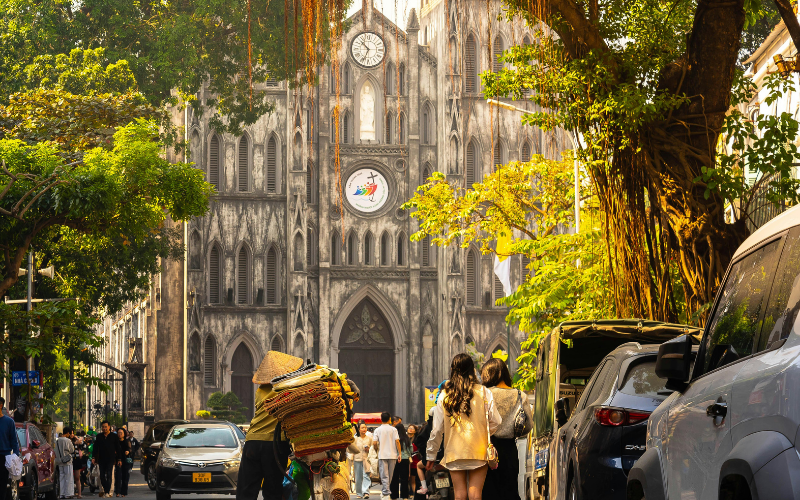
October and November are good options for exploring the Old Quarter, where much of the experience comes from walking between narrow streets, local shops, cafés, and food stalls. The more comfortable temperatures make it easier to spend several hours outside without taking frequent breaks from the heat.
Spring can also be suitable, although drizzle and humidity may affect some days. If you’re visiting in summer, plan your walk for the early morning or later in the afternoon rather than the hottest part of the day.
Best Time for Photography and Scenic Views
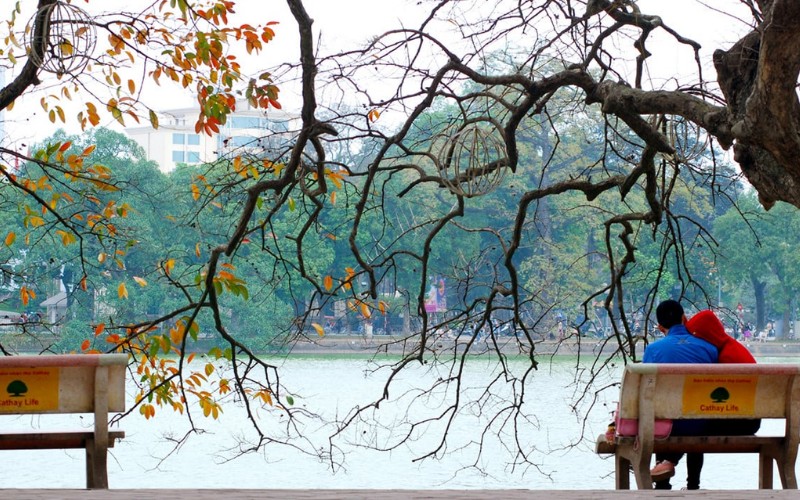
Autumn is worth considering if you want to photograph Hanoi’s streets, lakes, and everyday city life. More comfortable temperatures allow you to spend longer outdoors, while the changing light can create different moods throughout the day.
Still, don’t assume autumn guarantees clear skies. If you have specific places in mind, such as Hoan Kiem Lake or the Old Quarter, check the forecast and leave some flexibility in your schedule. A cloudy day may suit street photography, but rain or poor visibility can limit certain outdoor shots.
Best Time for Street Food Tours
October and November are often comfortable for street food tours because you can walk between stops without dealing with as much summer heat. This matters if your route includes several dishes or different parts of the Old Quarter.
If you’re visiting during summer, consider an evening tour when temperatures are generally more manageable. You don’t need to avoid the season altogether; choosing a suitable time of day and a route that doesn’t involve excessive walking can make the experience more enjoyable.
Best Time for Day Trips from Hanoi
Spring and autumn are worth considering for day trips around northern Vietnam, but the ideal timing depends on your destination. A countryside excursion, a mountain trip, and a cruise in Ha Long Bay each have different weather considerations.
For Ha Long Bay, check the local forecast and confirm arrangements with your cruise operator before departure. Conditions on the water can differ from those in Hanoi, and adverse weather may affect sailing schedules. If your itinerary is tight, allow some flexibility rather than placing every major excursion on a fixed day.
What to Pack for Hanoi Weather (Season-by-Season Checklist)
Packing for Hanoi is mostly about getting the layers right. Lightweight clothes work well in the warmer months, but winter is a different story, and spring can be damp even when temperatures feel mild. You don’t need to pack for every possible condition; focus on the season you’re visiting and leave a little room for unexpected rain.
What to Wear in Hanoi in Spring
Spring can be mild but damp, particularly in February and March. A light jacket, long-sleeved tops, and comfortable walking shoes are usually a sensible starting point. Bring a compact umbrella, too, especially if you plan to spend much of the day exploring the Old Quarter on foot.
What to Wear in Hanoi in Summer
For summer, prioritize breathable clothing that won’t feel heavy in humid weather. A hat, sunscreen, and comfortable shoes will be useful when you’re out sightseeing. Rain can arrive suddenly, so a small umbrella is worth carrying. There’s little need to pack several heavy layers; staying cool and having a way to handle rain matter more.
What to Wear in Hanoi in Autumn
Autumn generally calls for lighter clothing, with a thin jacket for cooler mornings or evenings. If most of your plans involve walking, comfortable shoes should be a priority. You can keep your packing fairly simple, but check the forecast before leaving in case rain or a cooler spell is expected.
What to Wear in Hanoi in Winter
Winter is when you’ll want to give your packing a little more thought, especially if you’re travelling from southern Vietnam or another warm destination. Bring a warm jacket, long-sleeved tops, and layers you can add when temperatures drop. Check the forecast close to your departure date so you can judge how much warmth you’ll actually need.
Hanoi Air Quality & Heat: Health Tips Locals Don’t Tell Tourists
When planning a day out in Hanoi, don’t check the temperature alone. Summer heat can make long walks tiring, while air pollution may affect how comfortable it feels to spend hours outdoors. Both can vary from day to day, so a quick check before leaving your hotel is worth making part of your routine.
How to Check Hanoi’s Air Quality Before Going Out
If you plan to spend most of the day outdoors, check Hanoi’s air quality index before heading out. Pay attention to the current reading rather than assuming the air will be clean because the weather looks clear.
On days with poor air quality, consider shortening outdoor activities or moving them indoors. Travelers with respiratory conditions should take particular care and follow relevant medical advice.
How to Handle Hanoi’s Summer Heat and Humidity
In summer, the heat can become uncomfortable faster than you might expect, especially when you’re walking between attractions. Plan longer walks for the morning or evening, carry water, and take breaks somewhere cool rather than trying to fit everything into one afternoon.
If you start feeling dizzy, unusually weak, or nauseated, stop and get somewhere cool. Don’t push through these symptoms just to keep your itinerary on schedule.
When Should You Wear a Mask Outdoors?
A well-fitting mask designed to filter fine particles can help reduce exposure to air pollution, but the level of protection depends on the mask and how well it fits. Check the AQI and local health guidance before deciding whether to wear one.
If pollution levels are high, reducing time outdoors may be the more practical choice. A mask should not be treated as a reason to ignore poor air quality.
Rainy Season in Hanoi: Is It Really That Bad?
Hanoi’s rainy season usually runs from around May to September, with July and August often among the wettest months. However, rain doesn’t necessarily mean you’ll spend your entire trip indoors. The main challenge is dealing with sudden showers, heavy rain, and slower traffic, especially if your itinerary involves walking between attractions.
If you’re visiting during these months, there’s no need to cancel outdoor plans in advance. Check the forecast each morning, carry a compact umbrella, and leave some flexibility in your schedule. If heavy rain is expected, swap a walking tour for a museum visit, a café stop, or a relaxed meal in the Old Quarter. You can return to outdoor activities when conditions improve.
The situation is different during thunderstorms or heavy downpours, when flooded streets and difficult travel conditions may affect your plans. Avoid walking through flooded areas, and check with your tour operator if you’re heading outside the city. With a little flexibility, the rainy season can still be a manageable time to visit Hanoi.

Hanoi Weather vs Ho Chi Minh City & Ha Long Bay: Should You Adjust Your Route?
If Hanoi is one stop on a longer Vietnam trip, remember that the weather can be quite different between destinations. Ho Chi Minh City stays warm throughout the year, while Hanoi has a more noticeable winter. Ha Long Bay brings another consideration: conditions on the water can affect cruises and outdoor activities.
Read more: Hanoi to Angkor Wat tour: Fast direct route in a few days, or a 14 day overland journey?
Hanoi vs. Ho Chi Minh City: Why Your Packing List May Differ
The biggest difference is winter. While Ho Chi Minh City generally remains warm, Hanoi can experience cold spells between December and February. If you’re travelling north during this period, bring a jacket and clothes you can layer rather than relying entirely on the lightweight clothing you wore in the south.
Check the forecast for both cities if you’re travelling between them. You may not need to pack a separate wardrobe, but having a few warmer items can make a real difference in Hanoi.
Hanoi vs. Ha Long Bay: What to Check Before Traveling
Don’t assume that clear skies in Hanoi mean good conditions in Ha Long Bay. Wind, rain, and storms can affect cruises, so check the forecast for the bay itself and confirm departure arrangements with your cruise operator.
If a cruise is a highlight of your trip, avoid leaving all your plans until the last minute. Where your schedule allows, some flexibility around the excursion can help if weather conditions change.
Should You Change Your Vietnam Itinerary Because of the Weather?
Not necessarily. A rainy forecast in Hanoi doesn’t automatically mean you need to change your route. For ordinary showers, rearranging your sightseeing plans may be enough. For severe weather that could affect a cruise, flight, or other transport, follow official updates and contact the relevant operator.
The most useful approach is to keep indoor alternatives in Hanoi and avoid making important outdoor activities dependent on a single narrow time window.
Frequently Asked Questions About Hanoi Weather
Planning a trip to Hanoi often comes with a few practical questions about temperature, rainfall, and the best time to visit. Here are some quick answers to help you prepare for your trip.

What Is the Coldest Month in Hanoi?
January is the coldest month in Hanoi, with an average temperature of around 16-17°C (61-63°F). Average daytime highs reach about 20°C (68°F), while nighttime lows drop to around 14°C (57°F). Bring a warm jacket and layered clothing, especially if you plan to explore the city early in the morning or after sunset.
How Hot Does Hanoi Get in Summer?
Hanoi’s summer is typically hot and humid, with daytime temperatures often reaching the low to mid-30s Celsius. Humidity can make outdoor activities feel more tiring, particularly around midday. Plan longer walks for cooler hours and check local forecasts for heat warnings.
Does It Rain Every Day During Hanoi’s Rainy Season?
No. Hanoi’s rainy season does not mean it rains all day, every day. Some days have short showers, while others bring heavier or prolonged rain. Check the forecast before outdoor activities and keep an indoor alternative in mind.
Does Hanoi Get Cold Enough to Need a Winter Coat?
Yes, a warm jacket can be useful during Hanoi’s winter, particularly when cold air arrives. How much insulation you need depends on the temperature and your tolerance for cold. Wearing several layers gives you more flexibility than relying on a single heavy item.
Hanoi is worth visiting in every season, but knowing what to expect from the weather makes planning much easier. Choose your travel dates based on the experiences you want, pack for the conditions, and leave some flexibility for rain or sudden temperature changes. If you’re planning a trip to Hanoi and need help putting together your itinerary, Lily Travel can help you plan your Vietnam journey around your interests and travel schedule. Get in touch with Lily Travel to start planning your trip.