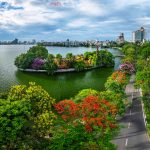



Nestled on a small island just off the southeastern shore of West Lake, Tran Quoc Pagoda stands as a timeless spiritual anchor in Vietnam’s bustling capital. As often described as Hanoi’s oldest pagoda with a history spanning over 1,500 years, this sacred site offers a serene escape from the energetic traffic of the nearby Old Quarter. Whether you are chasing centuries of royal heritage, seeking quiet spiritual reflection, or simply looking for the best waterfront sunset in the city, this guide has everything you need to plan your visit.
Quick facts: Location, hours, entry fee & dress code
Planning a seamless trip to Tran Quoc pagoda requires knowing the essential logistics before you arrive. To help you map out your visit to this iconic cultural landmark, here is a detailed breakdown of everything you need to prepare:
Exact location and setting
- Address: 46 Thanh Nien Road, Tay Ho District, Hanoi, Vietnam (Former address: 46 Thanh Nien Road, Yen Phu Ward, Tay Ho District, Hanoi, Vietnam, before the 2025 administrative reorganization)
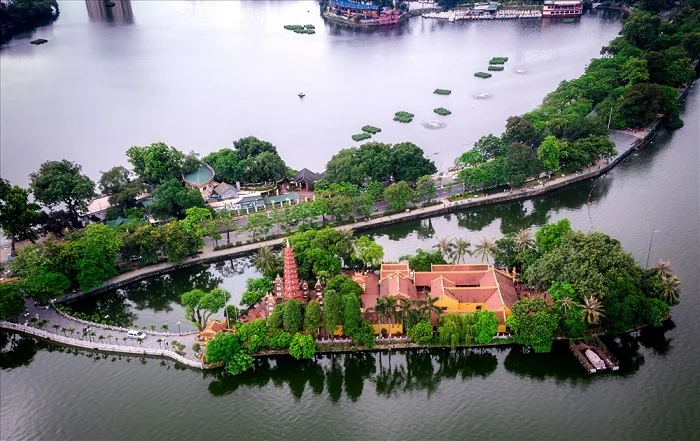
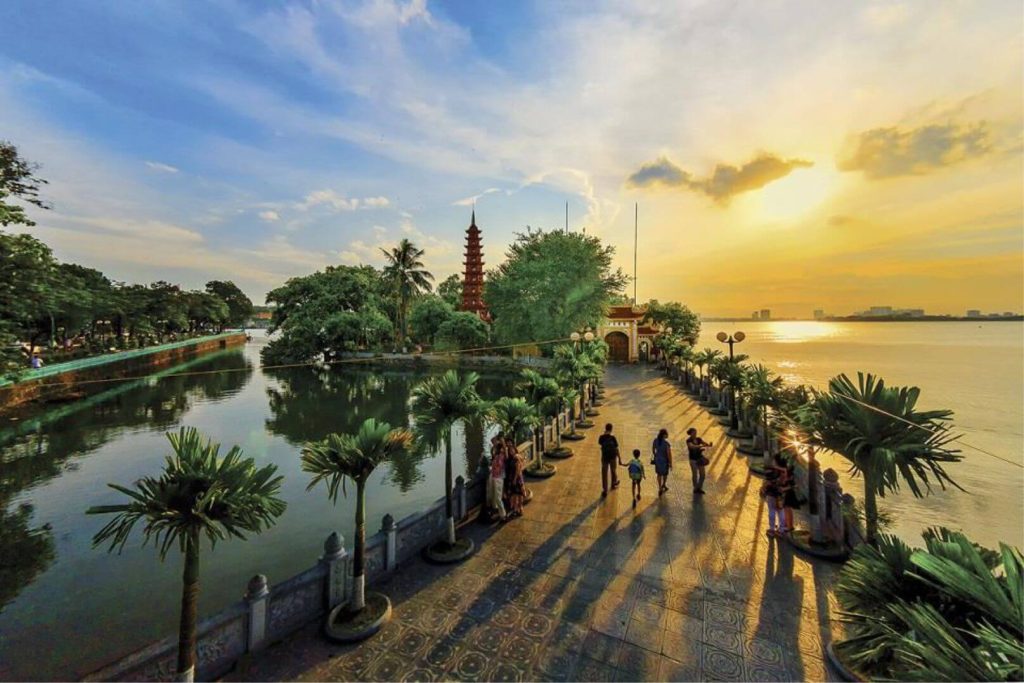
- Geographic context: The temple is built on a picturesque small island situated on the southeastern edge of West Lake (Ho Tay), connected to the mainland via a scenic tree lined stone causeway.
- Proximity: It is located just a 10 to 15 minute taxi ride north of Hoan Kiem Lake and the historic Old Quarter, making it very accessible for travelers staying in central Hanoi Tran Quoc pagoda zones.
Official opening hours and best time windows
- Daily operating hours: Typically open every day from 8:00 AM to 5:00 PM (though the outer gates and temple grounds frequently open earlier around 7:30 AM for morning worshippers).
- Midday schedule note: The main indoor sanctuary and prayer halls occasionally close for a brief lunch break between 11:30 AM and 1:30 PM, though visitors can still walk around the open courtyards and gardens during this time.
- Why timing matters: Checking the Tran Quoc pagoda opening hours in advance helps you avoid peak tour bus crowds that typically arrive between 10:00 AM and 11:30 AM.
Admission cost and ticket policies
- Is there a fee?: No. Tran Quoc pagoda entrance fee is completely free of charge for all domestic and international visitors.
- Donation boxes: While entry is free, there are designated donation boxes located near the main altar and courtyard if you wish to contribute a small monetary gift to support the upkeep and preservation of Tran Quoc pagoda Vietnam.
Dress code and visitor rules
- Conservative attire: Because it is an active, deeply revered place of worship, all visitors must dress respectfully. Both men and women are required to wear clothing that covers their shoulders and knees.
- What to avoid: Shorts, sleeveless shirts, crop tops, and miniskirts are strictly prohibited inside the shrine areas. Bringing along a light scarf or sarong in your daypack is a great way to quickly cover up if needed.
- Footwear etiquette: You must remove your shoes before stepping inside any of the indoor prayer halls or altar rooms. Look for the designated shoe racks or placement areas near the thresholds.
Why This 1,500 year old pagoda still matters
Standing resiliently against the rapid modernization of Vietnam’s capital, Tran Quoc pagoda is far more than just a picturesque postcard spot. Its enduring cultural and historical significance makes it a cornerstone of Vietnam’s national heritage.
To understand why this ancient sanctuary continues to hold such profound weight today, we can break its legacy down into three core pillars:
A 1,500 year chronicle as Hanoi’s cradle of buddhism
Originally constructed in the 6th century during the reign of Emperor Ly Nam De (around 541 – 548 AD), the temple was originally named Khai Quoc, meaning “Founding the Nation”.
- Historical shift: Centuries later, during the Le Dynasty in the 17th century, it was relocated to its current island site on West Lake due to riverbank erosion and renamed Tran Quoc pagoda Vietnam, translating to “Defending the Country”.
- Living history: Having survived countless dynastic changes, wars, and urban transformations, it stands as a physical archive of Vietnamese history, preserving the deep rooted origins of Buddhism in the Red River Delta.
Architectural harmony and the iconic lotus stupa
The physical layout of the temple is a masterclass in traditional Buddhist architecture, blending strict symbolic geometry with natural lakeside beauty.
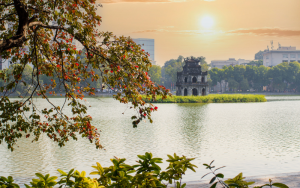
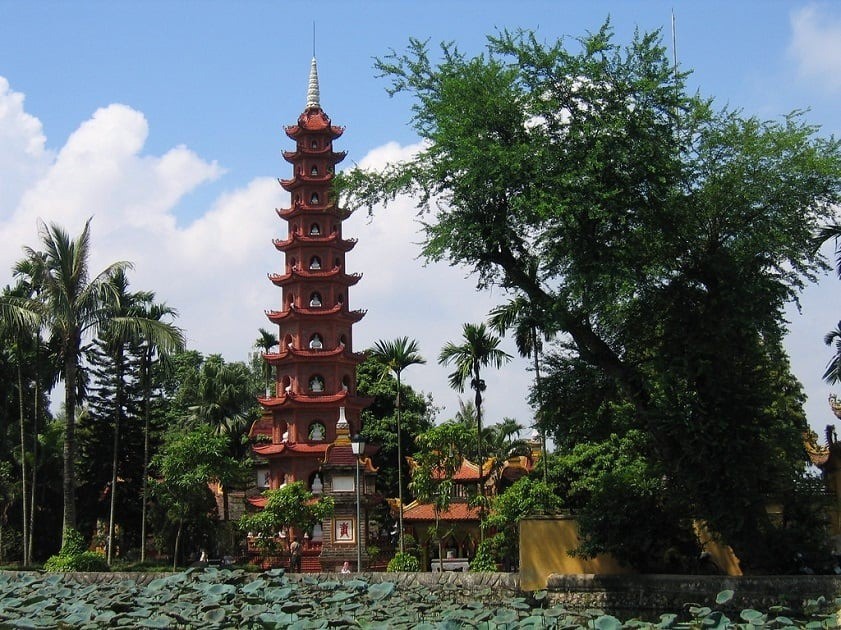
- The Famous Lotus Stupa: The defining feature of Hanoi Tran Quoc pagoda is its striking 11 story red lotus tower (bao lai thap), standing 15 meters tall. Each of the eleven floors features a vaulted archway housing a pristine white gemstone statue of Amitabha Buddha.
- Symbolism: Designed to resemble a blooming lotus flower – the ultimate symbol of purity, enlightenment, and spiritual awakening in Buddhism – the stupa creates a stunning visual contrast against the calm blue waters of West Lake.
A living spiritual sanctuary amidst modern life
Unlike ancient monuments converted entirely into tourist museums, Tran Quoc Pagoda remains a vibrant, beating heart of daily religious life.
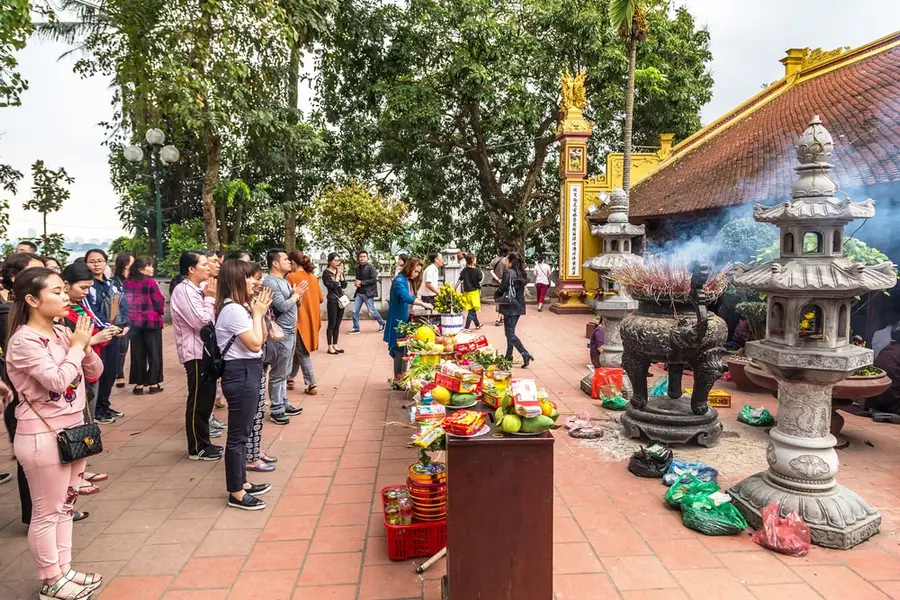
Local Hanoians and devout Buddhists regularly flock to the temple to burn incense, offer fresh fruit, and say prayers for peace, health, and prosperity, especially during important lunar calendar events like Tet (Lunar New Year) and the Full Moon festivals.
Read more: Hanoi Attractions: The Complete Guide by How Much Time You Have
Best time of day to visit: Sunrise, midday, or sunset?
Timing your visit to Tran Quoc pagoda can completely transform your experience. Because this sacred site shifts dramatically from a quiet spiritual sanctuary in the early morning to a popular cultural hub by midday, choosing the right hour lets you bypass the tour bus crowds and catch the best lighting.
Here is how each time of day unfolds at Hanoi Tran Quoc pagoda:
Sunrise (7:30 AM – 9:00 AM): The peaceful morning calm
- The vibe: Serene, meditative, and intimate. This is the absolute best window if you want to experience the temple as a place of genuine worship.
- What to expect: Early morning mist often lingers over West Lake, creating a tranquil, cinematic atmosphere. You will share the courtyards primarily with local residents and devout Buddhists quietly offering incense, fresh fruit, and morning prayers before heading to work.
- Photography conditions: Soft, diffused morning light illuminates the red stupa cleanly without harsh shadows, and the walkways are uncrowded.
Midday (11:30 AM – 1:30 PM): The quiet, sunny Lull
- The vibe: Warm, bright, and low traffic.
- What to expect: This is the official midday break window when Tran Quoc Pagoda completely closes its gates or restricts visitor access as the resident monks and staff take a midday rest. You will not be able to wander freely through the inner courtyards or approach the altars during these two hours.
- Practical note: While the exterior causeway remains open for a quick view across the water, you should strictly avoid planning your actual inside visit between 11:30 AM and 1:30 PM, as you will find yourself locked out. Plan your schedule around this midday closure to make the most of your trip!
Sunset (5:00 PM – 6:00 PM): The golden hour spectacle
- The vibe: Dramatic, romantic, and visually stunning.
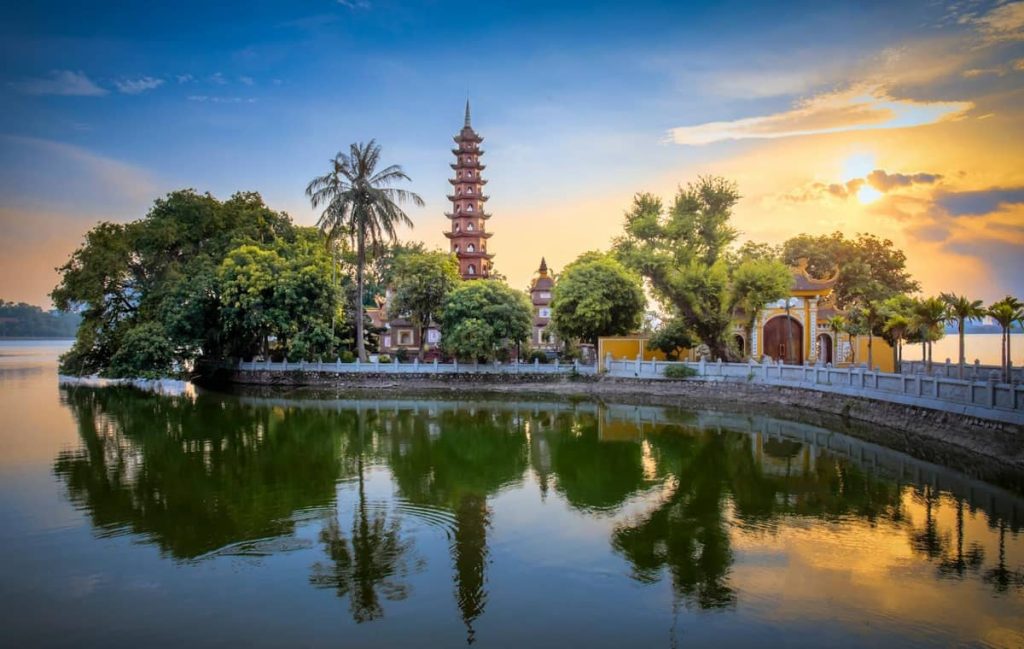
- What to expect: As the sun dips low over the horizon, the sky behind Tran Quoc pagoda Vietnam ignites in brilliant shades of amber, violet, and deep orange, casting vibrant reflections across the calm waters of West Lake.
- Photography conditions: This is the ultimate time for landscape and portrait photography. Just be prepared for higher foot traffic as evening strollers and photographers gather along the causeway to catch the sunset.

The verdict: Aim for early morning (around 7:30 AM) if you prefer quiet spiritual reflection and empty courtyards, or target late afternoon (around 5:00 PM) if you want breathtaking sunset photography.
How to visit respectfully: Etiquette for foreign visitors
Because Tran Quoc pagoda is not merely a tourist landmark but an active, deeply revered place of worship that has stood for over 1,500 years, visitors are kindly expected to observe traditional temple etiquette. Respecting local customs ensures a meaningful experience for you and preserves the sacred atmosphere for local practitioners.
Keep these key guidelines in mind when planning your walk through Hanoi Tran Quoc pagoda:
Dress modestly and cover up
- The rule: Both men and women must wear clothing that covers their shoulders and knees at all times while on the temple grounds.
- What to avoid: Tank tops, crop tops, sleeveless shirts, short shorts, and miniskirts are strictly prohibited inside the altars and shrine halls.
- Pro tip: If you are visiting during the warm summer months and wearing light clothing, pack a lightweight scarf, sarong, or light jacket in your bag to easily drape over your shoulders when entering.
Footwear and physical posture etiquette
- Remove your shoes: You must always take off your shoes before stepping inside any indoor prayer rooms or sacred altar chambers. Look for designated shoe racks or neat rows left by other visitors right outside the threshold.
- Keep your hands to yourself: Never touch sacred artifacts, ritual bells, drums, or altars unless explicitly permitted to do so.
Noise levels and respectful behavior
- Keep voices low: Maintain a calm, quiet tone throughout the courtyards. Refrain from loud talking, laughing, or shouting, as monks and local worshippers may be chanting or meditating.
- No running or disruptive actions: Treat the space with the same quiet reverence you would expect in any historic sanctuary. Avoid posing disrespectfully (such as climbing on architectural structures or statues) for social media photos.
Navigating offerings and incense burning
- Observe don’t interfere: You will likely see locals lighting incense or placing offerings of fresh fruit and flowers on the altars. You are welcome to watch quietly, but avoid crowding active worshippers or handling their offerings.
- Incense etiquette: If you choose to light incense yourself, use only one or three sticks (traditionally odd numbers are used), bow slightly in reverence, and place them gently into the main courtyard incense burner.
Photography tips: Best angles without disturbing worshippers
With its striking red 11 story stupa, ancient Bodhi trees, and tranquil lakeside reflections, Tran Quoc pagoda is easily one of the most photogenic cultural sites in Vietnam’s capital. However, because it remains an active, deeply revered place of worship, capturing stunning images requires balancing creativity with cultural sensitivity.
Here are the best practical photography tips and angles for Hanoi Tran Quoc pagoda while keeping your visit respectful:
Best angles and compositions
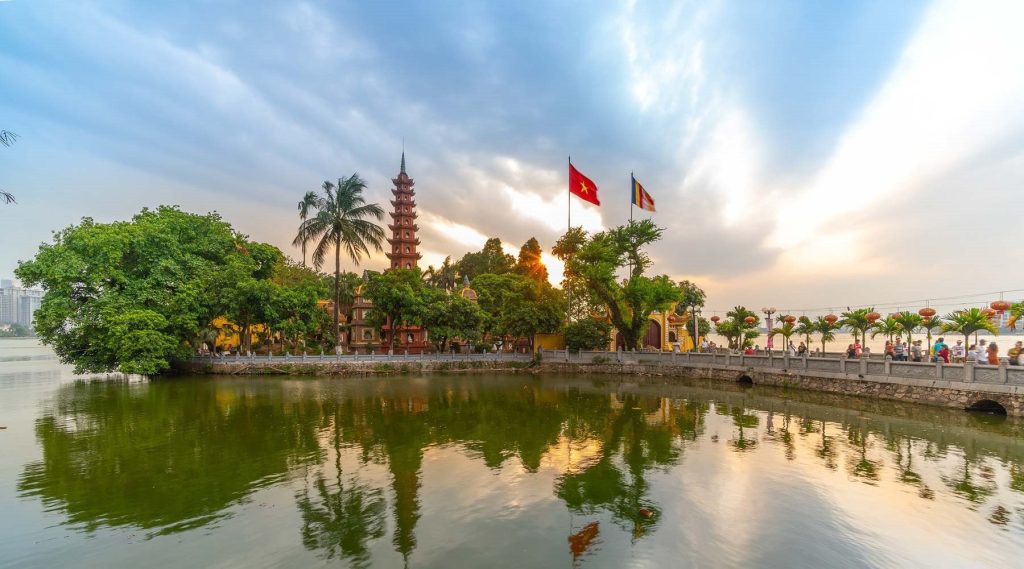
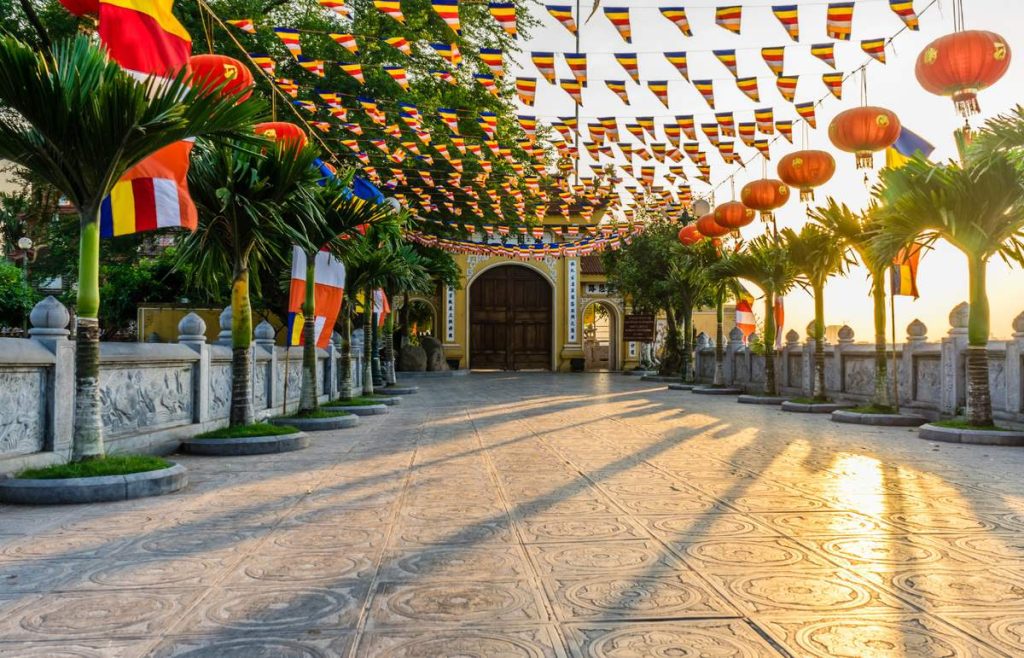
- The classic causeway shot: Stand on the stone walkway leading from Thanh Nien Road toward the temple entrance. Framing the red stupa with the shimmering blue waters of West Lake in the foreground creates an iconic, balanced composition.
- The Garden & Bodhi Tree Perspective: Step into the quiet courtyard gardens to shoot upward at the towering stupa, incorporating the drooping branches of the sacred Bodhi tree to add organic framing and depth to your photos.
- Low Angle Lake Reflections: Early in the morning when the lake surface is calm, shoot from the outer perimeter walls toward the temple to capture crisp mirror reflections of the stupa on the water.
Lighting and timing for optimal shots
- Golden hour magic: Visit during the last hour before closing (around 5:00 PM to 6:00 PM). The low angle sunlight casts a warm, golden glow over the red brick architecture, making the colors pop dramatically.
- Avoid harsh midday glare: Between 11:00 AM and 2:00 PM, the overhead tropical sun creates harsh, unflattering shadows and blown-out highlights on white stone altars and water surfaces.
Etiquette: Respecting worshippers and monks
- No intrusive close ups: Never thrust your camera or phone lens directly into the face of a local worshipper while they are praying, kneeling, or lighting incense. Maintain a respectful distance using a zoom lens if necessary.
- Ask permission first: If you want to photograph resident monks, nuns, or elderly practitioners up close, always gesture politely and ask for verbal permission with a respectful nod or smile.
- Turn off flashes indoors: Never use flash photography inside dim prayer halls or near sacred altars, as sudden bright bursts can startle worshippers and damage delicate ancient artifacts.
Never use flash photography inside dim prayer halls or near sacred altars
How to get there from the Old Quarter
Getting to Tran Quoc pagoda from the bustling heart of Hanoi’s Old Quarter is quick, straightforward, and offers a fun glimpse into the city’s lively streetscapes. Because the temple sits just north of the central historic district on a scenic peninsula slicing into West Lake, you have several easy transport options depending on your travel style and schedule.
Here are the best ways to navigate from the Old Quarter to hanoi tran quoc pagoda:
By ride hailing app or taxi (Fastest & most convenient)
- How it works: Download and use Grab (Southeast Asia’s leading rideshare app) to book a car or motorbike taxi directly from your Old Quarter hotel. Traditional metered taxis (like Mai Linh or Vinasun) are also widely available on every corner.
- Cost & duration: The ride takes approximately 10 to 15 minutes, depending on traffic conditions along the main lakeside roads. Fares typically range from 40,000 to 70,000 VND (roughly $1.50 to $3.00 USD) for a car.
- Best for: Travelers pressed for time, those traveling with family, or anyone wanting a hassle free, door to door journey.
By bicycle or walking (Scenic & immersive)
- How it works: If you enjoy urban exploring on foot, you can take a gorgeous 30 minute stroll heading due north from Hoan Kiem Lake. Walk past the northern edge of the Old Quarter, cross over the historic Hang Dau water tower square, and trace the serene shores of smaller Truc Bach Lake right up to Thanh Nien Road.
- Best for: Cool mornings or late afternoons. Walking allows you to discover hidden alleyways, local coffee shops, and quiet lakeside parks that cars simply speed past.
By public bus (Budget friendly local option)
- How it works: Several local Hanoi public bus routes,
- Cost & duration: Fares cost around 7,000 VND (less than $0.30 USD) per ticket, taking about 20 to 25 minutes including short walks to and from the bus stops.
- Best for: Budget conscious backpackers and travelers who want an authentic, local transit experience.
Combine your visit: A half day West Lake walking route
Because Tran Quoc pagoda sits right on the scenic causeway dividing West Lake (Ho Tay) and Truc Bach Lake, it serves as the ultimate starting point for a half day neighborhood exploration. Rather than rushing back into the city center immediately after your temple visit, you can easily turn your morning or afternoon into a leisurely walking tour.
Here is a curated, step by step half day walking route to experience the best of the West Lake area:
Step 1: Early morning start at the Pagoda
Arrive around 7:30 AM to explore Tran Quoc pagoda while the grounds are cool, quiet, and filled with local morning worshippers. Take your time admiring the 11 story red stupa and walking through the shaded gardens before the midday crowds arrive.
Step 2: Stroll across Thanh Nien road causeway
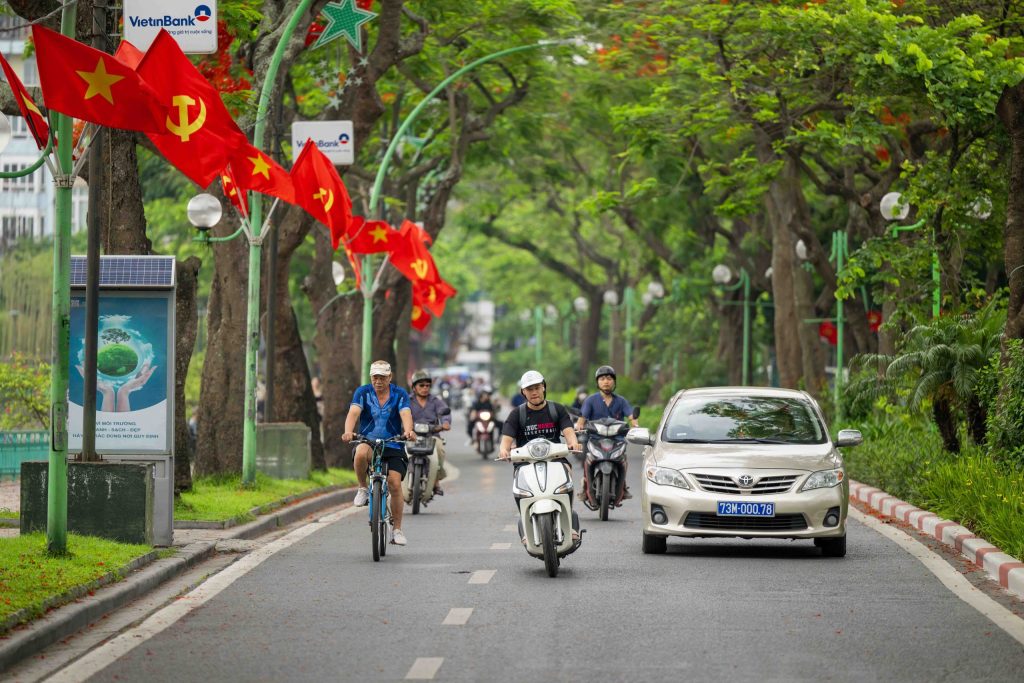
Step out of the temple gates and walk westward along the tree lined pedestrian path of Thanh Nien Road.
This famous causeway is flanked by water on both sides – West Lake on your right and Truc Bach Lake on your left. In the early hours, you will see local fishermen casting nets, elderly residents practicing morning exercises, and vendors selling fresh lotus flowers in season.
Step 3: Truc Bach Lakeside Café & local treat stop
Cross over toward the Truc Bach side and pick a quiet, open air lakeside cafe to unwind.
Order a traditional Vietnamese iced coconut coffee or a hot drip coffee (cà phê sữa đá), and try a local specialty: kem cốm (green young rice ice cream) or a plate of fresh lotus seed milk tea. It is the perfect spot to sit back and watch the slow ripple of the water.
Step 4: Visit Quan Thanh Temple
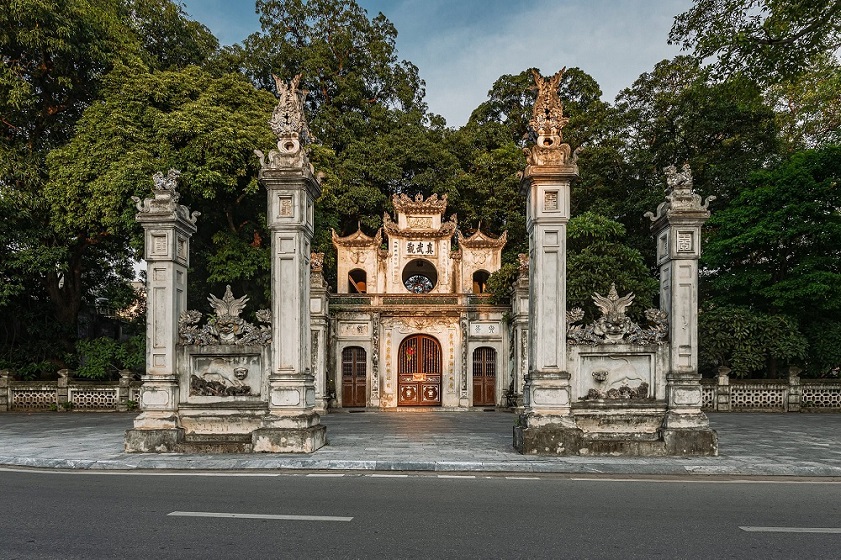
Head a short distance south down the road toward the intersection to visit Quan Thanh Temple, one of the ancient Four Guardian Temples of Hanoi.
Why it matters: Built during the Ly Dynasty, this massive Taoist sanctuary is famous for its imposing, 4 meter tall black bronze statue of Huyen Thien Tran Vu, cast in 1677. It offers a fascinating cultural counterpoint to the Buddhist architecture of Tran Quoc pagoda Vietnam, completing a rich, immersive morning of heritage exploration.
Is Tran Quoc Pagoda worth visiting? honest take
With so many temples, historic monuments, and bustling cultural sites scattered across Vietnam’s capital, you might wonder whether Tran Quoc pagoda truly deserves a spot on your packed travel itinerary.
Here is our honest, no-nonsense take to help you decide:
The pros: Why it absolutely is worth your time
- Unmatched historical prestige: As the oldest Buddhist temple in Hanoi with a legacy spanning over 1,500 years, its cultural and spiritual value is unmatched anywhere else in the city.
- Stunning architectural identity: The iconic 11 story red lotus stupa rising against the backdrop of West Lake is one of the most picturesque, instantly recognizable landmarks in the country.
- Effortless accessibility: Located just 10 to 15 minutes north of the Old Quarter, it requires very little travel time compared to day trips outside the city center.
- Completely free admission: With a zero dong Tran Quoc pagoda entrance fee, it offers an exceptionally high value cultural experience that won’t cost you a dime.
The cons: What to watch out for
- Midday crowds and tour buses: Because it is a top tier destination, the temple courtyards can get heavily congested with large tour groups between 10:00 AM and 11:30 AM.
- Compact grounds: The island site is relatively small. If you are expecting a sprawling temple complex like those found in Hue or Beijing, you can easily walk the entire grounds in about 20 to 30 minutes.
From admiring the 1,500 year old crimson stupa at Tran Quoc pagoda and strolling along the breezy shores of West Lake to mapping out a complete 14 day traverse down to the southern delta, experiencing Vietnam’s rich cultural tapestry is an unforgettable adventure.
Nailing down the logistics from checking exact Tran Quoc pagoda opening hours and timing your morning visits to booking comfortable hotels and seamless regional transport, can require a lot of careful planning. To make your entire journey effortless and stress free, Lily’s Travel specializes in designing tailor-made itineraries, securing reliable private transfers, and pairing you with expert local guides.
Let Lily’s Travel handle every detail behind the scenes so you can focus entirely on soaking in the timeless heritage, stunning landscapes, and incredible culinary flavors of Vietnam. Reach out to their expert team today to start building your dream itinerary!