



Ho Chi Minh City Cu Chi Tunnel tour takes visitors from central Ho Chi Minh City to one of Vietnam’s most important wartime sites. The Cu Chi Tunnels are an extensive underground network with preserved sections that travelers can explore during a guided visit. Most tours focus on either Ben Dinh or Ben Duoc and can last from half a day to a full day. The right choice depends on how much time you have and what kind of experience you want. Before booking, travelers should also consider the journey from the city, the narrow tunnel sections, and optional activities available at the site.
What the Cu Chi Tunnels Are and Why Every Ho Chi Minh City Cu Chi Tunnel Tour Includes Them
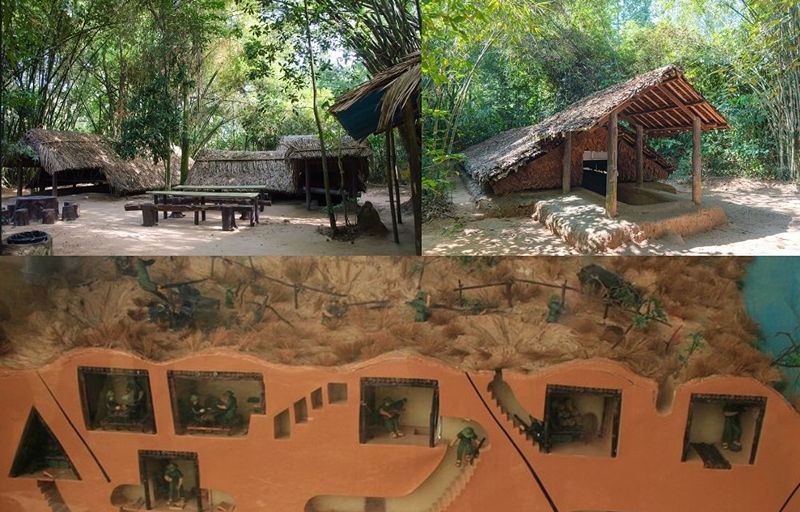
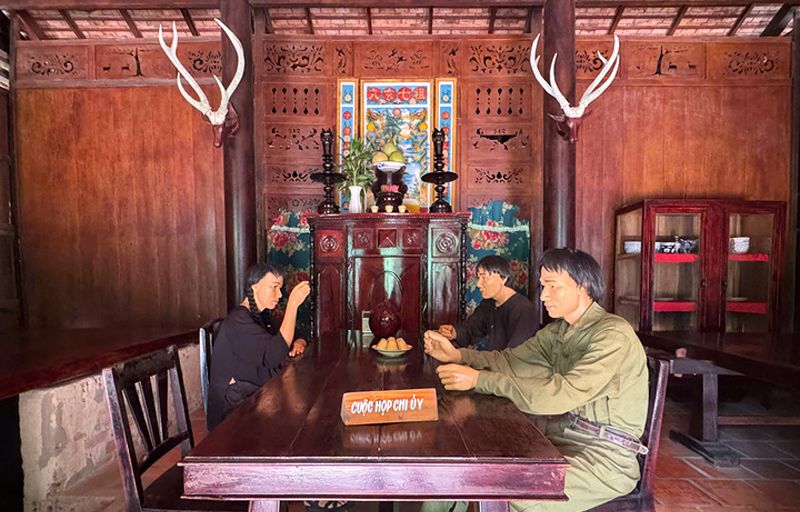
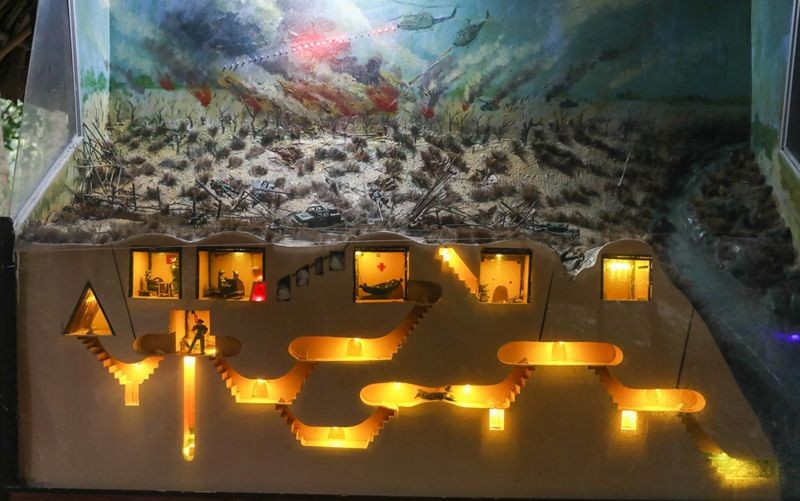
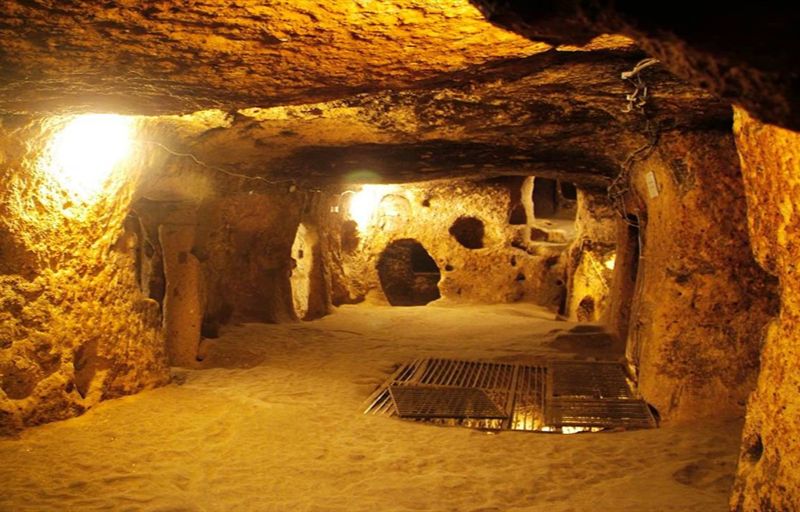
The Cu Chi Tunnels are located in Cu Chi District, about 30–70 km northwest of central Ho Chi Minh City, depending on which tunnel site you visit. The complex has two main tourist sites, Ben Dinh and Ben Duoc. The tunnel network was developed during the wars in Vietnam and eventually covered more than 250 km. It included tunnels, storage areas, kitchens, meeting rooms, medical facilities, and living spaces.
Today, the Cu Chi Tunnels are preserved as a major historical site and attract visitors from Vietnam and around the world. The tour gives travelers a chance to explore” gives travelers a chance to explore selected sections of the network and learn how the tunnels were used during wartime.
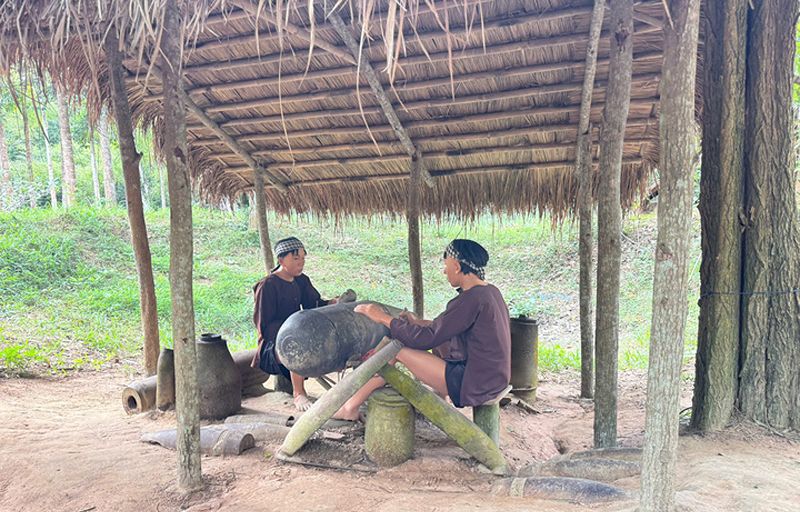
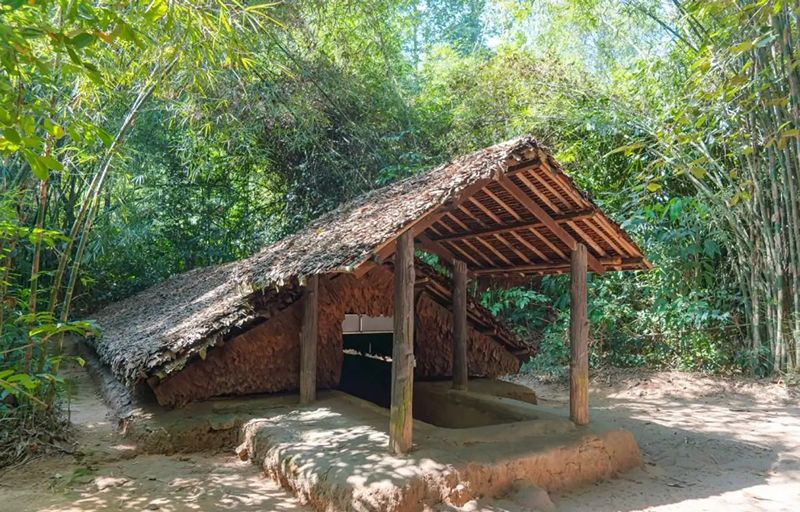
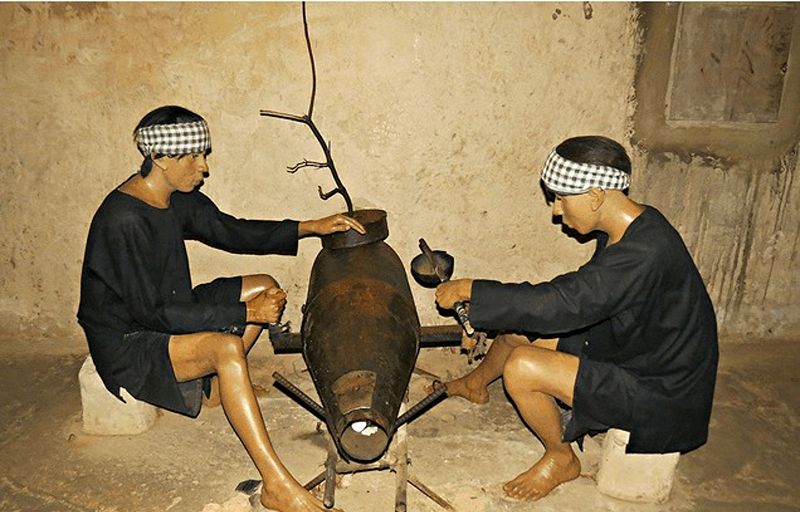
A typical visit starts with a guide explaining the history and design of the tunnels. You may then see concealed entrances, underground rooms, kitchens, trenches, and other wartime structures. Some tours also include demonstrations of traditional wartime food, such as cassava served with sesame salt.
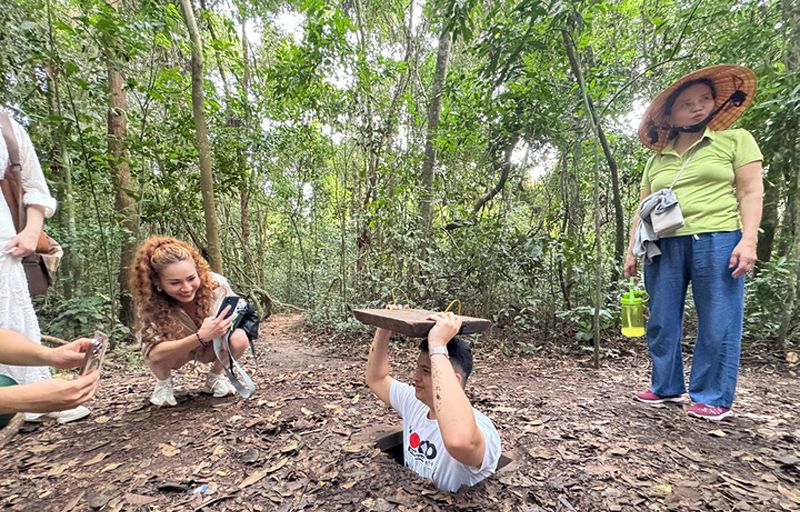
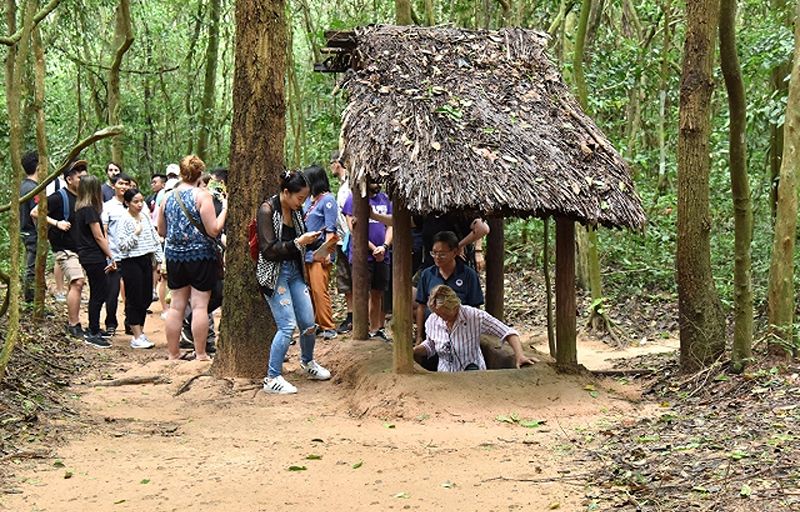
The tunnel section is usually the most memorable part. The passages are low and narrow. Visitors may need to crouch or kneel while moving through them. Some tourist sections have been widened, but they can still feel tight. Travelers with claustrophobia should not feel pressured to enter.
The best way to approach the visit is to listen to the guide before entering the tunnel. The physical experience makes more sense when you understand why the network was built and how different areas were connected.
You should also check which tunnel site your tour includes. Ben Dinh and Ben Duoc are the two main visitor areas, and they offer different experiences. For most first-time visitors, the tunnels themselves are only part of the attraction. The surrounding displays and explanations provide important context. Take your time with these areas instead of treating the visit as simply a tunnel-crawling activity.
Ben Duoc vs Ben Dinh: Which Tunnel Site Should You Choose
Ben Dinh and Ben Duoc are the two main areas open to visitors. Both introduce travelers to the Cu Chi Tunnel system, but they differ in location, atmosphere, and itinerary suitability. Vietnam Tourism lists Ben Dinh at around 35 km from the city and Ben Duoc at around 70 km.
Ben Dinh is usually the easier choice for a standard half-day trip. Its location makes it more convenient for short itineraries. It is commonly included in half-day tours from central Ho Chi Minh City. This is useful if you want to visit Cu Chi and still have several hours for other attractions.
The main drawback is that Ben Dinh can be busy. It is a popular stop for organized tours, so the experience can feel more crowded during peak periods. If you choose Ben Dinh, an early morning departure is a practical choice. You can reach the site before the busiest part of the day and avoid spending the hottest hours outdoors.
Ben Duoc is a better option if you want a more relaxed historical visit.
It is farther from central Ho Chi Minh City, so it requires more time in your itinerary. However, the longer journey can be worthwhile for travelers who prefer a quieter setting. Ben Duoc also includes the Ben Duoc Memorial Temple. The temple honors soldiers and civilians who died during the resistance against French and American forces. This adds a stronger memorial element to the visit.
From a local-guide perspective, choose based on your priorities:
Choose Ben Dinh if you:
- Have limited time in Ho Chi Minh City.
- Want a simple half-day trip.
- Plan to visit other attractions on the same day.
- Prefer a shorter overall itinerary.
- Are visiting Cu Chi for the first time.
Choose Ben Duoc if you:
- Have most of the day available.
- Prefer a quieter environment.
- Have a stronger interest in the historical side.
- Want to visit the memorial temple.
- Do not mind spending longer on the road.
One important booking tip is to check the exact site before paying. Some tour listings simply say “Cu Chi Tunnels” without clearly stating Ben Dinh or Ben Duoc. The difference matters because the two sites are not interchangeable from a travel-planning perspective. Your choice affects the amount of time spent on transportation and the pace of the day.
Half-Day, Full-Day, or Combined With Mekong Delta: Picking the Right Cu Chi Tunnel Tour
A half-day Ho Chi Minh City Cu Chi Tunnel tour is enough for most travelers who mainly want to see the tunnels. The standard experience usually includes transportation, a guided visit, time to explore the historical areas, and an opportunity to enter a section of the tunnels. This leaves the rest of your day free.
A morning tour is particularly practical. You can visit Cu Chi before the strongest afternoon heat and return to the city with time for lunch or another attraction. An afternoon tour can work too. It is useful if you want to spend your morning visiting central attractions such as the War Remnants Museum.
A full-day Cu Chi tour is more suitable if you want a slower schedule or additional activities. You can spend more time around the historical site instead of moving quickly between different stops. Some longer itineraries also include countryside experiences or other attractions around Cu Chi.
However, more hours do not automatically mean a better experience. If your main goal is to understand the tunnels, a well-planned half-day tour can be enough. The Cu Chi Tunnels and Mekong Delta combination is another popular option. It allows travelers with limited time to visit two major destinations in southern Vietnam in one day.
The trade-off is pace. Cu Chi and the Mekong Delta are in different directions from central Ho Chi Minh City. A combined itinerary therefore involves considerable road travel. You will also have less time at each destination.
This option works best when you have a short Vietnam itinerary and want to maximize the number of places you see. If you have enough time, I recommend visiting them on separate days. You can explore Cu Chi without rushing and give the Mekong Delta a full day of its own.
If you do choose a combined tour, check the itinerary carefully. Look at how long you will actually spend at Cu Chi and which Mekong Delta destination is included. Some tours offer only a short visit at each location because of the tight schedule.
A private tour is worth considering for this type of itinerary. You have more control over departure times and can avoid unnecessary group pickup stops. For most travelers, the decision is simple:
- Half-day: Best for a first visit and a busy itinerary.
- Full-day: Best for a slower pace and additional activities.
- Cu Chi + Mekong Delta: Best when you have limited days in southern Vietnam.
- Private tour: Best when flexibility and comfort matter.
- Group tour: Best when keeping the cost down is the priority.
The key is to choose a tour based on the amount of time you actually want to spend at Cu Chi. Do not choose a full-day itinerary simply because it sounds more comprehensive. For many visitors, a focused half-day Ho Chi Minh City Cu Chi Tunnel tour provides enough time to understand the site without making the day unnecessarily tiring.
What to Prepare Before Crawling Through the Tunnels
The Cu Chi Tunnels are not difficult because of the distance you walk. The main challenge is the underground environment. The passages are low, narrow, dark, and humid. Some visitors need to crouch or crawl for part of the experience.
The tourist sections have been adapted for visitors. However, they are still tight enough to feel uncomfortable if you are not used to enclosed spaces. Vietnam Tourism specifically advises people with claustrophobia to take this into account before entering.
If you are unsure, you do not have to crawl through the tunnels. You can stay above ground while your group enters. There are plenty of other things to see, including hidden entrances, traps, wartime structures, demonstrations, and exhibits.
What to wear
Wear light and breathable clothes. Avoid anything that is too tight or difficult to move in. Choose comfortable walking shoes with a good grip. You will spend time walking outdoors before and after the tunnel section. Your clothes may also get dusty or dirty. Vietnam Tourism recommends dressing appropriately because getting dirty is part of the experience. You should avoid white clothes, long flowing skirts, sandals with poor grip, and expensive shoes. You do not need hiking equipment. Simple sports shoes are enough for most visitors.
Prepare for heat and humidity
The heat can be more tiring than the tunnel itself. Cu Chi has a warm tropical climate, and much of the visit takes place outdoors. Bring a bottle of water. A hat is also useful during the walking sections. Sunscreen and insect repellent can help if you spend more time around the forested areas.
A useful local tip is to avoid arriving hungry or dehydrated. Have a light breakfast before a morning tour. Drink water during the above-ground part of the visit. You will feel the heat more once you start walking and crouching. Morning tours are usually more comfortable for active sightseeing. They also give you a better chance of exploring before the strongest heat later in the day.
Should children join?
Children can visit Cu Chi. Vietnam Tourism even includes the tunnels in a family itinerary. However, the tunnel crawl is not suitable for every child. Young children may become frightened by the darkness and narrow space. Older children who can follow instructions usually have an easier time. Parents should explain what the tunnels will feel like before entering.
Do not force a child to crawl just because it is included in the tour. The above-ground sections can still be educational and interesting. For families, I would also choose a tour with enough free time. Avoid an itinerary that rushes from one activity to another. Children usually enjoy the experience more when they can stop, listen, and ask questions.
What about older travelers?
Older travelers can visit Cu Chi, but the physical side of the tour needs more attention. You will walk outdoors, stand for periods of time, and may need to bend your knees or crouch. The tunnel section is optional, so older visitors do not need to enter if it feels uncomfortable.
If mobility is a concern, tell your tour operator before booking. A private or small-group tour can make it easier to move at your own pace. Lily’s Travel’s main advice is simple: do not treat crawling through the tunnel as a test you have to complete. The historical experience is much more important than going underground.
Visiting Respectfully Is a War Memorial, Not a Theme Park
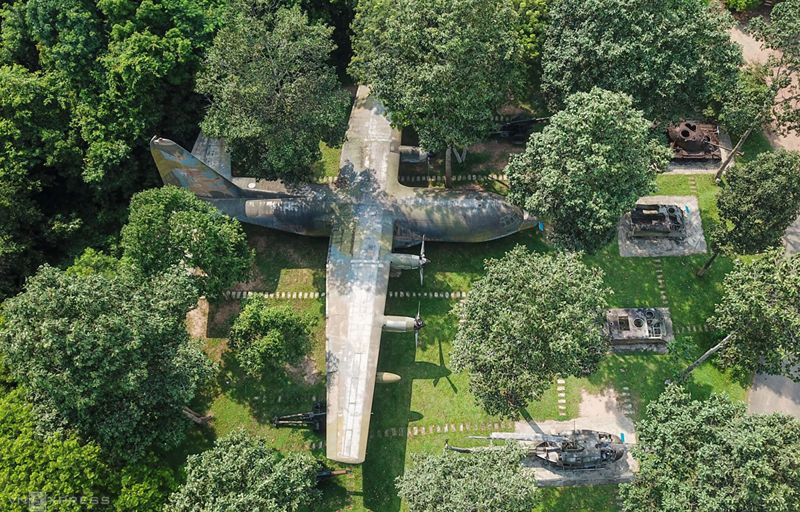
It is easy to see a Ho Chi Minh City Cu Chi Tunnel tour as an adventurous activity. You walk through the forest, look at hidden entrances, see wartime traps, and crawl through a tunnel. But Cu Chi is also a historical site connected to a long and violent period of war. The tunnel network was used for hiding, communication, storage, medical care, and military activities. More than 250 kilometers of tunnels formed part of this wider wartime network.
This context matters when you visit. You will see demonstrations that can feel unusual or even entertaining from a tourist perspective. Try to separate the modern presentation from the historical reality behind it. These were not built as attractions. They were part of a system used during wartime.
Be careful with jokes and photos
Take photos. The site has many interesting details. However, avoid making jokes about death, weapons, traps, or the war. Loud or playful behavior can feel inappropriate, especially around memorial areas.
This is particularly important at Ben Duoc. The Ben Duoc Memorial Temple was built to honor soldiers and civilians who died during the resistance against French and American forces. The official Ho Chi Minh City Tourism website describes it as a sacred memorial site within the Cu Chi complex. If your tour includes the temple, slow down for a few minutes. Speak quietly. Follow local instructions. Dress respectfully when entering the memorial area.
Do not focus only on the tunnel crawl
One common mistake is treating the tunnel as the entire attraction. The crawl is memorable, but it is only one part of the visit. Spend time listening to your guide. Look at the entrances, underground rooms, kitchens, storage areas, and other wartime structures.
Ask questions about how people lived underground. Ask how supplies were moved. Ask how the tunnel system was organized. These details help you understand why the network mattered. A good Ho Chi Minh City Cu Chi Tunnel tour should give you historical context before asking you to enter the tunnel. If the guide explains what you are seeing, the experience becomes much more meaningful.
Be respectful around local visitors
Cu Chi is not only visited by international tourists. Vietnamese families and school groups also come to learn about the country’s wartime history. Some visitors may have family connections to the conflict. You may not know their personal story.
A respectful attitude is simple. Listen to your guide. Avoid loud behavior. Do not touch historical displays unless allowed. Give people space around memorial areas. The best way to approach Cu Chi is to see it as a historical site first and an adventure experience second.
How Far Is Cu Chi from Central Ho Chi Minh City and How Long Does It Take to Get There?
Cu Chi is in the northwest of Ho Chi Minh City. The exact distance depends on which tunnel site you visit and where you start in the city.
Vietnam Tourism places Ben Dinh about 35 km from central Ho Chi Minh City and Ben Duoc about 70 km away. Another 2026 travel guide gives a broader estimate of around 30–40 km to the Cu Chi area, with Ben Dinh usually taking about 1.5–2 hours and Ben Duoc around 2–2.5 hours by road.
The important point is that Cu Chi is a proper half-day trip, not a quick city attraction. Traffic can change the journey considerably. Your hotel location also matters. A pickup from District 1 may take longer than a pickup from areas closer to the northwest side of the city.
Which site is easier to reach?
Ben Dinh is the more convenient option for most travelers with limited time. It is closer to the city and is commonly used for standard half-day tours.
Ben Duoc requires more time on the road. In return, it generally offers a quieter experience and gives you access to the Ben Duoc Memorial Temple.
When comparing tours, do not look only at the advertised tour length. Check the pickup area, departure time, tunnel site, and expected return time. For example, a tour advertised as “half-day” can still take most of your morning or afternoon once hotel pickups and traffic are included.
Should you worry about the journey?
The journey is part of the Cu Chi experience, so use the time to slow down and enjoy the changing scenery outside central Ho Chi Minh City. As you travel farther from the city, the landscape becomes more rural, with local homes, farms, and quieter roads.
If you are prone to motion sickness, bring medication and avoid a heavy meal before departure. Keep some water with you, especially during warmer months. It is also worth checking the pickup arrangement before booking. A tour with too many hotel stops can make the journey feel longer than expected. Ask whether your hotel is on the pickup route and how many stops are usually included.
Is a Cu Chi Tunnel tour suitable for people afraid of tight spaces?
A Ho Chi Minh City Cu Chi Tunnel tour may not be suitable if you are strongly afraid of enclosed spaces. The tourist tunnel sections have been widened for visitors. However, they are still narrow and low. You may need to crouch, bend, or crawl. The official Ho Chi Minh City Tourism website specifically advises visitors with claustrophobia not to enter the small tunnels.
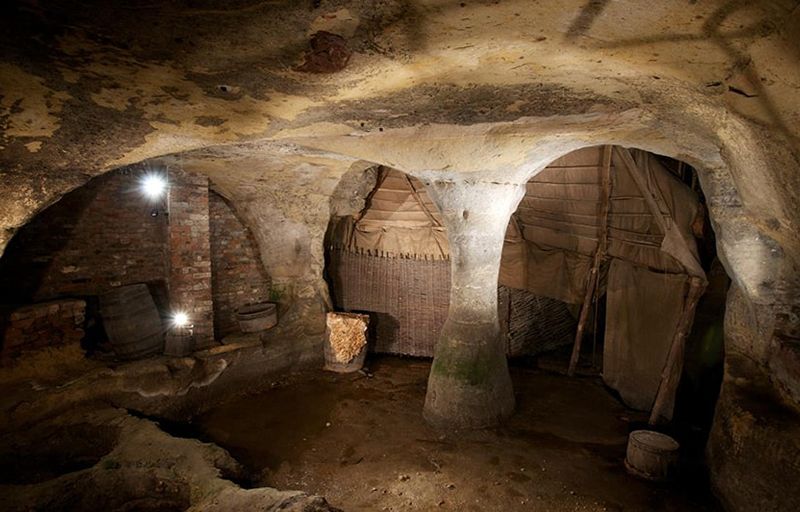
The tunnel is also warm and humid. There is limited space to turn around. This can make the experience feel more intense than you expect. The good news is that crawling through the tunnel is not the only way to experience Cu Chi. You can stay above ground and still see the hidden entrances, traps, underground structures, demonstrations, and other historical areas. As a local guide tip, do not wait until you are inside to decide. Tell your guide before the tunnel section if you feel uncomfortable. They can explain where you can stop or skip the crawl.
You should also think about physical mobility. Visitors with back or knee problems may find crouching and crawling uncomfortable. Some current tour operators specifically advise against the tunnel experience for travelers with mobility limitations. If you are only mildly nervous, you can try a short section and return when you have had enough. There is no need to prove anything.
Should I combine it with the War Remnants Museum on the same day?
Yes, you can combine Cu Chi with the War Remnants Museum. In fact, the two sites work well together from a historical perspective. Cu Chi gives you a physical look at underground wartime life. The War Remnants Museum gives you photographs, documents, military equipment, and other evidence of the wider conflict.
The biggest advantage is convenience. You can visit both without using another full day. Several current tour itineraries combine a morning Cu Chi visit with the museum in the afternoon. Some return to central Ho Chi Minh City around midday before continuing to the museum.
However, do not expect a slow day.
Cu Chi requires the longer journey outside the city. The museum is back in central Ho Chi Minh City. You will also spend several hours walking and listening during the two visits. The museum itself deserves time. If you want to read the displays carefully, one hour may feel rushed. Current combined tours can give visitors around one hour of free museum time, so check the itinerary before booking.
I recommend this combination if:
- You have limited time in Ho Chi Minh City.
- You are interested in Vietnam War history.
- You prefer to complete the major historical sites in one day.
- You do not mind a fairly full itinerary.
I would separate them if:
- You prefer a relaxed travel pace.
- You want to spend several hours inside the museum.
- You are traveling with young children or older travelers who need more breaks.
- You want to combine Cu Chi with another long day trip.
For the best flow, visit Cu Chi in the morning and the War Remnants Museum after returning to the city. The longer journey is easier to handle earlier in the day. One more local tip: the museum contains difficult wartime material. Some exhibits are emotionally heavy. Give yourself some quiet time after the Cu Chi visit before entering if you need it.
So, yes, combining both is practical. Just choose it because you want a full history-focused day, not because you want to squeeze as many attractions as possible into one schedule.
Read more: Vietnam Family Tour Packages: Fun & Comfortable Trips for All Ages
Is the shooting range an extra cost and mandatory?
No. The shooting range is optional and is not mandatory for a Cu Chi Tunnel visit.
Lily’s Travel’s current Cu Chi itineraries list shooting activities as an optional add-on. The shooting range is normally booked and paid for separately from the standard tunnel experience.
This means you can visit Cu Chi, enter the tunnels, see the historical displays, and complete the tour without shooting any firearms. If you are not interested in the shooting activity, simply tell your guide that you want to skip it. This is worth checking when comparing tour prices. A cheap-looking tour may advertise the shooting range as an additional activity. Do not assume that the advertised price includes it.
If you do want to try it, check the operator’s current rules before booking. Age restrictions and available firearms can vary by shooting range and tour. From a local-guide perspective, I would not choose a Cu Chi tour based on the shooting range.
The tunnels and historical explanations are the main reason to visit. The shooting activity is an optional add-on for visitors who specifically want that experience. Also remember that the official Ho Chi Minh City Tourism guidance asks visitors who participate in shooting activities to follow the necessary safety measures. If your main interest is history, you can comfortably skip it and use the extra time to listen to your guide or explore the site.
Should I book a private tour or a group tour?
Both can work well. The better choice depends on your priorities. A group tour is usually the better option if you want to keep the cost down. Transport, entrance arrangements, and a guide are normally handled together. You also get the chance to meet other travelers.
The main downside is the fixed schedule. You may need to wait for other passengers during hotel pickups. You also have less control over how long you spend at each part of the site. Small-group tours are a useful middle ground. Current 2026 tours commonly advertise groups of around 10–12 people. Some smaller options cap the group at five.
For many travelers, I would choose a small-group tour rather than a large coach tour. You still get the convenience of shared transport, but it is easier to hear the guide and move around the site. A private tour makes more sense when flexibility matters.
You can usually control the departure time more easily. You can also spend longer at places that interest you and move on when you are ready. This can be particularly useful for families, older travelers, or travelers who do not want to rush through the tunnel experience. Current private-tour products emphasize a more flexible pace and no large coach group.
I would choose a private tour if:
- You are traveling with family or a small group.
- You have children or older travelers with you.
- You want more control over departure time.
- You want to avoid long hotel pickup routes.
- You prefer asking the guide many questions.
- You want to combine Cu Chi with another attraction.
I would choose a group tour if:
- You are traveling alone or as a couple.
- You want a lower price.
- You do not mind a fixed schedule.
- You are happy with a standard itinerary.
- You mainly need convenient transport and a guide.
There is also a third option that I often recommend: a small-group tour with a limited number of travelers. It gives you most of the convenience of a group tour without the feel of a large bus. Some current tours combine hotel pickup, an English-speaking guide, entrance fees, and a maximum group size of 10.
Before booking, check four things:
- First, check the group size. “Group tour” can mean very different things.
- Second, check the exact tunnel site. Ben Dinh and Ben Duoc offer different experiences.
- Third, check what is included. Look for transport, entrance fees, lunch, and any optional activities.
- Finally, check the pickup and return time. This matters more than the headline tour duration.
Ready to explore the Cu Chi Tunnels? Let Lily’s Travel help you choose the right tour for your Vietnam itinerary. With more than 15 years of experience and over 2,000 five-star Tripadvisor reviews, Lily’s Travel provides well-organized tours designed around real traveler experiences. Its knowledgeable team researches destinations carefully and offers practical advice, helping international visitors discover Vietnam’s history, culture, and regional character through professional and friendly service.
Ho Chi Minh City Cu Chi Tunnel tour is a worthwhile choice for travelers who want to understand more about Vietnam’s wartime history. Choose Ben Dinh for convenience or Ben Duoc for a quieter visit. A half-day tour is enough for most travelers, while a private or small-group option offers more flexibility. Most importantly, prepare for the heat, respect the memorial site, and only enter the tunnels if you feel comfortable.