


When planning a Southeast Asia itinerary, many travelers hesitate between Hanoi or Bangkok. These two famous capitals attract millions of visitors each year, but they provide very different travel styles. Hanoi offers a deep cultural atmosphere and a strong connection to local life. Bangkok delivers big-city energy, diverse entertainment, and modern convenience. In this article, we compare both cities across important travel factors to help you decide where to go.
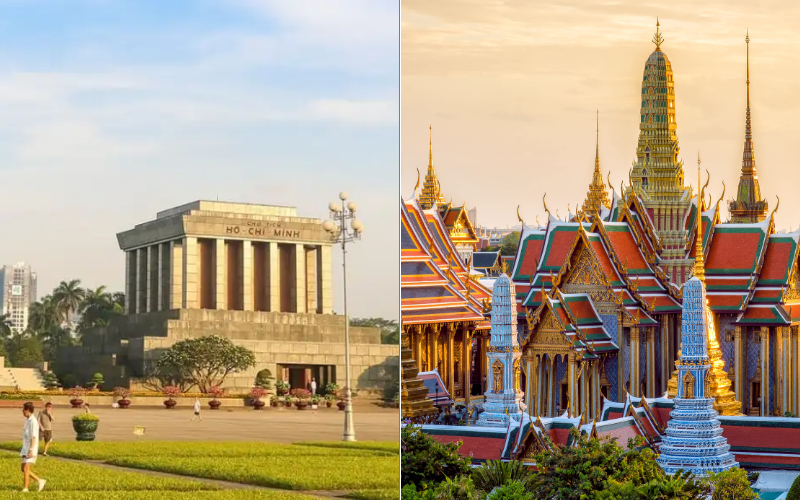
Hanoi or Bangkok, which one should you visit
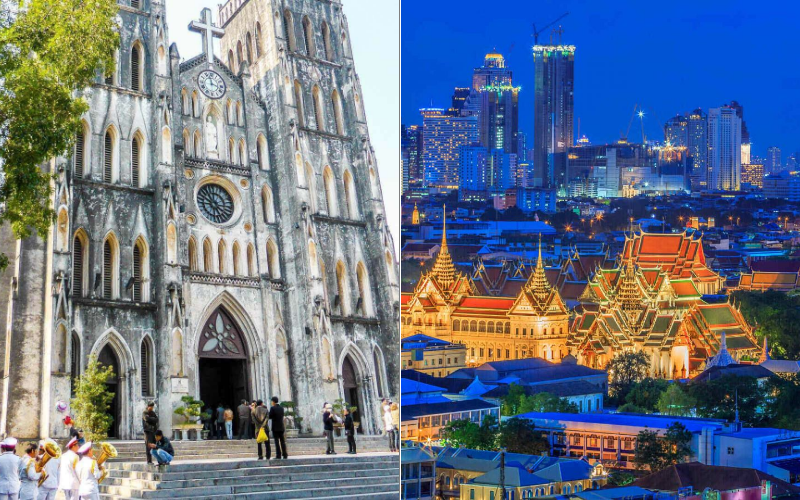
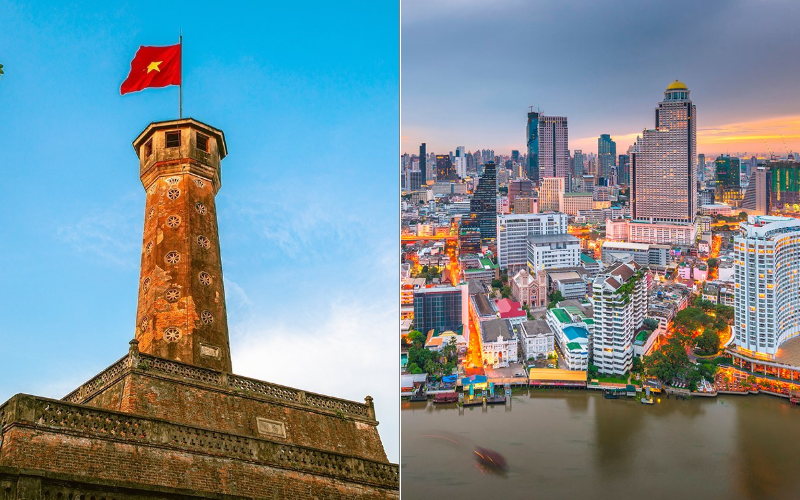
Choosing Hanoi or Bangkok is more than picking a destination on a map. Both cities are major capitals in Southeast Asia with deep histories and strong personalities. Yet they offer very different travel experiences. Bangkok feels big and busy. It spreads out over a large area with tall buildings, wide roads, and many places to explore. Bangkok has a world-famous nightlife scene and modern comforts. You can see centuries-old temples next to huge shopping centers. Bangkok also has international flights and good transport links that make travel easy.
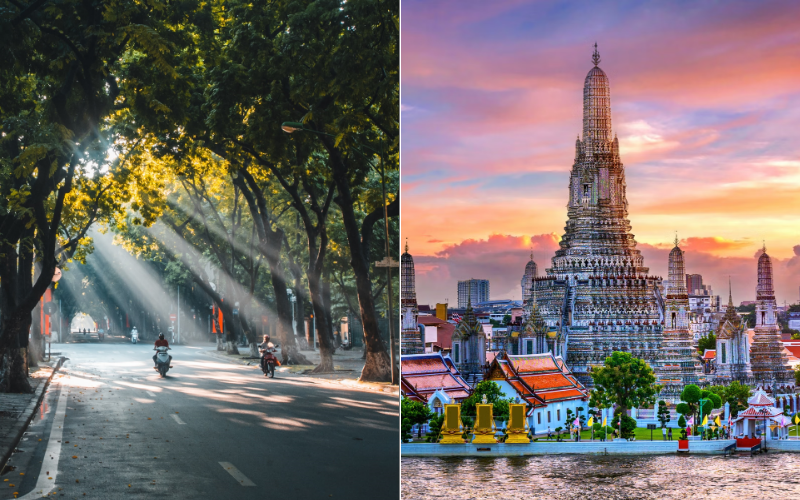
Hanoi feels more compact. You can walk through many areas and feel the history around every corner. The Old Quarter is full of narrow streets and traditional markets. You see examples of French colonial architecture and old Vietnamese culture blending together. Hanoi has a slower rhythm. You can enjoy coffee by a quiet lake in the morning and explore museums in the afternoon. Many travelers say Hanoi feels more personal and reflective.
If you want an intense, lively city full of energy and choices, Bangkok may suit you better. If you prefer a travel experience that feels rooted in local life and history, Hanoi may be more memorable. The choice between Hanoi or Bangkok is about what kind of experience you want on your trip.
Culture and atmosphere in Hanoi vs Bangkok
When comparing Hanoi or Bangkok, culture and atmosphere are often the deciding factors. These two capitals offer very different emotional experiences. One feels fast and global. The other feels intimate and deeply rooted in history.
Below is a clear side-by-side overview to help you understand the differences quickly:
| Aspect | Hanoi | Bangkok |
| Overall vibe | Calm, reflective, traditional | Energetic, bold, modern |
| City scale | Compact and walkable areas | Large and spread out |
| Cultural feel | Strong local identity | Mix of global and Thai culture |
| Daily rhythm | Slower pace | Fast and active all day |
| Visual contrast | Colonial buildings, lakes, old streets | Skyscrapers beside temples |
Bangkok: A global city with strong traditions
Bangkok feels like a major international hub. The city stays active from early morning until late at night. Traffic flows constantly through wide avenues and crowded streets. Modern shopping malls remain open late, and rooftop bars begin to fill after sunset.
Yet beneath this modern energy, traditional Thai culture remains highly visible.
Golden Buddhist temples stand beside glass office towers. Monks in saffron robes walk quietly through busy streets during their morning alms rounds. Local residents often stop to pray at small spirit houses placed outside homes, shops, and office buildings. These daily rituals show how spiritual beliefs remain part of everyday life in Bangkok.
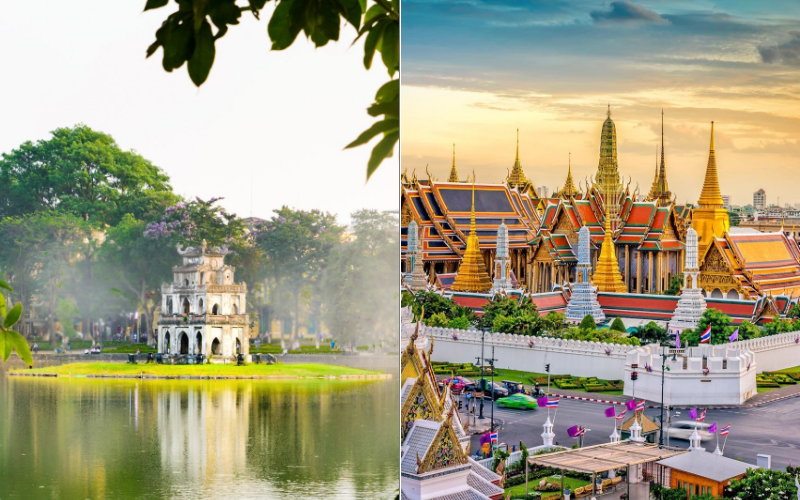
Religion plays an important role in shaping the city’s culture. Important temples such as Wat Phra Kaew, Wat Pho, and Wat Arun attract both worshippers and visitors. These sacred sites reflect Thailand’s long Buddhist heritage and royal history.
Traditional festivals also bring Bangkok’s culture to life. During Songkran, the Thai New Year celebration, the entire city transforms into a massive public festival. Streets fill with people celebrating with water, music, and laughter. The festival symbolizes purification, renewal, and respect for elders.
Thai royal traditions also influence Bangkok’s cultural identity. Ceremonies connected to the monarchy, temple rituals, and national celebrations reflect the country’s respect for history and hierarchy.
This combination of modern global city life and deeply rooted traditions defines Bangkok’s atmosphere. Skyscrapers and modern transit systems shape the skyline, but centuries-old beliefs, rituals, and festivals continue to guide daily life.
Hanoi: Quiet depth and local life
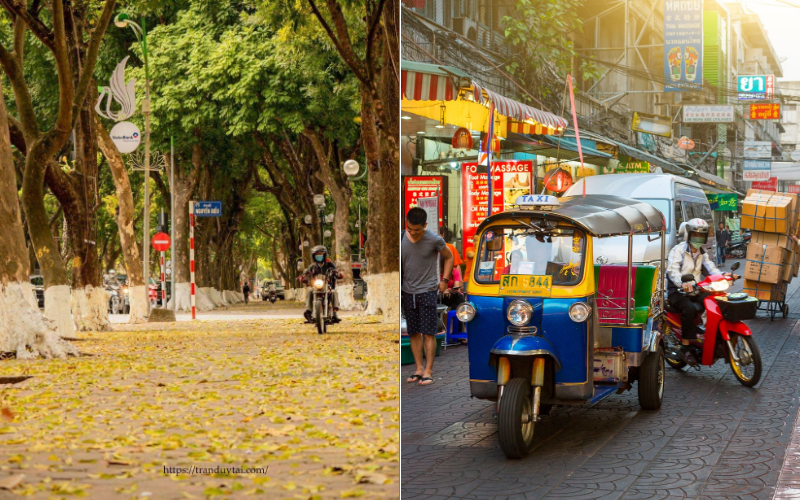
Hanoi offers a different feeling. The pace is slower. The streets in the Old Quarter are narrow and full of character. French colonial buildings stand beside small family shops. Many businesses have operated for decades.
Culture in Hanoi shows itself in small daily rituals. Locals gather around Hoan Kiem Lake in the early morning. People drink strong Vietnamese coffee on low plastic stools. Street vendors sell simple dishes that locals eat every day.
Museums such as the Hanoi Museum tell Vietnam’s long story through artifacts and exhibitions. Traditional water puppetry performances reflect centuries of rural culture. Hanoi feels personal and grounded. The energy is softer. The experience feels closer to everyday life.
Historical and cultural attractions in Hanoi and Bangkok
When thinking about Hanoi or Bangkok, both cities offer remarkable historical and cultural attractions. Yet the way you experience history in each place feels very different.
| Experience | Hanoi | Bangkok |
| Historical atmosphere | Quiet and reflective | Grand and visually dramatic |
| Key symbols | Lakes, temples, museums | Palaces, royal temples, monuments |
| Scale | Intimate and walkable | Large and majestic |
| Emotional tone | Thoughtful and layered | Impressive and vibrant |
Hanoi: History you can walk through
In Hanoi, history feels close and personal. You do not need to search for it. It surrounds you as you move through the city.
The Temple of Literature, founded in 1070, stands as a symbol of Vietnam’s respect for education. It was the country’s first university. Stone stelae honor ancient scholars. Courtyards and gardens create a calm space for reflection. The atmosphere encourages quiet observation.
Near the center of the city, Hoan Kiem Lake offers both beauty and legend. Turtle Tower rises from the water as a reminder of a historic sword returned to a sacred turtle. Early mornings here feel peaceful. Locals walk, stretch, and practice tai chi.
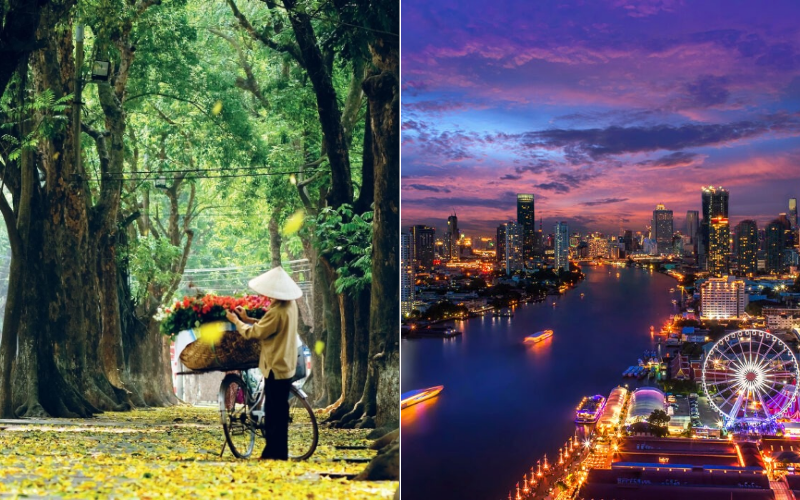
Tran Quoc Pagoda, located on West Lake, is one of the oldest Buddhist temples in Hanoi. The setting is simple but meaningful. The pagoda reflects centuries of spiritual life. Museums add deeper context. The Hoa Lo Prison Museum presents difficult chapters of history. The Vietnam Museum of Ethnology highlights the country’s cultural diversity. These sites help visitors understand Vietnam beyond surface impressions. Hanoi’s history invites you to slow down and think.
Bangkok: Grandeur and royal heritage
Bangkok presents history in bold and ornate ways. The scale is larger. The details are vivid.
The Grand Palace and Wat Phra Kaew form the spiritual and political heart of Thailand. Golden spires shine in the sunlight. Intricate murals cover temple walls. The Emerald Buddha holds deep national significance.
Nearby, Wat Pho is known for its Reclining Buddha. The statue is massive and covered in gold leaf. The temple complex also houses a traditional Thai massage school, connecting heritage with daily practice. Wat Yannawa, often called the “boat temple,” reflects historical ties with Chinese trade. Its unique shape stands out among Bangkok’s many temples.
Bangkok’s cultural story extends beyond religious sites. Jim Thompson’s House preserves traditional Thai architecture and art. Markets and historical parks show how local traditions continue in modern life.
Bangkok’s history feels powerful and alive in color and scale.
Food comparison between Hanoi and Bangkok
Food is one of the most exciting reasons to compare Hanoi or Bangkok. Both cities are culinary capitals in Southeast Asia. Yet their flavors, cooking styles, and dining atmosphere feel very different.
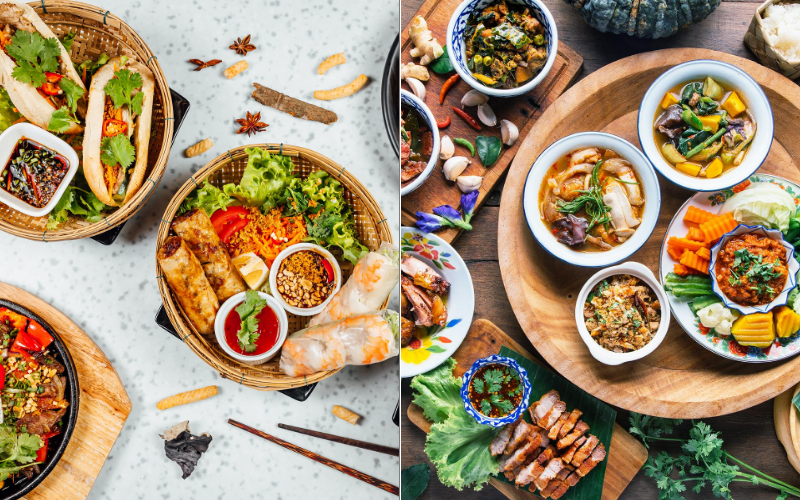
| Element | Hanoi | Bangkok |
| Flavor style | Light, balanced, subtle | Bold, spicy, layered |
| Key ingredients | Fresh herbs, broth, grilled meats | Chili, lime, fish sauce, palm sugar |
| Street food vibe | Small stools, local alleys | Busy markets, vibrant night stalls |
| Overall impression | Refined and comforting | Energetic and intense |
Hanoi: Harmony in every bowl
Hanoi’s food culture is rooted in tradition. Recipes are often passed down through generations. The focus is on balance and freshness.
Pho is the city’s most iconic dish. The broth simmers for hours. The flavor is deep but not overpowering. Fresh herbs, lime, and chili allow you to adjust the taste to your liking. Another favorite is bun cha, which combines grilled pork, rice noodles, and dipping sauce. The smoky meat pairs with crisp herbs and pickled vegetables. Banh mi offers a blend of French and Vietnamese influences, with crusty bread filled with savory ingredients.
Hanoi’s cuisine has gained global recognition for its quality and affordability. Street food is easy to access. Small vendors operate in the narrow streets of the Old Quarter. You often sit on low stools close to the action. The experience feels local and authentic.
The flavors are clean and harmonious. Nothing feels rushed or overwhelming.
Bangkok: A symphony of bold flavors
Bangkok’s food scene is vibrant and dynamic. Thai cuisine often combines spicy, sweet, sour, and salty flavors in one dish. Pad Thai is a well-known staple. It mixes stir-fried noodles with tamarind, peanuts, and lime. Tom yum goong delivers a sharp and spicy kick balanced by citrus notes. Som tam, or green papaya salad, brings heat and freshness together.
Street food in Bangkok is energetic. Night markets glow with lights and smoke from grills. You can sample grilled pork skewers, boat noodles served in small bowls, and desserts like mango sticky rice.
Bangkok’s food feels adventurous. The flavors are strong and memorable. Each bite makes an impression.
Cost of travel in Hanoi vs Bangkok
When comparing Hanoi or Bangkok, budget often plays a major role in the decision. Both cities are considered affordable by global standards. However, Hanoi is generally the cheaper destination overall.
Based on traveler reports and cost-of-living comparisons, visitors often spend 20–50% more per day in Bangkok, depending on their travel style. Budget travelers in Hanoi might spend around $25–40 per day, while similar travel in Bangkok may cost $40–70 per day.
Typical travel costs in Hanoi vs Bangkok
| Expense category | Hanoi (Average price) | Bangkok (Average price) |
| Hostel bed | $6–12 per night | $10–18 per night |
| Budget hotel | $18–35 per night | $30–60 per night |
| Mid-range hotel | $45–80 per night | $70–130 per night |
| Street food meal | $1.5–3 | $2–5 |
| Restaurant meal | $5–10 | $8–18 |
| Coffee | $1–2 | $2–4 |
| Local transport ride | $1–3 | $2–5 |
| Daily travel budget | $25–40 | $40–70 |
Accommodation Costs
Accommodation in Hanoi is very budget-friendly.
Backpackers can easily find hostel beds for $6–12 per night in areas like the Old Quarter. Private guesthouses usually range between $15–25 per night. Mid-range hotels with good comfort and central locations typically cost $45–80 per night.
In Bangkok, hostels usually cost $10–18 per night. Budget hotels range from $30–60 per night. Mid-range hotels near popular areas such as Sukhumvit or Siam can cost $70–130 per night. Prices rise further near BTS Skytrain stations or major attractions.
If comfort matters but the budget is limited, Hanoi usually stretches your money further.
Food and daily expenses
Street food is affordable in both cities, but Hanoi often wins on price.
In Hanoi:
- A bowl of pho costs around $1.5–3
- Bun cha or local noodles usually cost $2–4
- Vietnamese coffee costs about $1–2
In Bangkok:
- Street noodles or rice dishes typically cost $2–5
- Casual restaurant meals range from $8–18
- Coffee in cafés costs about $2–4
Dining inside shopping malls or international restaurants in Bangkok can easily cost $15–25 per person, which raises the daily budget.
Transportation costs
Getting around Hanoi is generally inexpensive.
Typical prices include:
- Grab or taxi short ride: $1.5–3
- Bus ticket: about $0.30–0.40
- Motorbike taxi (xe ôm): $1–2 for short distances
Many attractions in the Old Quarter are close enough to explore on foot.
In Bangkok, public transport is efficient but slightly more expensive:
- BTS Skytrain (Elevated train system): $1.2–2.5 per trip
- MRT subway (Bangkok’s underground subway system): $1–2.3 per trip
- Tuk-tuk short ride: $3–6 (price negotiation required)
- Taxi base fare: around $1.2, but traffic can increase the total cost.
Weather and best time to visit Hanoi or Bangkok
Weather plays an important role when choosing Hanoi or Bangkok as your travel destination. Climate affects how comfortable you feel while walking, visiting temples, or exploring markets. Both cities have clear seasonal patterns, but their climates are slightly different.
| Season | Hanoi | Bangkok |
| Cool / Dry Season | Oct – Apr (best period) | Nov – Feb (best period) |
| Hot Season | May – Aug | Mar – May |
| Rainy Season | Jun – Aug (peak rain) | May – Oct |
Hanoi: Four distinct seasons
Hanoi experiences four seasons, which gives the city noticeable changes throughout the year.
The most comfortable time to visit is from October to April. During these months, temperatures are cooler and humidity is lower. Skies are often clear, especially from October to December. Walking around the Old Quarter or Hoan Kiem Lake feels pleasant. Day trips to nearby areas are also easier.
From June to August, Hanoi becomes hot and humid. Afternoon rain showers are common. Heavy downpours may interrupt outdoor plans. The air can feel thick during peak summer days.
Spring and autumn are generally the most enjoyable seasons for sightseeing.
Bangkok: Tropical and consistently warm
Bangkok has a tropical climate with three main seasons: dry, hot, and rainy.
The best time to visit is usually from November to February. Temperatures are slightly cooler. Humidity drops compared to other months. This makes temple visits and outdoor markets more comfortable. From March to May, the heat intensifies. Temperatures can rise significantly during the day. Exploring under direct sunlight may feel exhausting.
The rainy season runs from May to October. Sudden thunderstorms are common. Rain often comes in short but heavy bursts. Travelers during this period should plan flexible schedules and include indoor activities.
Shopping experience in Hanoi vs Bangkok
When thinking about Hanoi or Bangkok, shopping quickly reveals how different the two cities feel. One leans toward tradition and local craft. The other impresses with size and variety.
| Feature | Hanoi | Bangkok |
| Overall style | Traditional and craft-focused | Large-scale and diverse |
| Famous markets | Dong Xuan Market | Chatuchak Weekend Market |
| Specialty streets | Hang Gai (silk), Hang Bac (silver) | Pratunam (fashion wholesale) |
| Mall culture | Growing and modern | Massive and world-class |
| Bargaining | Common in markets | Common in street markets |
Hanoi: Traditional markets and local crafts
Shopping in Hanoi feels connected to history. The Old Quarter is organized by trade streets. Each street once specialized in a single craft.
- Hang Gai Street is known for silk products. You can find scarves, dresses, and custom tailoring.
- Hang Bac Street focuses on silver jewelry and small accessories.
Dong Xuan Market, the largest indoor market in Hanoi, sells fabrics, souvenirs, clothing, and local snacks. Prices are often flexible. Bargaining is expected and part of the experience.
On weekends, the Hanoi Night Market stretches through the Old Quarter. Small stalls sell handmade goods, T-shirts, and street food. The atmosphere feels lively but still intimate.
For modern comfort, Hanoi offers malls such as Trang Tien Plaza, Vincom Center, and Aeon Mall Long Bien. These spaces provide fixed prices, air conditioning, and international brands. They are quieter and more structured than traditional markets.
Bangkok: Scale, variety, and modern comfort
The Chatuchak Weekend Market is one of the biggest markets in the world. It has over 15,000 stalls. You can find clothing, antiques, plants, furniture, art, and home goods. The size alone can feel overwhelming. Pratunam Market is popular for affordable clothing and textiles. Many small shops sell fashion items at wholesale prices.
Bangkok is also known for its enormous malls. Complexes like EmSphere, along with other major shopping centers, offer international brands, restaurants, cinemas, and entertainment spaces. These malls are comfortable during hot or rainy days. Bangkok gives you endless options. You can move from street bargains to luxury boutiques within minutes.
Nightlife and entertainment in Hanoi and Bangkok
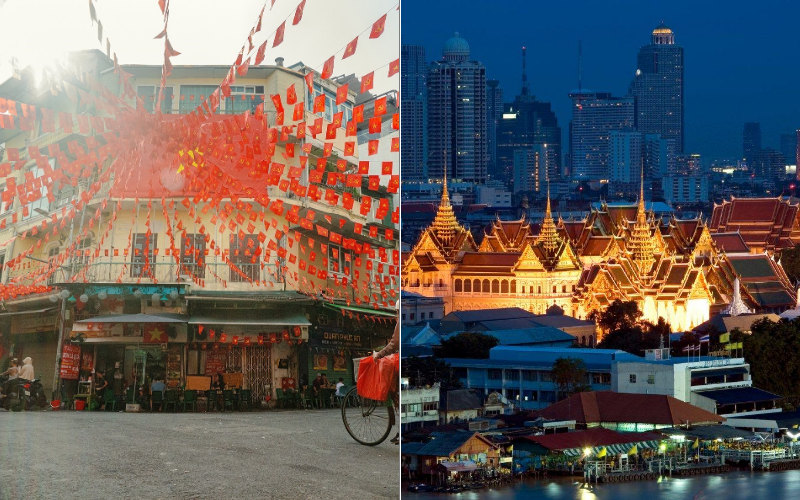
Another big difference when comparing Hanoi or Bangkok appears after sunset. The rhythm of each city changes in very different ways.
| Feature | Hanoi | Bangkok |
| Overall vibe | Relaxed and social | Energetic and diverse |
| Popular area | Ta Hien Street (Old Quarter) | Sukhumvit, Silom, Riverside |
| Closing time | Earlier, often before midnight | Many venues open late |
| Night markets | Smaller and local | Large and entertainment-focused |
| Cultural shows | Water puppetry, traditional music | Live music, cabaret, performances |
Hanoi: Social evenings and cultural touches
Hanoi’s nightlife feels intimate. Activity centers around the Old Quarter, especially Ta Hien Street. In the evening, small plastic stools fill the sidewalks. Locals and travelers gather to drink bia hoi, a fresh local draft beer.
The atmosphere is casual. Conversations flow easily. You can move from one small bar to another within minutes. Many places are lively early in the night but close before midnight due to local regulations.
For travelers who prefer culture over parties, Hanoi offers meaningful evening options. Water puppetry shows present traditional Vietnamese stories through music and performance. Small venues host live traditional music. These activities feel calm and authentic.
A typical night in Hanoi may include:
- Street food dinner
- A walk around Hoan Kiem Lake
- Drinks on Ta Hien Street
- A cultural performance
Bangkok: Big energy after dark
Bangkok transforms at night. The city becomes brighter and louder. You can visit rooftop bars with skyline views. You can dance in nightclubs with international DJs. Entertainment districts offer music venues, lounges, and late-night restaurants. Many places stay open well past midnight.
Night markets add another layer. Asiatique The Riverfront combines shopping, dining, and river views. Talad Neon and other markets mix street food with live music and entertainment. These spaces attract both locals and tourists.
A night in Bangkok might include:
- Dinner at a night market
- Drinks at a rooftop lounge
- Late-night clubbing
- Street food after midnight
Getting around Hanoi vs Bangkok
When comparing Hanoi or Bangkok, transportation can shape your entire experience. Easy transport means less stress and more time exploring. Both cities offer multiple options, but the systems feel very different.
| Feature | Hanoi | Bangkok |
| Main transport style | Motorbikes and taxis | Skytrain and subway |
| Traffic level | Busy, scooter-heavy | Heavy traffic but strong rail system |
| Public transit clarity | Limited English signage | Tourist-friendly and organized |
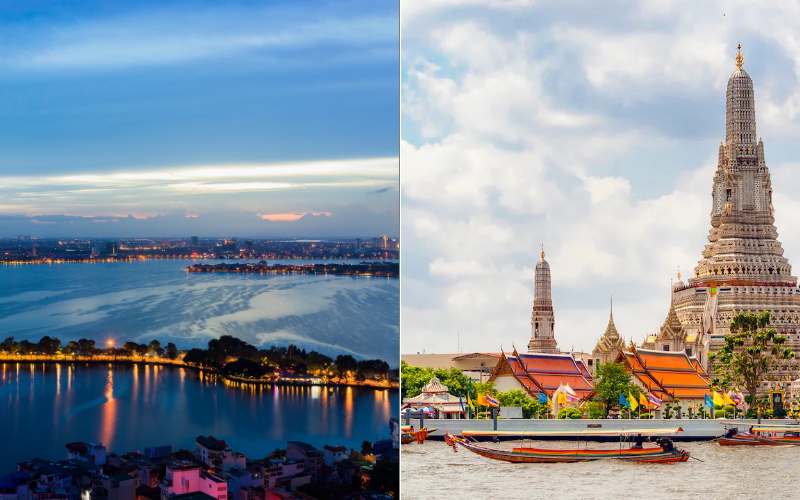
| Scenic transport | Walking around lakes | River boats on Chao Phraya |
| Ease for first-timers | Moderate | High |
Hanoi: Flexible but chaotic charm
Hanoi moves on two wheels. Motorbikes dominate the streets. For first-time visitors, the traffic may look overwhelming, especially in the Old Quarter.
Most travelers use:
- Ride-hailing apps like Grab
- Taxis for comfort
- Xe ôm (motorbike taxis) for short, quick trips
- Local buses for very low-cost travel
Buses are cheap, but route information is often in Vietnamese. This can make navigation harder for non-local speakers. Hanoi’s metro system is still developing and not widely used by visitors. Inside the city, rail coverage remains limited. However, trains connect Hanoi to other destinations across Vietnam.
Walking is also practical in central districts. Many attractions in the Old Quarter and near Hoan Kiem Lake are close together. Hanoi’s transport feels flexible and affordable, but less structured.
Bangkok: Structured and tourist-friendly
Bangkok offers more organized public transport. The BTS Skytrain and MRT subway connect key shopping areas, business districts, and tourist attractions. These systems help visitors avoid traffic congestion.
Another unique option is the Chao Phraya River boat. It provides a scenic and efficient way to reach riverside temples and markets.
Other options include:
- Tuk-tuks for short rides (agree on price first)
- Metered taxis
- Ride-hailing apps
Traffic can still be heavy on the roads. However, the rail network reduces travel time significantly. Bangkok’s signage is clearer, and ticket systems are easier for international visitors.
Hanoi or Bangkok for first-time visitors
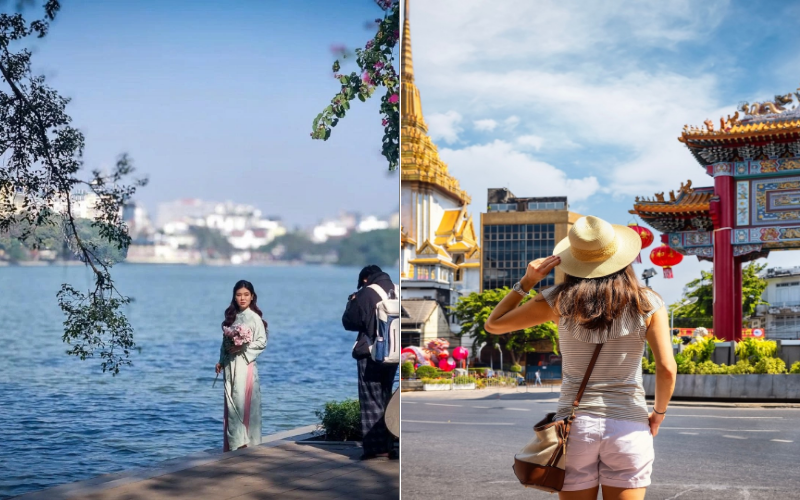
If this is your first trip to Southeast Asia, choosing between Hanoi or Bangkok can strongly shape your overall experience. Both cities are welcoming and exciting. Yet they introduce the region in very different ways.
| Factor | Hanoi | Bangkok |
| Ease of navigation | Moderate | Easy |
| English usage | Basic to moderate | Widely spoken |
| Public transport | Limited rail system | BTS & MRT are efficient |
| Cultural immersion | Strong and local | Mixed with global influence |
| Overall feeling | Intimate and authentic | Structured and accessible |
Why Bangkok feels easier for beginners
For many first-time visitors, Bangkok feels simple to manage.
- English is widely spoken in hotels, malls, and stations.
- Signs in public transport are clear.
- The BTS Skytrain and MRT subway connect major areas efficiently.
- Many organized tours and day trips are available.
The city has a strong tourism infrastructure. You can book guided temple visits, floating market tours, and airport transfers with little effort. Bangkok offers comfort and predictability. This can reduce stress during your first visit to Asia.
Why Hanoi feels more immersive
Hanoi offers a more intimate introduction to the region.
The Old Quarter is compact and walkable. Street food stalls line the sidewalks. Daily life unfolds in front of you. Morning exercise groups gather by Hoan Kiem Lake. Vendors prepare fresh pho at dawn.
The city feels rooted in tradition. You experience culture not just in attractions, but in everyday routines. However, traffic can seem overwhelming at first. Public transport is less structured. English signage is more limited. These factors may require patience. For many travelers, this challenge becomes part of the charm.
Make the most of your Southeast Asia journey — travel with Lily’s Travel today. Lily’s Travel offers diverse itineraries across Vietnam, Laos, and Cambodia that highlight nature, culture, and local life. Their young and enthusiastic team brings fresh perspectives to experiential travel while maintaining high professional standards. With modern 3D tour previews and thoughtful customer support, they help travelers plan confidently before the trip even begins.
Hanoi or Bangkok can both serve as powerful introductions to the region. Hanoi reveals tradition through subtle details and everyday life. Bangkok impresses with its scale, infrastructure, and vibrant energy. Each city has strengths in food, history, shopping, and nightlife. Your decision should reflect whether you seek calm immersion or lively exploration.