


Hanoi or Chiang Mai is often debated among travelers who want a meaningful and affordable Asian getaway. These two cities may share a similar region, but their personalities are distinct. Hanoi delivers energy, movement, and a strong sense of tradition mixed with modern growth. Chiang Mai offers a calmer setting, surrounded by mountains and historic temples. Some visitors look for vibrant street life, while others prefer a slower pace with nature nearby. The decision depends on what kind of experience you want from your trip.
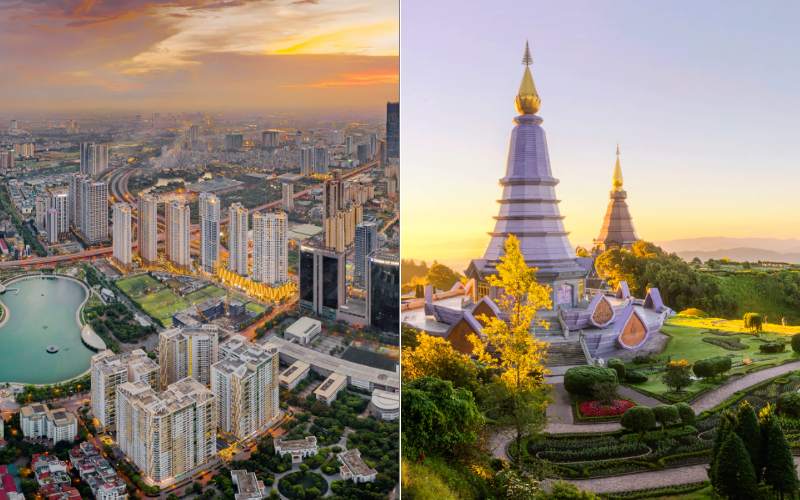
Hanoi or Chiang Mai, which destination matches your travel mood
When you think about Hanoi or Chiang Mai as your next travel destination, the first thing to consider is your travel mood. These two cities are very different in the way they feel once you arrive. Hanoi is Vietnam’s capital city. It is big, busy, and full of people and activity. The streets are alive with motorbikes everywhere, local markets, and cafés on nearly every corner.
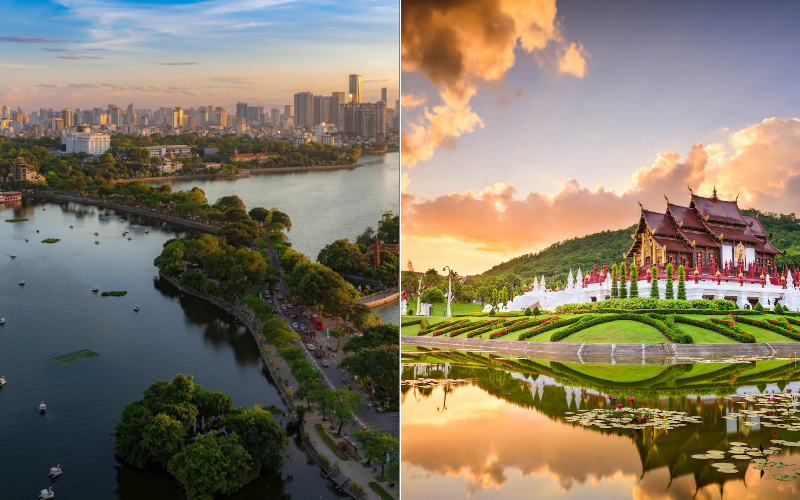
You will find culture in every alley, and the city has a strong sense of history and tradition. However, it can also feel loud and fast. Chiang Mai in northern Thailand is quieter. The city has a slower rhythm. You can walk around the Old City at your own pace without noise or heavy traffic.
Temples, cafés, and markets create a calm atmosphere. Some travelers describe Chiang Mai as relaxed and friendly, perfect for long stays and slow exploration. Whether you are choosing Hanoi or Chiang Mai comes down to how you want to feel on your trip: energetic and active, or peaceful and slow-paced.
Pace of life and city atmosphere in Hanoi and Chiang Mai
The pace of life in Hanoi and Chiang Mai shows a clear difference between these two cities. Hanoi is large and busy. It has millions of people living in and around the city. You will see motorbikes, cars, buses, and scooters almost every hour of the day. Street food stalls open early and stay open late.
The city feels busy even at night. Many travelers describe Hanoi as full of noise, life, and strong local energy because of all the movement and business. In contrast, Chiang Mai feels quieter and more relaxed. The city is much smaller and easier to walk around in. The center, known as the Old City, is calm with temples, small shops, and open spaces between streets.
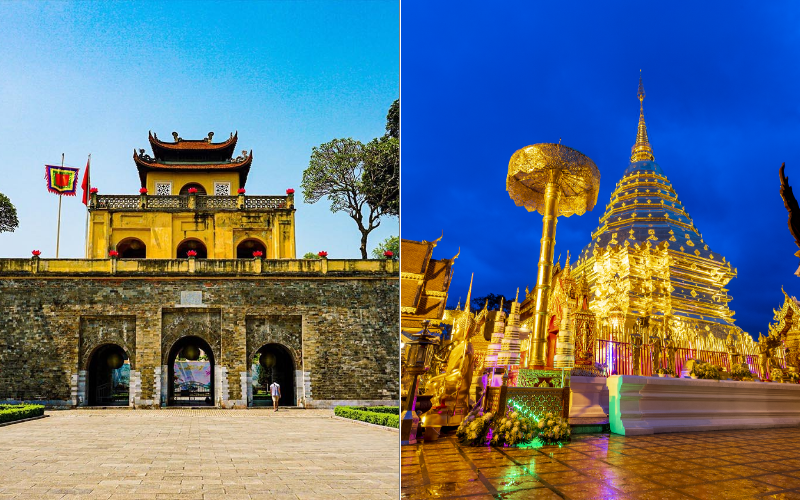
Cafés and markets are also lively, but the mood is generally slower than in Hanoi. People often compare Chiang Mai to a relaxed town rather than a large city. The slower pace makes it comfortable for travelers who want time to think, walk slowly, explore nature, or sit in cafés without the rush. When comparing Hanoi or Chiang Mai, think about how busy you want your days to be. Hanoi brings strong city energy, while Chiang Mai offers a more gentle rhythm.
Cultural immersion experience in Hanoi and Chiang Mai
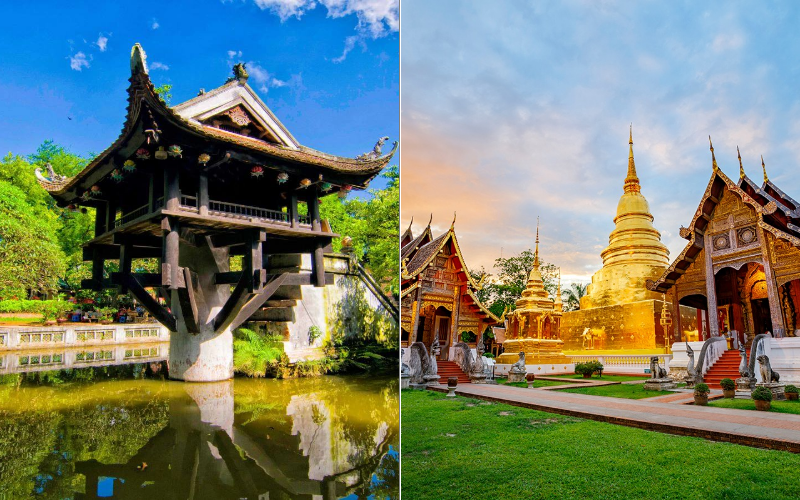
When thinking about Hanoi or Chiang Mai, both cities offer deep cultural immersion. However, the way you experience culture in each place feels very different. One city presents history through movement and urban energy. The other presents tradition through calm temples and preserved heritage. Below is a more detailed look at what cultural exploration means in both destinations.
Cultural Highlights in Hanoi
Hanoi offers a layered cultural experience shaped by over a thousand years of history. The city blends ancient Vietnamese traditions, Confucian values, French colonial influence, and modern development.
Historic and Educational Landmarks
- The Temple of Literature stands as a symbol of Vietnam’s academic heritage. Built in the 11th century, it honors scholars and Confucian teachings. Visitors can walk through peaceful courtyards, stone stelae, and traditional wooden halls.
- The Vietnam Museum of Ethnology provides insight into the country’s 50+ ethnic groups. Exhibits include traditional clothing, tools, houses, and cultural artifacts. This visit helps travelers understand Vietnam beyond the capital city.
Street Culture and Daily Life
Hanoi’s culture is not limited to official landmarks. It is visible in everyday life.
- The Old Quarter reflects centuries of trade. Each street once specialized in a particular craft or product.
- Sidewalk life plays an important role. Locals gather on small stools to drink tea or coffee.
- Early mornings around Hoan Kiem Lake show residents practicing tai chi or group exercise.
Traditional Performance
Water puppet shows are unique to northern Vietnam. Performers control wooden puppets over water, telling stories about farming life and folklore. This art form began in rural villages and continues to be preserved in Hanoi today.
In Hanoi, culture feels alive and constantly moving. It surrounds you in traffic sounds, market conversations, and daily routines.
Cultural Highlights in Chiang Mai
Chiang Mai presents a different type of immersion. Culture here centers on spirituality, architecture, and the heritage of the former Lanna Kingdom.
Temple Architecture and Spiritual Life
- Wat Phra Singh is one of the most respected temples in the city. It features detailed wood carvings and golden decorations typical of northern Thai design.
- Wat Chedi Luang is known for its large ancient chedi, partially ruined by an earthquake centuries ago. The site reflects both strength and history.
Temples in Chiang Mai are not only tourist attractions. They are active religious spaces. Visitors can observe monks, hear chanting, and see locals making offerings. This creates a respectful and peaceful environment.
Craft and Artisan Traditions
Chiang Mai is famous for preserving traditional crafts.
- Local workshops produce handwoven textiles with regional patterns.
- Ceramic studios and wood carving centers maintain techniques passed down for generations.
- Many travelers join craft classes to learn directly from local artisans.
Festivals and Markets
Cultural festivals such as Loy Krathong and Yi Peng highlight Chiang Mai’s spiritual side. Night markets also reflect local identity. These markets combine food, handmade products, music, and social gathering spaces.
In Chiang Mai, culture feels slower and more reflective. It encourages visitors to observe, learn, and engage gently with local traditions.
Detailed Cultural Comparison
| Aspect | Hanoi | Chiang Mai |
| Historical Influence | Confucian, colonial, socialist history | Lanna Kingdom heritage |
| Cultural Expression | Street life, museums, performances | Temples, crafts, festivals |
| Atmosphere | Energetic and layered | Calm and spiritual |
| Daily Cultural Exposure | Visible in markets and on sidewalks | Visible in temples and artisan communities |
Both destinations offer meaningful cultural learning. Hanoi provides immersion through constant activity and historical depth. Chiang Mai offers immersion through tradition, spirituality, and preserved craftsmanship.
Choosing between Hanoi or Chiang Mai depends on whether you prefer vibrant urban culture or peaceful heritage exploration.
Nature and outdoor experiences around Hanoi and Chiang Mai
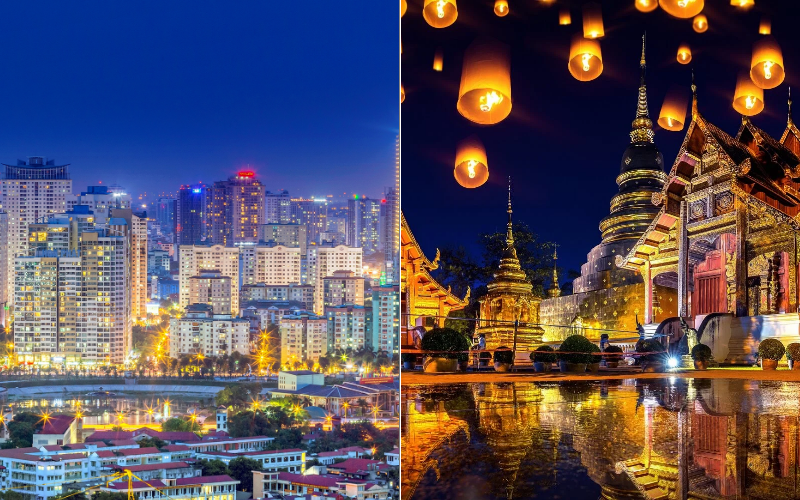
If you are choosing between Hanoi or Chiang Mai for outdoor adventures, it helps to understand how different the experiences feel. Both cities make it easy to escape into nature, but the landscapes are not alike. Around Hanoi, you will find limestone cliffs, winding rivers, and scenic boat journeys.
Around Chiang Mai, mountains and forest trails define the scenery, along with many activity-based tours. The atmosphere also changes from one destination to another. Hanoi’s nature trips often feel scenic and iconic, while Chiang Mai’s outdoor scene feels active and hands-on. Here’s what you can expect from each location.
Nature Around Hanoi
Hanoi is a busy capital, but northern Vietnam is known for its impressive natural scenery. Many outdoor destinations are located a few hours from the city. This makes Hanoi a good base for short trips into the countryside.
Limestone Landscapes and River Valleys
One of the most remarkable areas near Hanoi is the Trang An Scenic Landscape Complex. This UNESCO-listed site is famous for its limestone karst formations rising from rivers and rice fields. Visitors usually sit in small rowboats guided by local boat operators. The journey passes through caves and quiet waterways. The environment feels calm and scenic. The pace is slow, which allows you to fully enjoy the views.
Another well-known destination is Ha Long Bay. This area features thousands of limestone islands scattered across the sea. Many travelers join overnight cruises to kayak, swim, or relax on deck while watching the sunset. The experience feels dramatic and iconic. It is one of Vietnam’s most photographed landscapes.
Forest Parks and Mountain Air
For travelers who prefer hiking, Ba Vi National Park offers forest trails and panoramic viewpoints. The park is located about 1–2 hours from the city center. Temperatures are often cooler than in Hanoi. Visitors can walk through pine forests, explore old French ruins, and enjoy fresh mountain air.
Further north, Sapa is another option for trekking. The region is known for rice terraces and ethnic minority villages. Trips to Sapa usually require overnight stays due to travel distance. However, the reward is impressive mountain scenery and cultural interaction.
Overall, nature experiences around Hanoi often involve scenic drives or organized tours. The landscapes are dramatic and unique. They are ideal for photography and relaxed exploration.
Nature Around Chiang Mai
Chiang Mai offers a different outdoor experience. The city is surrounded by mountains and countryside. Many natural attractions are within one hour of the city center. This makes spontaneous day trips easy to arrange.
Mountain Parks and Waterfalls
The most famous outdoor destination is Doi Inthanon National Park. It is home to Thailand’s highest mountain. The park includes waterfalls, cool-weather forests, and maintained hiking trails. Some trails are short and easy. Others require moderate effort. The air is cooler at higher elevations, which makes hiking comfortable during the cool season.
Waterfalls are common in this region. Many are accessible by short walks from parking areas. Visitors often combine waterfalls with forest trails in a single trip.
Adventure and Active Tourism
Chiang Mai is also known for adventure activities. Tour operators offer:
- White-water rafting on nearby rivers
- Ziplining through jungle canopy systems
- Mountain biking on rural dirt roads
These activities are easy to book and usually include transportation. They appeal to travelers who want more action and physical movement.
Ethical Wildlife Experiences
Another popular attraction is visiting ethical elephant sanctuaries. These centers focus on rescue and conservation rather than entertainment. Visitors can observe elephants in open environments. Some programs allow feeding and walking with them. Educational sessions explain conservation efforts and responsible tourism.
Nature in Chiang Mai feels more hands-on and activity-based. The proximity of mountains allows visitors to explore without long travel times. The environment feels green, open, and relaxed.
Detailed Nature Comparison
| Feature | Hanoi | Chiang Mai |
| Landscape Type | Limestone karsts, rivers, bays | Mountains, forests, waterfalls |
| Travel Time | Often 2–4 hours for major sites | Many sites within 1 hour |
| Activity Style | Scenic boat rides, cruises, photography | Hiking, adventure sports, wildlife visits |
| Atmosphere | Dramatic and iconic | Accessible and active |
If slow boat rides and world-recognized limestone scenery appeal to you, Hanoi delivers some truly memorable views. If you would rather hike in the mountains, visit waterfalls, or try adventure activities without traveling far, Chiang Mai makes that easier.
In the end, choosing between Hanoi or Chiang Mai for nature comes down to your travel style. Hanoi is ideal for dramatic water landscapes and guided scenic tours. Chiang Mai suits travelers who prefer mountain settings and more flexible, activity-focused outdoor experiences.
Food culture and local dining in Hanoi and Chiang Mai
Food plays a major role when choosing between Hanoi or Chiang Mai. For many travelers, local cuisine becomes one of the most memorable parts of the trip. While both cities are affordable and flavorful, their food culture feels different in atmosphere, ingredients, and dining style.
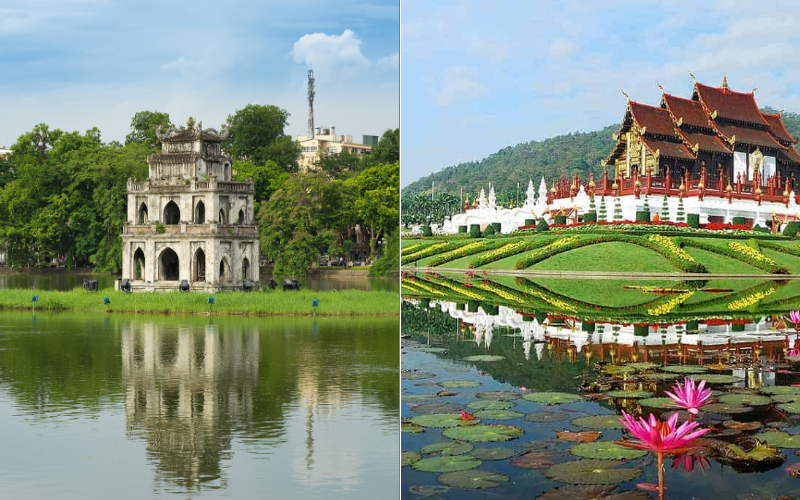
Eating in Hanoi
In Hanoi, street food is not just popular. It is part of everyday life. From early morning until late at night, sidewalks are filled with small plastic stools, metal tables, and busy vendors preparing fresh meals. You do not need a reservation. You simply sit down and order.
Classic dishes are easy to find:
- Pho – a fragrant noodle soup with beef or chicken
- Banh mi – a crispy baguette sandwich filled with meat, herbs, and pickles
- Bun cha – grilled pork served with rice noodles and dipping sauce
Most street meals cost between $2 and $7. Portions are satisfying, and ingredients are fresh. Coffee culture is also strong in Hanoi. Local cafés serve Vietnamese drip coffee and egg coffee at very affordable prices.
If you prefer more comfort, the city has many mid-range and upscale restaurants. These places serve traditional dishes with modern presentation. Western food is available, but it usually costs more than local meals.
Eating in Hanoi feels lively and authentic. You often share space with locals, which makes the experience more immersive.
Eating in Chiang Mai
Chiang Mai also offers a rich and accessible food scene. The city blends traditional Thai dishes with northern regional flavors. Markets play an important role in local dining culture.
Night markets and places like Warorot Market are popular food spots. Here, you can walk from stall to stall and try different dishes in one evening.
Local specialties include:
- Khao soi – a creamy curry noodle soup topped with crispy noodles
- Sai ua – a northern Thai sausage with herbs and spices
- Grilled meats and sticky rice
Street food in Chiang Mai is also affordable. Many dishes cost only a few dollars. The dining environment often feels relaxed and open. You can sit at market tables or in casual open-air restaurants.
The Nimmanhaemin area is known for modern cafés and international restaurants. You will find Western breakfasts, vegetarian options, and fusion cuisine. This makes Chiang Mai comfortable for long stays.
Comparing the Food Experience
Both destinations are excellent for food lovers. Hanoi stands out for its strong street food culture and deep-rooted coffee traditions. The flavors are balanced and often lighter, with herbs and fresh ingredients.
Chiang Mai offers bold northern Thai spices and a lively market atmosphere. It also provides more international variety in certain neighborhoods.
When choosing between Hanoi or Chiang Mai, think about what excites you more. Do you want Vietnamese noodle soups and sidewalk dining? Or are you more interested in Thai curry dishes and night market exploration? Whichever you choose, you will not go hungry.
Cost and comfort level for travelers in Hanoi and Chiang Mai
Cost and comfort can strongly influence your travel experience, especially if you are staying for more than a few days. When comparing Hanoi or Chiang Mai, both destinations are considered affordable by international standards. However, how you spend your money and how you feel day to day can be quite different.
Hanoi: Affordable Living in a Dynamic Capital
Hanoi offers excellent value for travelers who want to experience a lively capital without high expenses. Daily costs remain manageable, even in central districts.
Food Expenses
Street food is one of the biggest advantages in Hanoi. You can eat well several times a day without spending much. Local dishes such as noodle soups, rice plates, and sandwiches are widely available at small sidewalk stalls.
Typical prices include:
- Pho (Vietnamese noodle soup): 30,000 – 75,000 VND ($1.20 – $3)
- Banh mi (Vietnamese sandwich): 20,000 – 50,000 VND ($1 – $2)
- Bun cha (grilled pork with noodles): 60,000 – 75,000 VND ($2.50 – $3)
- Vietnamese coffee: 40,000 – 60,000 VND ($1.50 – $2.50)
A full street food meal often costs 20,000 – 70,000 VND ($0.80 – $2.90).
If you prefer a simple restaurant meal, an inexpensive restaurant in Hanoi averages about 50,000 VND ($2) per person.
Accommodation Options
Hanoi provides a wide range of places to stay:
- Budget hostels with dorm beds: $5 – $10 per night
- Simple guesthouses in the Old Quarter: $15 – $30 per night
- Mid-range boutique hotels: $40 – $80 per night
- Serviced apartments for longer stays: $400 – $800 per month
Even centrally located hotels often cost less than similar properties in major global cities. Travelers can easily adjust comfort levels depending on their budget.
Transportation and Sightseeing
Getting around is inexpensive. Ride-hailing apps, taxis, and motorbike rides are easy to find.
Typical transportation costs include:
- Grab motorbike ride: 20,000 – 60,000 VND ($1 – $2.50)
- Taxi for short distances: 50,000 – 120,000 VND ($2 – $5)
- Public bus ticket: 7,000 – 9,000 VND ($0.30 – $0.40)
Many museums and historical sites charge small entrance fees. For example:
- Temple of Literature: 70,000 VND (~$3)
- Vietnam Museum of Ethnology: 40,000 VND (~$1.60)
Overall Comfort
Hanoi feels energetic and busy. Traffic flows constantly, and sidewalks are full of activity. This creates excitement and authenticity. However, the noise and movement can feel overwhelming for some travelers. Comfort here depends on whether you enjoy a fast-paced urban environment.
Chiang Mai: Budget Comfort with a Relaxed Pace
Chiang Mai is also very affordable, but the atmosphere feels calmer and more spacious. Many travelers find it easier to settle in for weeks or even months.
Food and Dining
Street food remains inexpensive, and night markets offer affordable meals in a casual setting.
Typical meal prices include:
- Local Thai dishes: 40 – 80 THB ($1.25 – $2.50)
- Casual restaurant meals: 150 – 300 THB ($5 – $10)
- Western restaurant meals: 300 – 600 THB ($10 – $20)
Places to Stay
Chiang Mai offers a variety of accommodation choices:
- Budget guesthouses inside the Old City: $10 – $25 per night
- Small boutique hotels: $30 – $70 per night
- Digital nomad apartments: $350 – $700 per month
- Wellness resorts outside the center: $80+ per night
Daily Transportation
Transportation costs can stay low if you use local options.
Typical prices include:
- Songthaew shared rides: 30 – 50 THB ($1 – $1.50)
- Grab ride within the city: 80 – 200 THB ($2.50 – $6)
- Scooter rental: 1,500 – 2,500 THB ($50 – $80) per month
Monthly transportation costs for many residents average 2,000 – 4,000 THB ($65 – $130), depending on usage. Because Chiang Mai is smaller than Hanoi, distances are shorter. This reduces daily travel expenses and makes moving around less stressful.
Overall Comfort
Chiang Mai generally feels quieter and easier to navigate. Streets are less crowded, and traffic is lighter compared to a capital city. Many travelers describe it as comfortable and manageable, especially for long stays. The slower pace can make daily life feel less intense.
Weather patterns and best months to visit Hanoi or Chiang Mai
Weather plays a major role in shaping your travel experience. The temperature, humidity, and rainfall can affect how comfortable you feel while walking, sightseeing, or taking day trips. When choosing between Hanoi or Chiang Mai, it is helpful to understand how the seasons work in each destination and how they might match your travel preferences.
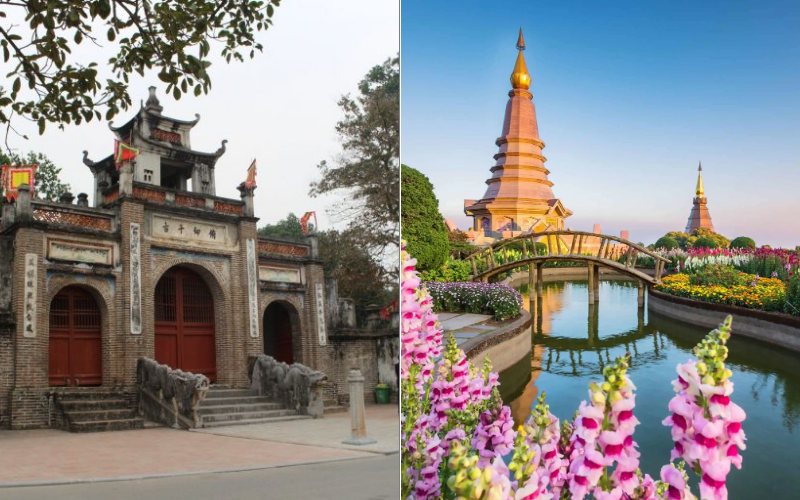
Hanoi: Four Clear and Changing Seasons
Hanoi has four distinct seasons, and each one creates a different atmosphere in the city. The seasonal changes are more noticeable here compared to many tropical destinations in Southeast Asia.
Best months for Hanoi:
October through April generally provides the most comfortable conditions for sightseeing and outdoor activities.
Winter (December to February)
Winter in Hanoi is cool and sometimes gray. Temperatures can drop to around 10–15°C (50–59°F) on colder days. The air may feel damp, especially in the early morning. Most days are dry with light sunshine. This season is comfortable for walking tours, exploring historical streets, and visiting museums. You may need a light jacket or sweater, particularly in the evening.
Spring (March to April)
Spring brings warmer temperatures and more balanced weather. The city feels fresh, and flowers begin to bloom around lakes and parks. Humidity slowly increases, but it usually remains manageable. This is a pleasant time for outdoor sightseeing and short countryside trips.
Summer (May to August)
Summer in Hanoi is hot and humid. Temperatures often rise above 30°C (86°F), and the air can feel heavy. Sudden afternoon rain showers are common. These storms are usually short but intense. While the heat may feel uncomfortable for some visitors, this season offers lively street life and fewer crowds in certain attractions.
Autumn (September to November)
Autumn is widely considered the most comfortable season in Hanoi. The weather becomes cooler and drier. Temperatures are mild, and the sky is often clearer. Walking around the Old Quarter, visiting Hoan Kiem Lake, or enjoying street food outdoors feels much more pleasant. Many travelers consider this the best overall time to visit.
Chiang Mai: Three Main Seasonal Phases
Chiang Mai has a tropical climate with three main seasons. The weather feels warmer overall compared to Hanoi, and seasonal changes are less dramatic.
Best months for Chiang Mai:
November through February offers the most comfortable weather for sightseeing, trekking, and outdoor exploration.
Cool Season (November to February)
This is the most popular time to visit Chiang Mai. Daytime temperatures are warm but comfortable, usually between 20–28°C (68–82°F). Evenings can feel cool, especially in higher mountain areas. Rainfall is minimal. This period is ideal for temple visits, mountain hikes, and exploring outdoor markets. The skies are often clear, making it a great time for photography.
Hot Season (March to April)
The hot season brings higher daytime temperatures, often above 35°C (95°F). The heat can feel strong, particularly in the afternoon. Outdoor activities may be better in the early morning or evening. Travelers who are sensitive to heat may find this period challenging.
Rainy Season (May to October)
During the rainy season, Chiang Mai experiences regular showers, usually in the afternoon or evening. Rain rarely lasts all day. The landscape becomes greener, and waterfalls are more impressive. Fewer tourists visit during these months, which can mean lower accommodation prices and quieter attractions.
Digital nomad and long stay friendliness in Hanoi and Chiang Mai
If you are planning an extended trip or working remotely while traveling, the choice between Hanoi or Chiang Mai becomes more about lifestyle than short-term sightseeing. Both cities are affordable and offer good infrastructure, but the daily experience can feel quite different.
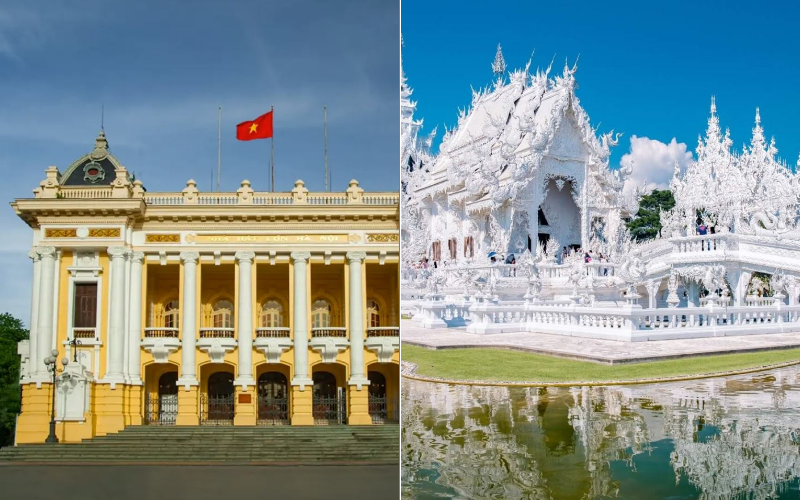
Hanoi: Energetic Capital with Growing Remote Scene
Hanoi is gradually attracting more digital nomads and long-term travelers. As Vietnam’s capital, it has strong infrastructure and a fast-growing café culture that supports remote work.
Work Environment
- Increasing number of coworking spaces
- Cafés with stable Wi-Fi and power outlets
- Affordable coffee and food while working
- Central districts with easy access to services
Many coffee shops allow you to sit for hours with minimal spending, which is ideal for freelancers or students. Internet speeds are generally reliable in coworking spaces and modern apartments.
Accommodation for Long Stays
Hanoi offers:
- Budget studio apartments
- Serviced apartments with weekly cleaning
- Mid-range rentals in local neighborhoods
- Shared housing options
Monthly rental prices are reasonable compared to many global cities. However, popular districts may be slightly higher in cost.
Lifestyle and Atmosphere
Hanoi is busy, vibrant, and constantly moving. Traffic noise and crowded streets are part of daily life. Some remote workers thrive in this dynamic energy. Others may find it distracting over time. If you enjoy cultural immersion, street life, and a capital-city environment, Hanoi can feel exciting and motivating.
Chiang Mai: Established Digital Nomad Hub
Chiang Mai has long been known as one of Southeast Asia’s top destinations for digital nomads. It offers a strong balance between affordability and comfort.
Work-Friendly Setup
- Numerous coworking spaces are designed for remote workers
- Reliable internet infrastructure
- Cafés that welcome long working hours
- Networking events and nomad communities
Accommodation Options
Long-term housing in Chiang Mai is widely available:
- Budget guesthouses with monthly rates
- Fully furnished apartments
- Modern condos with gym and pool access
- Co-living spaces for social interaction
Lifestyle and Comfort
Chiang Mai feels calmer and more relaxed than a capital city. Streets are quieter, traffic is lighter, and green surroundings create a slower pace of life. Many remote workers appreciate the balance between productivity and personal well-being. The environment supports both focused workdays and peaceful downtime.
Getting around and daily transportation experience
Daily transportation plays an important role in your overall comfort. When comparing Hanoi or Chiang Mai, it is helpful to consider how you plan to move around each day and how confident you feel navigating busy streets or unfamiliar systems.
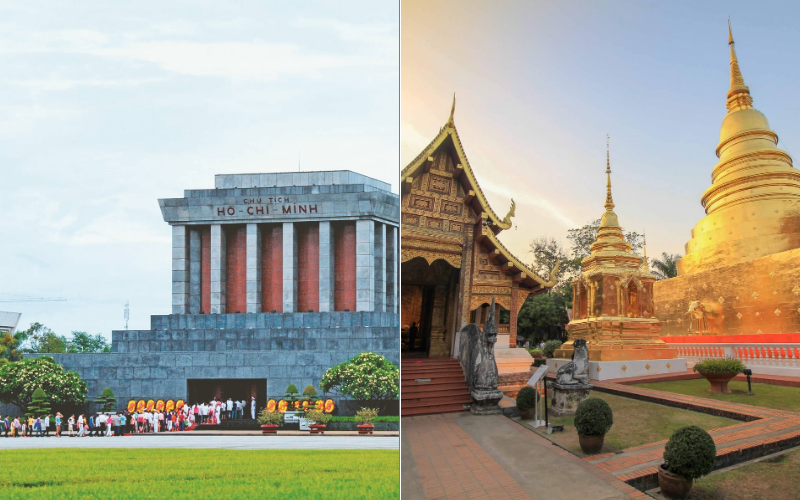
Hanoi: Fast-Paced and Motorbike-Focused
Transportation in Hanoi reflects the city’s energetic rhythm. Motorbikes dominate the roads, and they are the primary way locals travel.
Motorbike Culture
Scooters are everywhere. They are fast, flexible, and convenient for short distances. Many visitors choose to use ride-hailing apps rather than drive themselves, especially if they are not comfortable in heavy traffic. Booking a motorbike or car through apps is simple and affordable.
Ride-Hailing and Taxis
Ride-hailing services are widely used and reliable. You can easily order:
- Motorbike rides for quick solo trips
- Cars for greater comfort
- Airport transfers
Walking Experience
Walking is possible in areas like the Old Quarter or around Hoan Kiem Lake. However, sidewalks can be crowded, and crossing the street requires confidence because traffic rarely stops completely. Visitors often need a day or two to adjust to the flow.
Public Options
Public buses operate throughout the city at low prices. While inexpensive, they may feel less convenient for short-term travelers unfamiliar with routes.
Chiang Mai: Slower and Easier Navigation
Chiang Mai’s transportation system feels more relaxed and manageable. The city is smaller, and traffic is lighter compared to the capital.
Songthaews and Local Transport
Red songthaews (shared pickup trucks) are one of the most common ways to travel. They operate informally and can take you around the city for a low fare. You simply tell the driver your destination.
Tuk-Tuks and Ride-Hailing
Tuk-tuks and ride-hailing services are easy to find. They provide direct routes and are useful when you prefer convenience over shared rides.
Scooter Rentals
Many travelers rent scooters to explore independently. Roads are generally easier to navigate than in Hanoi, making it less intimidating for new riders.
Walking and Cycling
Parts of the Old City are walkable, and bicycle rentals offer a simple, budget-friendly way to explore nearby temples and neighborhoods.
Ready to explore Hanoi or Chiang Mai? Reserve your cultural tour today! Lily’s Travel offers diverse, well-planned tours loved by many international guests. You’ll get knowledgeable guides, thoughtfully designed routes, and options that emphasize immersive learning. If you value cultural depth and responsible travel, their community-focused approach makes a real difference.
Hanoi or Chiang Mai ultimately comes down to your travel personality and priorities. Hanoi offers dynamic city energy, rich Vietnamese heritage, and dramatic northern landscapes. Chiang Mai provides a slower rhythm, mountain scenery, and a well-balanced lifestyle. Both destinations deliver culture, affordability, and memorable experiences. The right choice depends on whether you prefer vibrant capital life or relaxed northern charm.