


You do not know whether to choose Vietnam or Malaysia, both destinations boast rich cultures, diverse landscapes, and improved tourism industries. But when planning a trip, a crucial question always arises: Is Vietnam or Malaysia cheaper? The answer depends on your travel style, destination, and priorities. Let’s analyze this in detail to find out which is the right place for you!
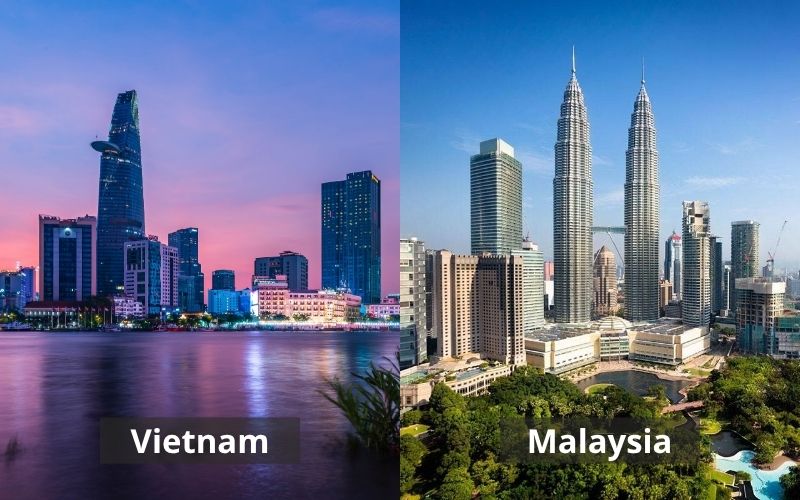
Is Vietnam or Malaysia cheaper overall?
Vietnam is frequently a more cost effective option than Malaysia for the majority of tourists, particularly those on a moderate or low budget. To decide whether Vietnam or Malaysia is more economical, you must take into account expenses depending on a number of variables and specific spending patterns.
Daily travel budget comparison
In Vietnam, average daily costs typically range as follows:
- For budget travelers: Costs range from $25-40 USD.
- For mid-range travelers: Costs range from $50-90 USD.
- For high-end travelers: Budgets start at over $120 USD.
Destinations like Hanoi, Ninh Binh, and Hue are relatively affordable, while Phu Quoc or Ha Long Bay is more expensive during peak season (October-April is the best time in the North, December-April is ideal for beach trips).
Meanwhile, Malaysia is slightly more expensive: around $35-55 USD/day for budget travelers, $70-120 USD for mid-range travelers, and over $150 USD for high-end travelers. Kuala Lumpur is relatively affordable, but destinations like Langkawi or Penang can see a significant increase in prices during peak season (December-March).
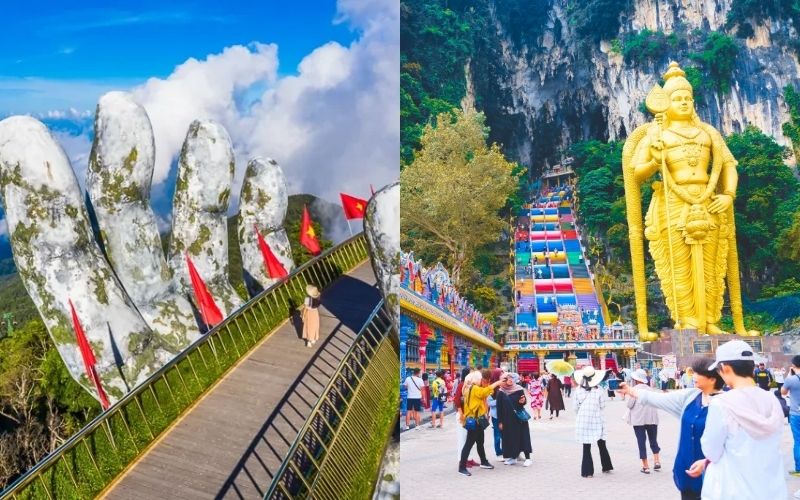
Cost difference for budget, mid-range and luxury travelers
To better understand the question: Is Vietnam or Malaysia cheaper?, you need to look at each specific type of travel, as each segment will have different price differences.
For budget travelers:
Vietnam is almost a “paradise” for this type of travel. You can eat for only $1-3 per meal, stay in hostels for under $10, and transportation within the city is very cheap. This allows you to still have a complete experience here on a low budget.
Meanwhile, Malaysia also has cheap options, but the cost of food and accommodation is higher. You will find it difficult to maintain a spending level below $30/day if you still want to ensure basic comfort.
For mid-range travelers (the most popular):
This is the segment that most travelers choose and also where Vietnam shows a clear advantage. For the same amount of money, you will usually get nicer hotels, better food, and more experiences in Vietnam.
For example, a boutique hotel in Hoi An or Hanoi might only cost around $30-50/night, while in Kuala Lumpur or Penang, the equivalent price is usually $50-80. Generally, Malaysia will be about 15-30% more expensive for the same quality of service.
For luxury travelers:
When moving up to this segment, the cost difference between the two countries is no longer significant. Malaysia has the advantage of an international hotel system, consistent service standards, and predictable rates.
However, Vietnam stands out for its “value for money”, you can pay less but still have a high-end experience, especially in destinations like Phu Quoc, Nha Trang or on cruises in Ha Long Bay. This is why many tourists choose Vietnam for extended vacations.
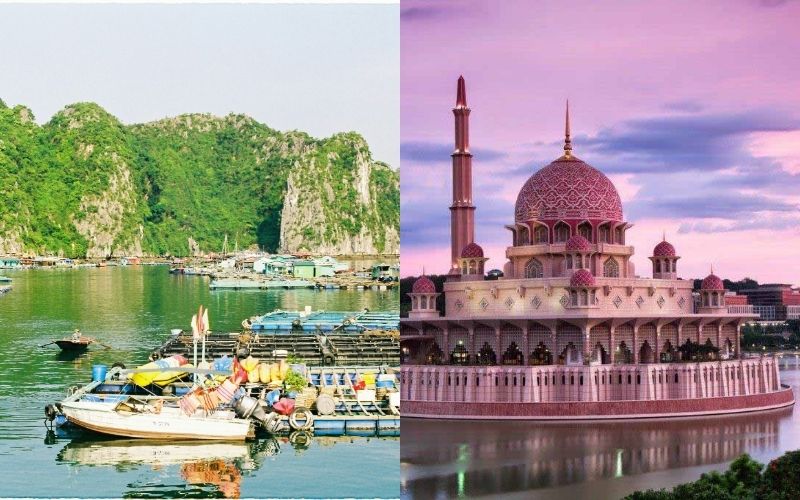
Accommodation cost comparison
When discussing whether Vietnam or Malaysia is cheaper, accommodation costs are almost the most obvious factor. Simply comparing a few hotels on booking platforms will reveal the difference between the two countries. Both Vietnam and Malaysia offer a full range of options, from budget to luxury. For easier comparison, I will break down each specific segment in both countries.
Budget stays and mid-range hotels
When comparing is Vietnam or Malaysia cheaper for budget and mid-range accommodation, this is where the price difference becomes the most noticeable for most travelers.
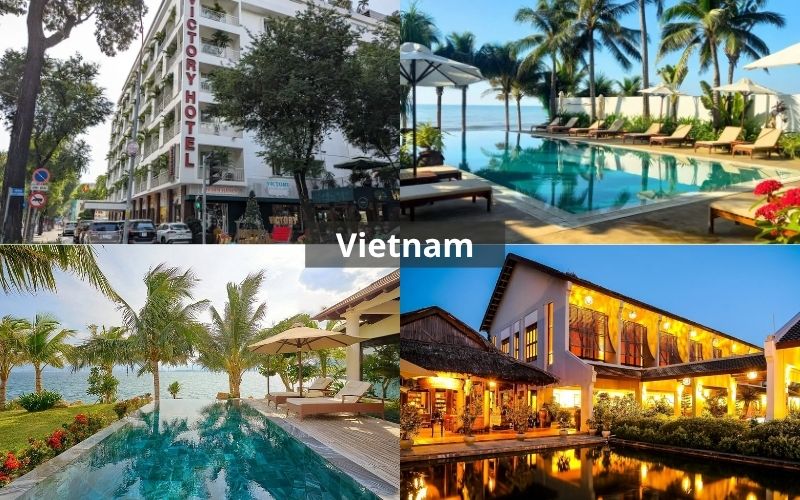
Vietnam
In Vietnam, the budget and mid-range segments are almost the biggest advantage when comparing whether Vietnam or Malaysia is cheaper. In popular tourist destinations like Hanoi, Hoi An, or Da Nang, you can easily find affordable and convenient accommodation.
- Hostel (dorm): around $6-12/night, many located right in the city center like Hanoi’s Old Quarter
- Private room: around $15-30/night, usually with air conditioning and Wi-Fi, sometimes including breakfast
- 2-3 star hotel: around $25-50/night, in a good location, easy to walk to restaurants and attractions
One very “worthwhile” aspect of Vietnam is: you don’t need to pay extra to stay in a central location. For example, in Hoi An, for only ~$30/night, you can stay near the Old Quarter, where most tourist activities are concentrated.
Additionally, for those who are staying for extended periods (digital nomads), renting an apartment in Ho Chi Minh City or Hanoi typically costs only around $300-700/month, depending on location and amenities, a fairly competitive price in the area.
Malaysia
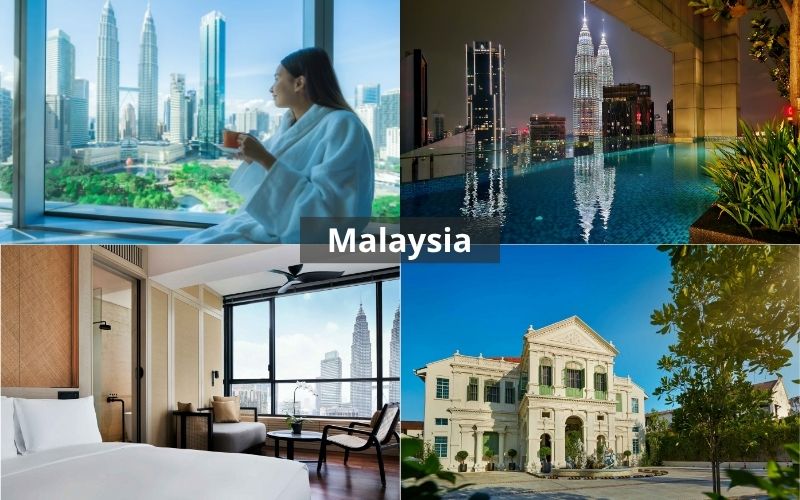
In Malaysia, accommodation experiences tend to be more modern and consistent, especially in Kuala Lumpur or Penang. However, prices are also slightly higher than in Vietnam.
- Hostel (dorm): approximately $5-10/night, similar to Vietnam
- Private room: approximately $20-40/night, but better locations will be more expensive
- 2-3 star hotel: approximately $30-60/night
- 4-star hotel (city center): from $50-80+
Malaysia’s strength lies in the fact that many hotels are located in high-rise buildings, offering amenities such as swimming pools, gyms, and fairly consistent service standards. In Kuala Lumpur, you can find many serviced apartments with skyline views, something less common in Vietnam at the same price point.
However, considering the same budget, you will often have to sacrifice location or room size more than in Vietnam.
Luxury hotels
When comparing is Vietnam or Malaysia cheaper in the luxury segment, the difference is less about absolute price and more about how much value you get for what you pay.
Vietnam
In recent years, Vietnam has seen a strong development in the luxury segment, especially in coastal destinations like Phu Quoc, Nha Trang, and Ha Long Bay.
- 4-5 star resorts: from approximately $80-150/night
- Luxury resorts/branded hotels: approximately $150-300+
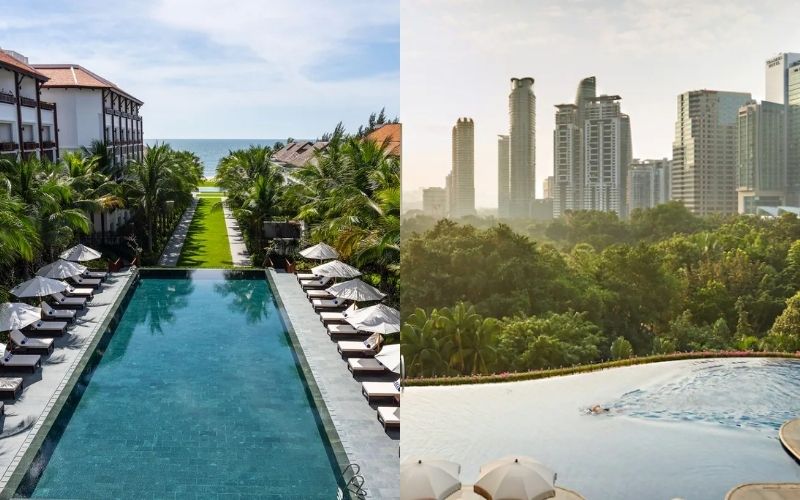
At this price point, you usually get a very “value for money” experience: private beaches, infinity pools, spacious rooms, and beautiful design. In particular, overnight cruises in Ha Long Bay are a unique “luxury experience” that Malaysia doesn’t offer.
Malaysia
Malaysia is also a strong contender in the luxury segment, especially in Langkawi and Kuala Lumpur, home to many international brands.
- 4-5 star hotels: from around $100/night
- Luxury resorts: around $200-400+
Malaysia’s strength lies in its dense network of international hotels, professional service, and consistent standards. This is a suitable choice if you want a “safe” vacation with minimal risk regarding quality.
However, in terms of price, to achieve the same level of experience as in Phu Quoc or Nha Trang, you will usually have to pay more.
Food and dining expenses
Food is a daily expense that directly impacts the overall budget. And when comparing whether Vietnam or Malaysia is cheaper, this is where the difference becomes quite clear. Vietnam will generally be cheaper, while Malaysia is slightly more expensive but more stable and cleaner.
Vietnam
In Vietnam, eating out is almost a part of daily life. From Hanoi to Ho Chi Minh City, you’ll find street food stalls, vendors, and small eateries everywhere and this competition keeps prices very low.
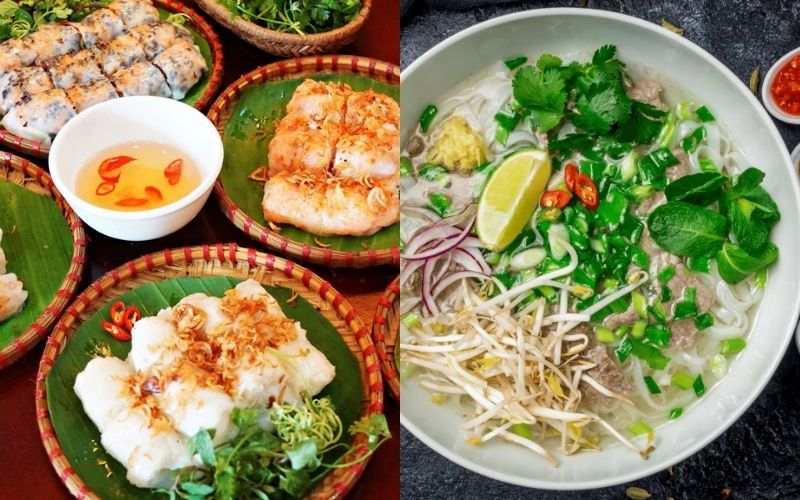
- Street food: A meal like Pho, Banh Mi, or Bun Cha usually costs only around $1.5-3, a price that’s almost “unbelievable” to many international tourists.
- At mid-range restaurants: Prices will be around $8-20 per person, including air conditioning, table service, and a diverse menu.
- Coffee: At local cafes, prices will be around $1-2 (especially iced milk coffee), while more modern, stylishly decorated cafes will cost around $3-6.
Vietnam’s biggest strength is that you can eat delicious food at extremely low costs without compromising on quality. This is also why many people conclude that Vietnam is cheaper just by looking at the cost of food.
Malaysia
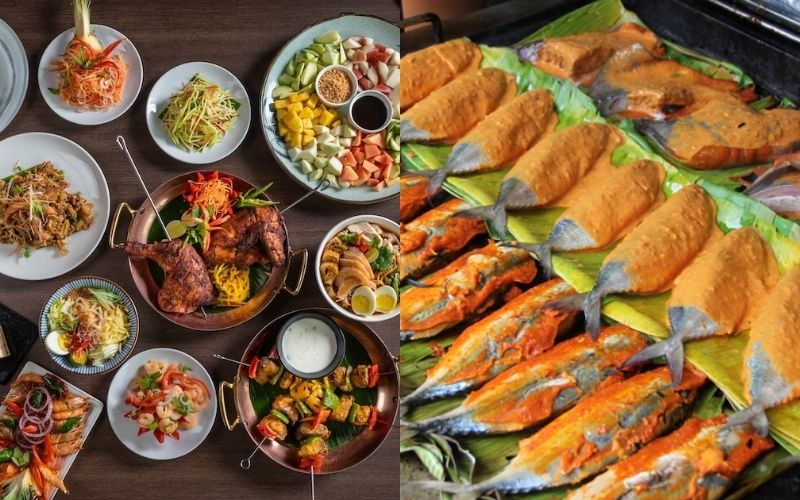
Malaysia is also a “culinary paradise” with a blend of Malay, Chinese, and Indian cultures. Food courts and hawker centers are very popular, especially in Kuala Lumpur and Penang.
Street food / food court:
- Dishes like Nasi lemak, noodles, or rice usually cost around $3-6, which is still cheap, but rarely drop to $1-2 like in Vietnam.
- Mid-range restaurants: Prices will be around $10-25 per person, especially in the city center or tourist areas where prices may be higher.
- Coffee: Prices at cafes usually fall around $3-4, and at nicer cafes or in malls, prices will be around $5-7+.
One advantage of Malaysia is that the dining environment is generally cleaner and more standardized, especially in modern food courts. However, if you track your daily expenses, you will find that the total cost of food is slightly higher than in Vietnam.
Read more: 8 Days In Vietnam Itinerary: Best Idea For Travel Guide
Transportation and getting around
When answering “Is Vietnam or Malaysia cheaper?”, transportation costs are an easily underestimated factor but significantly impact the overall budget, especially if you travel frequently between attractions or cities.
Local transport and city travel costs
For daily city commuting, small price differences can quickly add up, especially if you use ride-hailing services multiple times a day. So, is Vietnam or Malaysia cheaper?
Vietnam
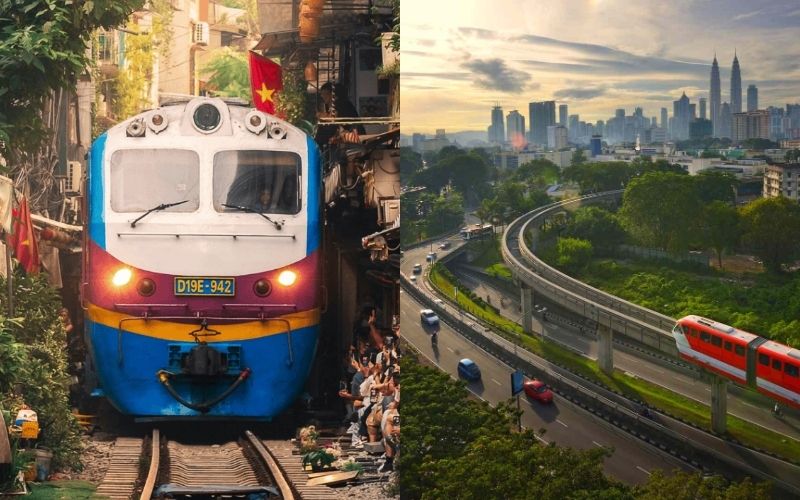
In Vietnam, getting around the city is almost effortless. In Hanoi or Ho Chi Minh City, you can simply use Grab to go anywhere at a very low cost.
- A short motorbike ride usually costs around $1-3.
- If you go by car, the price is usually $5-10 for longer distances.
- If you’re staying longer, you can rent a motorbike for around $5-10/day for more flexibility.
Because the prices are quite cheap, many tourists tend to travel more freely going more in a day without worrying too much about the cost.
Malaysia
In Malaysia, especially Kuala Lumpur, the transportation system feels very different: neat, modern, and easier to understand.
- Grab or taxis usually start from $3-5 for short distances.
- Longer trips within the city can cost $10-20.
A big plus is the highly efficient MRT, LRT, and monorail systems. For around $1-3 per trip, you can travel between major areas without relying on taxis.
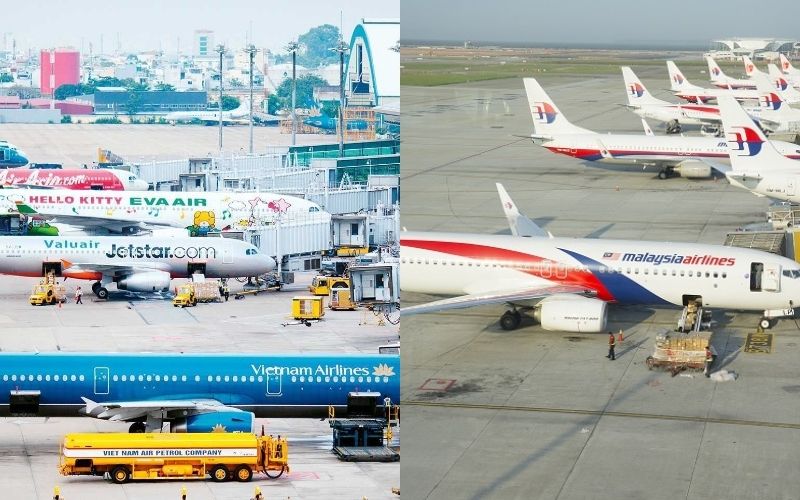
Domestic flights and long distance travel
When traveling between cities, transportation costs can vary depending on several factors, specifically:
Vietnam
When traveling between destinations like Hanoi, Da Nang, and Ho Chi Minh City, the cost remains quite reasonable, and you’ll have many options, such as:
- Domestic airfare usually ranges from $30 – 120, depending on the time of year.
- Coach or train tickets can cost only $10 – 25.
This makes it easy to visit many places without significantly exceeding your budget.
Malaysia
In Malaysia, traveling between cities like Kuala Lumpur, Penang, or Langkawi is also very convenient, but the cost is usually a bit higher.
- Domestic airfare is around $40 – 150.
- Long distance buses are around $10 – 30, and the quality is fairly good.
While not overly expensive, Malaysia rarely offers “super budget” options like in Vietnam.
Read more: Advice for Getting Your Visa on Arrival in Vietnam
Attractions and activity prices
After accounting for accommodation, food, and transportation costs, the “experience” component is what determines whether your trip will be memorable or not, and it’s also the part that’s easiest to quickly increase your budget for.
Vietnam
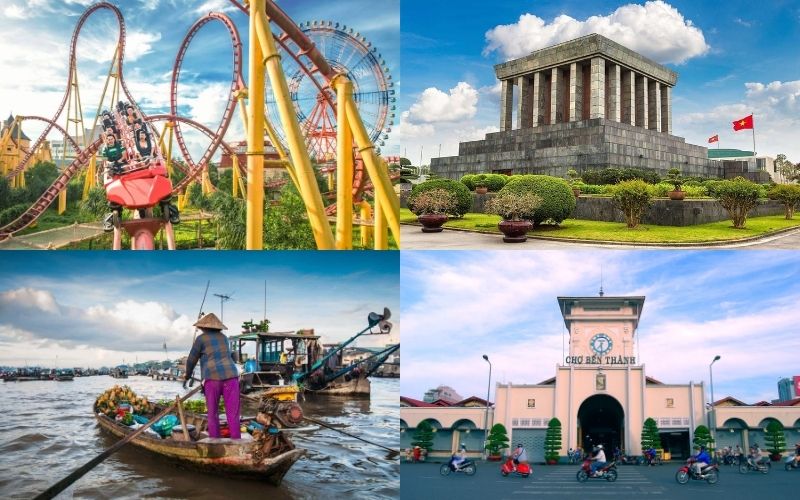
In Vietnam, most attractions are natural or cultural heritage sites, so entrance fees are usually quite affordable. In Hanoi, Hue, or Hoi An, you can visit many places in a day without spending too much money.
- Entrance fees: Museums, temples, and historical sites are usually only around $1-5. Highlights like complex historical sites or scenic spots are typically around $5 – 15.
- Day tours: Popular day tours like Ha Long Bay or the Mekong Delta usually cost around $25 – 60. This price range makes it easy for many tourists to book 2 – 3 tours in a short trip.
- Experiential activities: Activities like trekking, kayaking, and cave exploration usually cost around $20 – $70.
- Evening entertainment: You can attend cultural shows or go to rooftop bars, etc., with costs typically around $10 – 40.
Malaysia
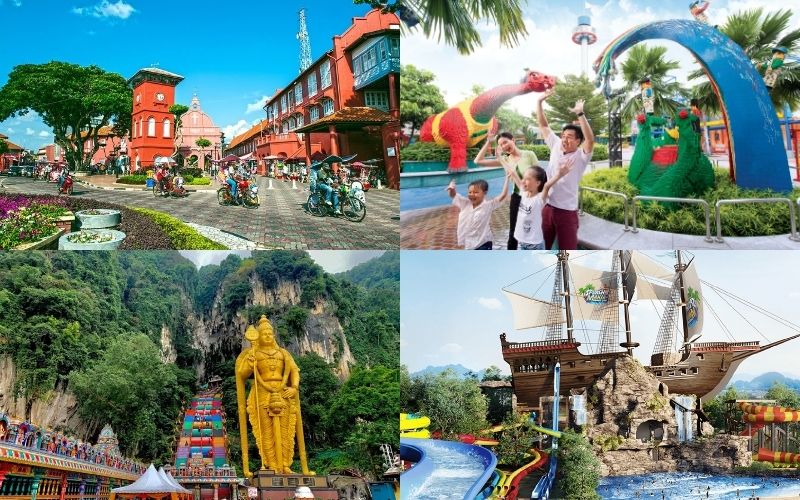
In Malaysia, the travel experience is more modern and well-invested. In Kuala Lumpur or Langkawi, you’ll find many impressive attractions, but prices are correspondingly higher.
- Entrance fees: Some cultural sites are still inexpensive, but highlights like observation towers or landmarks typically cost around $15 – 35.
- Day tours: Tours like island hopping, city tours, or nature trips usually cost around $40-120.
- Experiential activities: Activities like scuba diving, water sports, and jungle exploration typically cost $40-150.
- Entertainment & theme parks: Experiences like sky bars and theme parks usually cost $20-80+.
- Malaysia offers a more polished and modern experience, but you’ll need to be more selective about activities if you want to control your budget.
Hidden costs travelers often overlook
In addition to the “obvious” expenses like lodging, meals, and travel, there are a lot of minor fees that you can easily forget. Upon closer examination, these hidden costs can sometimes lead to significant fluctuations in your budget.
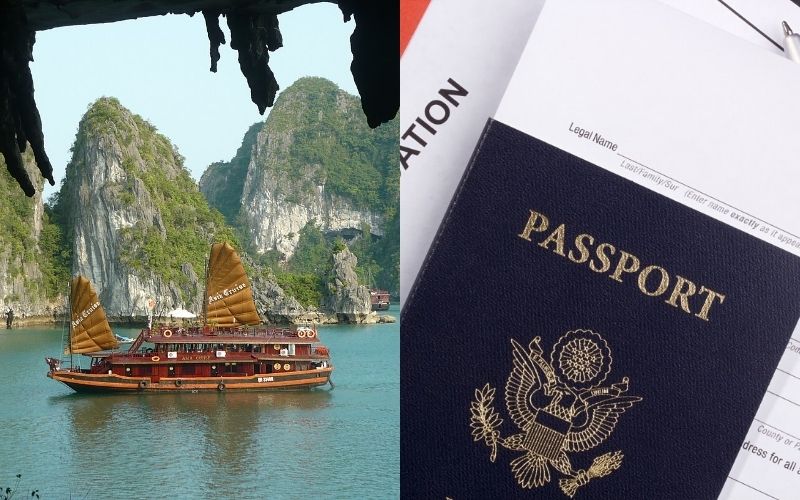
Visa and entry requirements
In Vietnam, not all nationalities are visa-exempt, so many tourists will need to apply for an e-visa at a cost of around $25. However, Vietnam’s visa policy has become more flexible in recent years, granting visa free entry to citizens of many countries, mainly ASEAN countries (14-30 days) such as Thailand, Malaysia, Singapore, Philippines, Cambodia, Myanmar, etc., and European countries (45 days) such as South Korea, Japan, Russia, Sweden, Finland, and some others.
Meanwhile, Malaysia also offers visa free entry to many countries for stays of 30-90 days. This saves you money upfront and reduces one step in your pre-trip preparation. Overall, both Malaysia and Vietnam offer advantages in terms of entry costs, especially for short trips.
Tourist pricing and imported goods
In Vietnam, if you eat and use local services, the cost is very low. However, when switching to international restaurants, imported products, or Western style services, prices can increase quite quickly. This can easily lead to overspending if you’re not careful.
Conversely, in Malaysia, the presence of international chains and modern retail systems makes prices more stable. The price difference between local and imported goods isn’t too large, so you can control your spending more easily if you have established consumption habits.
Airport transfers and miscellaneous fees
Rides from the airport to the city center in Vietnam usually cost $5 to $15. However, there are a few little additional expenses that you can encounter while traveling, such as parking fees, specific sightseeing costs, or service tips.
Meanwhile, airport transfers in Malaysia often cost between $10 and $25. On the other hand, the pricing system is clearer, and there are fewer hidden costs, making it easier to predict your budget throughout your travels.
So, is Vietnam or Malaysia cheaper? In general, Vietnam continues to be the better option when taking into account the majority of factors, including experiences, food, and lodging. In the meantime, if you value modernism and have a more solid budget, you might decide on Malaysia. If you choose to experience Vietnam, consider joining all inclusive tours from Lily’s Travel, which will help you optimize costs, save time, and easily explore all the prominent destinations.