


When you only have a few days in Saigon, the debate between the Mekong Delta or Cu Chi Tunnels is almost inevitable, as both offer a window into the soul of Southern Vietnam but through completely different lenses. At Lily’s Travel, we’ve compared every detail of these two iconic day trips to ensure you spend your time exactly where it matters most to you.
Mekong delta or cu chi tunnels – which day trip from Ho Chi Minh city should you choose
Deciding between the Mekong Delta or Cu Chi Tunnels is one of the most common dilemmas for travelers staying in Ho Chi Minh City. Both destinations offer an iconic glimpse into the identity of Southern Vietnam, yet they provide entirely different experiences. While one takes you deep into the heart of a resilient history through narrow underground passageways, the other invites you to breathe in the fresh air of a vibrant, watery world filled with coconut groves and floating markets.
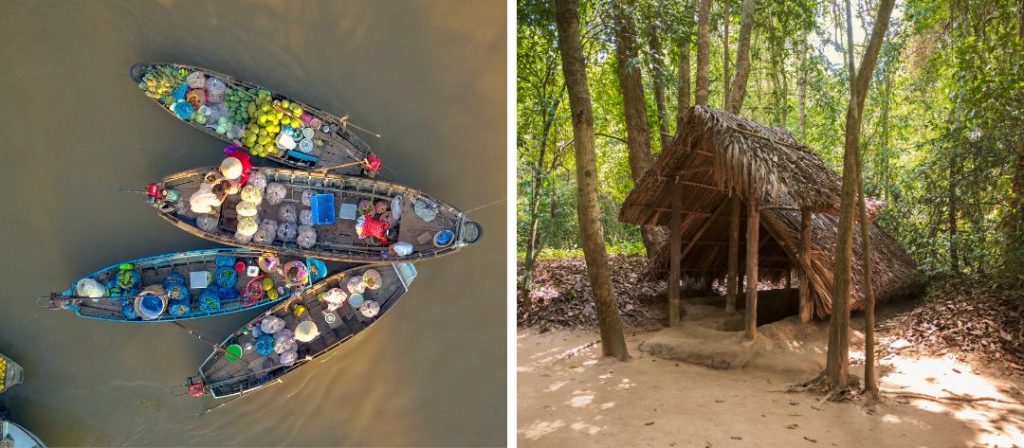
If you are a history buff wanting to witness the sheer ingenuity of wartime survival, the tunnels are a must. However, if you are looking for a cultural escape into the lush “Rice Bowl” of Vietnam, the river life of the Delta is unbeatable. Choosing the right trip depends on your personal interests, physical energy, and how much time you have.
What a day trip to the Mekong Delta feel like?
When choosing between the Mekong Delta or Cu Chi Tunnels, the primary factor is the type of activities you want to engage in. A day trip to the Mekong Delta is structured around a series of water-based and land-based stops that showcase the local economy and lifestyle.
Morning: River navigation and island exploration
The trip typically begins with a 1.5 to 2 hour drive from Ho Chi Minh City. Upon arrival in My Tho or Ben Tre, the itinerary follows a specific sequence of transport and cultural stops:
Motorized boat trip: You board a large wooden boat to cross the Tien River. This part of the trip allows you to observe the river system, including stilt houses, floating fish farms, and large cargo vessels transporting regional goods.
Island Visits (Dragon, Unicorn, Phoenix, and Tortoise): You will disembark on various islands to participate in local production activities:
Orchard walk & fruit tasting: Walking through fruit gardens to try seasonal varieties such as longan, rambutan and jackfruit.
Honey farm visit: Observing how locals harvest honey, holding honeycomb trays and tasting honey tea with lime and pollen.
Workshop tours: Watching the process of making coconut candy, from extracting the milk to the final hand-wrapping phase.
Traditional music: Sitting in a communal house to listen to Don Ca Tai Tu (Southern Vietnamese folk music) performed by local artists.
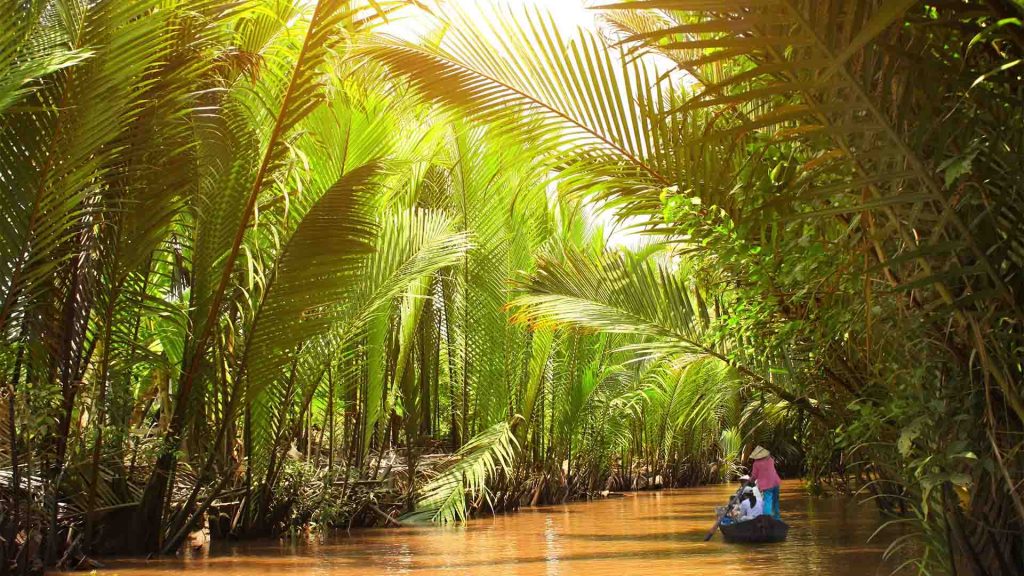
Small canal rowing (Sampan): You transfer from the large boat to a small hand-rowed sampan. A local rower maneuvers the boat through narrow canals shaded by water coconut trees. This is the primary way to see the delta’s interior waterway system.
Lunch and regional gastronomy
Midday is dedicated to experiencing the culinary specialties of the Mekong region. Lunch is usually served at a riverside restaurant or a local garden house. The standard menu includes:
- Elephant ear fish (Ca tai tuong): The signature dish of the region, served whole, fried crispy and rolled in rice paper with fresh herbs and vermicelli.
- Clay pot dishes: Caramelized fish or pork cooked in traditional clay pots.
- Fresh river produce: Giant river prawns, spring rolls, and sour soup (Canh Chua) made with local tamarind and pineapple.
Afternoon: Land activities and cottage industries
The afternoon portion of the trip focuses on rural life away from the boats:
- Village cycling: Using a bicycle to explore narrow village paths, passing by rice paddies, fruit orchards, and local residences. This allows for a closer look at the rural infrastructure.
- Handicraft demonstrations: Depending on the specific tour, you may visit sites that produce:
- Rice paper: Seeing how rice flour is steamed and dried on bamboo mats.
- Rice wine: Learning about the fermentation and distillation process.
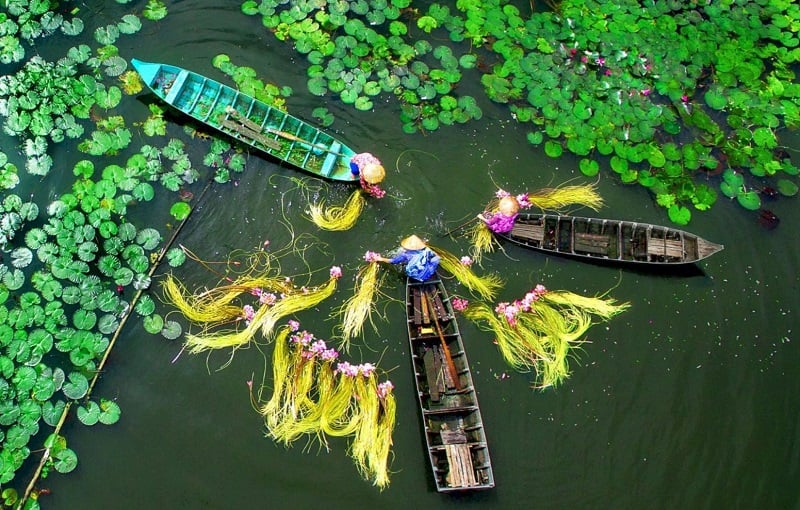
- Weaving: Observing locals make mats or baskets from dried water hyacinths.
- Cultural stops: A visit to the Vinh Trang Pagoda, a major religious site in My Tho known for its mix of Vietnamese, Khmer and European architectural styles and large Buddha statues.
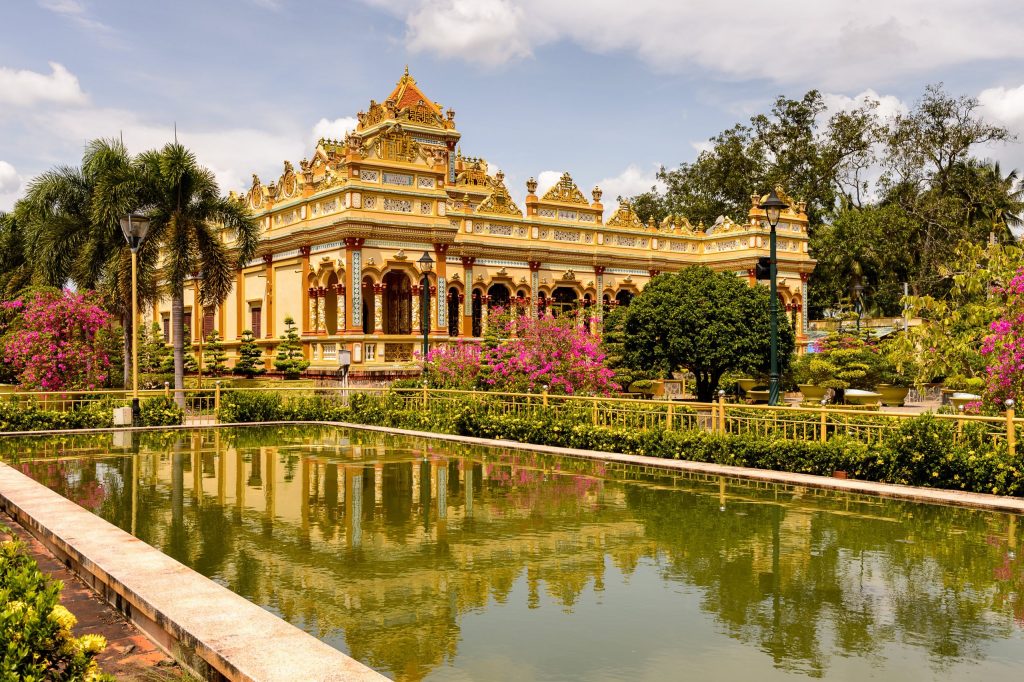
The day concludes with a return drive to Ho Chi Minh City, usually arriving between 6:00 PM and 7:00 PM. Whether you select the Mekong Delta or Cu Chi Tunnels, the Delta trip is characterized by a higher number of stops and a wider variety of food and craft-related experiences.
What is visiting Cu Chi tunnels really like?
If you are wondering what to expect, visiting the tunnels is much more than just a history lesson – it is a hands-on experience. Instead of just looking at displays in a museum, you actually get to go underground and see how people lived and fought during the war.
Historical briefing and documentary
The tour begins at a shaded jungle pavilion where you will watch a black-and-white documentary. This provides the necessary historical context, explaining the construction of the 250km – long tunnel network and how it functioned as a “hidden city” with hospitals, kitchens, and command centers.
Exploration of hidden trapdoors and booby traps
Your guide will lead you through the jungle to see various defensive mechanisms used by the Viet Cong. The experience includes:
- Hidden entrances: Seeing how soldiers camouflaged tiny wooden trapdoors with leaves and dirt so they were invisible to the naked eye.
- Booby trap displays: A walk-through of different types of bamboo and iron punji stakes (such as the swinging trap or the clipping armpit trap). You will learn about the mechanics and the strategic purpose behind each design.
- Military equipment: Viewing rusted American tanks left on the battlefield and craters created by B-52 bombers.
The underground crawl
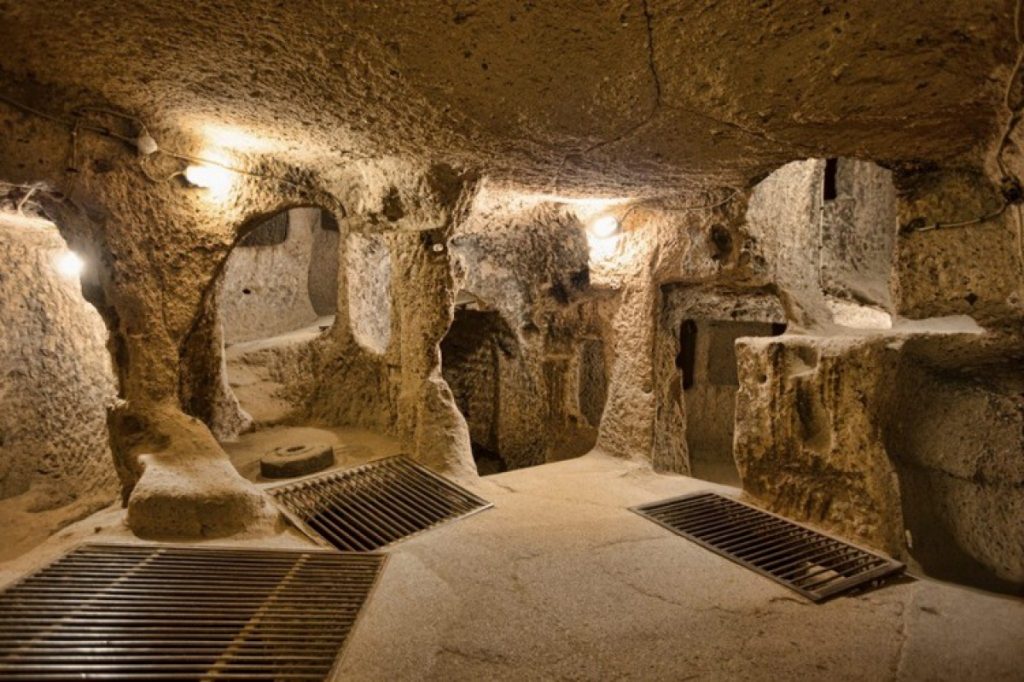
This is the defining activity of the trip. You will have the opportunity to enter a section of the tunnel that has been widened for tourists.
- The environment: Even with widening, the tunnels are cramped, dark, and humid. Most visitors will need to crouch or crawl on their hands and knees.
- The levels: You can choose to go down through different levels (ranging from 3 to 10 meters deep) to feel the drop in temperature and the claustrophobic reality of underground life.
- Exit points: There are emergency exits every few meters if you feel uncomfortable and need to return to the surface early.
Firing Range and Weaponry
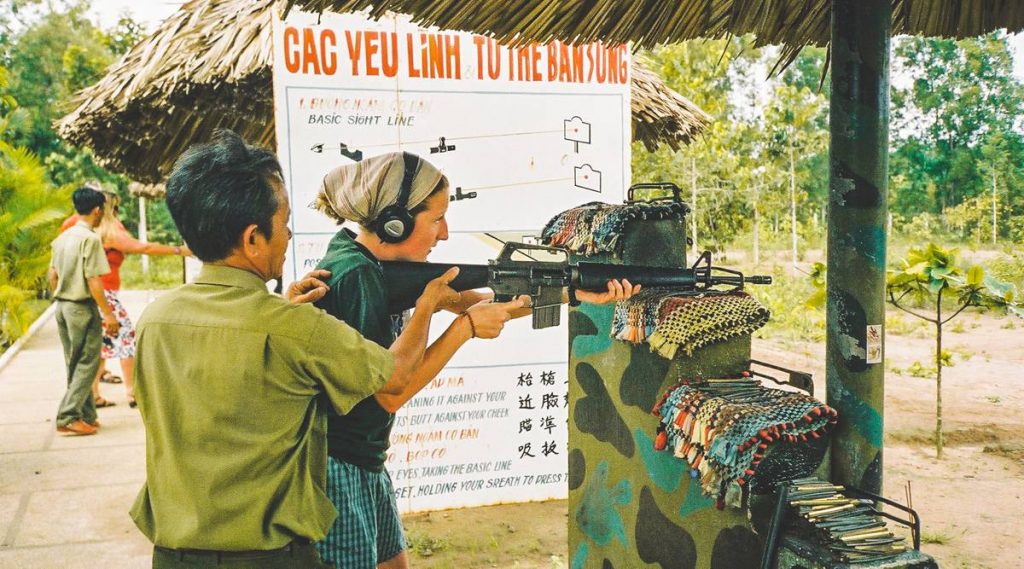
Most tours include a stop at the National Defense Sport Shooting Range. Here, you can pay an additional fee to fire period-accurate weapons, such as:
- AK-47 or M16 rifles.
- Light machine guns.
Note: This area is very loud, which adds to the intense atmosphere of the site, a sharp contrast to the quiet rowing boats of the Mekong Delta.
Sampling Guerilla Food
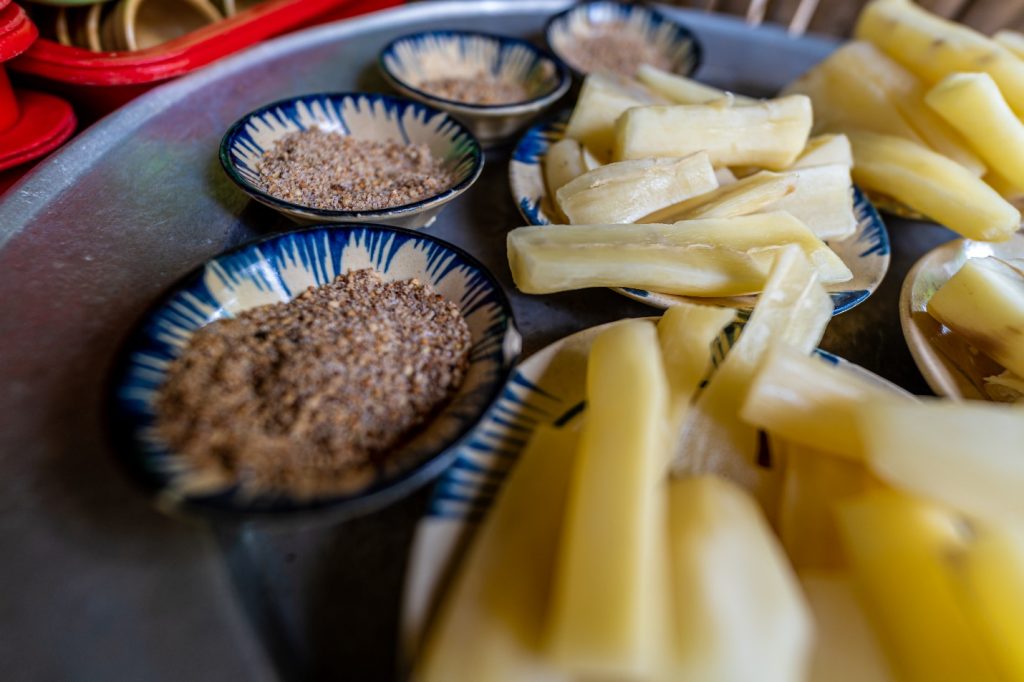
At the end of the tour, you will stop at a communal table to try a typical wartime snack: Steamed Tapioca (Khoai mì) served with a mix of salt, sugar and crushed peanuts. This was the staple food for soldiers due to its durability and ease of growth in the jungle. You will also be served hot jasmine tea, providing a brief moment to reflect on the resourcefulness required to survive in such conditions.
A visit to Cu Chi is efficient and intense. If your goal is to understand the technical and historical side of Vietnam’s past through direct physical experience, Cu Chi is the logical choice.
Mekong delta or cu chi tunnels – Key differences in experience
Choosing between the Mekong Delta or Cu Chi Tunnels is not about which site is better, but about which “vibe” fits your limited time in Saigon. At Lily’s Travel, we often tell our guests that these two trips offer two completely different perspectives on Vietnam, one is a deep dive into history, while the other is a relaxing immersion into rural life and nature.
Choosing between the Mekong Delta or Cu Chi Tunnels is not about which site is better, but about which “vibe” fits your limited time in Saigon. At Lily’s Travel, we often tell our guests that these two trips offer two completely different perspectives on Vietnam, one is a deep dive into history, while the other is a relaxing immersion into rural life and nature. To help you decide, here are the fundamental differences in the experience:
Historical depth vs cultural immersion
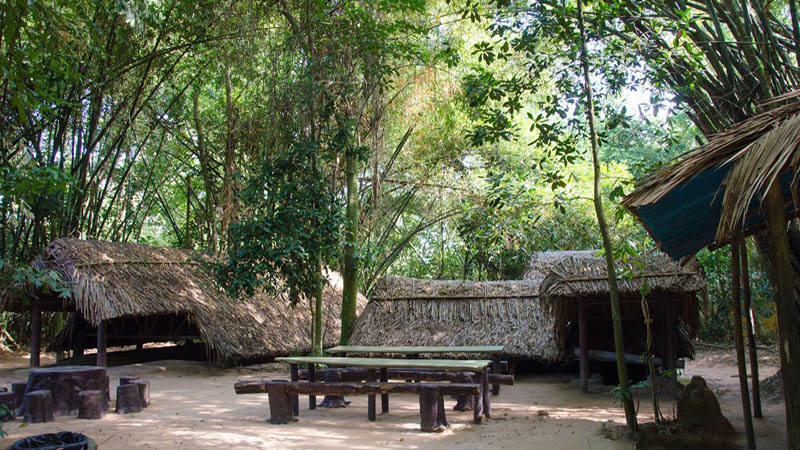
- Cu Chi Tunnels: This is a “history lesson in real life”. The experience is educational. You spend your time learning about military tactics, survival strategies, and the grim realities of war. It’s perfect for those who want to understand the “why” and “how” of Vietnam’s past.
- Mekong Delta: This is a “Sensory cultural tour”. The focus is on the present-day lifestyle of the southern people. You observe agriculture, river trade and traditional crafts. It’s an exploration of how people live, eat and work in harmony with the water.
Physical environment and comfort
- Cu Chi Tunnels: The setting is a jungle. The experience can be physically demanding if you choose to crawl through the tunnels. It involves dust, narrow spaces, and a concentrated walking path. If you are claustrophobic, this might be a challenge.
- Mekong Delta: The environment is open, breezy, and bright. Most of your time is spent sitting on various types of boats (motorized or rowing) or cycling on flat village paths.
Still can’t decide? At Lily’s Travel, we specialize in tailoring these experiences to match your energy level and interests. Whether you want an expert historian to lead you through the tunnels or a local guide to show you the hidden canals of the Delta, we’ve got you covered.
Travel time and energy level compared
When planning your departure from Ho Chi Minh City, the logistical differences between the Mekong Delta or Cu Chi Tunnels are significant.
The time factor
The most immediate difference is the duration of the commitment. Saigon’s traffic is notorious, and it plays a major role in both trips.
- Cu Chi Tunnels: Located about 60–70 km from District 1, the drive takes approximately 1.5 to 2 hours each way. Because the site itself can be explored thoroughly in about 2.5 hours, it’s easy to fit Cu Chi into a half-day morning or afternoon slot. You can depart at 8:00 AM and be back in the city by 1:00 or 2:00 PM, leaving your afternoon free for a massage or a visit to the War Remnants Museum.
- Mekong Delta: To get to gateway cities like My Tho or Ben Tre, you will need to drive for about 2 to 2.5 hours (around 80-90 km). Unlike other quick tours, this is definitely a full-day commitment. Your day will be busy with boat rides, visiting different islands, and enjoying a local lunch. Usually, you’ll leave at 8:00 AM and won’t get back to the city until 5:00 PM or 6:00 PM. If you pick the Mekong Delta, it will be your main plan for the entire day.
Energy Levels:
How you feel at the end of the day will depend entirely on which site you pick.
- Cu Chi Tunnels (Short, Intense Bursts): The energy required here is physical and psychological. You will be walking through jungle paths, standing for historical briefings, and potentially crouching in narrow spaces. The heat in the forest can be stifling because there is less breeze than on the river.
- Mekong Delta (Slow Burn): The Delta requires more “endurance” simply because of the length of the day. However, the actual physical effort is quite low. Much of your time is spent sitting on motorized boats or being rowed in a sampan. Even the cycling portion is usually on flat, easy terrain. It is relaxing that leaves you feeling mellow rather than exhausted.
If you want to visit both the Mekong Delta and Cu Chi Tunnels in one day, get ready for a very long and tiring trip. This involves roughly 6 to 7 hours of driving and a 12-hour total itinerary. This is only recommended for travelers with limited time who don’t mind a long day in a van in exchange for seeing both of Southern Vietnam’s iconic landmarks
Mekong delta or cu chi tunnels – which one suits your travel style?
Deciding between the Mekong Delta or Cu Chi Tunnels ultimately depends on what you want to “feel” at the end of the day.
The history enthusiast: If your idea of a perfect trip involves uncovering the secrets of the past and witnessing the sheer grit of human resilience, the Cu Chi Tunnels are a non-negotiable choice. It is raw, educational, and deeply impactful.
The nature & culture seeker: If you prefer vibrant landscapes, slow river flows, and seeing local artisans at work, the Mekong Delta will speak to your soul. It’s for the traveler who wants to taste the “Rice Bowl” of Vietnam and enjoy a relaxing day in the sun.

The time – conscious adventurer: On a tight schedule? The tunnels offer a compact, half-day adrenaline shot. Have a full day to spare? The Delta provides a comprehensive sensory escape.
No matter which path you choose, Lily’s Travel is here to ensure your journey is seamless. From small-group tours that avoid the tourist traps to private cars that let you set your own pace, we handle the logistics so you can focus on the memories. Not sure if you’re a “History buff” or a “Nature lover”? Chat with the team at Lily’s Travel – We’ll help you pick the perfect adventure.
Cost comparison and value for money
When choosing between the Mekong Delta or Cu Chi Tunnels, the price tag is often quite similar for standard group tours. However, the “value for money” depends on what you expect to be included in your day. At Lily’s Travel, we believe transparency in pricing is key to a stress-free vacation.
Cu Chi Tunnels
The Cu Chi Tunnels are generally the more budget-friendly option because the logistics are simpler.
What you pay for: The Cu Chi Tunnels tour fee includes the entrance fee and the guided tour. As of the latest available information, the fee for international tourists is around $18 to $34 USD per person, while Vietnamese citizens may enjoy a discounted rate of approximately 90,000 to 110,000 VND.
Hidden Costs: Be aware that the firing range is not included in the tour price. If you want to shoot an AK-47, you will need to pay per bullet (usually in blocks of 5 or 10).
Mekong Delta:
The Mekong Delta might have a slightly higher price point. For those who want to experience a day in the Mekong Delta with option non-toutisty from 53 USD/person (approximately 1,325,000 VND)
What you pay for: Transport, multiple boat hires (motorized boat and rowing sampan), fruit tasting, honey tea, folk music performances, and a multi-course local lunch.
The Value: Since the Mekong Delta is a full-day affair, your tour price covers almost all your expenses from 8:00 AM to 5:00 PM. When you factor in the cost of a high-quality lunch (like the Elephant Ear Fish) and the variety of transport, many travelers feel they get more “tangible” benefits for their dollar here.
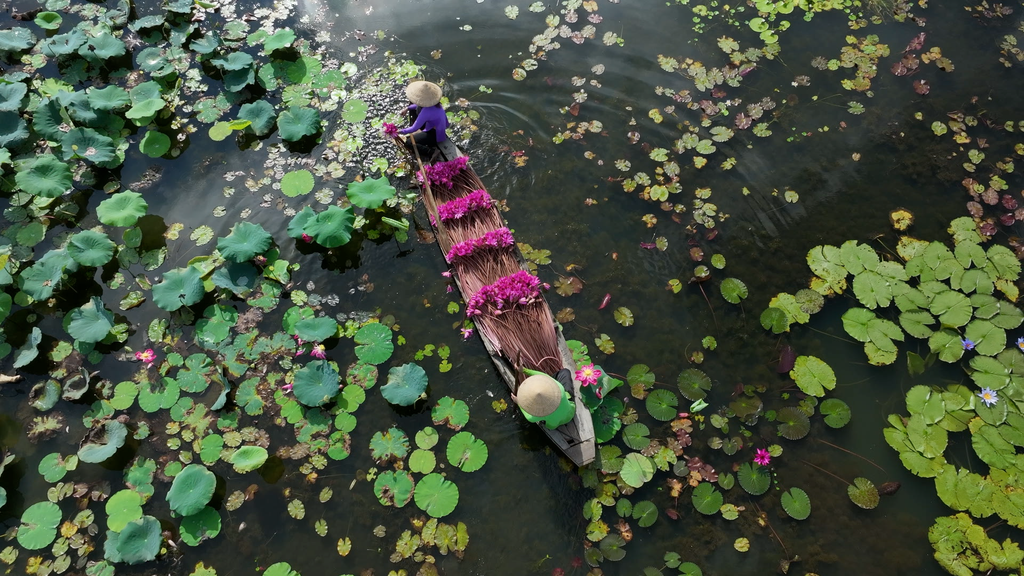
Read more: Sa Dec Flower Village – The Timeless Blossom of the Mekong Delta
Should you visit both mekong delta and cu chi tunnels in one day?
For many travelers with a limited layover or a tight 48-hour window in Saigon, the ultimate question isn’t whether to choose the Mekong Delta or Cu Chi Tunnels, but rather: “Can I do both in a single day?”
The short answer is: “Yes, you can”. However, this combo tour is a high-energy marathon that requires a bit of stamina and a very early start. Here is what a typical one-day combo schedule looks like:
- 07:00 AM: Depart from Saigon. Heading to Cu Chi first helps you beat the midday heat and the larger crowds.
- 09:00 AM: Explore the underground network, trapdoors, and historical relics at the tunnels.
- 11:30 AM: Drive directly toward the Mekong Delta (My Tho/Ben Tre) instead of heading back to the city.
- 01:30 PM: Enjoy a local lunch by the river, followed by boat trips, rowing sampans, and visiting island orchards.
- 05:00 PM: Head back to Ho Chi Minh City.
- 06:30 PM – 07:00 PM: Arrive at your hotel (depending on the legendary Saigon traffic).
Before booking, here is a quick look at what to expect:
The perks:
- Saves time: You finish two major sites in one day, freeing up tomorrow for a flight to another.
- Saves Money: It’s more cost-effective than booking two separate day trips with two different transport fees.
The challenges:
- Long drive: You’ll spend about 6 to 7 hours in a vehicle throughout the day.
- Fast pace: You will see a “condensed” version of the Mekong Delta compared to the dedicated full-day tour.
- Tiring: It can be a long day for seniors or very young children.
If you have two days, split them up. If you only have one day, the Lily’s Travel Combo Tour is the most efficient and professional way to ensure you don’t have to choose between history and culture. We bring the best of both worlds together into one unforgettable Vietnamese experience.