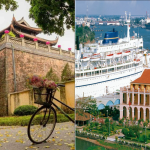



Mekong Delta or Halong Bay often appear at the top of travel forums, blogs, and itinerary discussions about Vietnam. These two destinations are frequently described as must-see locations, but they are rarely explained in a simple and practical way. Many travelers know the names, but not the real differences behind them. Without a clear context, it is easy to feel unsure about which one deserves your time. This guide starts by setting the stage for both options. Instead of jumping into details, it introduces the general character and reputation of each place.

Mekong Delta or Halong Bay – Which iconic vietnam experience should you choose
When travelers think about Mekong Delta or Halong Bay, they are comparing two very different sides of Vietnam. Both are iconic, and both are well worth visiting. Yet, what you will experience at each place is not the same. Halong Bay is famous worldwide for its dramatic seascape of limestone islands rising from calm water. It feels like a natural wonder that many people want to see at least once in their lives.

The Mekong Delta, on the other hand, gives you a look at rural life shaped by rivers, canals, and farmland. It is often called Vietnam’s “rice bowl,” and it stretches across a huge part of the south. The region’s waterways are full of life. Floating markets, local farms, fruit gardens, and daily trade create a very different atmosphere compared to the peaceful bay in the north.
Choosing between Mekong Delta or Halong Bay depends on what kind of travel experience you want. Do you want dramatic natural views and a restful cruise on the water? Or do you prefer learning about local culture, markets, and village life? That simple choice will guide the rest of your planning. Each destination has its own unique appeal and its own type of adventure.
What visiting Halong Bay is really like
Visiting Halong Bay feels like stepping into another world. The bay is in northern Vietnam and is known as a UNESCO World Heritage Site. It has more than 1,600 limestone islands and islets rising out of calm, green water. Many visitors describe the scenery as peaceful and almost magical.
Most travelers explore Halong Bay on a cruise ship. These boats stay overnight on the water. You can watch the sunset and wake up to a sunrise view surrounded by islands. Cruises offer meals, cabins, and organized activities like kayaking and swimming. Some people choose a day trip, but an overnight cruise gives you more time to enjoy the scenery and relax.

There are also cave systems hidden inside the limestone islands. Caves such as Sung Sot and Thien Cung have interesting rock formations to explore. On many tours, you will stop to visit these caves and learn a little about how they formed.
Halong Bay is busy with visitors, especially in peak season. If you want a quieter experience, you can choose a cruise that explores less crowded areas like Lan Ha Bay or Bai Tu Long Bay. Smaller boats and off-peak travel can help you feel more alone with nature.
Overall, visiting Halong Bay is about beautiful landscapes and a calm travel pace. You will see views that many people think of when they imagine Vietnam. It feels like a slow and scenic part of the journey, perfect for photos, nature, and peaceful moments on the water.
What a trip to the Mekong Delta feels like
A trip to the Mekong Delta feels like entering a world shaped by water and tradition. This region in southern Vietnam is famous for its vast network of rivers, canals, and lush farmland. Most travelers explore it by boat, bicycle, or small local paths. The rhythm of life here moves slowly. You see farmers tending crops, boats carrying goods, and markets full of fresh fruit and produce.
Visitors often take boat rides through narrow canals lined with palm trees and houses on stilts. Some trips include visits to floating markets, where vendors sell fruit, vegetables, and other goods directly from their boats in the early morning. These markets show how life on the water connects with trade and community.

You can also cycle or walk through quiet villages and rice paddies. The pace is relaxed. People smile and often talk to travelers. Local food is fresh and tasty, made from river and farm ingredients. In many areas, you can see traditional crafts like rice paper making or coconut candy being produced.
A Mekong Delta trip feels less like ticking off tourist sights and more like seeing everyday life in Vietnam. It is about nature, food, and culture in a rural setting. Many travelers find it peaceful and eye-opening.
Mekong Delta or Halong Bay – Key differences at a glance
When you compare Mekong Delta or Halong Bay, the differences are easy to see. Each destination offers a unique experience and highlights a different side of Vietnam.
Halong Bay is famous for its dramatic natural scenery. Tall limestone islands rise from emerald-colored water, creating one of Vietnam’s most iconic views. Most visitors explore the bay on a cruise boat. Many spend at least one night on the water and enjoy activities such as kayaking, swimming, or visiting caves. The experience is calm and scenic, with a strong focus on relaxation.

The Mekong Delta offers a very different atmosphere. It is a large river region filled with canals, farms, floating markets, and small towns. Travel here happens mainly by small boat or bicycle. Instead of open sea views, you see rice paddies, fruit orchards, and waterways lined with palm trees. Daily local life is part of the journey, not something separate from it.
| Category | Halong Bay | Mekong Delta |
| Landscape | Limestone islands and open sea views | Rivers, canals, farmland, and orchards |
| Travel Style | Organized cruises, often overnight | Small boats, cycling, short transfers |
| Main Activities | Sightseeing, kayaking, swimming, and cave visits | Floating markets, village visits, and local crafts |
| Overall Vibe | Scenic escape and relaxation | Every day local life and cultural experience |
In simple terms, Halong Bay is about natural beauty and calm cruising, while the Mekong Delta is about rivers, people, and rural culture. Your choice between Mekong Delta or Halong Bay depends on whether you prefer scenic relaxation or cultural exploration.
Travel time and itinerary commitment
When planning Mekong Delta or Halong Bay, travel time and itinerary commitment play a key role. These two destinations require different levels of planning and time investment.
Travel distance and time
| Destination | Starting City | Distance | Travel Time |
| Halong Bay | Hanoi | ~170 km | 2.5–3 hours by road |
| Mekong Delta | Ho Chi Minh City | Varies by location | 2–3.5 hours by road |
Halong Bay is located in northern Vietnam and is reached from Hanoi. The journey usually takes around three hours. Because of the distance and cruise schedules, visiting Halong Bay often requires careful planning.
The Mekong Delta is in southern Vietnam and is much closer to Ho Chi Minh City. Popular areas such as My Tho, Ben Tre, and Can Tho are easy to reach by car or bus.

Typical itinerary commitment
| Destination | Common Trip Length | Flexibility |
| Halong Bay | 2–3 days (overnight cruise) | Low |
| Mekong Delta | Day trip or 1–2 nights | High |
Most travelers visit Halong Bay on a cruise that lasts two or three days. You should plan at least two nights to fully enjoy the scenery, relax on the boat, and join activities like kayaking or cave visits.
The Mekong Delta offers more flexible options. Many travelers choose a day trip from Ho Chi Minh City. Others stay overnight to visit floating markets early in the morning and explore villages, fruit farms, and local attractions.
| Factor | Halong Bay | Mekong Delta |
| Time commitment | Fixed and structured | Flexible |
| Best for short trips | Less suitable | Very suitable |
| Depth of exploration | Depends on cruise length | Depends on length of stay |
In short, Halong Bay requires more fixed time due to its cruise-based travel. The Mekong Delta fits both short and longer itineraries. Your available time will determine how deeply you can explore each destination.
Mekong Delta or Halong Bay – Which suits your travel style
When deciding Mekong Delta or Halong Bay, your personal travel style plays a major role. Each destination suits a different type of traveler.
Travel style comparison
| Factor | Halong Bay | Mekong Delta |
| Overall pace | Slow and relaxed | Active and flexible |
| Main transport | Cruise boat | Small boats, bicycle, walking |
| Planning style | Structured and pre-arranged | Open and customizable |
| Movement level | Minimal | Moderate to high |
Halong Bay is ideal if you enjoy scenic views and a calm pace. Most visitors explore the area by cruise boat. Cruises include private cabins, meals, and fixed routes around limestone islands. You spend much of your time on deck, watching the water and sky. Activities are gentle and optional, such as kayaking or swimming. This setup suits travelers who want a relaxed experience with little effort. Everything is planned in advance, which makes the trip feel easy and comfortable.

The Mekong Delta suits travelers who prefer a curious and active style. You often travel beyond the main city and move between small boats, village paths, and local roads. Cycling or walking through villages is common. Visits to floating markets and fruit orchards are part of daily life here. The pace is flexible. You can stop to talk with locals, try fresh fruit, or explore longer if you wish.
Which destination fits you best?
| If you prefer… | Better choice |
| Scenic cruising and minimal planning | Halong Bay |
| Local culture and hands-on exploration | Mekong Delta |
If you like organized and scenic water tours, Halong Bay may be the better match. If you enjoy cultural experiences, variety, and movement, the Mekong Delta is likely to feel more rewarding. Your travel style will guide the right choice for your Vietnam trip.
Cost and value for money
When comparing Mekong Delta or Halong Bay, cost and value for money are key factors for many travelers. Prices vary based on tour length, comfort level, and included services.
Typical tour costs
| Destination | Tour Type | Duration | Approximate Cost |
| Halong Bay | Day tour | 4–6 hours | 500,000 – 900,000 VND |
| Halong Bay | Overnight cruise | 2 days / 1 night | 1,500,000 – 5,000,000+ VND |
| Mekong Delta | Day tour from HCMC | Full day | 400,000 – 1,000,000 VND |
| Mekong Delta | 2-day tour | 2 days / 1 night | 2,500,000 – 3,000,000 VND |
Halong Bay prices depend heavily on the cruise quality. Budget cruises offer basic cabins and shared activities. Mid-range and luxury cruises include better food, larger cabins, and fewer guests. Transport from Hanoi is often included, which adds to the overall cost.
Mekong Delta tours are generally more affordable. Day trips from Ho Chi Minh City include transport, boat rides, and meals at a lower price point. Private or multi-day tours cost more but still remain competitive compared to Halong Bay cruises.

Value for money comparison
| Factor | Halong Bay | Mekong Delta |
| Daily cost | Higher | Lower |
| Inclusions | Cruise, meals, cabin, activities | Transport, boat trips, meals |
| Budget flexibility | Limited | High |
| Cultural depth per cost | Moderate | High |
In general, Halong Bay feels more expensive due to cruise-based travel and longer distances. The Mekong Delta offers greater flexibility and strong value for budget travelers. Many visitors spend less per day while still enjoying meaningful cultural experiences in the Delta.
Comfort level and travel pace compared
Comfort and travel pace differ clearly when comparing Mekong Delta or Halong Bay. Each destination offers a distinct travel experience.
Comfort level comparison
| Factor | Halong Bay | Mekong Delta |
| Accommodation | Cruise cabins with beds | Homestays, guesthouses, or hotels |
| Facilities | Air-conditioning, private bathrooms | Basic to moderate, varies by area |
| Meals | Included on cruises | Local restaurants or homestay meals |
| Overall comfort | High | Moderate |
Halong Bay cruises provide a comfortable setting. Overnight cruises include private cabins, bedding, and meals. Most boats offer air-conditioning and private bathrooms. Some cruises also include extra services such as kayaking or spa treatments. The environment is controlled and comfortable, which suits travelers who value rest and convenience.
In the Mekong Delta, comfort levels vary. Many trips include homestays or small hotels. Facilities are simpler, especially in rural areas. Meals are often home-cooked and local, which adds to the experience but may feel less comfortable for some travelers.

Travel pace comparison
| Factor | Halong Bay | Mekong Delta |
| Daily movement | Minimal | Frequent |
| Transport changes | Rare | Common |
| Start times | Flexible | Often early |
| Activity level | Low | Medium to high |
Halong Bay travel is slow and relaxed. You stay on the same boat and move with the tides. Most of your time is spent enjoying views from the deck with little physical effort.
The Mekong Delta has a more dynamic pace. You often switch between boats, walking paths, and bicycles. Early morning visits to floating markets are common. The pace is more active but also more engaging.
Best time of year to visit Mekong Delta or Halong Bay
Choosing when to visit the Mekong Delta or Halong Bay can shape your experience. The Mekong Delta has a tropical climate with two main seasons: the dry season from December to April and the rainy season from May to October. You can visit at any time, but the dry season offers sunnier weather and better conditions for outdoor activities. The rainy season features lush green landscapes and ripe fruit in orchards, which many travelers enjoy too.
Halong Bay in northern Vietnam also has distinct seasonal patterns. Spring (March to May) and autumn (September to November) are widely recommended. These months have mild temperatures and clearer skies, making them ideal for cruising and sightseeing. Summer (May to September) can be hot and rainy, and there is a risk of tropical storms that may disrupt cruises, but these months often come with lower prices and fewer tourists. Winter and early spring (December to February) are cooler with less rain, but fog and mist can limit visibility.

In general, the best time for both destinations is when the weather is mild and dry. For the Mekong Delta, that is usually December to April, and for Halong Bay, it is often March to May or September to November. Planning around these months can help you avoid heavy rain and enjoy better travel conditions overall.
Ready to choose between Mekong Delta or Halong Bay? Start your trip with Lily’s Travel. With 15 years of experience across Vietnam, Laos, and Cambodia, they create cultural routes that go beyond the usual sights. Their team uses 4.0 tech to give you a 3D preview before you book, so you know exactly what to expect. The result is immersive, honest travel that fits curious explorers.
Mekong Delta or Halong Bay ultimately depends on the kind of experience you’re seeking, as both destinations reveal unique sides of Vietnam’s beauty. Whether you prefer tranquil river life or dramatic limestone seascapes, either choice promises unforgettable moments and meaningful cultural insights.