



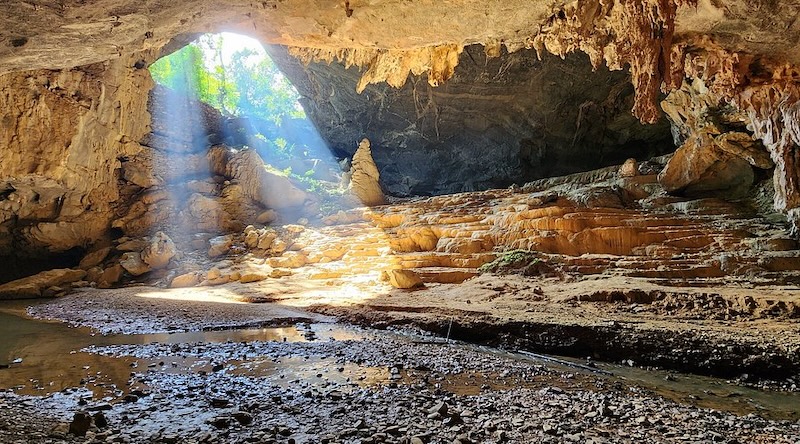
Cao Bang is a hilly province in the Northeast of our country. It has many hills and woods. But that makes the natural scenery really lovely. Cao Bang has many fascinating places for tourists to visit, like Pac Bo cave, Ban Gioc waterfall, and Khuoi Ky stone village. Nguom Ngao cave stands out as a unique example of natural art.
Overview of the cave’s location in Cao Bang, near Ban Gioc Waterfall
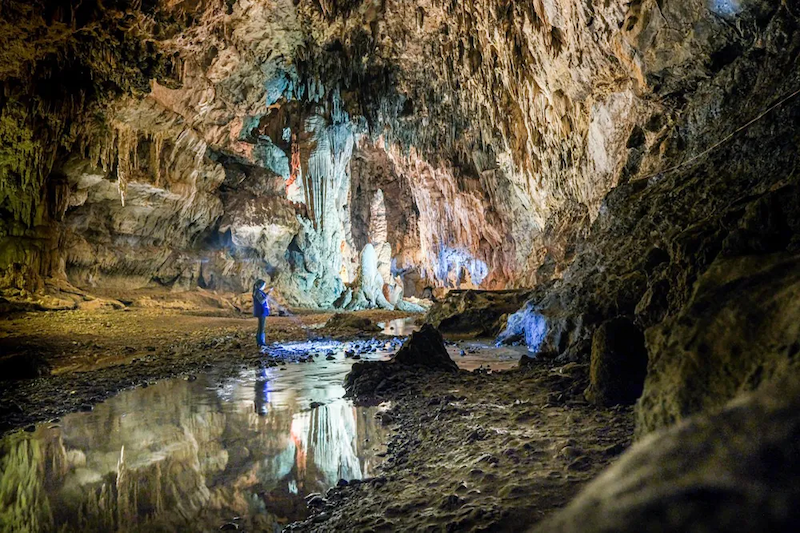
In 1921, they found Nguom Ngao Cave, which is also called Ngao Cave. It opened to tourists in 1996. The British Royal Cave Association did a survey in 1995 and found that the cave is 2,144m long and has three main entrances: Nguom Lom (hidden under the rock at the foot of the mountain), Nguom Ngao (a few hundred steps from the foot of the mountain), and Ban Thuon (behind the mountain, near the Tay people’s Thuon village).
The Nguom Ngao Cave is a beautiful cave that is buried in a big mountain in the Dam Thuy commune of Trung Khanh district in Cao Bang. This cave still looks wild and beautiful because it was found late and opened to tourists just recently.
In the ethics group of the Tay people’s language, the word Nguom signifies cave and the word Ngao indicates tiger. Nguom Ngao means “Tiger Cave” because of a story that says that in the past, many tigers lived in the cave. They would often go into the nearby residential area to catch the livestock of the people who lived there. The people then set traps and caught all the tigers so they could live in peace. There is also a belief that the name Nguom Ngao comes from the sound of water running in the cave, which resembles a tiger roaring. The captivating tales and the unadulterated beauty of the cave environment, crafted solely by nature, enhance its allure.
Geological features and natural beauty of Nguom Ngao Cave
When you go to Nguom Ngao cave, you’ll see a beautiful world inside the cave with the following highlights showing you the geological features and natural beauty.
1. Stalactites that are different colors
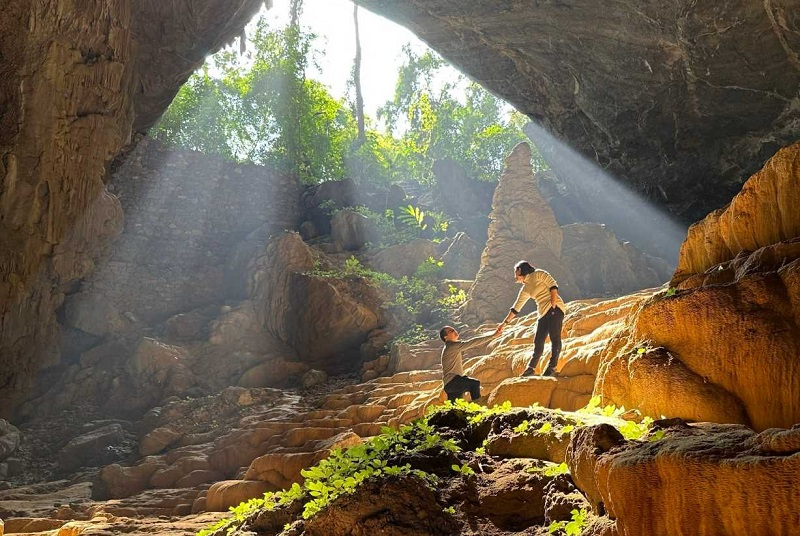
Nguom Ngao Cave is one of the most beautiful places to visit in Cao Bang. The cave is famed not only for its beautiful scenery but also for the stunning stalactites that grow inside. Upon entering Nguom Ngao Cave, the shimmering stalactites immediately captivate visitors, creating a mystical and mysterious atmosphere.
The stalactites at Nguom Ngao Cave have grown into unique and different shapes over millions of years. There are many different kinds of stalactites, from small, attractive ones to big ones with unusual shapes. The light that shines through the cracks makes the cave look like a painting with shimmering reflections.
The different colors of the stalactites in Nguom Ngao Cave are one of the best things about them. You can observe colors that range from bright white to warm yellow to mysterious blue. The diversity of colors not only draws tourists, but it also makes it difficult for photographers to look away from the natural beauty of this place.
Moreover, numerous stories and folklore connect the stalactites at Nguom Ngao Cave. People who live in the area often tell strange stories about the shapes of the stalactites, which makes the tour more fun.
2. The big area is like a different world
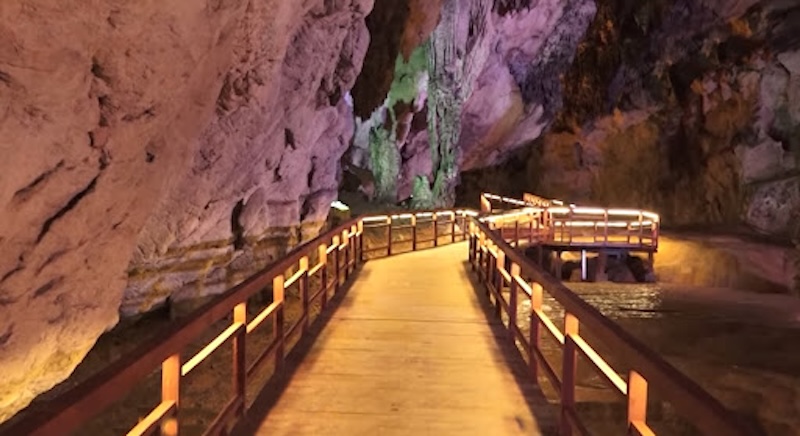
Nguom Ngao Cave is more than just a cave; it has many wide nooks and rooms that make it a big, fascinating environment. It can be up to hundreds of meters long. There are giant stalactites and weird stalagmites all over the place, which makes Nguom Ngao Cave a beautiful and intriguing natural picture.
The cave is enormous, but it also makes you feel small and overwhelmed. You will feel like a part of nature as you stand among the tall stone arches and shining stalactites. You will feel little in the big expanse. The light entering from the corners creates magnificent lighting effects, making Nguom Ngao Cave appear even larger and more mysterious.
Many people spend hours exploring every inch of Nguom Ngao Cave, not just to see how beautiful it is, but also to sense the majesty and wonder of nature. Every step in Nguom Ngao Cave is a new adventure because it is enormous.
The history and cultural significance of Nguom Ngao Cave
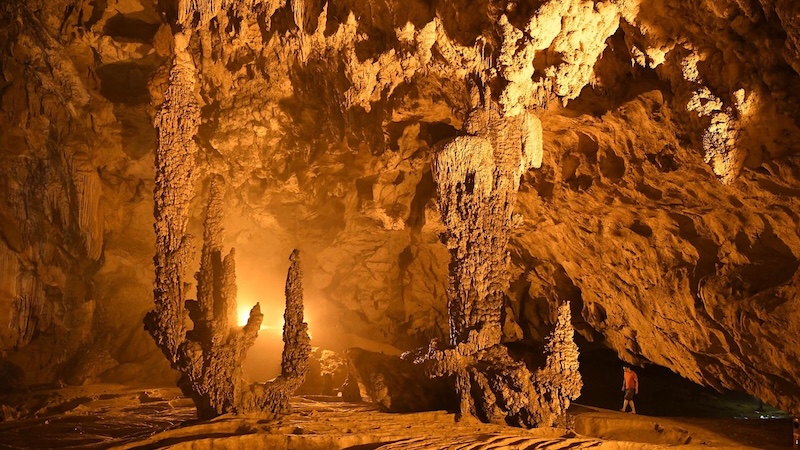
In the Tay language, Nguom Ngao means “Tiger Cave.” This name comes from local stories of tigers living in the area or the sound of water echoing like a tiger’s snarl. This beautiful limestone cave is famous for both its geological wonders and its cultural importance. It sits in the Cao Bang region of northern Vietnam.
The cave is thought to be about 400 million years old. It was made by a number of complicated natural processes, such as water erosion, chemical reactions, and the movement of tectonic plates. French explorers found it in 1921, and it opened to the public in 1996. Nguom Ngao has been named a national scenic site since then, and it is currently part of the Non Nuoc Cao Bang Geopark, which is recognized by UNESCO.
The cave is essential to the Tay and Nung ethnic groups since it was a safe place for them to go during times of war. The cave’s beautiful formations, including stalactites, stalagmites, and intricate rock patterns, have inspired many local folktales and are an important part of the region’s culture. Today, Nguom Ngao Cave is a popular place for tourists to visit because it has a unique mix of natural beauty, historical history, and cultural heritage.
How to get to Nguom Ngao Cave
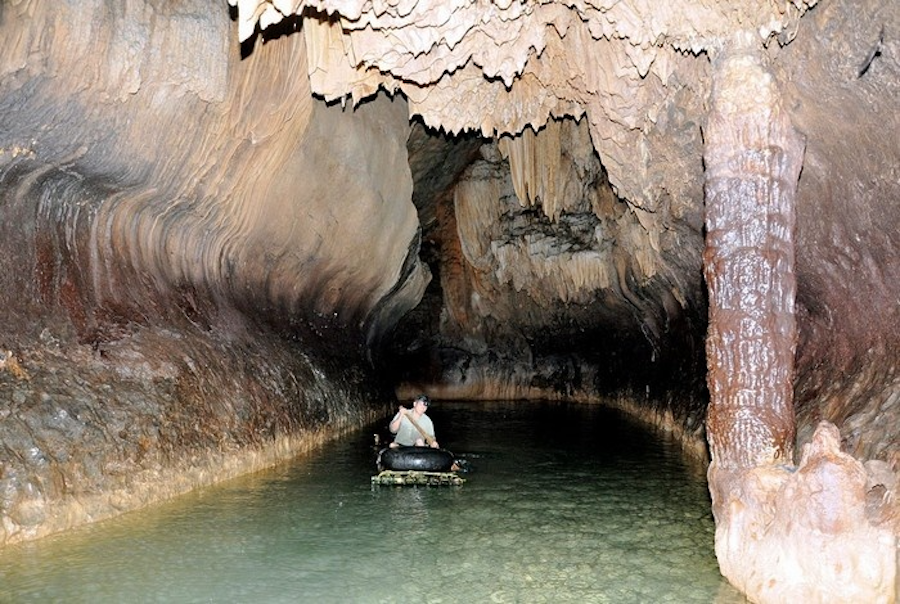
There are several ways for visitors to travel to Nguom Ngao Cave. First, you can take a bus or a private automobile to leave Hanoi. To get to Cao Bang from Hanoi, take National Highway 3 and then turn onto National Highway 4A. Traffic might make the trip take anything from 6 to 8 hours. After arriving in Cao Bang city, you need to travel approximately 3 more kilometers to reach Nguom Ngao Cave.
You might choose a motorbike if you wish to have a more thrilling trip. You can move around more easily on a motorcycle, and you can also enjoy the gorgeous landscape along the route. Numerous enjoyable places to stop along the way make the drive to Nguom Ngao Cave easy to follow.
You can take a cab or a motorcycle taxi from the middle of Cao Bang city to Nguom Ngao Cave. Prices are usually extremely fair, and you won’t have to worry about getting lost. When you get there, you’ll be able to see how beautiful Nguom Ngao Cave is right away. There are also many other things to see and do in the Nguom Ngao Cave area, like Ban Gioc Waterfall and communities of ethnic minorities. These attractions will make your journey more captivating and unforgettable.
What to expect when visiting Nguom Ngao Cave
When you go to Nguom Ngao cave, you’ll see a beautiful world inside the cave with the following highlights
Admire the spectacular formations and shapes and colors diversity
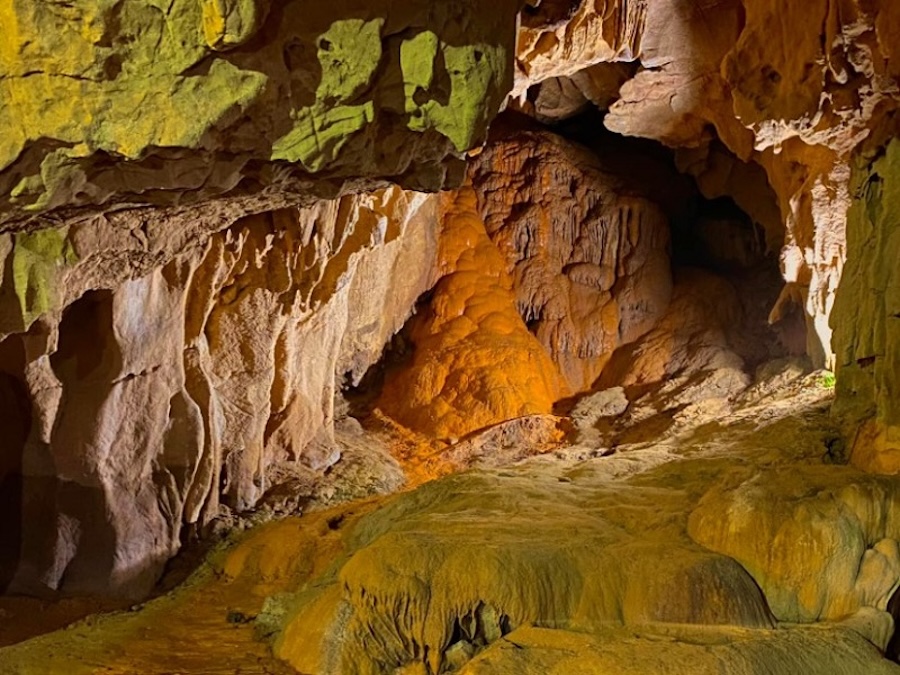
The beautiful natural rock formations of Nguom Ngao Cave, especially the spectacular stalactites that hang from the ceiling and stalagmites that emerge from the floor, are what make it famous. Over millions of years, minerals from dripping water have slowly built up to create these formations, which make for a stunning underground landscape.
Because the water that seeps through the rock is rich in minerals, the cave’s formations have a wide diversity of patterns and hues. Visitors can see natural shades of red, brown, green, and even blue, which all contribute depth and life to the cave’s interior.
Listing to the unique features with legends and mysterious atmosphere
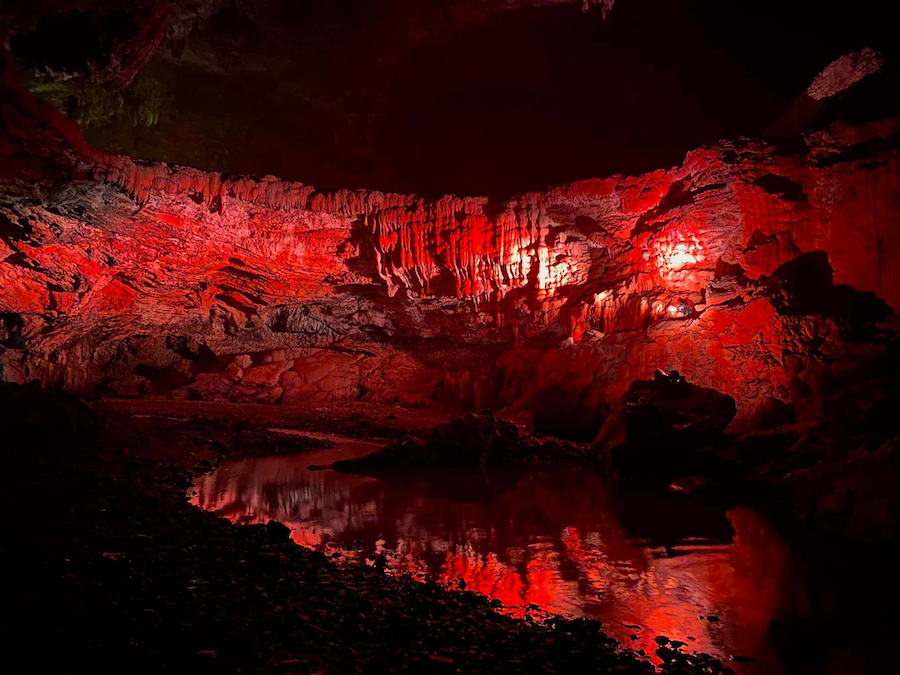
The “Upside-down Lotus Altar” and the “Lonely Stone Pillar” are two of the most famous things of Nguom Ngao Cave. These formations are not only beautiful to look at, but they also have cultural and spiritual meaning for the Tay and Nung people because of local tales.
The cave has a magical feel about it, thanks in part to the low light and the natural echoing sounds of water trickling. In some places, utter darkness adds to the sense of mystery, making the expedition feel like a trip to another realm.
Feeling cool and refreshing from the climate
Nguom Ngao is chilly all year, making it a nice place to get away from the summer heat. The fresh air inside makes it a great place for people who want both adventure and comfort.
Act like the experts through the accessible exploration
Some portions of the cave include uneven ground and stone steps, but the major passageways are well-kept and safe for most people to walk on. The path through the cave is thought to be easy to moderate in difficulty, so people of all fitness levels can enjoy its beauty.
Read more: Tram Tau Hot Spring: A perfect paradise for relax
Travel Tips for Exploring Nguom Ngao Cave
No one should miss Nguom Ngao Cave, which is surely a natural wonder. And to make sure your trip here is thorough and safe, you should pay attention to the following:
- Time to visit: the best time to visit the cave is during the dry season, which runs from October to April. The weather is dry, and it’s simple to get around.
- Shoes: The ground in the cave is very hard and wet, so wearing sneakers or shoes with strong grip can help you move securely and not slip.
- Clothing: The cave will be colder than the outside air, especially in the winter. Bring warm clothes so you don’t get cold when you go there.
- Personal items: Some parts of the cave will be dark, so a flashlight will assist you in getting around securely.
- Be careful while you walk: The cave path can be slippery and has many steps, so be cautious and go slowly.
- Do not touch stalactites. They are lovely but incredibly delicate, and it takes millions of years for them to form.
- Do what the tour leader says: If you’re on a guided tour, pay attention to what they say and do what they say to keep yourself and others safe.
Note:
The Nguom Ngao Cave entrance fee is 45,000 VND/adult and 20,000 VND/child.
- Adult: 45,000 VND/person.
- Children: 20,000 VND/person.
- Children under 1.2 m: Free.
Nearby Attractions to Combine with Nguom Ngao Cave
There are many great things to see and do around Nguom Ngao Cave (Dam Thuy Commune, Trung Khanh District, Cao Bang), making it easy for tourists to see them all on the same trip.
1. The Ban Gioc Waterfall
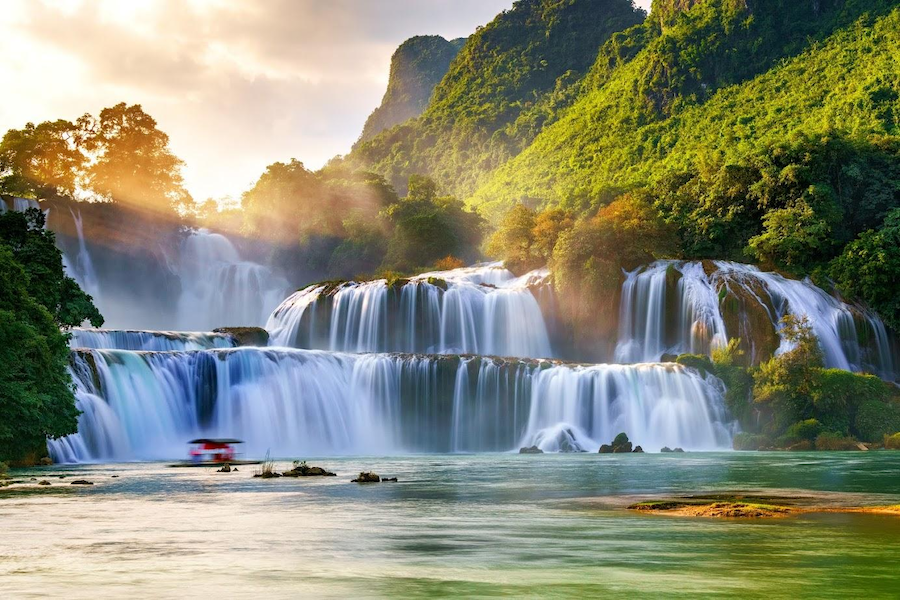
It’s simply around 2.5 km (10 minutes by car) from Nguom Ngao Cave to Ban Gioc Waterfall. It is one of the biggest and prettiest waterfalls in Southeast Asia. The white water flows from a height of around 60 to 70 meters, making a stunning panorama in the heart of the border highlands and forests.
2. The Pagoda of Phat Tich Truc Lam
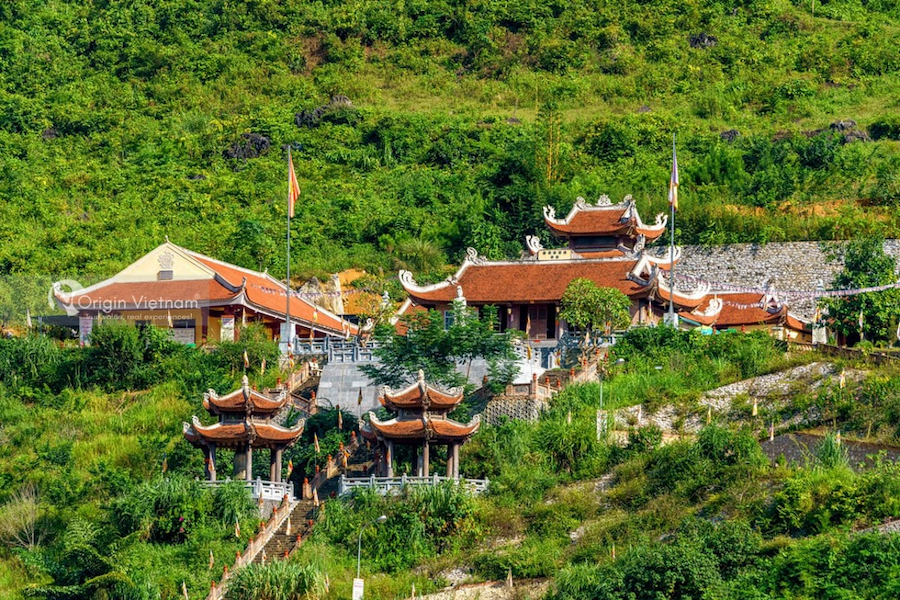
Phat Tich Truc Lam is close by. The Ban Gioc Pagoda is atop a tiny mountain about 2 km from Nguom Ngao Cave. The pagoda is built in the traditional Truc Lam style, and it’s a wonderful place to pray and watch the full cascade from above. Visitors can stop by Khuoi Ky stone hamlet, which is only about 1.5 km from the cave, on the way to the waterfall. The town is known for its stone stilt buildings built by the Tay people and still practices ancient skills like baking rice cakes, brewing corn wine, and weaving brocade.
3. Phuc Sen Blacksmith Village
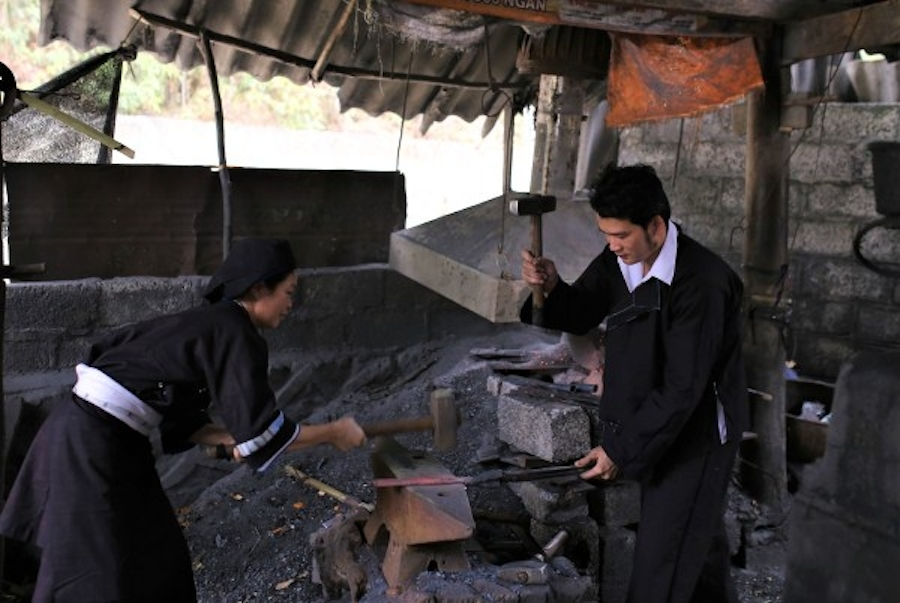
If you have extra time, you can drive about 25 km (45 minutes to an hour) to Phuc Sen Blacksmith town, a unique traditional craft town where hundreds of forges have been working by hand for hundreds of years.
4. Other caves that are different
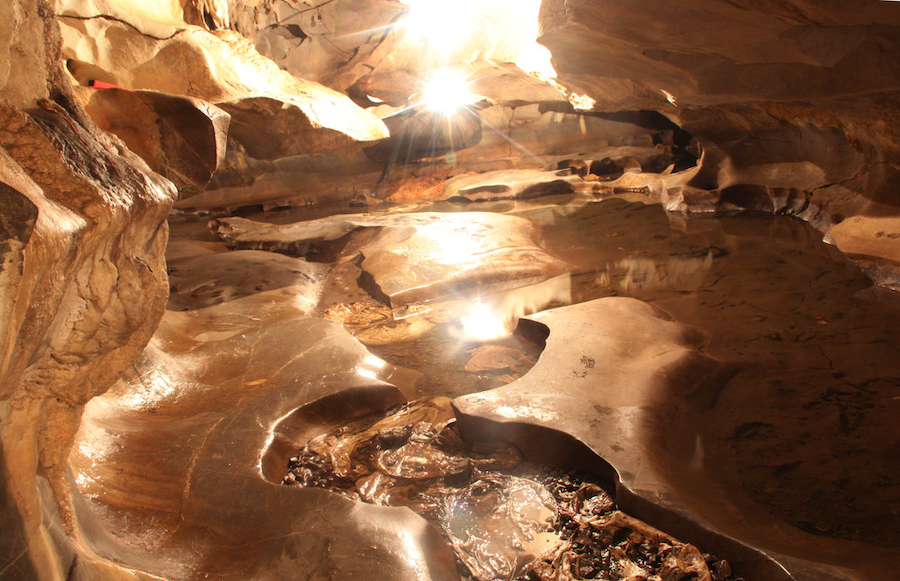
The Trung Khanh – Cao Bang area also offers a lot of other natural caverns, like Ghi Rang Cave, Doi Cave, Nguom Boc Cave, and Slua Cave. These caves are ideal for people who like to explore wild places and be in nature. These places are easy to get to because they are close together. They offer a trip to see the Northern mountainous region’s rich culture, history, and nature.
If you love nature and want to learn more about the country’s culture, you should definitely go to Nguom Ngao Cave. When you come here, you’ll be able to see nature’s greatest works, do new things, and make experiences that will last a lifetime. Don’t forget to message Lily’s Travel if you want to schedule a tour to Nguom Ngao Cave. We would be pleased to provide you with the advice and information you need promptly.
Read more: Khau Pha Pass: How to conquer