


Tram Tau Vietnam is not yet on most travelers’ radar, but it’s definitely worth exploring. Located in the remote Yen Bai province, Tram Tau is a serene district renowned for its rolling hills, temperate weather, and diversity of cultures. It’s one of those destinations ideal for travelers who want the real, nature-focused kind of travel rather than tourist crowds. This article will introduce you to the fundamentals of trip planning to Tram Tau, from transportation and accommodation to the essentials of what to see and do.

What is Tram Tau and why visit it
Tram Tau is a mountain district of Yen Bai province in northwest Vietnam. It has an elevation of approximately 800 m above sea level. The climate is temperate all year round. Summer sees rainfall and cold winters. This offers fresh air and is perfect for hiking or simply relaxing. Tram Tau Vietnam is renowned for its natural hot springs. The hot springs offer pure mineral water, typically between 40 °C and 45 °C. Many tourists come and soak and relax by looking at the mountains. The hot springs sit in a valley with green hills and rice paddies.

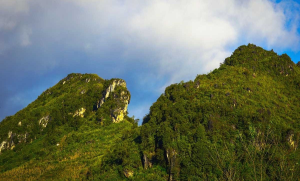
The site has more than hot springs. It is close to high mountains like Ta Chi Nhu (2,979 m) and Ta Xua, which appeal to trekking for sea-of-clouds landscapes. Cycling, hiking, and waterfall visits are also popular. Tram Tau has a lively cultural diversity. Thais and H’Mong live in traditional villages. Tourists can try local dishes, hear khen music, and stay in warm homestays. All of this offers the genuine flavor of rural Vietnam. Many tourists come to Tram Tau for its peaceful ambiance and scenery.
How to get to Tram Tau
Tram Tau is approximately 200–210 km from Hanoi. Travel by private car or motorbike for about 5 hours. The roads cross national highways. It passes through Cau Trung Ha, Thanh Son, Thu Cuc, and Nghia Lo before climbing the last 30 km into the mountains. If you like motorbike tours, you can ride from Hanoi to Tram Tau. The ride is scenic but sometimes tight with sharp corners. Keep it slow and enjoy the views. It’s not advisable for inexperienced riders.

Most people get to Tram Tau by taking a bus from My Dinh Bus Station in Hanoi to Nghia Lo first. It’s around 30 miles from there to Tram Tau, where you can easily go to by motorbike taxi or a local car, which is a cheap and safe choice. Another option is to take the train from Gia Lam Station in Hanoi to Yen Bai City. The trip takes around 3.5 hours and costs between $4 and $14. It takes roughly 2 to 2.5 hours to get from Yen Bai to Tram Tau by taxi or local auto. This choice costs more than driving yourself, but the ride is easy and fun.
Things to do in Tram Tau
Tram Tau is a great place to enjoy with many activities, some of which are:
Soak in the hot springs
Natural hot mineral springs in Tram Tau Vietnam are a must. Several pools to pick from. Temperature ranges from 38°C to 45°C. The springs are situated in a valley between irrigated fields. Bathe, relax, and even dine at a resort further down the mountains. Towels and a shower are available. Suitable for sore muscles after a climb or long motorbike ride.
Visit Hang Te Cho waterfall
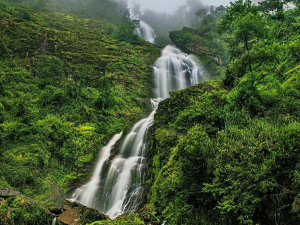
One of the most scenic places in Tram Tau is Hang Te Cho waterfall. Water cascades over rocky cliffs into a cold pond. The trail is moderate to easy. Swim if you want. It is peaceful. The waterfall lies deep inside the verdant jungle. It glistens in the sun on sunny days.
Trek to Ta Chi Nhu or Ta Xua peaks
Trekking in Tram Tau Vietnam leads to two famous summits.
- Ta Chi Nhu (2,979 m) is called the “roof of Yen Bai.” The hike often lasts two nights. Most trekkers time the climb to watch sunrise above a sea of clouds. Purple Chi Pau flowers may mark the slopes from September to November.
- Ta Xua (2,865 m) offers rugged ridge hikes. The famous dinosaur‑backbone trail brings mist and cloud sea views. The climb takes 2–3 days when you start from the Tram Tau.
Cycle or motorbike through rice terraces
Motorbike and cycling tours of Tram Tau Vietnam are popular. Road runs through green and golden rice terraces. Dirt paths lead you to hill tribe villages and pine groves. You go slow for photos and local ambiance. Most tours combine Mu Cang Chai on the same trip.

Discover Cu Vai and ethnic villages
A motorbike journey from Tram Tau comes to Cu Vai Village. A compact H’Mong village perches on a steep ridge. Stilted villages look out over valleys filled with clouds. Locals work at embroidery and transplant rice by hand. Homestay overnight or hike in the mist. Thai villages are also nearby, around Muong Lo and Tu Le, renowned for their beauty and sticky rice markets.
Shop at the town market
At Tram Tau, the town market sells fresh fruits and vegetables, along with fabrics. H’Mong and Thai printed materials are lovely. The local tailors sew on the spot. Locals don’t overprice. No bargaining is needed. It is a great place to buy souvenirs and feed the finances of the community.
Join a cultural evening
Evening in Tram Tau Vietnam might feature Thai music and cuisine. Performances take place in most resorts or homestays. Khen flute songs are heard. Thai folk dances are performed by local artists. Bamboo-tube rice or smoked buffalo meat is recommended. Join a fire discussion with the hosts. It is warm and intimate.
Where to stay in Tram Tau
Tram Tau has a mix of homestays and one main resort. Resorts offer more comfort. Homestays provide a local feel. Both support local communities.
- Tram Tau Eco Garden Resort & Hot Spring: This is the only full-service resort. It has two hot‑spring pools, spa services, and a gourmet restaurant. Rooms open to private balconies with garden views. Guests get complimentary towels and towels. Rates vary. Many packages include hot spring access. It is a good option for travelers who seek comfort without daily transfers.

- Zoni Home Tram Tau Homestay: Built in Thai and H’Mong styles, this homestay uses bamboo and wood. It offers family rooms with private bathrooms. The view overlooks rice terraces. Meals include local dishes. Hiking, cultural chats, and karaoke evenings may be available.
- Suoi Khoang Nong, Doi Che, and Xoe Homestays: Situated in Zone 3 and Zone 5, these offer simple bungalows or shared dorms. Rates range from 200,000 to 800,000 VND per person. These homestays often include hot‑spring access or discounted tickets. They are a budget‑friendly way to stay close to hot springs and trekking trails.
You should arrive in Tram Tau the night before any mountain trek. It lets you rest and begin early. Stays of 3 or 4 nights give enough time to explore hot springs, waterfalls, and trekking without rushing (see FAQs below for more).
Tips for visiting Tram Tau
Below are some of the practical tips for Tram Tau’s first comers:
- Book ahead. Homestays and rooms fill fast during harvest and trek seasons. Best to reserve 2–3 weeks in advance, especially from September to October.
- Pack layers and rain gear. Temperatures vary from 10 °C at night in winter to over 30 °C in summer. Bring light rain jackets and long sleeves. Clouds and fog are common in midday.
- Go with a local guide. Trails can be slippery after rain. For safety, hike with a guide. Routes like Ta Xua or Ta Chi Nhu require guide assistance.
- Plan to arrive the evening before trekking. Trekking usually begins before sunrise. Stay locally the night before to avoid early drives.

- Respect local customs. Garments should cover the shoulders and knees. Ask before taking photos of villagers. Support local crafts shops in markets.
- Carry small cash and water. Card machines are rare. Carry enough snacks and mosquito repellent for remote treks.
- Best seasons: September–November bring golden rice and clear skies. March–May offers mild weather and blooming flowers. Avoid heavy rains from June to August.
Read more: Thang Hen Lake: The poetic “Tuyet Tinh Coc” of Cao Bang mountains and rivers
FAQs about Tram Tau
FAQs are one of the most helpful sections for travelers who come to Tram Tau for the first time.
How long should you stay in Tram Tau?
Most travelers stay 3 to 4 days in Tram Tau Vietnam. This timeframe allows for hot‑spring time, a day trek to Ta Chi Nhu or Ta Xua, a cultural visit to Cu Vai, and rest. Sample itineraries include 3‑day tours from Hanoi, with one or two nights in Mu Cang Chai plus one in Tram Tau.
Is it safe for beginner trekkers?
Yes, Tram Tau is safe for beginners when you book a reputable local guide. Recommended trails like Ta Xua are rated moderate and usually done in 2 days. Avoid solo hikes and stay indoors if heavy rain or fog is forecast within 24 hours before you start. Guides carry first‑aid kits and know the terrain.

Can you visit Tram Tau year‑round?
Yes. But travel conditions change with the seasons:
- Summer (June–Aug): Frequent rain, slippery roads. Trails may close.
- Autumn (Sept–Nov): Dry, clear skies, golden rice terraces.
- Winter (Dec–Feb): Cool nights (10–15 °C), ideal for hot springs.
- Spring (Mar–May): Mild days, sun exposure increases. Perfect for multi‑day treks.
Each season shapes different experiences. Choose based on what matters most – cloud seas, harvest views, or hot‑spring soaks.
Act now to explore Vietnam with Lily’s Travel – your gateway to authentic cultural immersion! Our signature tours showcase the best of Vietnam, Laos, and Cambodia, highlighting multi-ethnic heritage and natural wonders. We’re dedicated to sustainable tourism and community enrichment, ensuring your travels benefit local people and the environment. Enjoy peace of mind with our innovative 3D tour previews and expert team ready to craft the perfect, personalized journey.
Tram Tau brings together adventure, relaxation, and cultural discovery in one serene destination. Whether it’s your first time or a return trip, you’ll find new reasons to love this peaceful mountain town. Embrace the journey and let Tram Tau surprise you.
Read more: Ho Tram Beach travel guide: What to know before you go