


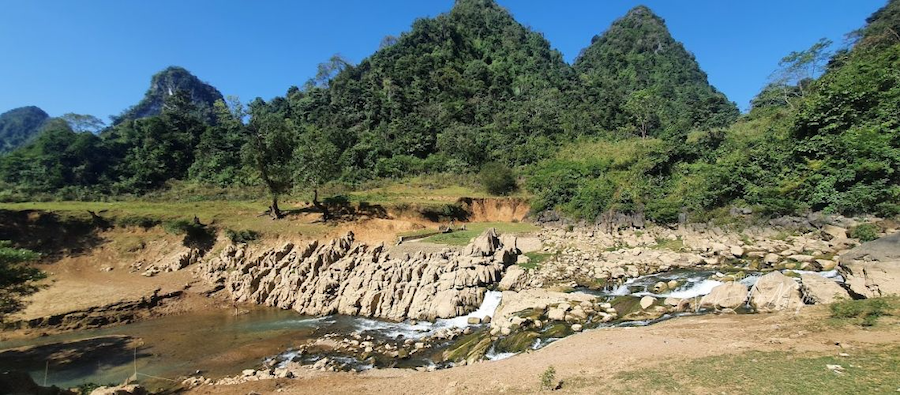
You should go to Nam Tra Waterfall because it’s beautiful and quiet, and it’s a great place to get away from busy tourist spots.
Why visit Nam Tra Waterfall?
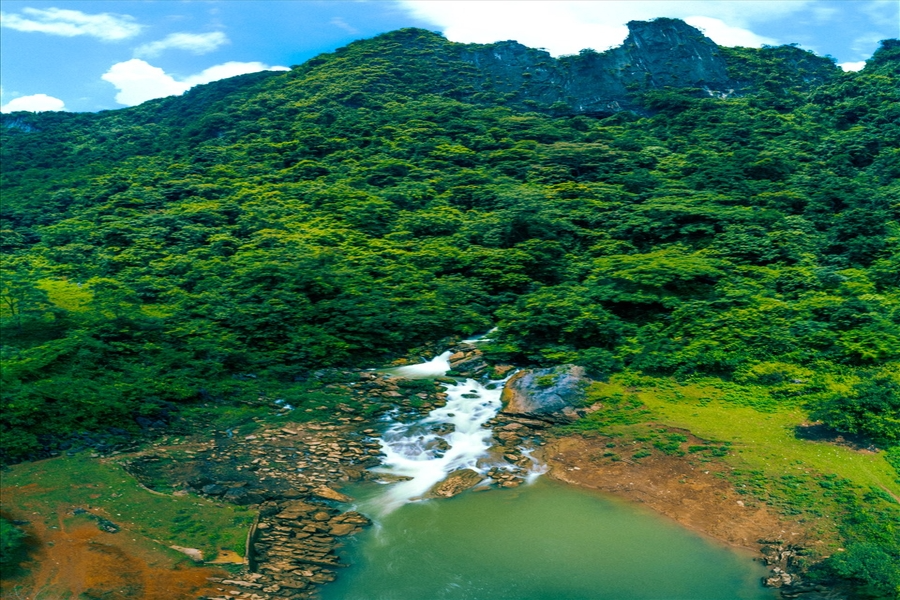
Nam Tra Waterfall is a beautiful spot to see nature in its purest form. Water flows down rocks and into a lush green area. The waterfall is also crucial for the environment because it provides water for cultivation and is home to many animals.
Here are some more specific reasons to go:
- Nam Tra Waterfall is a place where you may enjoy the untouched beauty of nature without the crowds and commercialization that are common in more developed tourist areas.
- The waterfall’s layered structure, which was made by the erosion of subsurface water sources and streams, is a sight to behold, especially during the rainy season when the water runs quickly and the plants around it are bright.
- The waterfall is more than simply a gorgeous sight; it’s an important aspect of the local environment. It provides water for agriculture and supports many different types of plants and animals.
- The calm environment at Nam Tra Waterfall makes it a great spot to relax and reconnect with nature. The calm environment is wonderful for unwinding and listening to the sounds of nature.
- Opportunities to take pictures: The waterfall and its surrounds are so beautiful that they are great places to take photographs that will last a lifetime.
How to get to Nam Tra Waterfall
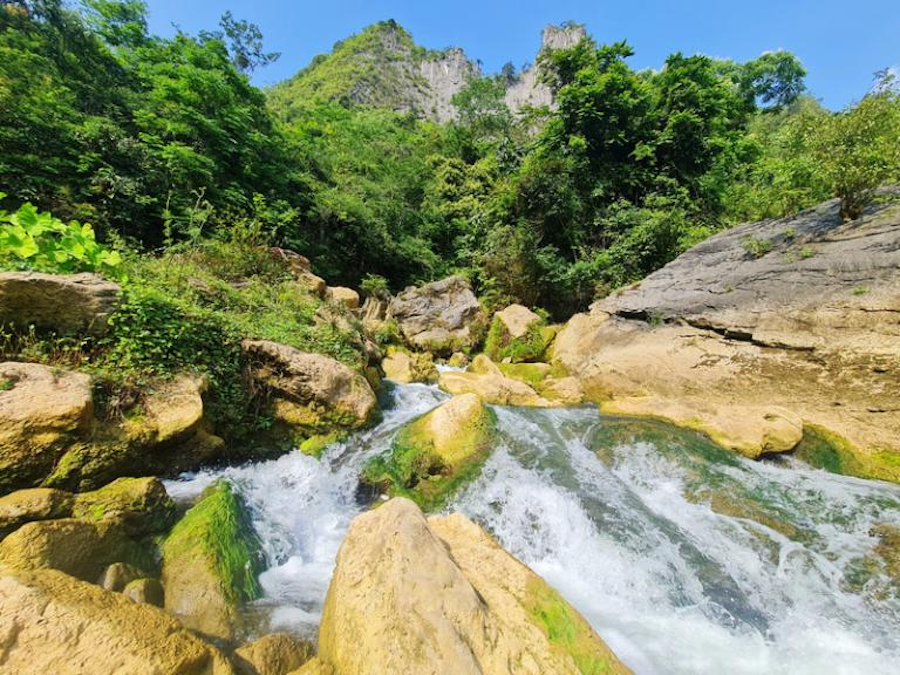
To go to Nam Tra Waterfall, go to Cao Bang city and then follow National Highway 4A to Thach An District. After that, take the inter-commune route to Le Lai Commune and walk about 1 km down the woodland road to the base of the waterfall. The trek is said to be difficult and uneven, but the views are beautiful.
First, you need to get to the city of Cao Bang. You may get to Cao Bang by vehicle, motorbike, bus, or by taking a trip from Hanoi. The travel from Hanoi takes about 6 to 7 hours by car or motorbike. The roads are attractive, but they can be narrow and twisty.
To get to Thach An District from Cao Bang city, take National Highway 4A south. Find the road that goes to Le Lai Commune and then turn off into the inter-commune road.
To get to the foot of Nam Tra Waterfall, you’ll have to walk about 1 kilometer along a forest road after you get to Le Lai Commune. The path is said to be a little steep and bumpy, but the views are worth it.
What to expect at Nam Tra Waterfall
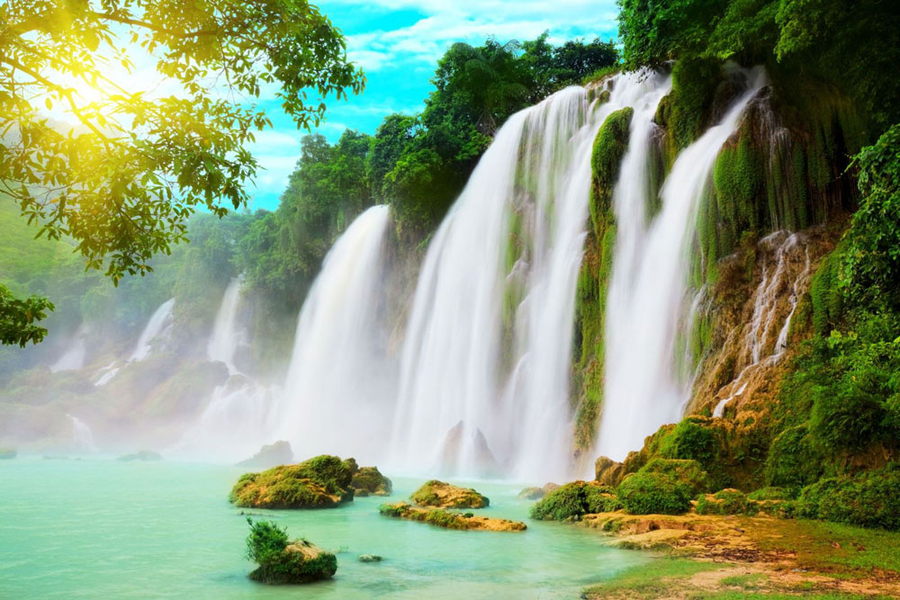
At Nam Tra Waterfall, you can expect to see a beautiful, powerful cascade of water falling approximately 20 meters into a pool below, creating a misty atmosphere and a soothing sound.
The waterfall crashes down from a steep cliff into a clear, rocky basin, sending up a fine spray that catches the sunlight and creates shimmering rainbows on sunny days. This natural spectacle is not only visually stunning but also offers a multi-sensory experience, as the sound of rushing water mixes with the calls of birds and rustling leaves in the forest canopy.
Admire the scenic views
The waterfall is a beautiful sight, with white water falling down and surrounded by green plants. The tropical plants, moss-covered rocks, and bright ferns that cover the hills around the waterfall make a beautiful contrast with the rushing white water. The environment could be full with wildflowers or full of the noises of insects and birds, depending on the time of year. This makes it a great place for nature enthusiasts and photographers.
Mist and Fresh Air: The water that falls makes a delightful mist that spreads across the region, making it seem cold and refreshing. The steady spray from the waterfall keeps the air cool and moist even on hot days. It also brings the smell of the forest and clean mountain water. It’s a great way to get away from the heat, especially in the summer.
A place for tranquility and relaxation
The sound of the flowing water and the foggy air calm and relax many people, making it a perfect spot to relax. Nam Tra Waterfall is a wonderful place to relax, whether you’re meditating, reading a book, or just sitting quietly. The continuous sound of the water hitting the rocks below may be very calming and help people feel more centered and awake.
The waterfall is usually simple to get to and accessible, so people of all fitness levels can enjoy its magnificence. A short, well-marked, and not too steep walking track leads to Nam Tra Waterfall for most visitors. If you wish to learn more about the area’s history or ecology, you might be able to hire a local guide. There are other places to stop and rest along the journey.
Possible additional activities
Depending on the time of year and where you are, you might be able to hike, take pictures, or just enjoy the natural beauty. There are other trails around the waterfall that lead to secret overlooks or lesser waterfalls. These are great for light trekking and exploring. In the early morning, the location is also a fantastic place to view birds or take macro photos. Some areas of the stream may be safe to wade or dip your feet in while it’s dry.
Read more: Best time to visit Ban Gioc Waterfall for every season
Best time to visit Nam Tra Waterfall
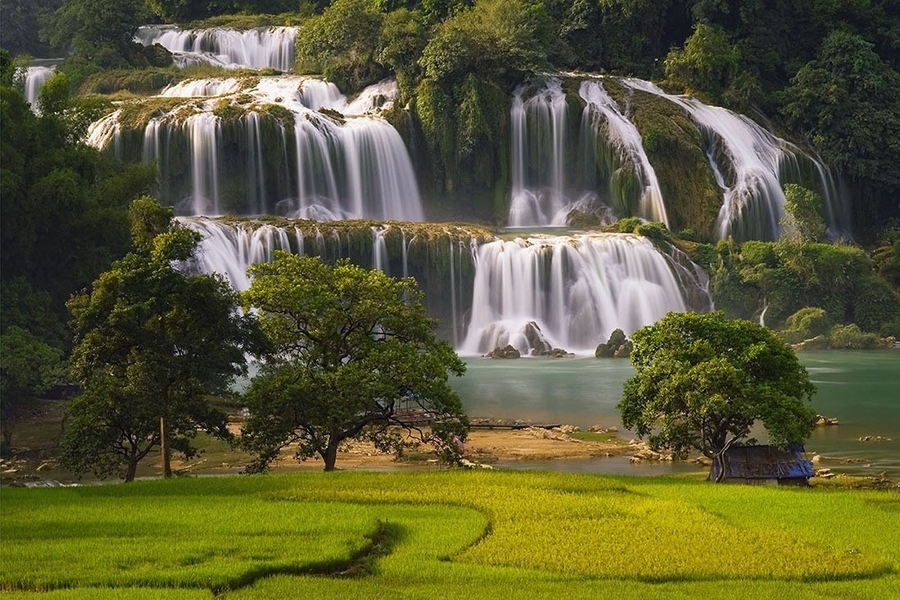
From October to April, while it is dry, is the best time to go to Nam Tra Waterfall. The waterfall is easiest to reach now, and the area is good for hiking and other outdoor activities.
During the dry season, it’s simpler to get to the waterfall because the area in front of Nui Mat Than (God’s Eye) Mountain is less likely to flood. The waterfall is a dry season waterfall, which means that it might not have a lot of water during the wet season. However, the dry season makes it easy to go to the waterfall all the time. The dry season is a wonderful time to hike, take pictures, and appreciate the area’s natural splendor.
From May to September, the rainy season might bring a lot of rain, which could make it harder to get to the region and perhaps cover the waterfall.
Tips for exploring Nam Tra Waterfall
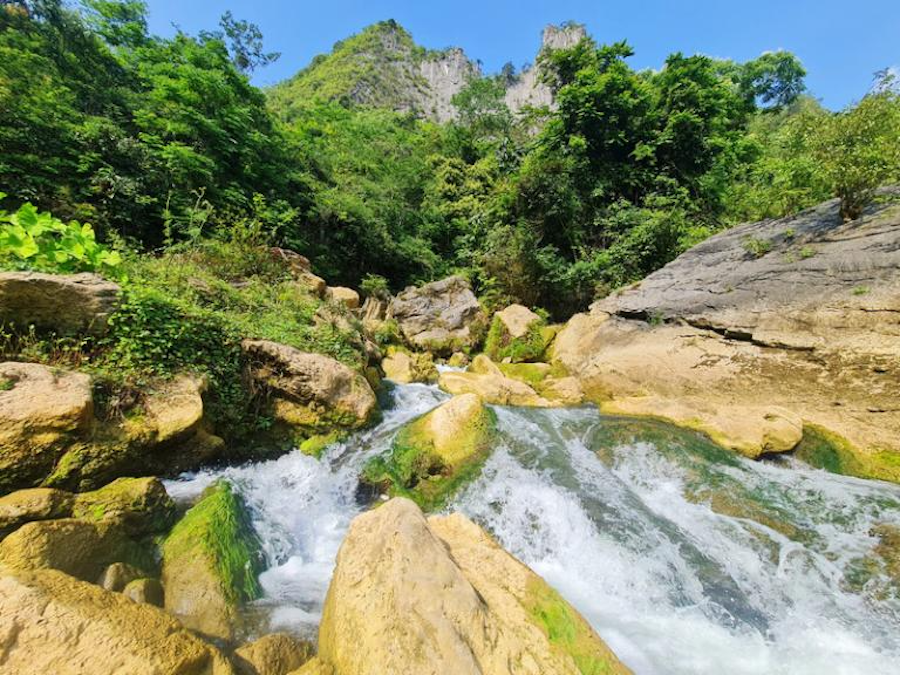
If you want to see Nam Tra Waterfall, the best time to go is during the dry season, which runs from October to April. Motorbikes are a fun way to travel around and see the sights, but make sure your bike is in good shape and you have the right safety gear.
Be ready for a hike over rocky ground and bring things like food, water, and the right clothes. Obey the rules of the area:
- Getting around: Renting a motorcycle is a wonderful way to see the area and enjoy the beauty, but make sure you know the terrain and have all the safety gear and paperwork you need. Lily’s Travel thinks that the way to the waterfall can be hard, so you should bring good hiking shoes, sunscreen, bug spray, and a light jacket for the chilly evenings.
- Food and water: There aren’t many places to get food and drinks near the waterfall, so it’s better to bring your own.
- Local guides: Think about hiring a local guide to help you learn about the culture, find your way about, and make your trip safer and more interesting.
- Respect local culture: Don’t throw trash on the ground, and be aware of the customs and traditions of the Tay ethnic group.
- Safety tips: Tell someone about your trekking plans, keep on defined trails, and be careful around wet rocks because they may be slippery. When taking pictures of locals and their property, be polite. Wear modest clothing when you visit ethnic communities.
- Accommodation: You can find cheaper places to stay in Cao Bang City, or you can stay at eco-resorts around Thang Hen Lake or the waterfall.
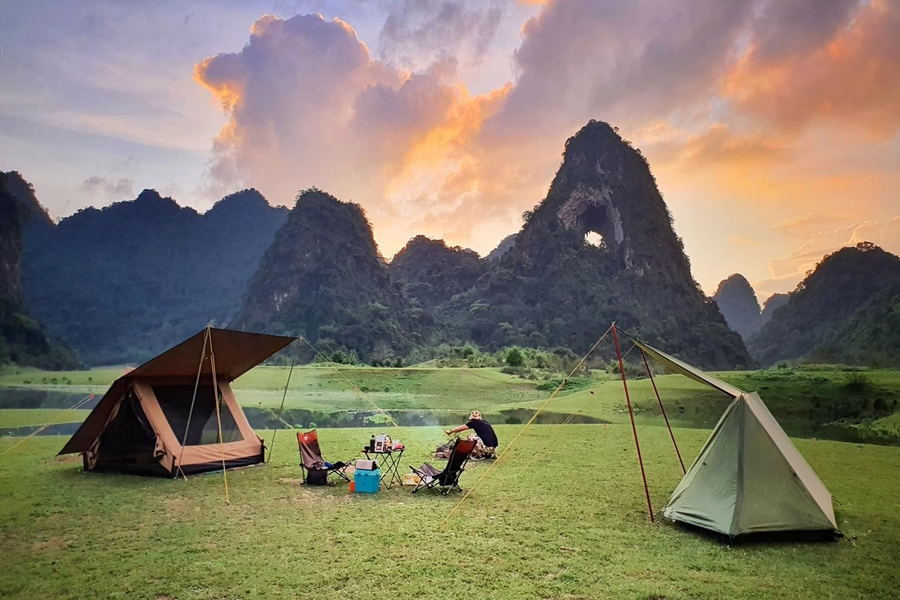
- Staying overnight: Let the local authorities know if you plan to camp overnight.
Combine Nam Tra Waterfall with nearby destinations
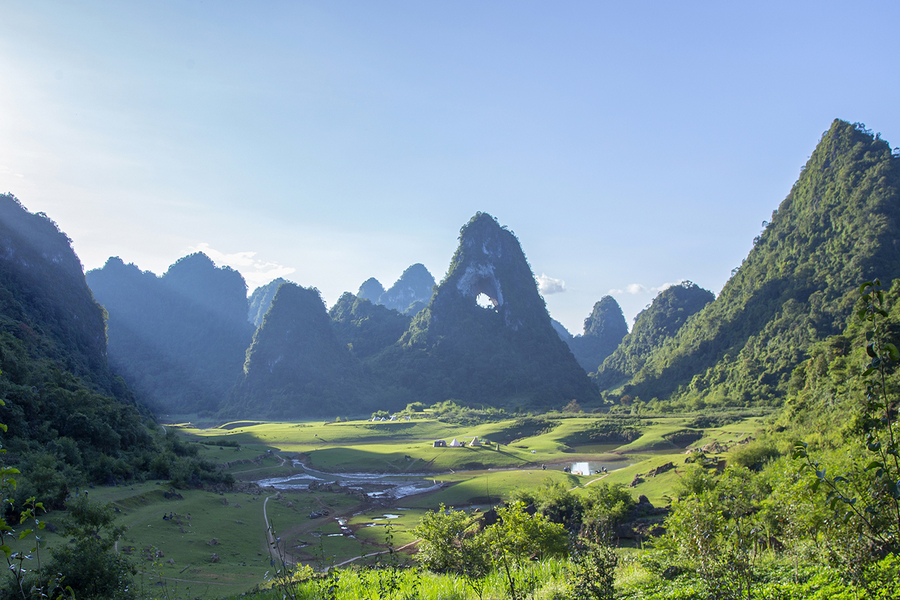
When you visit Nam Tra Waterfall in Cao Bang, Vietnam, you should also see other natural and cultural sites in the region, like Thang Hen Lake, Nguom Ngao Cave, and Ban Gioc Waterfall. These places have a lot to offer, from peaceful lakes and dramatic caves to beautiful waterfalls and ancient buildings.
1. Thang Hen Lake
This beautiful lake system with green waters is not far from Nam Tra. It’s great for boating and taking in the views.
2. Nguom Ngao Cave
Visit the beautiful Nguom Ngao Cave, also called the Tiger Cave, and see its amazing limestone formations.
3. Ban Gioc Waterfall
It’s a little farther away, but it’s worth the drive. It’s one of Vietnam’s most beautiful waterfalls and is on the border with China.
4. More choices
Depending on your interests and how much time you have, you might want to visit Pac Bo Historical Site, Phia Oac-Phia Den National Park, Phong Nam Valley, or Tran Hung Dao Forest.
Transportation: You may get to Cao Bang from Hanoi via car, motorbike, or bus.
You can rent a car or motorbike in Cao Bang and use it to go to these sights for the day.
If you like guided tours, you might want to think about doing one that includes more than one of these places.
Frequently asked questions about Nam Tra Waterfall
Is Nam Tra suitable for children or older travelers?
Nam Tra Waterfall is a wonderful place for kids and older people to visit. The walk isn’t too long or steep, and most people will be comfortable in the cool, shady area. Some parts near the waterfall can be slippery, though, so it’s crucial to wear the right shoes and be careful. If you watch and care for youngsters on the trail, it’s a calm and fun place for people of all ages.
Is there a guide needed for the trek?
Lily’s Travel believes that a guide is unnecessary due to the short and easily navigable trail to Nam Tra Waterfall. But certain routes could be slippery or difficult to see, so having a guide can help you find your way, stay safe, and learn more about the environment.
Are there any fees or permits required?
Nam Tra Waterfall does not yet have any official entrance fees or permits. Costs may change, though, depending on when you go or what you do there. For the most accurate and current information, it’s best to get in touch with **Lily’s Travel** for help and advice.
Nam Tra Waterfall is a great place to get away from it all and enjoy nature. The view is beautiful and the air is fresh. It’s a fun thing to do for people of all ages, whether you go alone or with a guide. If you need the most up-to-date information or help with travel, don’t hesitate to get in touch with Lily’s Travel.
Read more: Ba Be Lake: A 200-year-old gift from Bac Kan