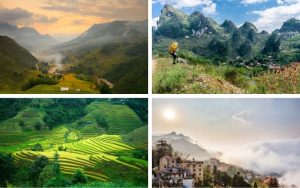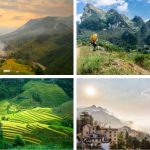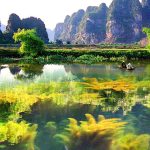



Mu Cang Chai rice field is one of the most popular sites in Vietnam’s most beautiful natural scenery. The terraced fields of the region have a wave-like pattern along the hills that changes color based on the season. People go there to witness the golden fields during harvesting or to enjoy the cool weather and the still waters during planting.
While most of Vietnam is renowned for its rice cultivation, Mu Cang Chai has something visually and culturally special to offer. When planning a visit, it is helpful to understand why this is such a unique place to visit all year round.

Overview of the terraced rice fields and their cultural significance
Mu Cang Chai rice terraces stretch across more than 2,000 hectares of Yen Bai Province’s highland. It was formally designated as a National Heritage Site in 2007 because they are so accurately aligned with natural contours. Crafted by H’Mong and other ethnic minorities over hundreds of years, these terraces reflect advanced engineering – locally constructed bamboo irrigation systems channel rainwater down steep inclines to provide exact quantities of water to each tier without flooding or erosion.
As important as their function, the terraces symbolize the profound harmony between man and nature. They are the site of ancient rituals such as “water pouring” ceremonies during planting and harvest festivals with parades, classical dance, and even paragliding festivities over Khau Pha Pass. Passing through these rice fields in Mu Cang Chai offers more than a visual feast – it is a chance to witness a living cultural landscape shaped by ancestral tradition, spiritual bond, and anchored community resilience.

Best time to see the Mu Cang Chai rice fields
Timing your trip to the Mu Cang Chai rice fields area enables you to witness its most photogenically dramatic changes:
- Water-pouring season (late May–early June): Following the initial rains, farmers redirect mountain water onto the terraces, building mirror-like reflections of blue skies, clouds, and traditional planting rituals. This dramatic light-water mosaic provides outstanding photographic shots and a more profound window into planting customs.
- Green growing season (June–August): As seedlings sprout, the terraces shift into vibrant green, forming carpet-like expanses of color. This quieter period reveals the growing process and the lush vitality of the landscape.
- Golden harvest season (late September–early October): With fields ripened to glowing gold, this is Mu Cang Chai’s most iconic moment. Paired with local harvest festivals – like folk dances, Xoe Thai performances, and paragliding events – this season offers peak cultural immersion and stunning vistas.

Top spots to view Mu Cang Chai rice terraces
As a dream destination, tourist spots at Mu Cang Chai rice terraces Vietnam are varied:
La Pan Tan Village & Mam Xoi Hill
Only 8 km from Mu Cang Chai town, La Pan Tan Village is among the three sites – Che Cu Nha and De Xu Phinh being the other two – officially recognized National Heritage in 2007 for its stunning Mu Cang Chai rice fields in Vietnam. Mam Xoi Hill is located within this village and is a rare round terrace that is featured by tourists as well as photographers. Visitors typically arrive at dawn, riding motorbike taxis down the mountain road that snakes through the countryside in order to catch the sun’s early light before it glimmers gently across the stepped paddies.
Rental traditional dress is available, allowing visitors to introduce cultural colour into their photos. There is an inexpensive entrance fee, and local guides can explain H’Mong tradition as they point out the intricacy of the terraces. Whether coming down the ridge or strolling through the paddies, this spot provides a big-screen introduction to the region.
Che Cu Nha Village
For those who prefer panoramic shots and sweeping scale, the hike to Che Cu Nha Village presents steep but rewarding terrain, roughly 20 km northeast of the township. Hiking up the trails or taking the car up should be done with caution, especially on loose terrain and rocks, but the summit is greeted by sweeping shell-shaped terraces sweeping off into the horizon. These terraces, crafted by H’Mong hands over centuries, provide you with a sensory perception of scale and history.
Here, mornings are fresh and still, with mist suspended between the green and gold curves. Che Cu Nha remains quieter than its brothers, letting you linger amid farmland with only the sound of flowing water and distant chanting from villages.
De Xu Phinh Village
Also known as Ze Xu Phinh, this tranquil commune provides gently tiered paddies that glimmer with gentle layers of color. Photographers favor its delicate lines and subdued lighting, particularly during sunrise when mist lingers between tiers. Compared to busier villages, De Xu Phinh seems pristine, a village where cows graze along earthen banks and farmers walk irrigation canals before dawn.
A winding walk from vantage points along roads leads deeper into the fields, where terraces bend in flawless harmony with the hills. Homestays along the way invite early risers who desire early entry before dawn.
Mong Ngua (Horseshoe) Hill
Just a short 2 km from Mu Cang Chai town is Sang Nhu Village and the famous Mong Ngua Hill, named for its elegant horseshoe shape. The ring formation of the paddies forms one composition against the mountains. A short trail lined with tall weeds and wildflowers leads you to easily accessible viewpoints – ideal for late afternoon visits, when golden hour light casts dramatic curves. An entrance fee of around 20–30K VND is minor, and guides will occasionally bring picnic baskets to share the view.

Khau Pha Pass & Lim Mong–Lim Thai Valley
A 1,200-1,500 m hike up, Khau Pha Pass is among Vietnam’s four great mountain passes, famous for its serpentine road and bird’s-eye view of terraced ridges. September–October, daredevils soar over golden paddies as onlookers watch from below. Lim Mong–Lim Thai Valley, beneath the pass, is dotted with stilt houses and crossed by streams. The terraces here glitter with rice pearls or curve like gold, according to the season. Either motorbiking during the tour or trekking guided through suspension bridges, the valley blends nature and Thai‑ethnic cultural ambience.
Tu Le Valley & Pu Nhu Waterfall
Some 50 km east of Mu Cang Chai, Tu Le is a scenic valley renowned for terraced rice paddies and winter Vietnamese glutinous rice flakes (cốm). Visitors can stroll through steaming steams, sample freshly-beaten sticky rice, and recharge in local motels or homestays. Nearby is Pu Nhu Waterfall – situated in La Pan Tan’s Pu Nhu Village – a pleasant side excursion. It’s a 20‑meter cascade into a crystalline pool, accessible by a short trek from the valley bottom.
Na Hang Tua Chu Bamboo Forest
Just 20 km from town, the green bamboo sanctuary at Pung Luong is a highlight for nature lovers. Established in 2020, this 60‑year‑old bamboo grove became an eco-tourism hotspot thanks to its serene atmosphere and narrow arboreal tunnels. Visitors pay a nominal 20k VND fee and often arrive by xe ôm; the bumpy, steep dirt road discourages standard vehicles. Many enjoy lingering amid tall bamboo spears, snapping photos, or setting up a small camp. Mosquito repellent, water, and snacks are recommended, and guests are urged to pack out all waste.
Mo Waterfall & Tram Tau Hot Springs
For a respite from hillside grandeur, Mo Waterfall near Mo De Commune is a serene gem. Dripping over stone steps into pools of emerald green, it’s a cool dip after trekking the fields. A little way out (around 100 km to the west), Tram Tau’s hot springs provide a soothing soak in geothermal pools. Outdoor options include public baths in villages like Coi and Hoc, with local accommodations reserved by appointment nearby.
Local culture and ethnic communities around the rice fields
Rice terrace fields in Mu Cang Chai Vietnam are not only a scenic sight – it is a living cultural tapestry woven by a few ethnic minority people, primarily the Black H’mong (making up some 90–95% of the population), supplemented by Dao, Thai, and others. Visitors can experience genuine stilt houses in Thai villages such as Khim Noi (Lim Thai), where amiable homestays offer cultural performances such as Xoe Bamboo dances and Thai water-wheel performances. In H’mong villages such as Mo De, La Pan Tan, Sang Nhu, and Mang Mu, daily life is solidly established on terraced rice cultivation, livestock breeding, craft production, and spiritual respect for ancestors and spirits.

Cultural festivals are woven into the rural calendar: Gau Tao (children’s festival, late lunar January), New Rice festival (early October), and the To Day Flower Festival (December) feature traditional music, Khèn flute playing, folk games, and cloth ball throwing. These festivals provide tourists with authentic glimpses of customs marking harvest, health, and communal relationships. Locally guided experiences invite tourists to join rice planting, harvest ceremonies, brocade weaving, rice-wine cooking, and shopping at markets – all activities a glimpse into ancestors’ customs.
Read more: Lao Cai weather: 5 things you should know
Trekking and tours around the Mu Cang Chai rice fields
Mu Cang Chai rice terraces trekking combines stunning scenery with culture. The H’mong have been trekking through these mountains for generations, developing unofficial trail systems that crisscross valleys, terraces, and forests. Whether a half-day trek or multi-day trek, these paths envelop hikers in intimate rural life, passing by suspension bridges, hidden waterfalls, bamboo forests, and remote homesteads.
Guided treks are recommended for cultural understanding and safety. Homestay operators and ecolodges tend to design personalized itineraries. For instance, Mu Cang Chai Ecolodge’s owner plans day-long excursions to heritage terraces and festivals, whereas the local operators offer four-day hikes in untouched forests and village stays. Motorbiking remains a popular choice; on a 125cc motorbike, the visitor can ride along such scenic routes as the Khau Pha Pass and Mo De Village, discovering both paved and unmade roads perfect for all sizes of adventure.

Safety first: mountain roads are often single-lane with steep drop-offs. If you are inexperienced or without an International Driving Permit, hire local drivers instead of driving yourself. Wild camping and stream bathing are also available – under the guidance of locals, they organize correct permissions and ensure ecological safety. For the adventure-seeker, dirt-bike tours on Khau Pha’s off-road terrain offer experiences that will not be forgotten.
Essential tips for visiting the Mu Cang Chai rice fields
Respect, preparation, and cultural awareness are essential when visiting the Mu Cang Chai rice field region. Farmers labor tirelessly throughout the rice cycle, so visitors must never step on terraces or disturb crops – even a single grain represents hard-won sustenance for local families. Entering a home – or even standing on the porch – requires asking permission, as households may observe spiritual taboos on certain days. Refrain from giving money or candy to children; it can foster dependency and inadvertently discourage education.
Transportation requires caution: fill up fuel before heading into remote areas, carry a spare petrol bottle, and wear a helmet at all times – road conditions can be unpredictable and come with high penalties for violations. If you’re not confident driving steep mountain roads or lack a valid permit, hiring a local driver is far safer and more stress-free.
Pack layered clothing and rain gear – the weather shifts rapidly at high altitude. Bring heavy hiking boots, a refillable water bottle, insect repellent, sun lotion, a first-aid kit, and plenty of money, as ATMs are not common outside large towns. Supporting local handicrafts by spending money or dining at homestays supports the local economy and traditional livelihoods. Above all, travel with respect: understand that these terraces and traditions are the product of generations; act thoughtfully and leave no trace.

Join the thousands who rate us five stars! Since 2007, Lily’s Travel has been connecting global travelers to Vietnam’s most compelling destinations, earning more than 2,000 perfect reviews and top rankings across the North. Our tailored itineraries combine natural wonders with deep cultural insights, highlighting diverse religious sites, ethnic festivals, and local crafts. Led by passionate, tech‑savvy guides and reinforced by a mission of community engagement and eco‑friendly practices, Lily’s Travel delivers unforgettable, responsible travel experiences.
Mu Cang Chai rice field rewards every traveler with breathtaking views and heartfelt moments. Its allure lies not only in the cascading paddies but also in the local stories, crafts, and customs that make each visit truly special. A journey here is a journey into Vietnam’s heart.
Read more: Mu Cang Chai: Travel Guide in 2025