

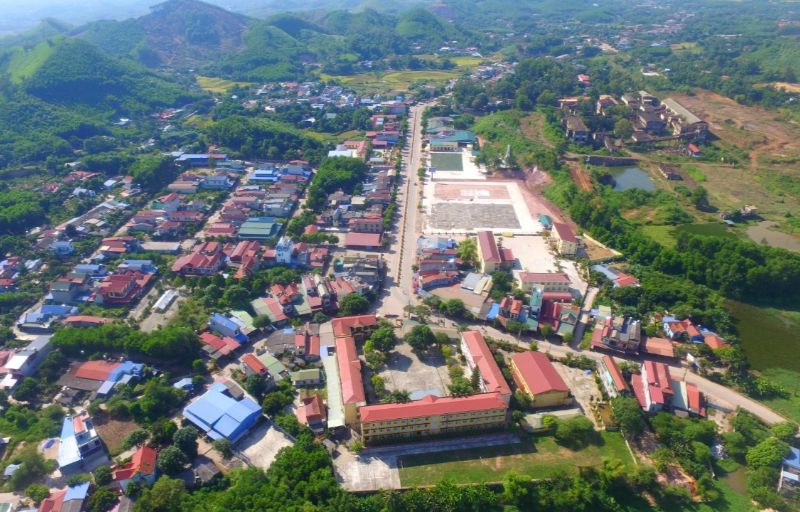
Dong Hy market is a primary market of Dong Hy district, Thai Nguyen province, Vietnam. It is also referred to as Cho Chua Hang by the locals and is considered to be the most crowded and important trading center in the area. The market covers a total area of about 4,000 square meters and hosts hundreds of fixed stalls and mobile vendors. At this market, visitors can easily find fresh agricultural products, household goods, and local specialties.
Dong Hy market: culture of indigenous people in the Vietnam highlands
Dong Hy market stands in the middle of the Dong Hy district, Thai Nguyen province. It is more than a marketplace. It reflects the way indigenous people in Vietnam’s highlands live, work, and conduct trade. The majority of ethnic minority groups in the region plant crops at higher elevations. They bring their products, herbs, and crafts down to the market.
At Dong Hy market, you would listen to local dialects, witness traditional attire, and behold the daily interaction among different ethnic groups. It is a rendezvous where individuals from surrounding communes and hills meet. They trade goods, exchange news, and maintain social relationships.

This cultural aspect interests travelers because they want to see life beyond the tourist zones. The habits here are local. The produce, the food, and the gossip are local. A tour of this market offers a sneak peek at how Vietnamese mountain towns live and grow through trade and cooperation.
In addition, Dong Hy district itself has an abundance of natural and cultural resources. Caves, streams, and hill tea landscapes are all part of the area. The district retains many of the ethnic groups’ traditions. Walking around the market lets you connect those traditions to everyday life. It bridges culture and commerce in a very tangible way.
Exploring Dong Hy market – what you can find here
In Dong Hy market, there is a clear layout: fresh food in one area, daily goods in another, and food stalls in a corner. This makes exploring easier.
Local specialties and fresh food
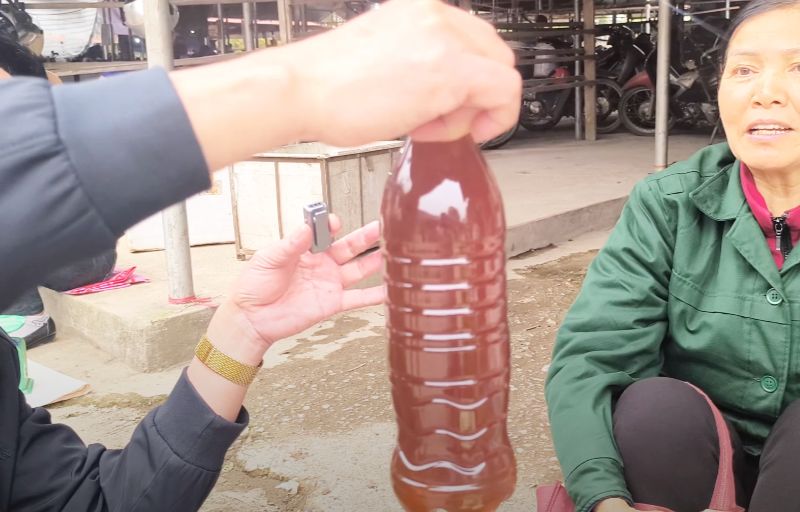
At the fresh food section, you can find vegetable baskets, fruit heaps, and meat trays. A good number of products are sourced from nearby local farms and upland plots. Seasonal fruits like lychee or banana appear when they are in season. Fresh vegetables, corn, and tubers are common, too. Early morning delivery by traders is common. For a traveler, this is the liveliest part of the Dong Hy market. You get to feel the pulse of demand and supply.
Daily necessities and household goods
Aside from the fresh food market, vendors lay out pots, pans, plastic containers, tools, cloth, and other household necessities. These necessities enable local lives. They are functional and simple. If you have light baggage or want to buy something small, you can do your shopping here. You might see local women buying mitts, small cooking utensils, or baskets.
Rustic local dishes
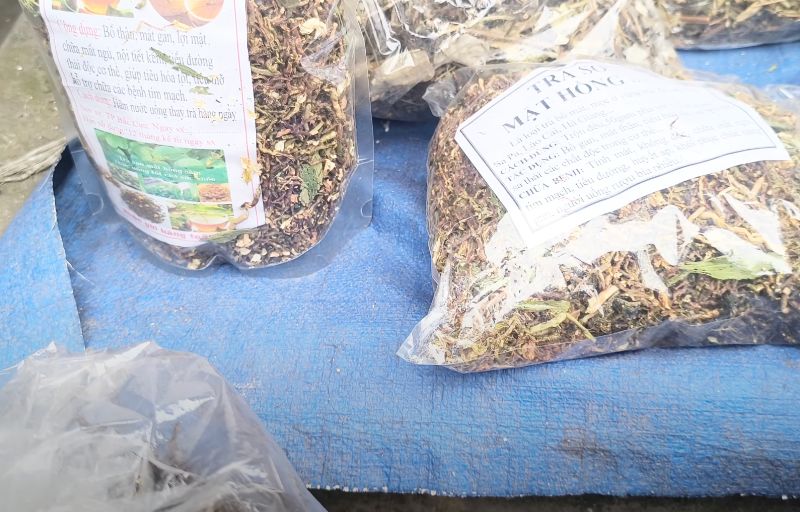
Finally, there are a few food stalls in Dong Hy market. They serve local dishes cooked by local cooks. You can get noodle soups, sticky rice, steamed rolls, or cakes. These are cheap, fresh, and filling meals. Eating here gives one a taste of the local flavor. Try to eat where the locals eat for the authentic experience.
A stroll through the market of Dong Hy is sensory: textures, voices, smells, colors. There is food, necessities, and snacks from the locality. It is a working way of learning about culture through everyday things.
What to buy at Dong Hy market
When you visit Dong Hy market, you will find a variety of items that make excellent souvenirs or practical purchases for your trip. Below are some of the best things to look for.
Thai Nguyen tea
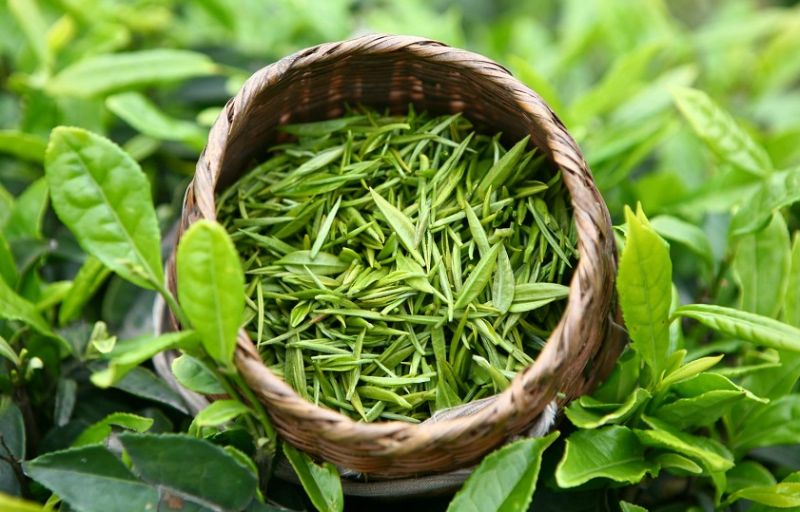
Thai Nguyen is one of the most famous tea-growing provinces in Vietnam, and Dong Hy Market is a perfect place to buy local tea directly from growers. You can find different types such as green tea, Oolong, Shan Tuyet, and Tan Cuong tea – the last one being the most premium brand.
Prices range from 100,000 to 400,000 VND per kilogram, depending on quality and type. The best tea leaves are small, curled, and have a light green color. Always ask the vendor to let you smell or taste the tea before purchasing. Trusted sellers often have neatly packed tea bags with clear labels showing the production area (especially “Tan Cuong Tea”). Buying a few packets is an ideal way to bring home the authentic taste of northern Vietnam.
Mountain herbs and local medicinal products
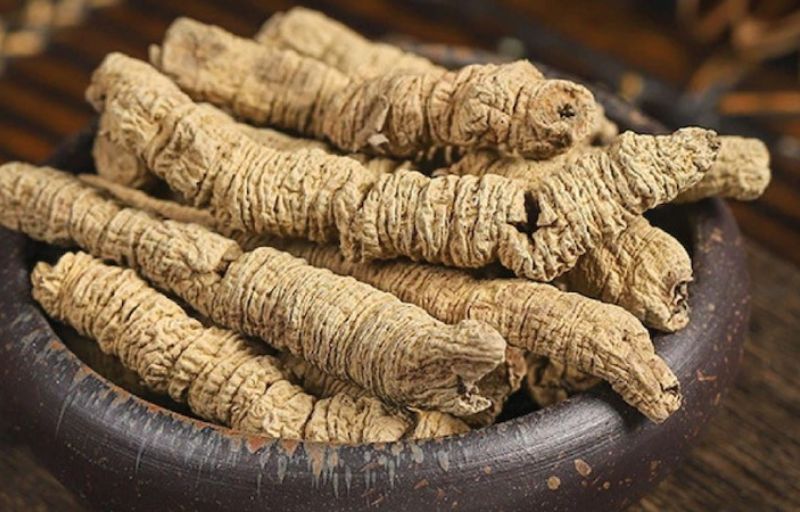
If you’re interested in natural wellness, the herb stalls at Dong Hy Market are worth visiting. Here, locals sell dried roots, leaves, and powders used in traditional medicine. These herbs are usually gathered from the surrounding mountains.
Prices are affordable, often from 30,000 to 100,000 VND for small packs, but can go higher for rare medicinal plants. Look for stalls with organized displays and clean packaging because these sellers tend to be more reliable. You can also ask for pre-mixed herbal tea bags or balm oils, which are convenient to bring home. For authenticity, ask if the herbs come from Vo Nhai or Tan Long – areas known for their high-quality natural herbs.
Handicrafts and clothing
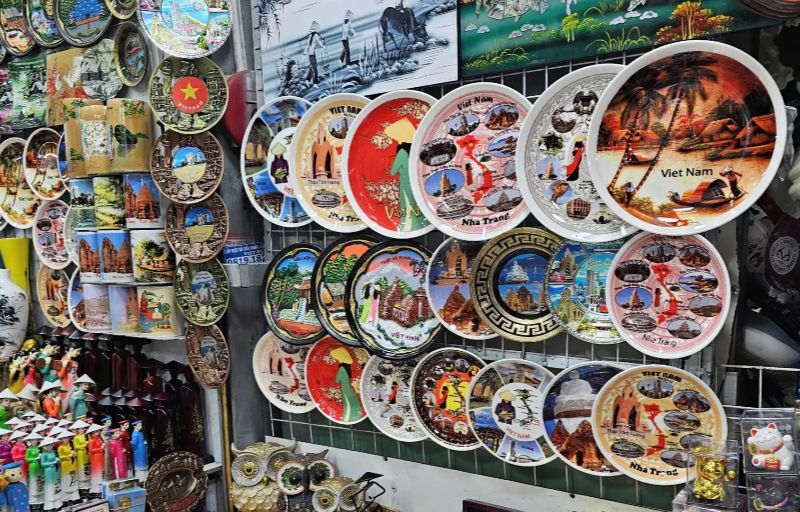
Dong Hy Market is also a wonderful place to buy handmade items crafted by local ethnic minority groups such as the Tay and Nung. You’ll find handwoven fabrics, scarves, embroidered bags, bamboo baskets, and wooden carvings.
Prices vary depending on size and detail – simple woven scarves may cost 70,000–150,000 VND, while more elaborate embroidered dresses or bamboo decor pieces can go up to 300,000–500,000 VND. To select high-quality items, look for tight weaving, even stitching, and natural dyes.
Some trustworthy small brands or cooperatives occasionally display their products here, such as those from Thai Nguyen Handicraft Cooperative or Tan Lap Village Workshop. Buying from them supports local artisans and sustainable production.
Traveler tips for visiting Dong Hy market
Here are some helpful tips to make your visit to Dong Hy market more enjoyable.
- Go early in the morning. The market is busiest between 6 a.m. and 10 a.m. There will be more items and more activity then.
- Take cash. Cash is only accepted by most stalls. Keep small change and notes handy for ease.
- Haggle, but politely. Bargaining is typical, but be gentle in your manner.
- Wear comfortable shoes. The market is busy, and there is some walking to be done.
- Ask prior to taking a photo. A few sellers might not like being photographed. Don’t intrude on their privacy.
- Try local cuisine. Sample dishes from food stalls within markets. They are inexpensive and authentic.
- Carry a small bag. A light tote bag will make it convenient to carry your items.
- Keep belongings safe. In the midst of crowds, secure your wallet, phone, and valuables.
Combine Dong Hy market with nearby attractions
You can pair a visit to Dong Hy market with nearby sites. These places are close. They add variety and depth to your trip. Below are some good options.
Chua Hang Cave

Chua Hang Cave (Hang Pagoda, or Kim Son Tu) is located near the town of Chua Hang in Thai Nguyen. The cave has been a pilgrimage site since the 11th century. The complex mixes natural cave formations with Buddhist structures. You can see stalactites, stone pillars, and ancient Chinese scripts within. The location of the pagoda is serene. It offers relief from heat and crowds. It is situated a short distance away from the Dong Hy market. A visit here offers a natural, historical, and spiritual contrast.
Read more: Ham Ninh Fishing Village: The Heartbeat of Phu Quoc’s Eastern Coast
Tea hills in Trai Cai and Minh Lap
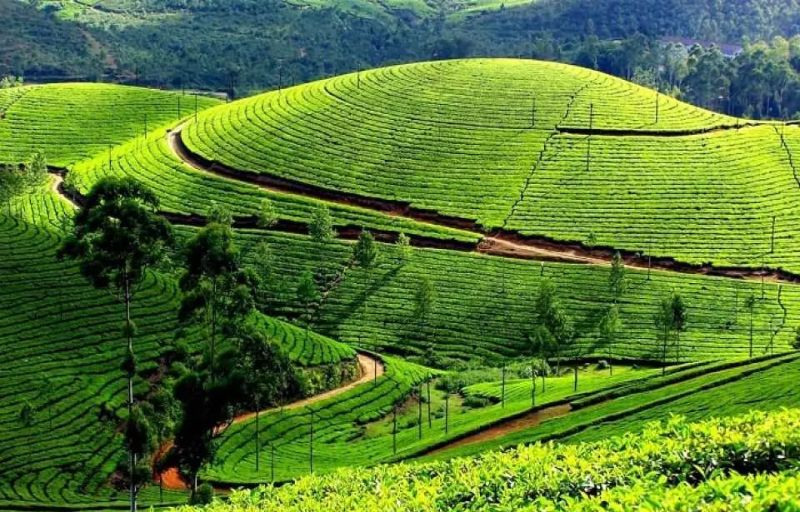
Tea hills in Trai Cai and Minh Lap communes are situated in the Dong Hy district. They are covered with green tea plants. Farmers harvest tea many times a year. There are hundreds of hectares of tea plantation in Minh Lap. Some of the tea is grown under VietGAP or organic conditions. It is nice to walk along the rows of tea. You can see how tea is grown and harvested. The best time is at sunrise or early morning. The light is soft and the air is fresh.
Trai Cai tea market
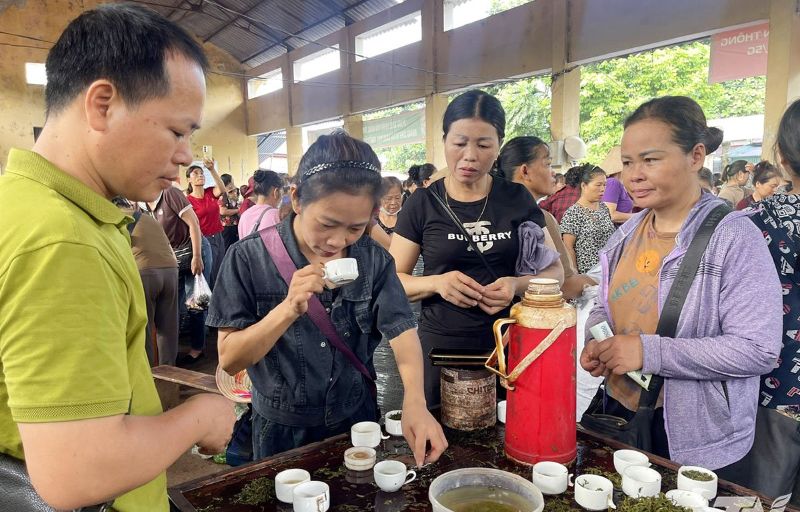
Trai Cai tea market is a wholesale market for teas in the old Dong Hy district. The buyers and sellers converge early, at times even before 7 a.m. Tea traders bring along with them hundreds of kilograms of raw buds and dried tea. Visiting this tea market is an eye-opener to the culture of tea. You discover how quality is established through scents, colors, and types of buds. Even if you don’t buy, it’s enjoyable to stroll around. You’ll see local dealings and a tea tasting.
Choose Lily’s Travel – where every journey tells a story! For over 15 years, we’ve built a reputation as one of the most trusted travel agencies in Vietnam. Ranked at the top on TripAdvisor, we’re proud to have more than 2,000 glowing reviews from happy travelers. Our strength lies in cultural tours that go beyond the surface, bringing you closer to the people, traditions, and landscapes of Vietnam and beyond. At Lily’s Travel, our young and dedicated team will listen carefully, give honest advice, and design tours that match your dreams. Let us turn your trip into memories that last forever.
Dong Hy market is the heart of the Dong Hy district and a living example of highland culture. From tea and herbs to handicrafts, it offers travelers both practical goods and unique souvenirs. The atmosphere is lively yet authentic, giving visitors a sense of connection to the community. Anyone who travels to Thai Nguyen should include this market on their list.
Read more: Find your calm at Ong Doi Cape, Phu Quoc