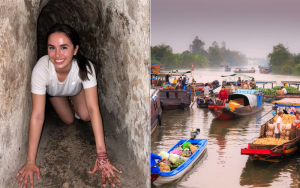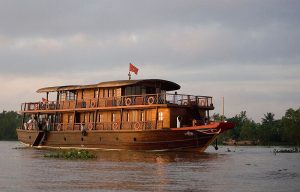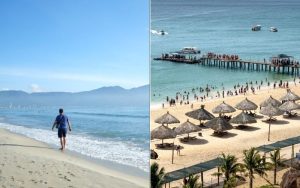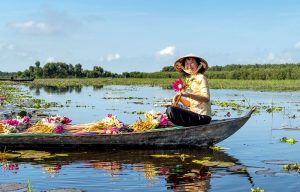


Whether Cambodia or Vietnam is better for your next vacation depends on your travel style, budget, and trip length. Vietnam offers a fast-paced atmosphere with endless food options, scenic landscapes, and exciting city life. Cambodia provides a more relaxed experience with ancient temples, peaceful countryside, and fascinating cultural history. Many travelers struggle to decide between the two because both destinations have so much to offer. Budget, transportation, activities, and trip length can all influence your choice.
Cambodia or Vietnam: which country is better?
If you are planning a Southeast Asia trip, you may wonder: “Cambodia or Vietnam which is better?” Both countries are affordable, beautiful, and full of unforgettable experiences. However, they offer very different travel styles. Vietnam feels energetic and diverse. Travelers can explore mountains, beaches, busy cities, and famous street food all in one trip. The country also has a strong tourism infrastructure, which makes transportation easier for first-time visitors. Many travelers choose Vietnam for its variety, adventure, and food culture.
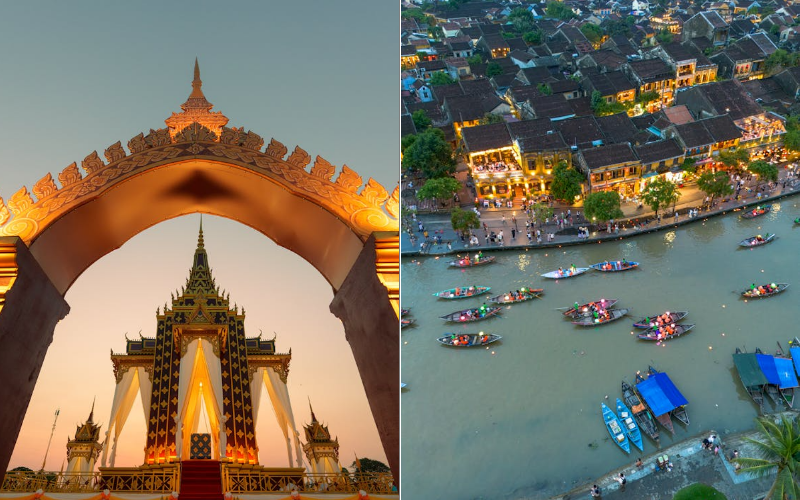
Cambodia offers a slower and more peaceful atmosphere. It is well known for its ancient temples, rich history, and warm local hospitality. Instead of rushing between destinations, many visitors enjoy slowing down and experiencing local life more deeply. Cambodia is especially popular with travelers interested in culture and history. Food is another big difference. Vietnamese cuisine is internationally famous for dishes like pho and banh mi. Cambodian food is simpler but comforting and authentic. Both countries are budget-friendly and suitable for backpackers, couples, and solo travelers.
When deciding whether to visit Cambodia or Vietnam, think about the type of trip you want. Vietnam is ideal for travelers who enjoy diversity and excitement. Cambodia is perfect for those looking for relaxation, temples, and cultural experiences. Ultimately, there is no wrong answer to Cambodia or Vietnam to visit. Both destinations offer memorable journeys and unique experiences for every traveler.
Main differences between Cambodia and Vietnam
Although Cambodia and Vietnam are neighboring countries, the overall travel experience feels very different once you arrive. Both destinations are affordable, beautiful, and culturally rich, but they suit different types of travelers. Understanding these differences can help you decide whether to visit Cambodia or Vietnam for your next adventure.
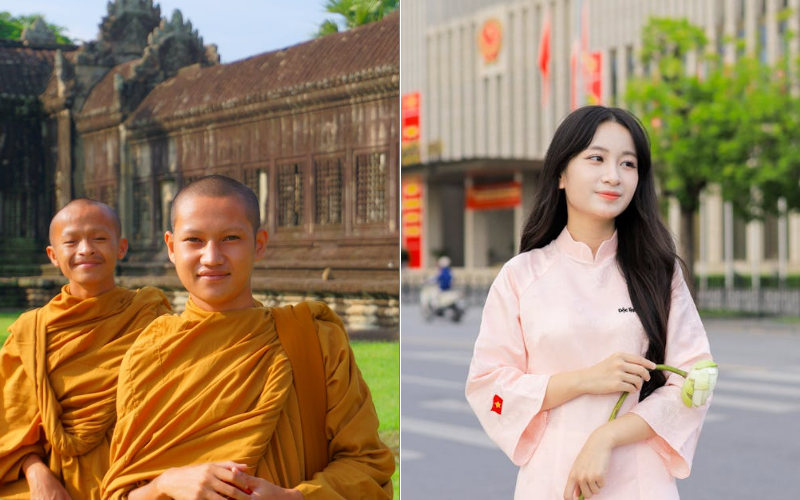
One of the first things travelers notice is the atmosphere. Vietnam feels energetic, busy, and constantly moving. Cities are filled with scooters, crowded street markets, coffee shops, and street food vendors. The country feels lively both day and night. Cambodia has a slower and calmer pace. Life feels less rushed, especially outside the main tourist areas. Many travelers enjoy Cambodia because it allows them to slow down and travel more comfortably.
Another major difference is the variety of destinations.
| Vietnam | Cambodia |
| Diverse landscapes | Strong cultural focus |
| Mountains, beaches, caves, islands | Ancient temples and countryside |
| Modern cities and nightlife | Relaxed towns and local villages |
| More activities and adventure | Slower and more peaceful travel |
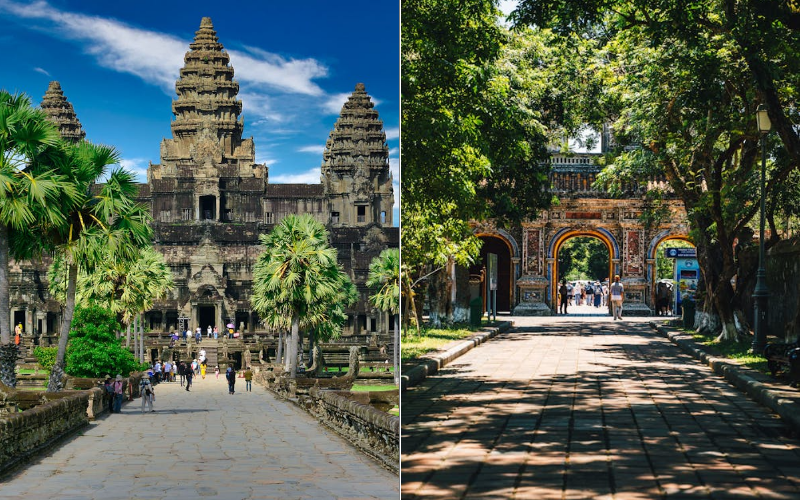
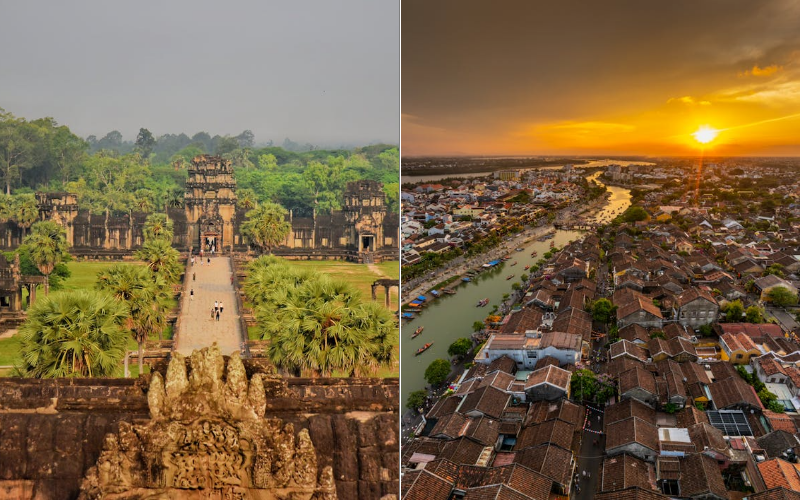
Vietnam is much larger and offers more geographical diversity. Travelers can visit rice terraces in the north, beaches in central Vietnam, and modern city life in the south. Cambodia focuses more on cultural and historical experiences. The country’s biggest highlight is Angkor Wat, which attracts travelers from around the world.
Food is another important difference for tourists. Vietnam is famous for its street food culture. Travelers can easily find pho, banh mi, fresh spring rolls, and local coffee on almost every street corner. Food in Vietnam feels vibrant and varied. Cambodia’s cuisine is simpler and less internationally known, but many visitors enjoy the authentic and comforting flavors of Khmer dishes.
Travel style also matters when comparing Cambodia or Vietnam to visit.
Vietnam is often better for travelers who:
- Enjoy fast-paced trips
- Want many activities in one journey
- Love food and nightlife
- Prefer strong transportation systems
- Want diverse landscapes
Cambodia is often better for travelers who:
- Prefer slower travel
- Enjoy history and temples
- Want peaceful surroundings
- Like cultural experiences
- Do not want crowded destinations
Transportation is generally easier in Vietnam. Domestic flights, trains, sleeper buses, and ride-hailing apps help travelers move around efficiently. Cambodia’s transportation system is improving, but travel between cities can still take more time. This is something first-time travelers should consider when planning their itinerary.
Culture also creates a different feeling in each country. Vietnam has influences from Chinese and French history, which can be seen in architecture and cuisine. Cambodia’s identity is deeply connected to Khmer culture and Buddhism. Temples, monks, and spiritual traditions are visible throughout the country and create a peaceful atmosphere for visitors.
Budget travelers will be happy in both destinations. Accommodation, food, and local transportation are affordable compared to many other countries. Vietnam is often slightly cheaper overall, especially for food and domestic travel. Cambodia can become more expensive around major attractions and temple areas.
When asking “Cambodia or Vietnam which is better?”, there is no single answer for every traveler. Vietnam is ideal for people looking for variety, excitement, and adventure. Cambodia is perfect for travelers searching for culture, history, and slower experiences.
Choose Vietnam if you want landscapes, food and diverse experiences
For many travelers,Vietnam can feel like several trips in one: mountain villages in the north, historic towns in the center, and tropical river life in the south . The scenery changes dramatically from north to south, and every region offers a different experience. If you enjoy variety, adventure, local food, and cultural experiences, Vietnam is often the stronger choice when deciding between Cambodia or Vietnam, which is better.
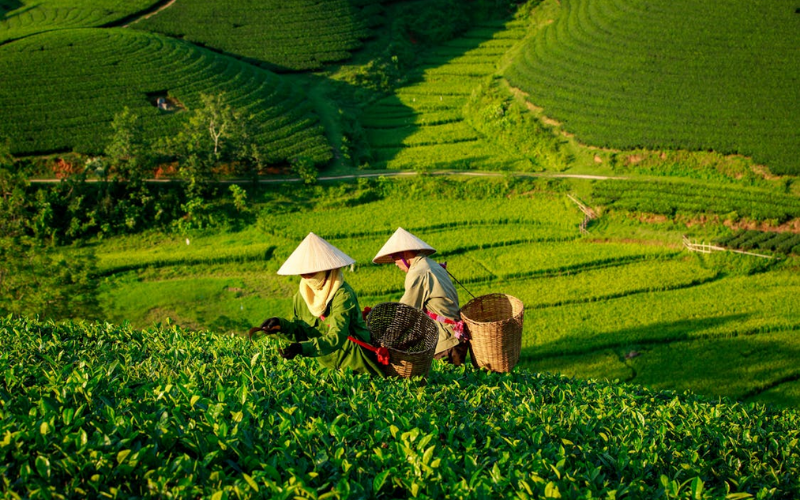
One of Vietnam’s biggest strengths is its incredible landscape diversity. Travelers can explore mountains, rice terraces, beaches, islands, caves, rivers, and modern cities in a single trip. Northern Vietnam is famous for its misty mountains and terraced rice fields, especially around Sapa and the Ha Giang Loop. These regions are popular with hikers, photographers, and travelers who enjoy scenic road trips.
Further south, travelers can cruise through the limestone islands of Ha Long Bay or explore the peaceful waterways of the Mekong Delta. Vietnam’s long coastline also means visitors can enjoy beaches and islands almost year-round. Destinations like Da Nang and Phu Quoc are popular for relaxing beach holidays.
Vietnam is also ideal for travelers who want many different experiences in one journey.
You can:
- Trek through mountain villages
- Join food tours in busy cities
- Ride motorbikes along coastal roads
- Explore caves and national parks
- Relax on tropical beaches
- Visit ancient towns and temples
- Enjoy nightlife and rooftop cafes
This variety makes Vietnam especially appealing for first-time visitors to Southeast Asia. Many travelers say the country constantly changes as they move between regions. One day you may be drinking coffee in a crowded city, and the next day you may be surrounded by rice fields and quiet countryside.
Food is another major reason travelers choose Vietnam. Vietnamese cuisine is famous worldwide because it feels fresh, flavorful, and affordable. Street food is part of everyday life, and trying local dishes becomes one of the highlights of the trip.
Popular dishes include:
- Pho
- Banh mi
- Bun cha
- Fresh spring rolls
- Bun bo Hue
- Vietnamese egg coffee
Every region also has its own cooking style. Northern dishes are often lighter and simpler. Central Vietnam is known for stronger flavors and spicy food. Southern cuisine is sweeter and influenced by tropical ingredients. Many travelers enjoy moving through the country just to experience these regional food differences.
Vietnam’s cities also create unique travel experiences. Hanoi offers a mix of old streets, local markets, and traditional culture. Ho Chi Minh City feels modern, energetic, and fast-moving. In central Vietnam, Hoi An attracts travelers with lantern-lit streets, riverside cafes, and tailor shops.
Another advantage is transportation. Vietnam has a strong tourism infrastructure, which makes traveling easier for beginners. Domestic flights, sleeper buses, trains, and ride-hailing apps connect most major destinations. This allows travelers to explore multiple regions even during shorter trips.
When deciding whether to visit Cambodia or Vietnam, Vietnam is often better for travelers who:
- Enjoy active travel
- Want many destinations in one trip
- Love food and cafe culture
- Prefer diverse landscapes
- Like both nature and city experiences
Many travelers describe Vietnam as exciting, intense, and unforgettable. It may feel busy at times, but that energy is also part of what makes the country so memorable. According to traveler experiences shared online, Vietnam often “sticks with you” long after the trip ends because of its scenery, food, and everyday street life.
Choose Cambodia if you want temples, history and a slower pace
Cambodia is often the kind of place travelers appreciate more deeply after they arrive. It may not feel as energetic or fast-moving as Vietnam, but that slower atmosphere is exactly what makes the country special for many visitors. If you enjoy meaningful travel experiences, cultural discovery, and peaceful surroundings, Cambodia can be a very rewarding destination.
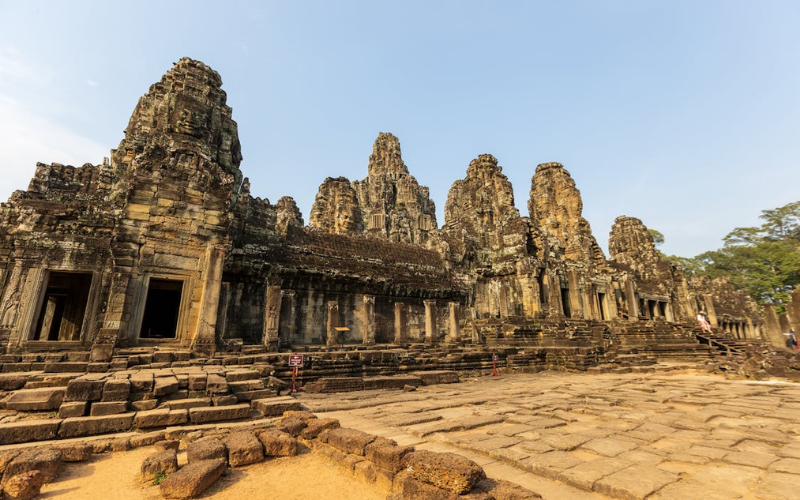
One of the main reasons travelers choose Cambodia is its incredible historical heritage. The country is home to Angkor Wat, one of the most famous religious monuments in the world. Visiting the temples around Siem Reap feels less like sightseeing and more like stepping into another era. Ancient stone carvings, jungle-covered ruins, and quiet temple paths create a unique atmosphere that many travelers never forget.
Unlike destinations where travelers constantly rush between attractions, Cambodia encourages people to slow down. Days often feel calmer and less scheduled. You may spend the morning exploring temples, the afternoon relaxing at a local cafe, and the evening walking through night markets or riverside streets. This slower rhythm is something many travelers grow to love during their trip.
Cambodia is especially suitable for travelers who:
- Prefer quiet destinations
- Enjoy cultural experiences
- Want a more relaxed itinerary
- Like history and ancient architecture
- Want to avoid overly busy tourist cities
Another thing travelers notice quickly is the warmth of Cambodian people. Locals are often described as friendly, welcoming, and genuine. Even in tourist areas, the atmosphere usually feels less rushed and less commercial compared to some larger destinations in Southeast Asia.
History also plays a very important role in Cambodia’s identity. Beyond the ancient Khmer Empire, the country has experienced difficult periods in modern history. Places like the Killing Fields and Tuol Sleng Museum in Phnom Penh help visitors better understand Cambodia’s past and the resilience of its people. Many travelers say these experiences leave a strong emotional impact and make the journey feel more meaningful.
Nature in Cambodia is quieter but still beautiful. Instead of dramatic mountain scenery, travelers will find peaceful countryside landscapes, rice fields, floating villages, and relaxed tropical islands. Places like Koh Rong attract visitors who simply want to enjoy slow beach days, clear water, and fewer crowds.
Food in Cambodia is another underrated part of the experience. Khmer cuisine may not be as internationally famous as Vietnamese food, but many travelers enjoy how authentic and comforting it feels. Local dishes are often simple, flavorful, and connected to traditional family cooking.
When deciding whether to visit Cambodia or Vietnam, Cambodia is often the better choice for travelers looking for calmness, reflection, and cultural depth. Vietnam usually offers more action and variety, while Cambodia offers a softer and more peaceful travel experience.
Cambodia or Vietnam for first-time travelers?
If this is your first time visiting Southeast Asia, choosing between Cambodia and Vietnam can feel difficult. Both countries are beginner-friendly in different ways, and both offer unforgettable experiences. The better choice depends on the type of trip you want and how comfortable you feel with fast-paced travel.
For many first-time travelers, Vietnam feels more exciting and dynamic. There is always something happening. Streets are busy, cafes are full, and every city has a different atmosphere. Travelers can experience mountains, beaches, historic towns, and modern cities in one journey. This variety is one of the main reasons Vietnam is often recommended for first-time visitors.
Vietnam is also easier for travelers who want to move around frequently. The country has strong transportation options, including domestic flights, trains, sleeper buses, and ride-hailing apps. Even if you are traveling independently, it is usually simple to reach major tourist destinations.
Vietnam may suit you better if you:
- Want many experiences in one trip
- Enjoy lively cities and street life
- Love trying local food
- Prefer flexible transportation
- Like active travel itineraries
Many travelers visiting Vietnam for the first time are surprised by how quickly they adapt to the atmosphere. The traffic and busy streets may seem overwhelming at first, but many visitors end up enjoying the energy after a few days.
Cambodia creates a very different feeling for first-time travelers. The pace is slower, and travel often feels less exhausting. Instead of constantly moving between destinations, many visitors spend more time relaxing and exploring at a comfortable rhythm.
For travelers who feel nervous about visiting Southeast Asia for the first time, Cambodia can sometimes feel less intimidating. Tourist areas are generally calmer, and the country is smaller and easier to navigate. Many people choose to stay mainly in Siem Reap and Phnom Penh, which makes trip planning simpler.
Cambodia may suit you better if you:
- Prefer slower travel
- Enjoy peaceful surroundings
- Want cultural and historical experiences
- Dislike crowded cities
- Prefer relaxed itineraries
One of Cambodia’s biggest highlights for beginners is the cultural experience. Visiting Angkor Wat and other ancient temples leaves a strong impression on many travelers. The atmosphere feels calm, spiritual, and reflective in a way that is very different from Vietnam’s fast-moving cities.
Budget is another reason why both countries are popular with new travelers. Food, hotels, and transportation are generally affordable. Backpackers and solo travelers can travel comfortably without spending too much money.
Here is a simple comparison for first-time visitors:
| Vietnam | Cambodia |
| More energetic and diverse | More peaceful and relaxed |
| Better transportation system | Easier slower travel |
| Strong street food culture | Famous temple experiences |
| Ideal for active trips | Ideal for cultural trips |
| Larger and busier | Smaller and simpler |
Cambodia or Vietnam for food lovers?
Food is a big part of the travel experience in both Cambodia and Vietnam. Many travelers remember their meals just as much as the landscapes or attractions. From busy street stalls to quiet local restaurants, both countries offer unique flavors and dining traditions. However, the overall food experience feels very different in each destination.
Vietnam is often the first choice for travelers who build their trips around food. The country has one of the most famous street food cultures in Asia. In cities like Hanoi and Ho Chi Minh City, food is everywhere. Travelers can walk through small streets and discover noodle shops, grilled meat stalls, fresh fruit vendors, and coffee cafes on almost every corner.
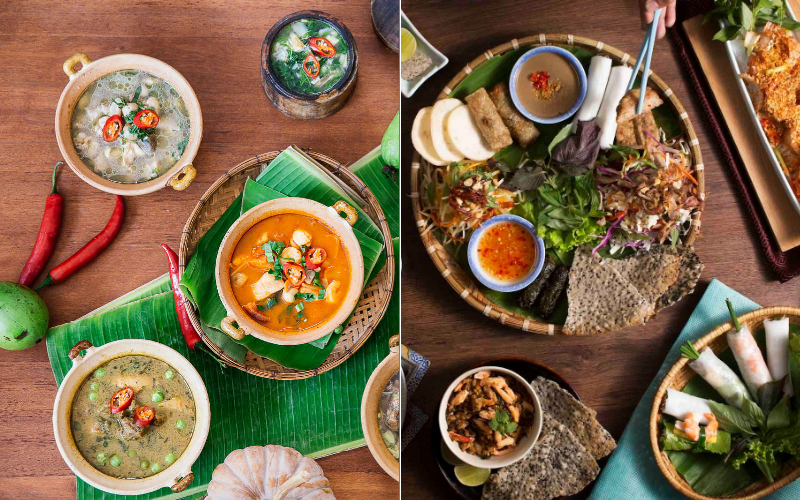
One of the most exciting parts of eating in Vietnam is the regional variety. Different parts of the country have their own specialties and cooking styles.
| Vietnam Food Experience | What Travelers Can Expect |
| Northern Vietnam | Simple and balanced flavors |
| Central Vietnam | Spicy dishes and strong flavors |
| Southern Vietnam | Sweeter dishes and tropical ingredients |
This makes traveling through Vietnam feel like a continuous food journey. Many travelers try new dishes in every city they visit.
Vietnam is famous for:
- Pho
- Banh mi
- Bun cha
- Fresh spring rolls
- Seafood dishes
- Vietnamese coffee
Street food culture also makes Vietnam feel very social and energetic. Travelers often eat beside locals on small plastic stools while watching the busy streets around them. Meals are affordable, fast, and easy to find, even late at night.
Coffee culture is another reason food lovers enjoy Vietnam so much. Local cafes range from traditional street-side coffee spots to stylish hidden cafes. Drinks like egg coffee and coconut coffee are popular experiences for visitors.
Cambodia offers a softer and slower food experience. Khmer cuisine is not as internationally known as Vietnamese food, but many travelers appreciate how authentic and comforting it feels. Meals often feel homemade and connected to local traditions rather than tourism trends.
Cambodian dishes usually focus on:
- Rice and noodles
- Freshwater fish
- Coconut milk
- Mild spices
- Local herbs
Popular local dishes include fish amok, beef lok lak, and Khmer curry. Markets and family-run restaurants are some of the best places to experience Cambodian cuisine.
Unlike Vietnam’s busy street food atmosphere, dining in Cambodia often feels quieter and more relaxed. Travelers can sit by the river in Phnom Penh, enjoy local cafes in Siem Reap, or eat slowly in small neighborhood restaurants. Many visitors enjoy this calmer atmosphere because meals feel less rushed.
Cambodia may be a better match for travelers who:
- Prefer relaxed dining
- Enjoy traditional home-style cooking
- Want authentic local experiences
- Prefer quieter restaurants and cafes
- Enjoy slower travel overall
Budget is another advantage in both countries, although daily travel costs can vary depending on your travel style. Budget travelers can comfortably explore either destination while spending relatively little on food, transportation, and accommodation. In both Vietnam and Cambodia, eating at local restaurants rather than tourist-focused venues can significantly reduce costs while providing a more authentic experience.
As a general guide, budget travelers often spend around USD 25–40 per day in Vietnam and USD 30–45 per day in Cambodia, while mid-range travelers typically spend between USD 50–100 per day in either country. Vietnam often offers a wider range of dining, accommodation, and transportation options, while Cambodia tends to provide a quieter and less commercialized travel experience.
| Daily Budget Type | Vietnam | Cambodia |
| Budget Traveler | USD 25–40 | USD 30–45 |
| Mid-range Traveler | USD 50–100 | USD 50–100 |
| Luxury Traveler | USD 150+ | USD 150+ |
Cambodia or Vietnam for history and culture?
Both Cambodia and Vietnam offer rich cultural experiences, but the feeling of exploring history in each country is very different. Travelers who enjoy museums, ancient architecture, local traditions, and cultural storytelling will find a lot to appreciate in both destinations. Choosing between them often depends on what kind of historical experience interests you most.
Vietnam’s history feels broad and layered. The country has been influenced by Chinese dynasties, French colonialism, royal empires, and modern wars. Because of this, travelers can experience many different historical periods while moving through the country.
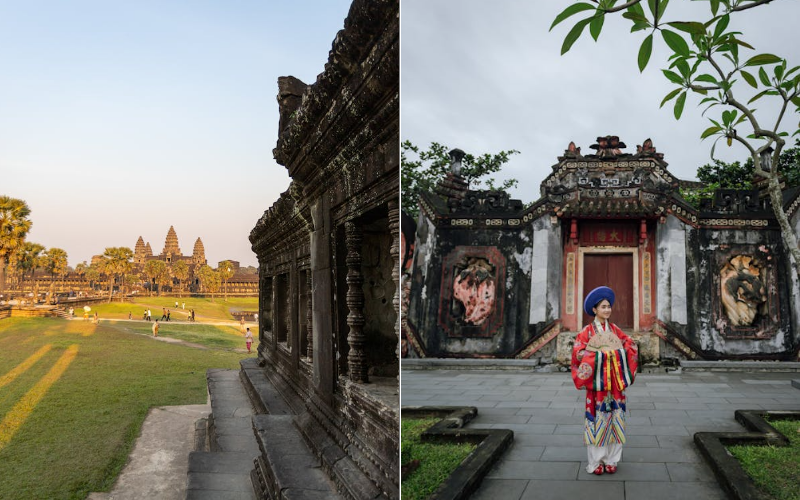
In cities like Hanoi, travelers can see old French buildings beside traditional Vietnamese temples and modern cafes. Central Vietnam offers imperial history in Hue, where ancient palaces and royal tombs still remain from the Nguyen Dynasty. In southern Vietnam, visitors often learn more about the Vietnam War through museums and historical sites.
Vietnam is often a strong choice for travelers who enjoy:
- Diverse historical periods
- War history and museums
- Ancient towns and temples
- Colonial architecture
- Local street culture mixed with history
One of the most interesting things about Vietnam is how history blends into daily life. Ancient temples stand beside busy streets. Traditional markets exist next to modern skyscrapers. This contrast gives many cities a unique atmosphere that travelers remember long after the trip.
Some of the country’s most famous cultural and historical attractions include:
- Temple of Literature
- Imperial City of Hue
- Cu Chi Tunnels
- Hoi An
Cambodia offers a more focused and emotional historical experience. The country’s identity is deeply connected to the Khmer Empire and Buddhist traditions. Ancient temples are not just tourist attractions. They are an important part of Cambodian culture and national identity.
The most famous historical site is Angkor Wat. Many travelers visit Cambodia mainly to experience the Angkor temple complex. Walking through these ancient ruins feels very different from visiting ordinary landmarks. The atmosphere is quiet, spiritual, and deeply connected to history.
Cambodia is often better for travelers who:
- Love ancient civilizations
- Enjoy temple exploration
- Prefer spiritual and reflective experiences
- Want slower cultural travel
- Enjoy learning through local stories and traditions
Beyond the temples, Cambodia’s modern history also leaves a strong impact on visitors. Museums and memorials in Phnom Penh help travelers understand the tragic Khmer Rouge period and the resilience of the Cambodian people today. Many travelers describe these experiences as emotional and unforgettable.
Another major difference is the pace of cultural travel. Vietnam often feels lively and energetic, even in historical areas. Cambodia feels slower and quieter, which allows travelers to spend more time reflecting and absorbing the experience.
Here is a simple comparison for cultural travelers:
| Vietnam | Cambodia |
| Diverse historical influences | Strong Khmer heritage |
| War museums and imperial history | Ancient temples and Buddhism |
| Energetic cultural atmosphere | Calm and reflective atmosphere |
| Colonial and modern contrasts | Spiritual and historical focus |
| Larger variety of historical sites | Deep temple-centered experiences |
Cambodia or Vietnam for nature and scenery?
Nature lovers will find beautiful landscapes in both Cambodia and Vietnam, but the experience feels very different in each country. Vietnam is bold, dramatic, and full of variety. Cambodia feels softer, calmer, and more peaceful. Choosing between them depends on how you like to experience nature during your travels.
Vietnam is often the better choice for travelers who want a constantly changing scenery. The country stretches from north to south along a long coastline, which creates a wide range of landscapes. Travelers can visit mountains, beaches, islands, rivers, caves, and rice terraces all within one trip.
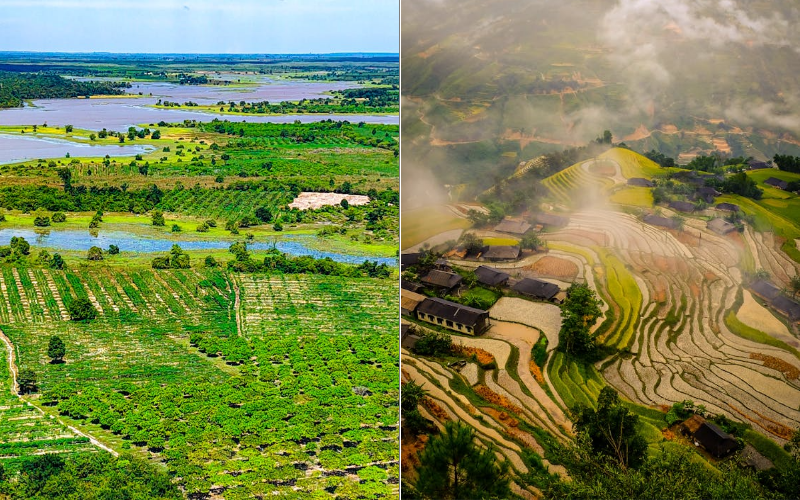
Northern Vietnam is especially popular for its scenery. Places like Sapa and Ha Giang Loop are famous for mountain views, winding roads, and green rice fields. These areas are ideal for trekking, photography, and motorbike adventures. Many travelers say the landscapes in northern Vietnam feel unlike anywhere else in Southeast Asia.
Vietnam is also home to Ha Long Bay, where travelers can cruise through limestone islands rising from the sea. It is one of the country’s most iconic natural attractions and a favorite for first-time visitors.
One of the biggest advantages of Vietnam is how much travelers can experience in a single journey.
You can:
- Hike through mountain villages
- Explore caves and national parks
- Relax on tropical beaches
- Cruise through bays and rivers
- Ride motorbikes along scenic roads
- Visit islands and coastal towns
This makes Vietnam a strong choice for travelers who enjoy active trips and outdoor experiences.
Cambodia offers a more peaceful relationship with nature. The scenery is less dramatic but often feels more relaxing and less crowded. Travelers come to Cambodia for calm countryside landscapes, riverside towns, tropical islands, and quiet beaches rather than extreme natural diversity.
The countryside in Cambodia has a very gentle atmosphere. Rice fields, palm trees, water buffalo, and small villages create slow and peaceful scenery throughout the country. Many travelers enjoy simply watching local life while traveling between destinations.
Cambodia’s islands are another highlight. Places like Koh Rong are known for clear water, soft beaches, and relaxed island life. Compared to Vietnam’s busier beach destinations, Cambodia’s islands often feel quieter and less developed.
Cambodia may be a better match for travelers who:
- Prefer calm scenery
- Enjoy slower travel
- Want quiet beaches
- Like peaceful countryside views
- Prefer relaxation over adventure
The overall atmosphere is also very different. Nature in Vietnam often feels exciting and adventurous. Nature in Cambodia feels slower and more reflective. Vietnam encourages travelers to explore many destinations quickly, while Cambodia invites travelers to stay longer and enjoy the surroundings more deeply.
Here is a simple comparison for travelers deciding whether to visit Cambodia or Vietnam for scenery:
| Vietnam | Cambodia |
| Diverse and dramatic landscapes | Calm and peaceful scenery |
| Mountains, beaches, caves, islands | Countryside, rivers, islands |
| Great for adventure travel | Great for slow travel |
| Active outdoor experiences | Relaxed nature experiences |
| Fast-moving travel atmosphere | Quiet and laid-back atmosphere |
Cambodia or Vietnam for different trip lengths?
The amount of time you have can make a big difference when deciding whether to visit Cambodia or Vietnam. Both countries can work for short vacations and long adventures, but they offer very different travel rhythms. Cambodia is often easier for slower and shorter trips, while Vietnam usually becomes more rewarding with extra time.

Here is a simple comparison based on trip length:
| Trip Length | Recommended Choice |
| 3–5 days | Cambodia |
| 1 week | Cambodia or one region of Vietnam |
| 10–14 days | Vietnam |
| 2–3 weeks | Vietnam + Cambodia combination |
Short trips (3–5 days)
For shorter vacations, Cambodia is often the easier choice. The country is smaller, and many of its major attractions are located relatively close together. Travelers can comfortably explore Siem Reap, visit Angkor Wat, enjoy local markets, and experience Khmer culture without spending too much time on transportation.
Many travelers appreciate Cambodia for short trips because the pace feels relaxed. Instead of constantly moving between cities, visitors can focus more on enjoying the atmosphere and cultural experience.
Vietnam can still work for short trips, but it is usually better to focus on one region only. The country stretches a long distance from north to south, so trying to see everything in a few days often becomes exhausting.
For example:
- Northern Vietnam: Hanoi and Ha Long Bay
- Central Vietnam: Hoi An and Da Nang
- Southern Vietnam: Ho Chi Minh City and the Mekong Delta
One-week trips
Within around one week, both countries will become good options depending on your travel style. Cambodia works well for travelers who prefer slower travel. One week allows enough time to combine temples, local culture, riverside towns, and even island relaxation. Travelers can move at a comfortable pace and still experience the country’s highlights.
Vietnam also becomes more enjoyable within one week, especially if travelers stay within one region. This gives enough time to explore cities, nature, food culture, and nearby attractions more deeply.
Vietnam may be better for travelers who:
- Enjoy active itineraries
- Want more destination variety
- Prefer food and nightlife experiences
- Like fast-paced travel
Cambodia may be better for travelers who:
- Prefer relaxed schedules
- Enjoy cultural experiences
- Want fewer transportation days
- Like slower travel overall
Longer trips (10–14 days)
Vietnam becomes much more rewarding for longer trips. With extra time, travelers can fully experience the country’s diversity. Many visitors travel from north to south and experience completely different landscapes and cultures along the way.
A common Vietnam itinerary may include:
- Hanoi
- Ha Long Bay
- Hoi An
- Ho Chi Minh City
- Mountain regions like Sapa or Ha Giang
This variety is one of the biggest reasons travelers choose Vietnam when asking, “Cambodia or Vietnam which is better.” Cambodia can also work beautifully for longer trips, especially for travelers who enjoy slow travel. Many visitors spend extra time in peaceful towns, countryside areas, and tropical islands instead of rushing between destinations.
Two to three weeks or more
For travelers with more time, combining both countries becomes one of the best options. Cambodia and Vietnam complement each other very well because the experiences feel so different.
Vietnam offers:
- Diverse landscapes
- Adventure activities
- Famous food culture
- Energetic cities
Cambodia offers:
- Ancient temples
- Slower travel
- Cultural depth
- Peaceful surroundings
Can’t decide between Cambodia or Vietnam? Discover both through Lily’s Travel’s expertly crafted tours. With 15 years of experience in Southeast Asian tourism, Lily’s Travel creates journeys that combine nature, food, history, and local culture across Vietnam, Laos, and Cambodia. Their experienced team focuses on authentic travel experiences and thoughtful itineraries, helping travelers enjoy a smoother and more meaningful trip throughout the region.
Cambodia or Vietnam which is better comes down to your travel style, available time, and personal interests. Vietnam is often better for adventure, food, and diverse experiences, while Cambodia is ideal for cultural depth and slower journeys. Whether you are a first-time traveler or an experienced explorer, both countries offer meaningful experiences that are difficult to forget. Choosing either destination will give you the chance to discover the beauty and charm of Southeast Asia.