


Cu Chi Tunnels and Mekong Delta tour is where Vietnam’s remarkable history meets its breathtaking natural landscapes. A few day trips offer such a striking contrast between the past and the present. The morning introduces you to an underground tunnel network that tells stories of resilience and survival, while the afternoon slows the pace with scenic canals, traditional villages, and peaceful river life in the Mekong Delta. This unique combination has made the tour one of the most recommended experiences for international visitors.

What Is a Cu Chi Tunnels and Mekong Delta tour?
A Cu Chi Tunnels and Mekong Delta tour is a full-day trip that combines two of southern Vietnam’s most iconic attractions into one convenient itinerary. Departing from Ho Chi Minh City, the tour takes visitors to the historic Cu Chi Tunnels in the morning before continuing to the peaceful Mekong Delta in the afternoon. It is an ideal choice for travelers who want to explore Vietnam’s history and countryside without spending multiple days outside the city.
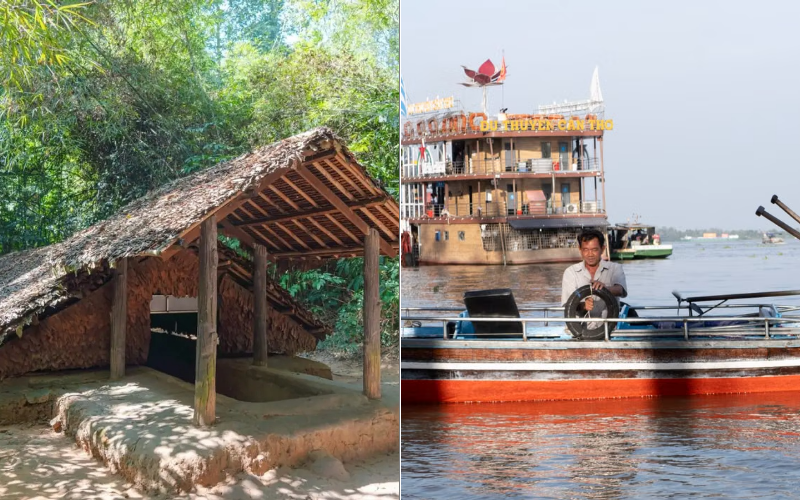
The journey usually begins with hotel pickup before traveling to the Cu Chi Tunnels, located about 1.5 to 2 hours from Ho Chi Minh City. Here, visitors explore preserved underground tunnels, hidden entrances, wartime bunkers, and historical exhibits while learning how local soldiers and civilians lived during the Vietnam War. Many tours also include a short documentary and the opportunity to crawl through widened tunnel sections.
After lunch, the tour heads to the Mekong Delta, where the atmosphere changes completely. Travelers enjoy scenic boat rides along rivers and narrow canals, visit local workshops producing coconut candy or honey, and experience the peaceful rhythm of village life. Depending on the itinerary, tours often visit My Tho, Ben Tre, or both destinations.
Why This Is One of the Most Popular Day Trips From Ho Chi Minh City
A Cu Chi Tunnels and Mekong Delta tour remains one of the most popular excursions from Ho Chi Minh City because it combines two completely different experiences into one memorable day. Visitors can explore Vietnam’s wartime history in the morning before enjoying the peaceful rivers, villages, and tropical landscapes of the Mekong Delta in the afternoon. This contrast gives travelers a broader understanding of southern Vietnam within a limited timeframe.
Another reason for its popularity is convenience. Most tours include hotel pickup, transportation, entrance tickets, lunch, boat rides, and an English-speaking guide, making the journey simple for first-time visitors. Instead of arranging transportation independently, travelers can simply relax and enjoy the experience.
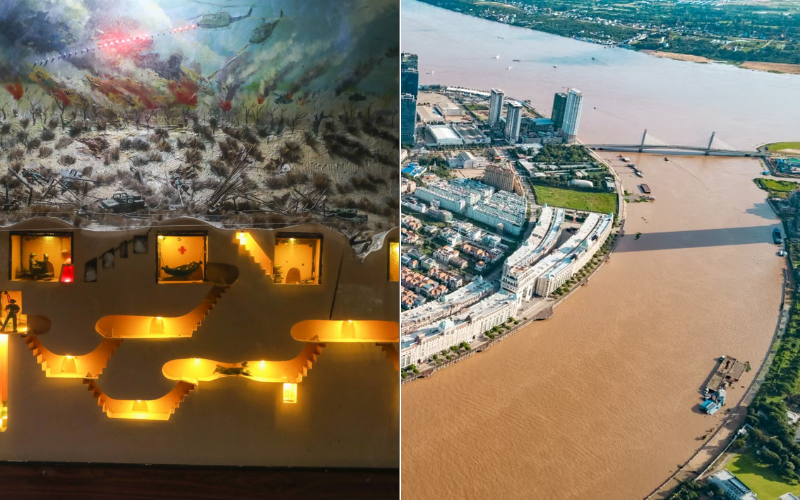
From a local guide’s perspective, the journey between destinations is also part of the adventure. As you leave Ho Chi Minh City behind, the scenery gradually changes from busy urban streets to rubber plantations, rice fields, fruit orchards, and riverside villages. It offers a glimpse into everyday life that many independent travelers might otherwise miss.
For the best experience, consider booking a small-group or private Cu Chi Tunnels and Mekong Delta tour if your budget allows. These tours often leave earlier, avoid the busiest crowds, and provide more flexibility at each stop. For travelers with only a few days in Ho Chi Minh City, this combined tour offers an excellent balance of history, culture, and local experiences in just one day.
Can You Really Visit Cu Chi Tunnels and the Mekong Delta in One Day?
Yes, you absolutely can visit both destinations in one day, and it is one of the most popular tours from Ho Chi Minh City. However, you should expect a long but rewarding day. Most Cu Chi Tunnels and Mekong Delta tour packages last between 10 and 12 hours. They usually include around 3 to 4 hours of driving and 5 to 6 hours of sightseeing and activities.
For travelers with only two or three days in Ho Chi Minh City, this combined tour is often the best option. Instead of choosing between Vietnam’s wartime history and the peaceful Mekong Delta, you can experience both in a single itinerary. Although each destination is explored in a shorter time than on separate tours, you will still enjoy the main highlights and gain a good introduction to southern Vietnam.

As a local guide, I usually recommend this tour to first-time visitors rather than repeat travelers. The itinerary is carefully designed to maximize your day. You will visit Cu Chi Tunnels first because the weather is cooler in the morning, and the site is generally less crowded. The Mekong Delta is visited in the afternoon, when a relaxing boat ride offers a welcome change of pace after walking through the historical site.
That said, you should keep your expectations realistic. This is an overview rather than an in-depth exploration. If you enjoy slow travel, photography, or spending more time interacting with local communities, consider visiting Cu Chi Tunnels and the Mekong Delta on separate days. However, if your goal is to see the highlights efficiently, a Cu Chi Tunnels and Mekong Delta tour offers excellent value and convenience.
What a Typical Cu Chi and Mekong Delta Tour Itinerary Looks Like
A standard Cu Chi Tunnels and Mekong Delta tour follows a well-organized schedule that allows travelers to visit both attractions comfortably within one day. While exact timings vary by operator, most tours begin between 7:00 and 7:30 AM with hotel pickup in central Ho Chi Minh City. Early departures help avoid rush-hour traffic and allow visitors to arrive at Cu Chi before the largest tour groups.
After a drive of around 1.5 to 2 hours, you will spend approximately two hours exploring the Cu Chi Tunnels. During the guided visit, you can learn about the tunnel network, see hidden entrances, wartime bunkers, and military exhibits, and even crawl through enlarged tunnel sections if you feel comfortable. Some tours also allow free time for photos or optional activities before leaving the site.
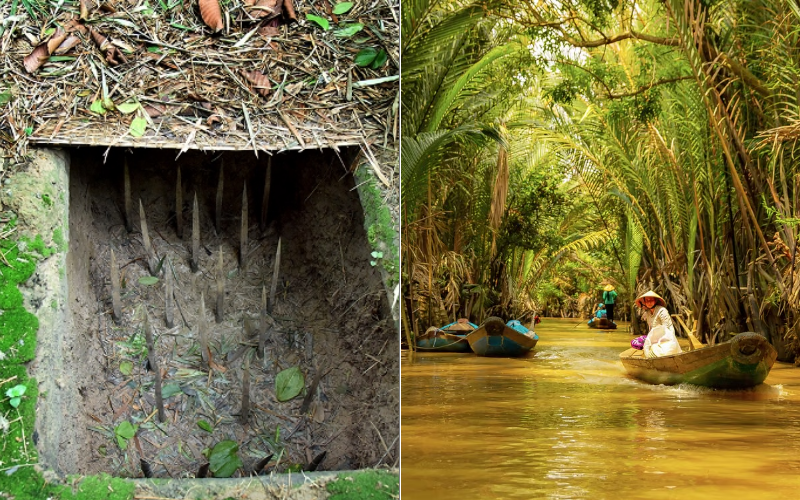
Around midday, the tour continues directly to the Mekong Delta instead of returning to Ho Chi Minh City. Lunch is usually served at a local riverside restaurant, giving travelers a chance to enjoy regional Vietnamese dishes and take a short break before the afternoon activities.
The afternoon is dedicated to exploring the Mekong Delta. Depending on the itinerary, you may visit My Tho, Ben Tre, or nearby islands. Activities often include a motorboat cruise, a traditional sampan ride through narrow canals, tropical fruit tasting, visits to coconut candy or honey farms, and opportunities to observe local life along the river. These experiences offer a relaxing contrast to the historical atmosphere of the morning.
Most tours leave the Mekong Delta around 5:00 PM and return to Ho Chi Minh City between 6:30 and 7:00 PM, depending on traffic. Although it is a full day, the carefully planned schedule allows travelers to experience two of southern Vietnam’s most iconic destinations without feeling overly rushed.
Morning at Cu Chi Tunnels: Exploring Vietnam’s Wartime History
Stepping into the Cu Chi Tunnels feels like entering a completely different world. Just a short drive from the modern skyline of Ho Chi Minh City, this peaceful forest hides one of Vietnam’s most remarkable historical sites. As the first stop on a Cu Chi Tunnels and Mekong Delta tour, it offers visitors a chance to discover the stories, ingenuity, and resilience that shaped the country’s wartime history.
Located around 70 kilometers northwest of Ho Chi Minh City, the Cu Chi Tunnels form an underground network stretching more than 250 kilometers. Originally built during the resistance against French colonial rule and later expanded during the Vietnam War, the tunnels served as living quarters, command centers, field hospitals, kitchens, and supply routes. Today, they stand as one of Vietnam’s most important historical attractions, welcoming visitors from around the world.
Most tours arrive early in the morning, which is the ideal time to visit. The cooler temperatures make it easier to explore the outdoor exhibits, and the site is usually quieter before larger tour groups arrive. This allows you to enjoy a more relaxed visit while taking photos and listening carefully to your guide’s explanations.
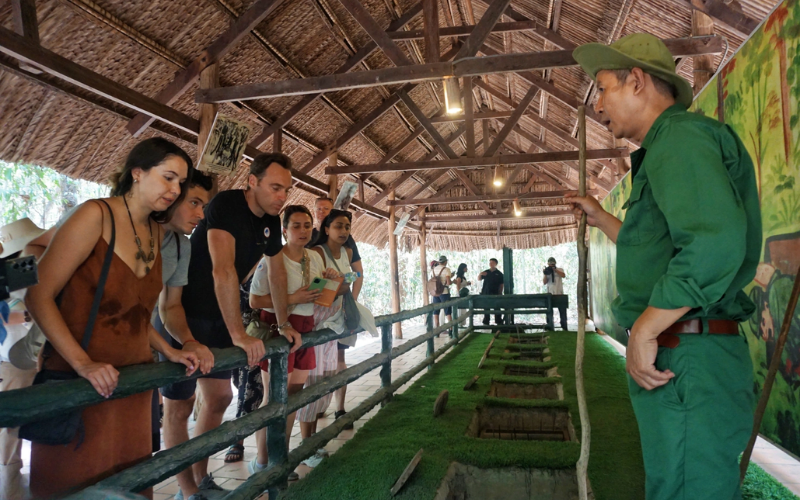
Your experience typically begins with a short documentary introducing the history of the tunnels and their role during the war. Although the film reflects the historical perspective of its time, it provides useful context before you start exploring the site. As you walk through the surrounding forest, your guide will point out hidden tunnel entrances, cleverly disguised ventilation shafts, bomb craters, and reconstructed underground facilities. These stops help visitors understand how thousands of people survived and operated beneath the ground for many years.
What You Will Actually Experience at Cu Chi Tunnels
Visiting the Cu Chi Tunnels is much more than looking at historical displays. It is an interactive experience that allows you to see, touch, and even briefly step into one of the world’s most famous underground tunnel systems. During a Cu Chi Tunnels and Mekong Delta tour, you will gain a deeper understanding of how ordinary people adapted to extraordinary circumstances while experiencing many of the site’s most iconic attractions firsthand.
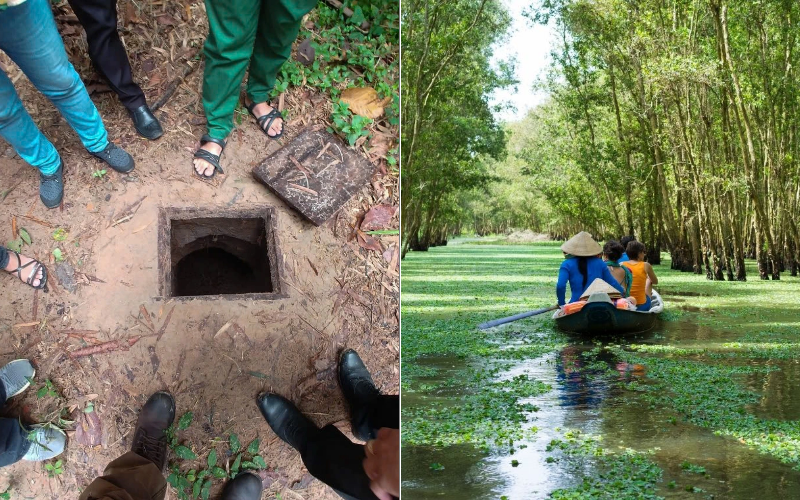
One of the first highlights is seeing the hidden tunnel entrances. At first glance, they appear almost invisible because they are carefully camouflaged beneath leaves and soil. Your guide will often demonstrate how these entrances were used, giving you a better appreciation of the creativity behind the tunnel system. As you continue walking, you will also encounter displays of defensive traps, underground kitchens, command rooms, medical stations, and ventilation systems that kept the tunnels functioning beneath the forest.
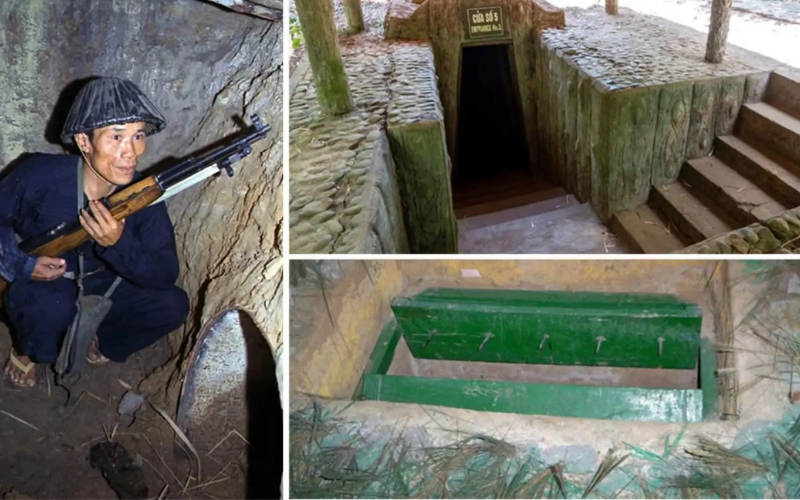
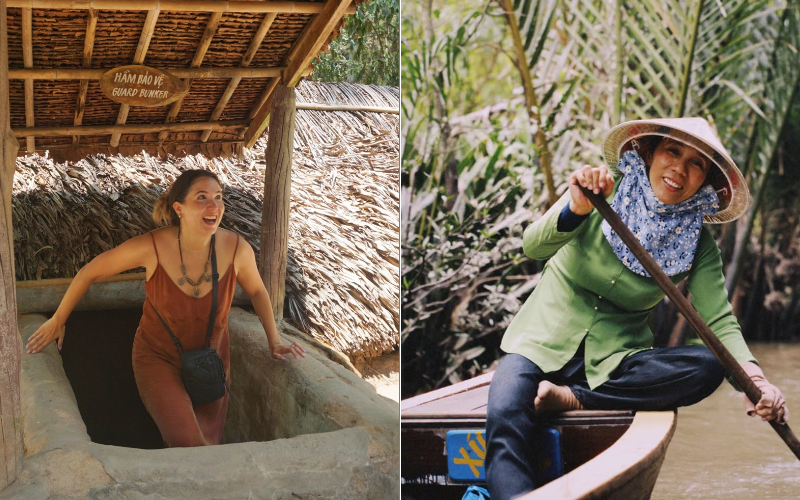
For many visitors, the most memorable activity is crawling through a section of the tunnels that has been enlarged for tourism. Although wider than the original passages, they remain narrow, dark, and low, offering a realistic glimpse into the challenging conditions experienced by those who lived underground. If enclosed spaces are not for you, there is no pressure to enter. Multiple exit points are available, and the outdoor exhibits are equally fascinating.
Another unique experience is tasting boiled cassava served with crushed peanuts and salt. This simple dish was a staple food for people living inside the tunnels during the war. While modest, it adds a personal touch to the visit by connecting travelers with an important part of everyday life during that period.
Some tours also stop at the on-site shooting range, where adult visitors can try historical firearms for an additional fee. This activity is completely optional, and many travelers choose to spend their time exploring the historical exhibits instead.
Afternoon in the Mekong Delta: A Different Side of Vietnam
After spending the morning exploring wartime history, the second half of a Cu Chi Tunnels and Mekong Delta tour feels like entering a completely different world. The busy roads gradually disappear, replaced by quiet rivers, lush orchards, and villages where life has revolved around the water for generations. This dramatic change of scenery is one of the biggest reasons why travelers enjoy combining Cu Chi Tunnels with the Mekong Delta in a single day.
The Mekong Delta is often called the “Rice Bowl of Vietnam” because it produces a large share of the country’s rice, fruits, and agricultural products. Beyond its fertile farmland, the region is famous for its maze of rivers and canals that shape everyday life. Boats are still widely used to transport goods, visit neighbors, and travel between villages, making the waterways just as important as roads.

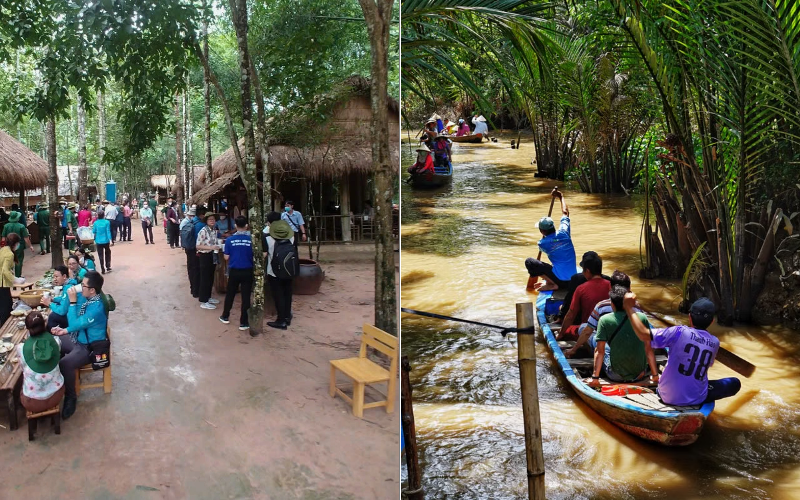
Most day tours visit My Tho or Ben Tre, both located around two hours from Ho Chi Minh City. Upon arrival, the atmosphere immediately feels slower and more relaxing. Instead of city traffic and high-rise buildings, you will find coconut groves, fruit orchards, wooden houses, and riverside communities where people continue many traditional ways of life.
Unlike the historical focus of Cu Chi Tunnels, the Mekong Delta is all about experiencing local culture. Depending on your itinerary, you may visit family-owned workshops producing coconut candy, honey, or handmade products that have been passed down through generations. These stops allow visitors to see how local businesses support the region’s economy while preserving traditional craftsmanship.
Boat Rides, Coconut Villages, and Local River Life
If there is one experience that defines a Cu Chi Tunnels and Mekong Delta tour, it is cruising through the waterways of the Mekong Delta. While the morning is filled with historical stories, the afternoon offers a chance to relax and appreciate the region’s natural beauty. Whether you are on a larger motorboat or a traditional hand-rowed sampan, traveling by water is the best way to experience life in the Delta.
Most tours begin with a motorboat ride along one of the Mekong River’s main branches. As you travel downstream, you will pass fishing boats, floating fish farms, riverside homes, and small docks where local people continue their daily routines. These wide waterways give you a first impression of how important the river is to the communities living here.
The highlight for many visitors comes when transferring to a smaller wooden sampan. Paddled by a local rower, the boat glides quietly through narrow canals shaded by water coconut palms and tropical vegetation. The calm surroundings create a peaceful atmosphere that feels worlds away from the energy of Ho Chi Minh City. It is also one of the best opportunities to take beautiful photographs without large crowds in the background.

Another signature experience is visiting Ben Tre’s famous coconut villages. Often called Vietnam’s “Coconut Kingdom,” Ben Tre is known for its endless coconut plantations and family-run workshops. During the visit, you may see how coconut candy, coconut oil, woven handicrafts, and other products are made using traditional methods. Many workshops also offer free tastings, allowing visitors to sample fresh coconut sweets before continuing the tour.
Depending on the season, your tour may also include tropical fruit tasting, honey tea, or a short performance of traditional Southern Vietnamese folk music. These activities are simple but offer a glimpse into the local culture and warm hospitality that make the Mekong Delta unique.
Which Part of the Mekong Delta Do Most Tours Visit?
When travelers book a Cu Chi Tunnels and Mekong Delta tour, one common question is which part of the vast Mekong Delta they will actually visit. The Mekong Delta covers 13 provinces in southern Vietnam, making it far too large to explore in a single day. As a result, most day tours focus on My Tho and Ben Tre, the two closest destinations to Ho Chi Minh City. Both can be reached in about two hours, making them ideal for visitors with limited time.
My Tho, located in Tien Giang Province, has long been the traditional gateway to the Mekong Delta. It offers convenient access to the Tien River and several small islands, where visitors can enjoy boat rides, fruit orchards, local workshops, and riverside villages. Because of its location and developed tourism infrastructure, My Tho is included in many standard group tours departing from Ho Chi Minh City.

Just across the river lies Ben Tre, often called Vietnam’s “Coconut Kingdom.” Over the past few years, it has become increasingly popular among travelers looking for a quieter and more authentic experience. Ben Tre is known for its dense coconut plantations, peaceful canals, and family-run workshops where coconut candy, handicrafts, and other local products are still made using traditional methods.
Some premium Cu Chi Tunnels and Mekong Delta tour packages combine both destinations in the same afternoon. This allows visitors to experience the lively atmosphere of My Tho before continuing into Ben Tre’s smaller canals and countryside. Since the two provinces sit next to each other, visiting both adds only a small amount of travel time while offering a more complete picture of life in the Mekong Delta.
My Tho vs Ben Tre: Understanding the Difference
Although My Tho and Ben Tre are neighboring destinations in the Mekong Delta, they offer noticeably different experiences. Both feature scenic waterways, traditional villages, and local culture, but each appeals to a different type of traveler. If you’re booking a Cu Chi Tunnels and Mekong Delta tour, understanding these differences can help you choose the itinerary that best matches your travel style.
| Feature | My Tho | Ben Tre |
| Atmosphere | Lively and well-developed for tourism | Quiet, peaceful, and more authentic |
| Distance from Ho Chi Minh City | Around 70 km (1.5–2 hours) | Around 85 km (about 2 hours) |
| Best Known For | Gateway to the Mekong Delta, river cruises, orchard islands | Coconut plantations, tranquil canals, local villages |
| Boat Experience | Larger rivers with more tourist boats | Narrow canals with traditional sampans |
| Crowd Level | Usually busier, especially on weekends | Fewer tourists and a more relaxed atmosphere |
| Local Experiences | Fruit gardens, folk music, local markets, island visits | Coconut candy workshops, family businesses, countryside life |
| Photography | Wide river views and bustling river activity | Shaded canals, coconut palms, and peaceful landscapes |
| Best For | First-time visitors and travelers who enjoy classic attractions | Travelers seeking authentic experiences and fewer crowds |
Lily’s Travel usually recommends My Tho if this is your first visit to the Mekong Delta. The destination has excellent tourism facilities and offers many of the region’s signature experiences in one place. It is also included in most standard group tours because of its convenient location.
If you prefer a slower pace, Ben Tre is often the better choice. The canals are quieter, the villages feel more traditional, and many activities are operated by local families rather than large tourism businesses. It is an excellent destination for photographers, couples, and travelers who enjoy cultural experiences away from busy crowds.
Many premium Cu Chi Tunnels and Mekong Delta tour packages now combine both My Tho and Ben Tre in the same afternoon. This option gives you the best of both worlds. You can enjoy My Tho’s famous river attractions before crossing into Ben Tre to experience its peaceful canals and coconut villages. If your schedule and budget allow, this combined itinerary is often the most rewarding choice because it provides a broader and more authentic introduction to the Mekong Delta. You can also visit Lily’s Travel Website to customize your own Cu Chi Tunnels and Mekong Delta tour.
How Much Time Is Spent Traveling vs Sightseeing?
One of the first questions travelers ask before booking a Cu Chi Tunnels and Mekong Delta tour is, “Will I spend the whole day sitting on a bus?” It’s a fair concern. After all, both attractions are located outside Ho Chi Minh City. The good news is that while this is a full-day journey, the itinerary is carefully designed to balance driving with meaningful sightseeing. Most visitors leave feeling that the variety of experiences easily makes the travel time worthwhile.
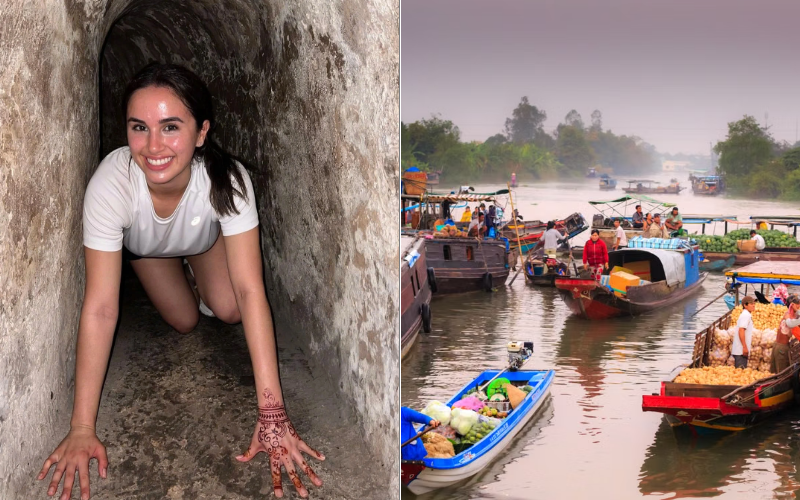
A typical Cu Chi Tunnels and Mekong Delta tour lasts 10 to 12 hours, with approximately 4 to 5 hours spent on the road and 5 to 6 hours exploring attractions, enjoying activities, and having lunch. The first drive to the Cu Chi Tunnels usually takes 1.5 to 2 hours. After spending around 2 hours exploring the historical site, the tour continues to the Mekong Delta, which takes another 1.5 to 2 hours depending on traffic. The return journey to Ho Chi Minh City is normally about 2 hours. These times can vary slightly depending on the season and road conditions.
Although the numbers may seem high, the drives are far from boring. As you leave the city behind, the scenery gradually transforms from busy streets and modern buildings into rubber plantations, rice paddies, fruit orchards, and peaceful riverside villages. For many first-time visitors, watching this transition offers a fascinating glimpse into everyday life beyond Ho Chi Minh City.
Private vs Group Cu Chi and Mekong Delta Tours
The attractions may be the same, but the way you experience them can be completely different. Choosing between a group or private Cu Chi Tunnels and Mekong Delta tour often has a bigger impact on your day than many travelers realize. The right choice depends on your budget, travel style, and the kind of experience you hope to have.
Here’s a quick comparison to help you decide:
| Feature | Group Tour | Private Tour |
| Price | More affordable | Higher cost |
| Group Size | Usually 15–40 people (or 8–12 for small groups) | Only your family or travel companions |
| Schedule | Fixed departure and itinerary | Flexible timing and customized stops |
| Transportation | Shared coach or minibus | Private vehicle with dedicated driver |
| Guide | Shared with the group | Personal guide throughout the day |
| Sightseeing Time | Limited by the group’s pace | Spend more time where you are most interested |
| Photography | May need to wait for other visitors | Easier to take photos without crowds |
| Best For | Solo travelers, backpackers, and budget-conscious visitors | Families, couples, photographers, and travelers seeking a personalized experience |
A group tour is the most common choice because it offers excellent value. Transportation, entrance tickets, lunch, boat rides, and an English-speaking guide are typically included in one package. It is also a good opportunity to meet fellow travelers from around the world. The trade-off is that the itinerary follows a fixed schedule, and you may occasionally wait for hotel pickups or other members of the group.
A private tour offers a much more personalized experience. You can choose your departure time, adjust how long you stay at each attraction, and even skip activities that don’t interest you. Your guide can focus on your questions instead of managing a large group, making the experience more relaxed and informative.
How Much Does a Cu Chi Tunnels and Mekong Delta tour Cost?
Good news for budget-conscious travelers—you don’t have to spend a fortune to experience two of southern Vietnam’s most iconic attractions in one day. A Cu Chi Tunnels and Mekong Delta tour is widely considered one of the best-value excursions from Ho Chi Minh City because it combines transportation, sightseeing, cultural activities, and meals into a single package. Whether you’re a backpacker looking for an affordable adventure or a couple seeking a more exclusive experience, there’s a tour option that fits almost every budget.
The final price depends largely on the type of tour you choose. Standard group tours are the most affordable, while small-group, VIP, and private tours offer additional comfort, flexibility, and personalized service.
| Tour Type | Typical Price (per person) | Best For |
| Standard group tour | US$20–40 | Budget travelers and backpackers |
| Small-group tour | US$40–80 | Travelers wanting fewer people and a more relaxed experience |
| VIP/Limousine tour | US$30–70 | Travelers seeking extra comfort and premium transport |
| Private tour | US$100–150+ (depending on group size) | Families, couples, photographers, and customized itineraries |
Prices are approximate and may vary depending on the operator, travel season, pickup location, and included services.
What Is Usually Included in the Tour Price?
One of the biggest advantages of booking a Cu Chi Tunnels and Mekong Delta tour is how little planning you need to do yourself. Instead of organizing transportation, buying attraction tickets, arranging boat rides, and searching for restaurants, nearly everything is prepared for you before the tour even begins. This all-inclusive approach makes the experience especially convenient for first-time visitors to Vietnam.
Although the exact inclusions vary between operators, most reputable full-day tours include the following services:
| Included Service | What to Expect |
| Hotel pickup and drop-off | Pickup and return from selected hotels in central Ho Chi Minh City |
| Air-conditioned transportation | Travel by tourist bus, minibus, limousine, or private vehicle depending on the package |
| English-speaking guide | Guided commentary on the history, culture, and local life throughout the day |
| Cu Chi Tunnels entrance ticket | Admission to the historical site with a guided visit |
| Boat rides in the Mekong Delta | Motorboat cruise and traditional sampan ride through scenic canals |
| Vietnamese lunch | A set meal or local specialties served at a riverside restaurant |
| Local tastings | Seasonal tropical fruits, honey tea, coconut candy, or similar regional products |
| Travel insurance | Included by many professional operators, although coverage varies |
Premium or VIP tours may include additional benefits such as limousine transportation, bottled water, cold towels, smaller group sizes, or a more personalized itinerary. Private tours often provide the greatest flexibility, allowing you to adjust the schedule and spend more time at the attractions that interest you most.
Another detail that many travelers overlook is the hotel pickup policy. Most tours offer free pickup only within District 1 in Ho Chi Minh City. If you’re staying in another district, you may need to meet the group at a central meeting point or pay a small transfer surcharge. Confirming this information in advance will help your Cu Chi Tunnels and Mekong Delta tour start smoothly and without unnecessary stress.
Hidden Costs and Optional Activities to Know About
You’ve found a great deal, booked your Cu Chi Tunnels and Mekong Delta tour, and you’re ready to go. But before you pack your camera, there’s one question worth asking: Will you need to spend anything extra during the day? The answer is usually “not much.” Most tours are excellent value, but there are a few optional activities and small expenses that many first-time visitors don’t know about until they arrive.
The table below highlights the most common optional expenses you may encounter.
| Optional Expense | Typical Cost | Worth Knowing |
| Cu Chi shooting range | Around 50,000–60,000 VND per bullet (often a 10-bullet minimum) | Completely optional and not included in the tour price. |
| Tips for guide and driver | Around 100,000–200,000 VND per person | Tipping is appreciated for good service but is generally optional. |
| Extra drinks | Varies | Water is sometimes included, but soft drinks, coffee, or additional beverages at lunch are often charged separately. |
| Personal shopping | Depends on your purchases | Coconut candy, honey, handicrafts, and local specialties are available at workshop stops. |
One of the best-known optional activities is the shooting range at the Cu Chi Tunnels. Adult visitors can try firing historical firearms under professional supervision. The activity is completely separate from the guided tour, so you can simply continue exploring the historical site if it doesn’t interest you.
During the afternoon, many tours stop at family-run workshops producing coconut candy, honey, or traditional handicrafts. These visits give travelers a chance to learn how local products are made while supporting small businesses in the Mekong Delta. After the demonstrations, you’ll usually have the opportunity to browse the products. There is absolutely no obligation to buy anything, and a friendly smile with a polite “No, thank you” is perfectly acceptable.
You may also notice tip baskets during traditional folk music performances or after your sampan boat ride. While tipping local performers or boat rowers is appreciated, it is generally voluntary. If you enjoy the experience and wish to show your appreciation, having a few small Vietnamese banknotes on hand can be helpful.
Common Complaints Travelers Have About Combined Tours
No tour is perfect, and that’s especially true when you’re trying to experience two of southern Vietnam’s biggest attractions in a single day. Before booking a Cu Chi Tunnels and Mekong Delta tour, it’s helpful to understand the most common concerns shared by travelers. The good news is that most of these “complaints” aren’t deal-breakers. They’re simply things to expect, and many can be avoided by choosing the right tour operator.
Here’s what travelers mention most often:
| Common Complaint | What Travelers Mean | How to Avoid It |
| Long day | The tour usually lasts 10–12 hours. | Be prepared for an early departure and a full itinerary. |
| Several hours of driving | Transfers between destinations take time. | Bring water, snacks, and enjoy the changing countryside scenery. |
| Limited time at each attraction | Two destinations must fit into one day. | Choose a small-group or private tour for a more relaxed pace. |
| Crowds at popular sites | Cu Chi and My Tho can become busy during peak hours. | Book tours with earlier departures or smaller groups. |
| Shopping stops | Some itineraries include local workshops with opportunities to buy products. | Read the itinerary carefully and choose operators with fewer commercial stops. |
The most common feedback is that the schedule feels busy. Since you’re visiting both the Cu Chi Tunnels and the Mekong Delta in one day, there is naturally less time to explore each destination than if you visited them separately. For most travelers, however, the itinerary still provides enough time to experience the highlights without feeling rushed from one attraction to the next.
Another topic that appears frequently in reviews is shopping stops. Budget tours sometimes include visits to coconut candy factories, honey farms, or handicraft workshops. While these visits support local communities and introduce traditional industries, some travelers feel they take time away from sightseeing. Premium and small-group tours often reduce the number of commercial stops and focus more on cultural experiences.
Crowds can also influence your experience, particularly at the Cu Chi Tunnels during weekends, Vietnamese public holidays, and the peak travel season. Large tour buses may arrive at similar times, creating queues at popular exhibits and tunnel entrances. Choosing an early departure or a small-group tour often makes a noticeable difference.
How to Avoid Tourist Traps and Overcrowded Stops
No one wants to spend their vacation waiting in long lines or feeling rushed through crowded attractions. The good news is that with a little planning, you can enjoy a much smoother Cu Chi Tunnels and Mekong Delta tour. Many of the common “tourist trap” experiences can be avoided simply by choosing the right itinerary and knowing what to look for before you book.
Here are some practical tips to help you make the most of your day:
| Tip | Why It Matters |
| Book a small-group or private tour | Smaller groups move faster and spend less time waiting for other travelers. |
| Choose an early departure | Arriving at Cu Chi before the large tour buses helps you avoid the biggest crowds. |
| Check whether the tour visits Ben Tre | Ben Tre is generally quieter than My Tho and offers a more authentic countryside experience. |
| Read the itinerary carefully | Some budget tours include several shopping stops that reduce sightseeing time. |
| Read recent traveler reviews | Reviews often mention crowd levels, guide quality, and whether the itinerary feels rushed. |
One of the easiest ways to avoid crowds is to leave Ho Chi Minh City early. Most experienced operators schedule departures between 7:00 and 7:30 AM, allowing visitors to reach the Cu Chi Tunnels before the busiest period of the day. This not only provides a more peaceful experience but also makes walking around the outdoor site more comfortable before temperatures rise.
Another factor many travelers overlook is which tunnel site the tour visits. Most budget group tours go to Ben Dinh, the closer and more heavily visited section of the Cu Chi Tunnels. If you prefer a quieter atmosphere, look for tours that visit Ben Duoc, which is farther from the city but generally receives fewer tour buses and offers a larger tunnel network.
Shopping stops are another area worth checking before booking. Visits to coconut candy workshops, honey farms, or handicraft centers are common because they introduce local industries and support family businesses. However, some budget tours spend more time at these commercial stops than others. Reading the detailed itinerary and recent reviews will usually give you a good idea of what to expect.
Who Should Choose a One-Day Combined Tour?
Not every traveler explores Vietnam in the same way. Some visitors have a full week in Ho Chi Minh City, while others only have a couple of days before moving on to their next destination. That’s exactly why a Cu Chi Tunnels and Mekong Delta tour has become such a popular option. It allows you to experience two of southern Vietnam’s most iconic attractions without sacrificing multiple days of your itinerary.
A one-day combined tour is an excellent choice for:
| Traveler Type | Why It Works Well |
| First-time visitors | Experience Vietnam’s history and countryside in a single day. |
| Travelers with limited time | Perfect if you only have two or three days in Ho Chi Minh City. |
| Families | A balanced itinerary with history, boat rides, local food, and cultural experiences. |
| Solo travelers | Easy logistics and opportunities to meet other travelers on group tours. |
| Budget-conscious travelers | Better value than booking two separate day trips. |
If this is your first visit to Vietnam, the combined itinerary offers an excellent introduction to southern Vietnam. You will learn about the country’s wartime history at the Cu Chi Tunnels before experiencing the peaceful river life of the Mekong Delta. The contrast between the two destinations helps visitors appreciate how diverse the region truly is.
This tour is also ideal if your itinerary is tight. Rather than choosing between the Cu Chi Tunnels and the Mekong Delta, you can experience the highlights of both in one well-organized day. Many travelers find this approach especially convenient if they plan to continue to another destination such as Da Nang, Hoi An, or Phu Quoc shortly afterward.
When Is It Better to Visit Cu Chi and the Mekong Delta Separately?
Sometimes, slowing down creates a far richer travel experience. While a Cu Chi Tunnels and Mekong Delta tour is ideal for travelers with limited time, there are situations where visiting each destination on separate days is the better choice. Giving each location more time allows you to appreciate its unique atmosphere without feeling constrained by a full-day schedule.
You should consider separate tours if:
- You have three or more full days in Ho Chi Minh City.
- You enjoy learning detailed history and want extra time at the Cu Chi Tunnels.
- You prefer slow travel instead of following a fixed schedule.
- You want to explore quieter areas of the Mekong Delta beyond My Tho or Ben Tre.
- You are interested in photography, cycling, or staying overnight in the countryside.
A dedicated visit to the Cu Chi Tunnels gives you more flexibility to explore at your own pace. You can spend additional time listening to your guide, visiting less crowded areas, or even choose a tour to Ben Duoc, which many travelers find quieter than the more popular Ben Dinh site. Some visitors also combine Cu Chi with nearby countryside attractions or travel by speedboat instead of road for a different experience.
A separate trip to the Mekong Delta opens many more possibilities. Instead of a short afternoon visit, you can travel deeper into the region, explore less-visited provinces, cycle through villages, visit floating markets early in the morning, or spend a night at a riverside homestay. These experiences are difficult to include in a standard one-day combined itinerary.
As a local guide, I often give this simple recommendation:
| Your Travel Style | Best Choice |
| Only 1–2 days in Ho Chi Minh City | One-day combined tour |
| 3 or more days in Ho Chi Minh City | Visit separately |
| Want to see the highlights efficiently | One-day combined tour |
| Prefer authentic local experiences and slower sightseeing | Separate day trips |
| Interested in photography or rural culture | Separate day trips |
Best Time of Year for a Cu Chi and Mekong Delta Tour
Every season offers a different perspective of southern Vietnam, so there isn’t a single “perfect” time to take a Cu Chi Tunnels and Mekong Delta tour. The best choice depends on the type of experience you’re looking for. Some travelers prefer clear blue skies and comfortable weather, while others enjoy lush green landscapes and fewer crowds.

The table below compares the seasons to help you decide.
| Season | Weather | What to Expect | Recommended? |
| Dry Season (November–April) | Sunny, warm, low rainfall | Comfortable sightseeing, calm boat rides, reliable road conditions | ⭐⭐⭐⭐⭐ Best overall |
| Rainy Season (May–October) | Hot, humid, afternoon showers | Greener countryside, fuller canals, fewer tourists | ⭐⭐⭐⭐ Great for nature lovers |
| Peak Holiday Period (Tet & Christmas/New Year) | Pleasant weather | Larger crowds and higher prices | ⭐⭐⭐ Book early |
For most travelers, the dry season between November and April is the ideal time to visit. The weather is generally sunny with lower humidity, making it more comfortable to explore the Cu Chi Tunnels on foot and cruise through the Mekong Delta. Boat rides are usually smoother, and road conditions are more reliable for day trips. However, this is also the busiest tourism season, especially from December to February, so booking your tour in advance is highly recommended.
The rainy season from May to October should not be overlooked. Although short tropical showers are common, they usually occur in the afternoon and rarely last all day. Morning departures often avoid the heaviest rain. During these months, the Mekong Delta becomes especially beautiful as canals fill with water, rice fields turn vibrant green, and fruit orchards flourish. Visitor numbers are also lower, creating a more peaceful atmosphere at many attractions.
What to Wear and Bring for the Trip
A Cu Chi Tunnels and Mekong Delta tour involves much more walking than many travelers expect. You’ll explore forest trails at the Cu Chi Tunnels, board several boats in the Mekong Delta, and spend most of the day outdoors. Dressing comfortably and packing a few essentials will make the experience much more enjoyable.
Here’s a practical packing checklist:
| Item | Why You Need It |
| Lightweight clothing | Southern Vietnam is warm and humid throughout the year. |
| Comfortable walking shoes | Ideal for uneven paths around the Cu Chi Tunnels. |
| Hat or cap | Provides shade during outdoor sightseeing. |
| Sunscreen | Protects against strong tropical sunlight. |
| Sunglasses | Helpful during boat rides and open areas. |
| Reusable water bottle | Stay hydrated throughout the day. |
| Light rain jacket or poncho | Especially useful during the rainy season (May–October). |
| Small backpack | Keeps personal belongings organized while moving between attractions. |
| Cash (Vietnamese Dong) | Useful for optional purchases, tips, or small local vendors. |
Light, breathable clothing is the best choice because temperatures often range between 28°C and 35°C. Fabrics that dry quickly are particularly useful if you visit during the rainy season or expect to perspire while exploring the tunnels.
Footwear deserves special attention. Although sandals are comfortable for the Mekong Delta, closed-toe walking shoes or lightweight sneakers provide better support on the uneven forest paths around the Cu Chi Tunnels. If you plan to enter the tunnel sections, comfortable shoes also make climbing in and out much easier.
Sample Private Tour Itinerary for a More Authentic Experience
If you prefer a slower pace, fewer crowds, and greater flexibility, a private Cu Chi Tunnels and Mekong Delta tour is one of the best ways to explore southern Vietnam. Unlike standard group tours, a private itinerary allows you to spend more time at places you enjoy, skip unnecessary shopping stops, and travel at a pace that suits your interests.
One operator that stands out for this type of experience is Lily’s Travel. Rather than simply combining the Cu Chi Tunnels and Mekong Delta into a packed sightseeing schedule, Lily’s Travel focuses on creating a more balanced and locally oriented journey. Their private and small-group tours give travelers more personal attention from knowledgeable local guides, who can explain the history of the Cu Chi Tunnels while also introducing the everyday culture and traditions of the Mekong Delta.
The flexibility of a private tour is another key advantage. Travelers can arrange a more comfortable departure time, adjust the pace of sightseeing, and spend more time on experiences that match their interests. Instead of rushing from one attraction to another, the itinerary can place greater emphasis on local villages, river life, traditional workshops, and quieter areas of Ben Tre. This is particularly useful for families, couples, and travelers who prefer cultural experiences over commercial stops. For a Cu Chi Tunnels and Mekong Delta tour, choosing a local operator with this level of flexibility can make the difference between simply seeing the highlights and gaining a more personal understanding of southern Vietnam.
Here’s an example of a well-balanced private itinerary:
| Time | Activity |
| 7:00 AM | Private pickup from your hotel in Ho Chi Minh City. |
| 8:30 AM | Arrive at the Cu Chi Tunnels before the largest tour groups. |
| 8:30–10:45 AM | Explore hidden entrances, underground tunnels, historical exhibits, and enjoy detailed commentary from your private guide. |
| 11:00 AM | Drive toward the Mekong Delta while relaxing in a private vehicle. |
| 12:30 PM | Lunch at a local riverside restaurant featuring southern Vietnamese specialties. |
| 2:00 PM | Visit Ben Tre for a motorboat cruise, sampan ride, coconut workshop, and village exploration. |
| 4:30 PM | Enjoy tropical fruit tasting and local tea before beginning the return journey. |
| 6:30–7:00 PM | Arrive back at your hotel in Ho Chi Minh City. |
Cu Chi Tunnels and Mekong Delta tour offers far more than simply visiting two famous attractions. It allows you to walk through Vietnam’s remarkable history in the morning and experience the relaxed rhythm of river life in the afternoon. With the right itinerary and a reliable local operator, you’ll gain a deeper understanding of the country’s culture, people, and landscapes. For first-time visitors, it’s one of the easiest and most memorable ways to experience the highlights of southern Vietnam.