


Da Lat or Sapa? This is one of the most common questions international travelers ask when planning a trip to Vietnam’s mountainous region. Although both are popular destinations in the Vietnam highlands, Da Lat (Lam Dong Province) and Sapa (Lao Cai Province) offer two very different experiences. If you’re undecided between Da Lat and Sapa, the quick analysis below will help you determine the best choice.
Short answer: Choose Da Lat if you want an easy, comfortable mountain escape with cafés, waterfalls and mild weather. Choose Sapa if you want trekking, rice terraces, ethnic villages and more dramatic mountain scenery. For first-time visitors with limited time, Da Lat is easier. For nature lovers already visiting Northern Vietnam, Sapa is more rewarding.
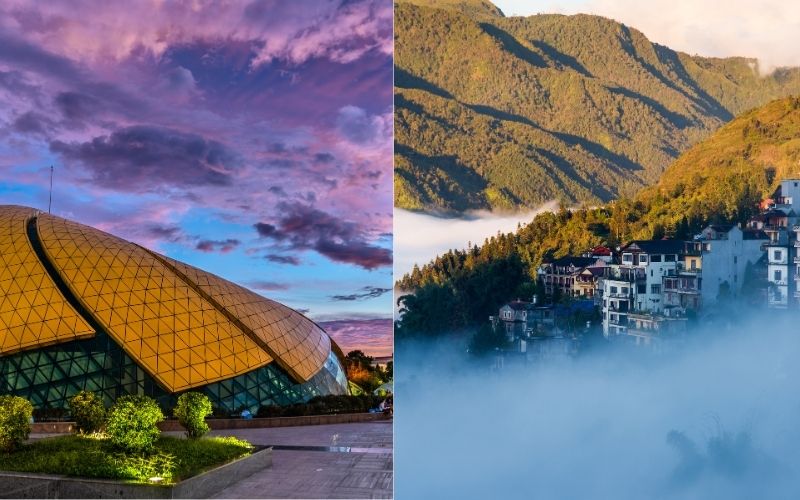
Quick Verdict: Da Lat vs Sapa at a Glance
If you’re deciding between Da Lat or Sapa, the biggest difference comes down to travel style. The table below highlights the key differences at a glance.
| Category | Da Lat | Sapa |
| Best for | Couples, families, café lovers, first-time visitors to Vietnam, travelers seeking comfort and relaxation | Trekkers, photographers, adventure travelers, culture enthusiasts, experienced Vietnam travelers |
| Elevation | ~1,500 m above sea level | ~1,600 m above sea level (Fansipan reaches 3,147.3 m) |
| Climate / Best Time to Visit | Mild year-round climate (15–24°C). Best from December to March for dry weather and flower season | Cooler and more seasonal (8–28°C). Best from March–May and September–November for trekking and rice terrace views |
| Budget Level | Moderate. Wide range of hotels, cafés, and attractions at reasonable prices | Slightly higher, especially during peak trekking and harvest seasons |
| Accessibility from Major Cities | Easy access via direct flights from Ho Chi Minh City, Hanoi, and Da Nang. The airport is about 30 km from the city center | No airport. Typically reached by overnight train or highway bus from Hanoi (5–7 hours) |
| Trekking Difficulty | Easy to moderate. Suitable for casual hiking around Langbiang Mountain, waterfalls, and pine forests | Moderate to challenging. Multi-hour and multi-day treks through mountain valleys and ethnic villages |
| Crowd Level | Busy during Vietnamese holidays and weekends but generally spread across the city | Can feel crowded in the town center during peak season, while trekking routes remain relatively quiet |
For most travelers comparing Da Lat or Sapa, Da Lat is the better choice if you want cooler weather, comfortable infrastructure, scenic cafes, and a relaxed mountain-town atmosphere.
Understanding the Difference Between Da Lat and Sapa
Although both are famous mountain destinations, Da Lat and Sapa developed in very different ways and attract many travelers today.
Da Lat was originally developed by the French in the early 1900s as a hill station escape from the tropical heat of southern Vietnam. More than a century later, that influence is still easy to spot. French villas, tree-lined streets, cafés, and a relatively well-planned city center give Da Lat a more urban and relaxed atmosphere than most mountain towns in Vietnam. Combined with its cool weather and extensive tourism infrastructure, the city feels more like a highland resort than a remote mountain destination.
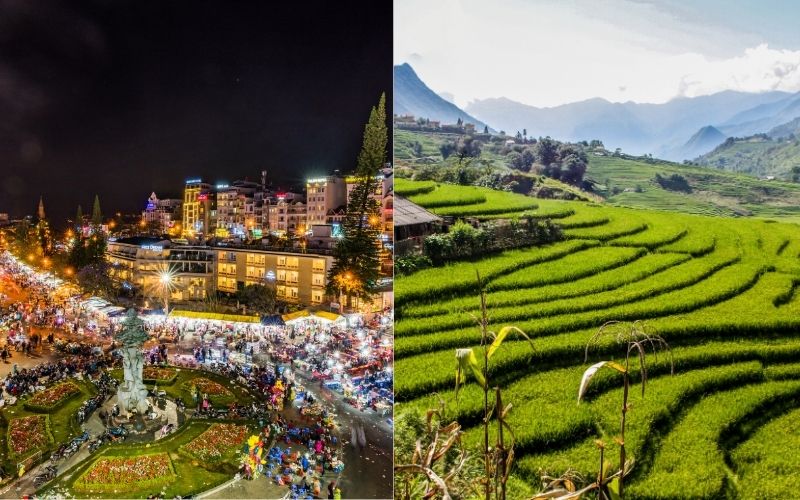
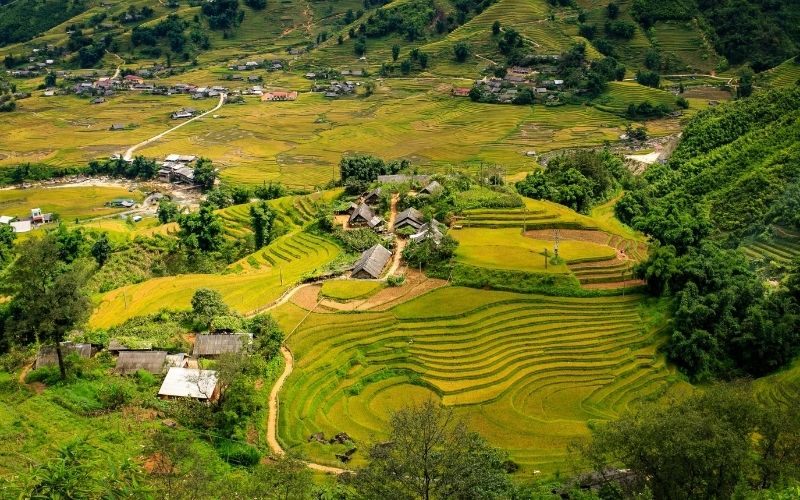
Sapa is almost the opposite. Most people don’t travel here for the town itself. They come for the mountains, the rice terraces, and the villages scattered across the valleys below. Visitors come not only for the scenery but also for the opportunity to explore H’Mong, Red Dao, Tay, and Giay villages, stay in family-run homestays, and experience daily life beyond the town center. Rather than a resort city, Sapa feels more like a gateway to Northern Vietnam’s mountains and ethnic minority culture.
Location and Accessibility
One of the biggest differences when considering Da Lat or Sapa is how to get to each destination. Da Lat is located on the Lam Vien Plateau in Lam Dong province, about 300 km from Ho Chi Minh City. The city is served by Lien Khuong Airport, with daily direct flights from Hanoi, Ho Chi Minh City, Da Nang, and several other cities. After landing, it takes about 30–40 minutes to travel to the city center.
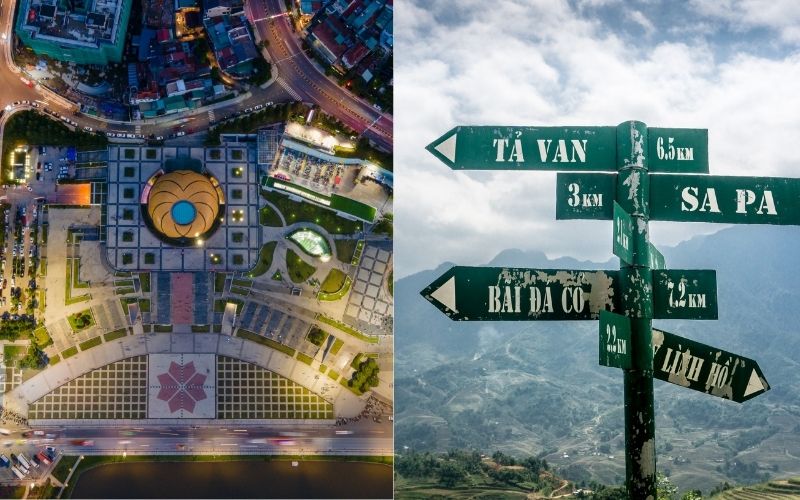
Sapa is located in Lao Cai province, near the Vietnam-China border, and about 315 km from Hanoi via highway. There is no commercial airport in Sapa, so most tourists must travel by coach, limousine, or overnight train from Hanoi. The total travel time is usually 5–7 hours, not including the travel time from Lao Cai train station to Sapa town if traveling by train. In terms of location within a Vietnam travel itinerary, Da Lat is often easily combined with Ho Chi Minh City, Nha Trang, or Phu Quoc. Meanwhile, Sa Pa is more suitable for northern travel routes along with Hanoi, Ha Long Bay, and Ha Giang.
Weather Comparison Throughout the Year
When comparing Da Lat and Sapa, one of the biggest differences is the weather. Da Lat has a more stable climate, while Sapa changes significantly with the seasons.
| Season | Da Lat | Sapa |
| Spring (Mar–May) | Pleasant temperatures, occasional showers | Ideal trekking weather, clear mountain views |
| Summer (Jun–Aug) | Rainy season, showers mostly in the afternoon | Green landscapes, good for trekking but busier |
| Autumn (Sep–Nov) | Cooler and drier weather | Rice terrace harvest season, best scenery of the year |
| Winter (Dec–Feb) | Dry, cool, and comfortable | Cold temperatures, foggy conditions, occasional frost |
Da Lat is known as the “City of Eternal Spring” thanks to its cool climate year-round, with temperatures usually ranging from 15–25°C. The rainy season lasts from approximately April to November. Therefore, the best time to visit Da Lat is from December to March, when the weather is dry and many flowers are in bloom.
Sa Pa has four more distinct seasons. The ideal time is from March to May or September to October. In particular, the rice terrace harvest season in September–October is when the terraced rice fields turn a beautiful golden color. Conversely, January–February is Sapa’s fog season, when thick fog and cold fronts can cause temperatures to drop close to 0°C.
Landscapes and Natural Beauty
If scenery is the most important factor when choosing between Da Lat and Sapa, the answer usually depends on whether you prefer tranquil landscapes or truly majestic mountain ranges.
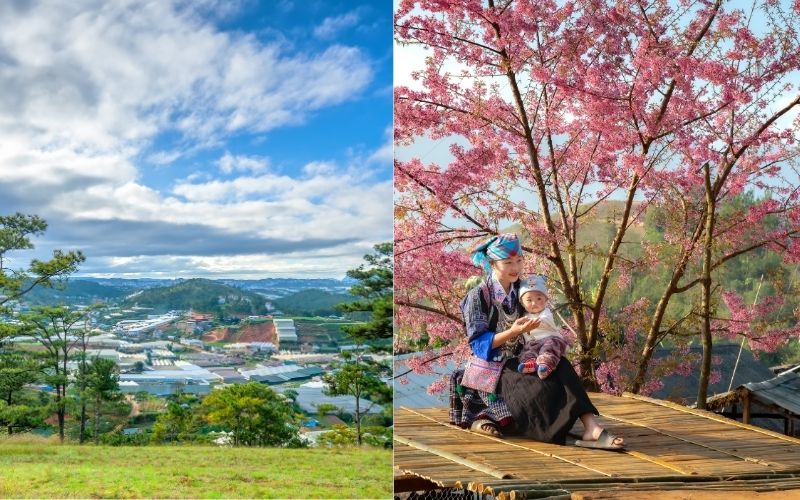
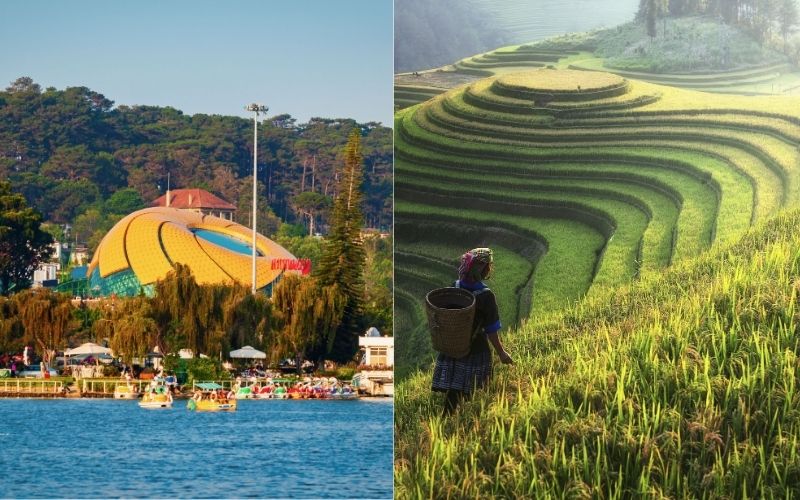
Da Lat is famous for its sprawling pine hills, Xuan Huong Lake located right in the city center, and highland agricultural areas like Cau Dat tea plantations. Many places like the Valley of Love, Datanla Waterfall, or Pongour Waterfall are not overly pristine, but are easily accessible and suitable for most tourists. What makes Da Lat unique is the combination of nature, architecture, and agricultural landscapes that have been developed over more than a century.
Sa Pa makes a completely different impression. From the Muong Hoa Valley to villages like Cat Cat or Ta Van, the scenery here is vast and feels more “raw.” The highlight is Fansipan Peak, 3,143 meters high. Visitors can trek to the summit or use the cable car system to admire the panoramic view of the Hoang Lien Son mountain range.
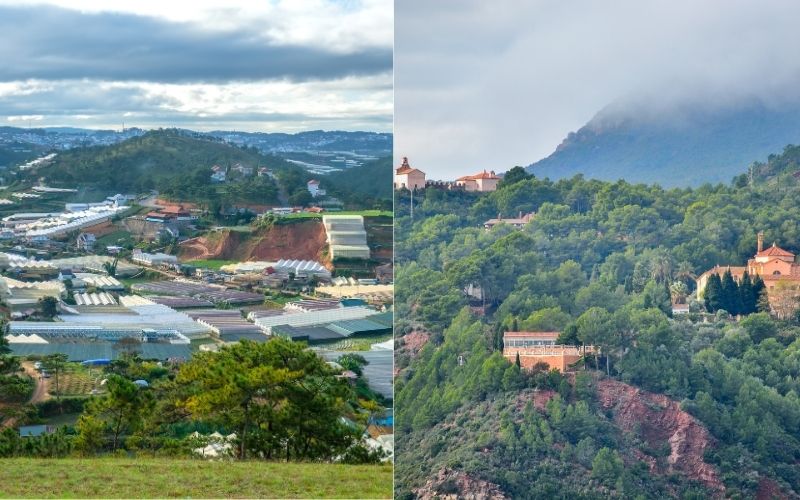
When people think of rice terraces in Vietnam, Sapa is usually the first place that comes to mind. What many travelers don’t realize is that some of the country’s most famous terrace landscapes are actually found in Mu Cang Chai and Hoang Su Phi. That said, the Muong Hoa Valley remains one of Sapa’s biggest highlights, especially during the harvest season when the hillsides turn shades of gold.
Top Things to Do in Da Lat
One thing many travelers appreciate about Da Lat is how easy it is to fill a day without spending hours on the road. You might start the morning at a coffee farm, spend the afternoon hiking or visiting a waterfall, and still make it back to the city center in time for dinner at the night market. Most attractions are relatively close together, which makes Da Lat feel much more relaxed than many other destinations in Vietnam.
The most notable activities in Da Lat include:
- Trekking Langbiang Mountain (2,167 m) to admire the panoramic view of the plateau and Suoi Vang Lake from above.
- Canyoning at Datanla Waterfall or exploring Pongour Waterfall, one of the most beautiful waterfalls in the Central Highlands.
- Cycling through Cau Dat tea hills and strawberry farms, especially beautiful in the early morning.
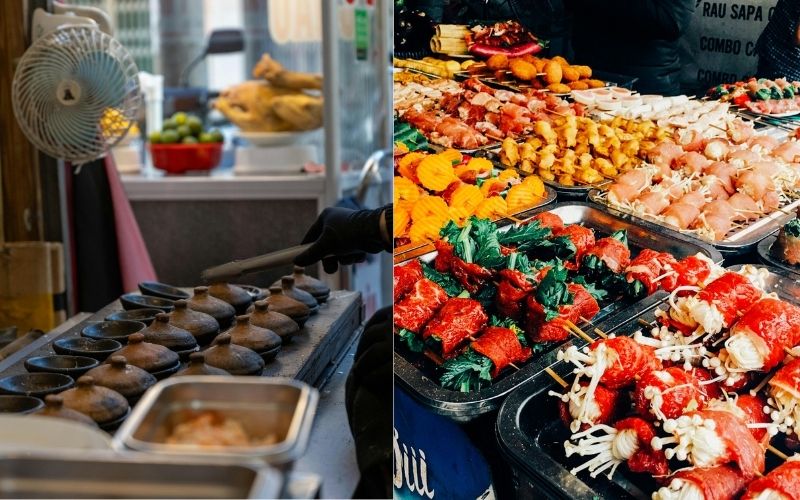
- Exploring Da Lat Night Market, where you can try grilled rice paper, hot soy milk, and many local street foods.
- Visiting Crazy House (Hang Nga Guesthouse), a unique architectural structure often featured on lists of the world’s strangest tourist attractions.
In addition, many tourists also spend time visiting Bao Dai Palace or the Chicken Church, or participating in a coffee farm tour to learn about Arabica coffee grown on the Lam Dong plateau.
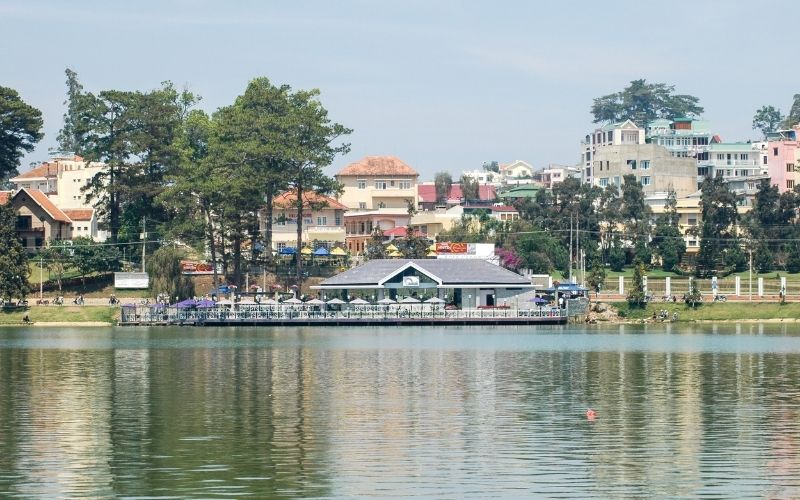
Compared to Sa Pa, activities in Da Lat are generally more accessible and suitable for many groups of tourists, from families to those who want to combine relaxation with gentle exploration.
Top Things to Do in Sapa
Unlike Da Lat, most tourists visiting Sa Pa don’t spend much time in the town. Most people don’t come to Sapa for the town itself. They come for the valleys, the rice terraces, and the villages scattered across the mountains. It’s the kind of place where a short walk can take you from a busy street to a quiet trail overlooking fields and hillside homes. If you love nature and local culture, this is one of the most worthwhile destinations in Northern Vietnam.
The most notable activities in Sa Pa include:
- Conquering Fansipan Peak (3,143 m) by trekking or cable car. The Sun World cable car system operates daily, allowing even inexperienced hikers to reach near the summit.
- Trekking through the villages of Ta Van, Lao Chai, and Ban Ho, where you’ll pass terraced rice fields, suspension bridges, and traditional houses of the H’Mong, Red Dao, or Giay people.
- Exploring the Muong Hoa Valley, Sa Pa’s most famous area, with hiking trails offering year-round scenic views.
- Staying in a homestay in a local village, an experience that helps you better understand the life and culture of the highlands.
- Visit Cat Cat Village, a H’Mong village located near the town center and most accessible for first-time visitors to Sa Pa.
If you have more time, you can visit the Bac Ha market on Sundays or tour traditional brocade weaving workshops. For longer trekking routes, going with a local guide often provides a more authentic experience and helps ensure safety on less-traveled trails.
Culture and Local Experiences
If the scenery is the reason tourists visit Da Lat or Sa Pa, then the local culture is often what they remember most after their trip.
In Da Lat, the French influence is still quite evident in daily life. This is not only reflected in the old villas, the Chicken Church, or Da Lat train station, but also in the coffee culture, bread, and the city’s characteristic slow pace of life. The majority of residents are Kinh people, alongside the Lach community, a K’Ho ethnic group, who have lived for a long time around the Langbiang area. If you visit Da Lat in December during the years when the Da Lat Flower Festival is held, it’s a good opportunity to explore more about the local culture and tourism.
Sa Pa offers a more distinct cultural experience. It is home to many ethnic communities such as the H’Mong, Red Dao, Tay, Giay, and Xa Pho, each with its own clothing, customs, and language. Instead of just sightseeing, visitors can stay in homestays in the villages, participate in daily activities, or learn about traditional brocade weaving. This cultural diversity is the biggest difference between Sa Pa and many other mountainous destinations in Vietnam.
Which Destination Is Better for Outdoor Activities?
Both Da Lat and Sa Pa are famous for their outdoor activities, but they cater to quite different types of travelers. Da Lat has the advantage of diversity. You can try canyoning at Datanla Waterfall, mountain biking through pine forests, road cycling through agricultural areas, or even paragliding in some suburban areas. Most of these activities don’t require advanced skills and are suitable for families or beginners. Even popular trekking routes like Langbiang are relatively accessible.
Sa Pa, on the other hand, appeals to true trekking enthusiasts. Hiking routes through Muong Hoa, Ta Van, or Lao Chai can last from a few hours to several days. The highlight is the trek to conquer Fansipan, the highest mountain in Indochina. If you choose to hike instead of the cable car, you need to be in good physical condition and usually need to join a guided tour. Besides trekking, Sa Pa is also popular with landscape photographers, trail runners, and those passionate about observing mountain nature.
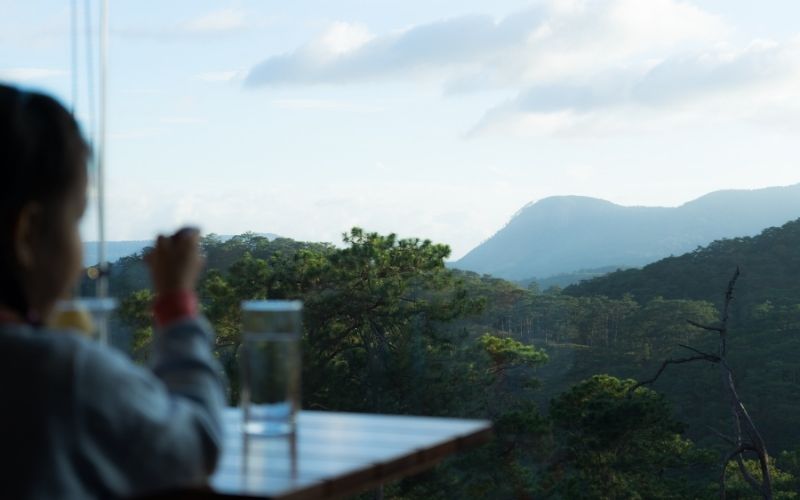
Overall, Da Lat is more suitable if you want a variety of outdoor activities, from relaxing to light adventure. Sa Pa is a more prominent choice for intensive trekking, mountaineering, and more physically demanding journeys.
Food and Café Scene Comparison
Cuisine is one of the factors that creates a very different experience between Da Lat and Sa Pa. While Da Lat is famous for its coffee culture and long-standing local eateries, Sa Pa attracts visitors with its dishes that reflect the unique character of the northern mountainous region.
| Category | Da Lat | Sapa |
| Signature Dishes | Grilled rice paper, meatball baguette, avocado ice cream | Free-range mountain pork, bamboo-tube rice, Sapa salmon |
| Local Products | Fresh strawberries, artichoke tea, Dalat wine | Corn wine, mountain herbs, locally grown vegetables |
| Coffee Culture | Hundreds of cafés with diverse concepts and viewpoints | Smaller café scene, mainly concentrated in the town center |
| Coffee Production | One of Vietnam’s most important Arabica-growing regions | Not a major coffee-producing area |
| Vegetarian & International Food | Widely available | More limited selection |
| Best For | Food lovers, café enthusiasts, digital nomads |
The biggest difference lies in the coffee culture, you notice the difference almost immediately. In Da Lat, cafés are part of the city’s identity, from specialty coffee roasters to farm tours in the surrounding countryside. Sapa feels different. Dishes associated with the H’Mong and Red Dao people are common, and many visitors end up trying ingredients or flavors they haven’t encountered elsewhere in Vietnam.
If you enjoy exploring diverse coffee shops and dining options, Da Lat is often a more appealing choice. If you want to experience authentic, local mountain cuisine, Sa Pa has much to offer.
Cost Comparison: Da Lat vs Sapa
For most tourists, the cost difference between Da Lat and Sa Pa is not significant if traveling on a budget or mid-range budget. The main differences lie in transportation costs and the unique activities offered at each destination.
| Expense Category | Da Lat | Sapa |
| Budget Stay | VND 200,000–500,000 per night | VND 150,000–400,000 per night (homestays) |
| Mid-range Hotel | VND 500,000–1.5 million per night | VND 600,000–2 million per night |
| Local Meal | VND 50,000–150,000 per meal | VND 60,000–180,000 per meal |
| Main Activities | Jeep tours, canyoning: VND 300,000–800,000 | Trekking guide: VND 300,000–700,000 per day |
| Major Attraction | Many free or low-cost attractions | Fansipan cable car: around VND 750,000 per person |
| Transportation | Multiple budget flights available from Ho Chi Minh City | Bus or train required from Hanoi |
For most travelers, the overall cost difference between Da Lat or Sapa isn’t dramatic. A budget traveler can comfortably visit either destination without spending much more in one place than the other.
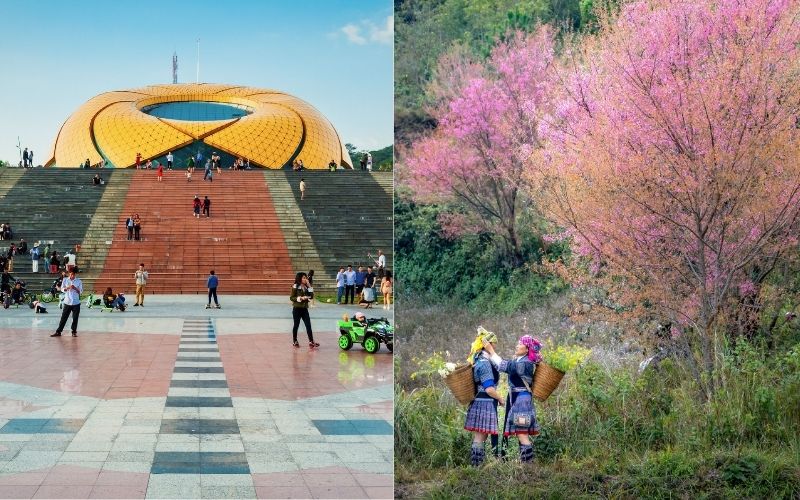
Where the numbers start to diverge is in the activities and accommodation. In Sapa, a guided trek, a Fansipan cable car ticket, and a couple of nights at a mountain resort can push the budget up fairly quickly. Da Lat has its share of luxury hotels too, but it’s generally easier to keep costs under control, especially if you’re flying from Ho Chi Minh City, where direct flights are available year-round.
Accommodation Comparison
Both Da Lat and Sa Pa offer a wide range of accommodation options, from budget hostels to luxury resorts, but the styles of lodging differ significantly. Da Lat stands out for its diversity, while Sa Pa excels at experiences that are closer to nature and local culture.
| Accommodation Type | Da Lat | Sapa |
| Hostel & Guesthouse | Widely available | Widely available |
| Boutique Hotels | Numerous options in renovated French colonial villas | Fewer options |
| Homestays | Available but not a major highlight | One of the destination’s signature experiences |
| Glamping & Treehouses | Rapidly growing in popularity | Limited availability |
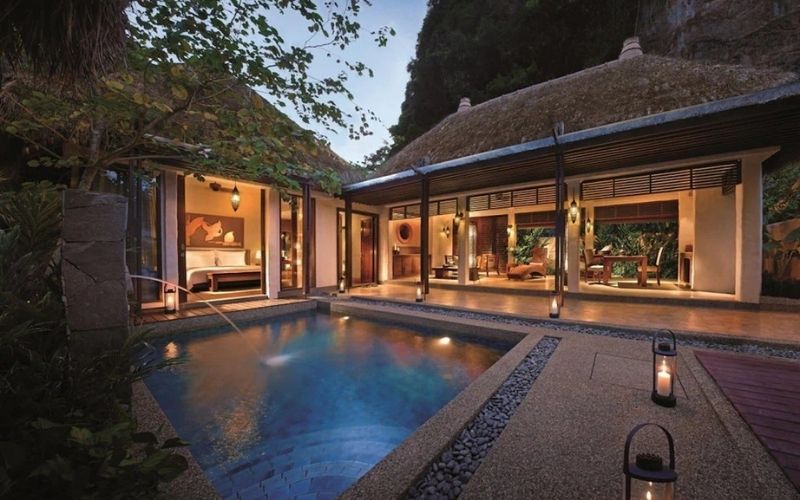
| Luxury Resorts | Ana Mandara Villas Dalat, Dalat Palace Heritage Hotel | Topas Ecolodge, Victoria Sapa Resort |
| Best For | Travelers seeking a wide variety of accommodation styles | Travelers looking for authentic local and cultural experiences |
Accommodation is one area where Da Lat offers far more variety than many travelers expect. It’s not unusual to find a boutique hotel inside a restored French villa, then come across a glass cabin or a glamping site overlooking pine-covered hills just a few kilometers away. That mix of old colonial architecture and newer accommodation concepts has become part of Da Lat’s appeal.
In Sa Pa, the most memorable experience is often not staying in a hotel in the town but in homestays nestled among villages like Ta Van or Lao Chai. This offers visitors a chance to get closer to the lives of the Hmong, Red Dao, and other local communities. In the high-end segment, Topas Ecolodge is one of the resorts highly rated by international tourists thanks to its secluded location amidst the mountains.
Da Lat vs Sapa for Different Types of Travelers
When choosing between Da Lat and Sa Pa, the most important thing is to determine the type of experience you’re looking for.
Couples and Honeymoon
If you’re planning a trip for two, Da Lat is often the more satisfying choice. The city has many resorts nestled in pine forests, scenic cafes, and activities that don’t require too much physical exertion. A day in Da Lat can start with morning coffee by Xuan Huong Lake, visit Cau Dat tea plantation in the afternoon, and end at the night market. Sa Pa is also beautiful for couples, but the experience there is more focused on exploration and activity than relaxation.
Solo Travelers
For solo travelers, Da Lat is often easier to get around. The city has a rich café scene, stable internet, many workspaces, and a growing digital nomad community. This is a place where you can spend a few days just exploring cafés, walking around Xuan Huong Lake, or taking half-day tours without needing complicated planning. Sa Pa is more suitable for those who enjoy outdoor activities and don’t mind a lot of walking.
Families
If traveling with young children or elderly people, Da Lat is usually a safer and more convenient option. Most attractions are easily accessible, the weather is stable, and they don’t require much physical exertion.
Conversely, many outstanding experiences in Sa Pa, such as trekking through villages or exploring Fansipan, are more suitable for families with older children who enjoy physical activity. In winter, the cold and foggy weather can also make travel more difficult.
Common Mistakes Travelers Make When Choosing Between Da Lat and Sapa
Many travelers compare Da Lat and Sapa based on social media photos alone, only to discover later that they chose the wrong destination for their travel style or season.
Some of the most common mistakes include:
- Visiting Sapa in winter without proper clothing. Temperatures can occasionally approach 0°C during cold spells, making trekking uncomfortable or even impossible.
- Assuming Sapa is an easy day trip from Hanoi. Although relatively close on the map, most travelers need at least 2–3 days to fully experience the region.
- Confusing Mu Cang Chai with Sapa. Many iconic rice terrace photos online actually come from Mu Cang Chai in Yen Bai Province, not Sapa.
- Not booking trekking guides or homestays early during September–October. Harvest season is one of the busiest times of the year.
- Expecting snow in Da Lat. Despite its cool climate, temperatures rarely drop low enough for snowfall.
- Choosing based on Instagram photos rather than travel goals. Weather, fitness level, and available time often matter more than scenery alone.
- Underestimating travel time between Hanoi and Sapa. Trains and buses can fill up quickly during holidays, making last-minute planning difficult.
The best approach is to choose based on what you want from the trip. A traveler seeking cafés and relaxation may not enjoy Sapa as much, while a serious trekker could find Da Lat too gentle.
Can You Visit Both Da Lat and Sapa in One Vietnam Trip?
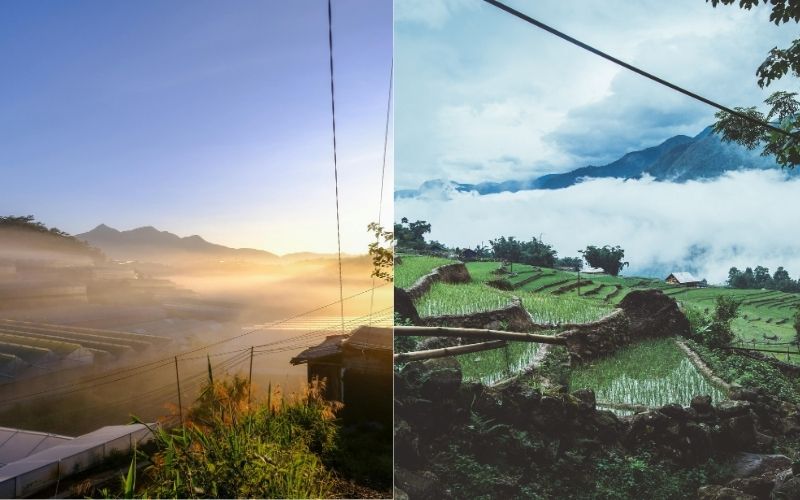
Yes, it is absolutely possible to visit both Da Lat and Sapa in the same Vietnam itinerary, but only if you have enough time. Since the two destinations are located in opposite regions of the country, combining them requires additional transportation and careful planning.
A popular route is: Ho Chi Minh City → Da Lat (3 days) → Fly to Hanoi → Sapa (3–4 days) → Hanoi
This itinerary allows travelers to experience both Vietnam’s Central Highlands and Northern Mountains without feeling overly rushed.
The biggest consideration is transportation. Adding Sapa and Da Lat to the same trip usually requires at least one domestic flight between southern and northern Vietnam, which increases both travel time and overall costs. For shorter trips, trying to fit both destinations into a single itinerary often means spending more time in transit than actually exploring.
Frequently Asked Questions About Da Lat and Sapa
Still deciding between Da Lat and Sapa? Here are answers to some of the most common questions travelers ask when planning a mountain trip in Vietnam.
Is Da Lat or Sapa better for first-time visitors?
For most first-time visitors to Vietnam, Da Lat is usually the easier choice. The city has better tourism infrastructure, a wider range of accommodations, and a more compact layout that makes independent travel straightforward. Sapa is still accessible, but reaching the region requires more planning and the experience often revolves around trekking and village visits rather than casual sightseeing.
Which is colder, Da Lat or Sapa?
Sapa is significantly colder during winter. From December to February, temperatures can occasionally approach 0°C during cold spells, especially at higher elevations around Fansipan. Da Lat remains cool throughout the year, but daytime temperatures are typically much milder and rarely feel truly cold by international standards.
Can I see rice terraces in Da Lat?
No. Rice terraces are not part of Da Lat’s landscape. The region is better known for pine forests, flower farms, vegetable fields, and tea plantations. If seeing terraced rice fields is one of your priorities, Sapa and other northern destinations such as Mu Cang Chai or Hoang Su Phi are much better choices.
Is Sapa safe for solo female travelers?
Yes, Sapa is generally considered safe for solo female travelers and is a popular destination among international backpackers. That said, if you plan to trek to remote villages or explore less-visited trails, hiring a local guide is often the safest and most rewarding option. Besides helping with navigation, local guides can provide valuable cultural insights that you would likely miss on a self-guided trek.
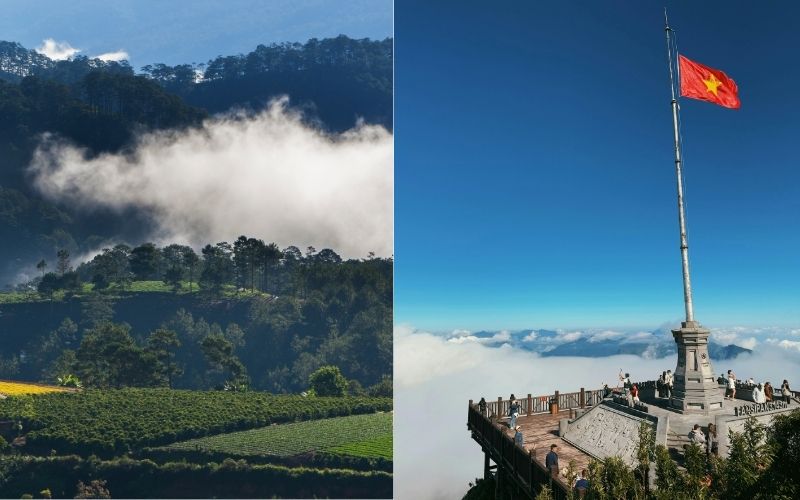
There is no universal winner between Da Lat or Sapa. Da Lat is generally the better choice for travelers seeking a relaxed mountain getaway, vibrant café culture, and easy-to-access attractions. Sapa stands out for its dramatic landscapes, trekking opportunities, and immersive ethnic minority experiences.
Still unsure whether Da Lat or Sapa fits your Vietnam itinerary? Lily’s Travel can help you choose based on your season, arrival city, travel pace and budget. Whether you want a relaxed highland escape, a trekking-focused northern route or a longer trip combining both destinations, our team can design a Vietnam itinerary that saves time and avoids unnecessary backtracking.