



The Da Nang to Phu Quoc train is a popular option for travelers who want to explore Vietnam from the central to the southern regions. However, many are surprised to learn that there is no direct train connecting these two destinations. Instead, the journey requires a combination of train travel, bus transfers, and ferry rides. Despite this, the idea of the Da Nang to Phu Quoc train still attracts interest because train travel in Vietnam is affordable and scenic. This introduction will help you understand the real travel structure and set the stage for choosing the best route to reach Phu Quoc from Da Nang efficiently and comfortably.
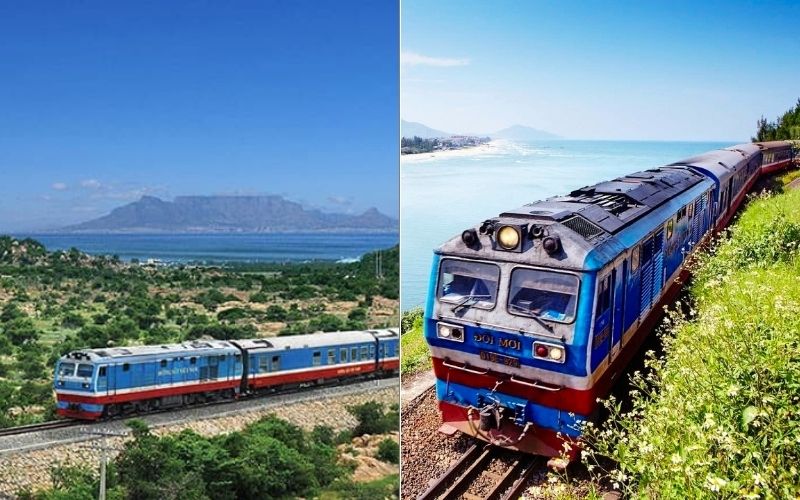
Da Nang to Phu Quoc at a Glance
Planning a trip between Da Nang and Phu Quoc is easier once you understand the geography. Although both are among Vietnam’s top tourist destinations, they are located in different parts of the country. Da Nang sits on the central coast, while Phu Quoc is an island in the Gulf of Thailand off the southwestern coast. Because of this, there is no single transport option that connects the two destinations entirely by land.
Many travelers search for this famous route because Vietnam has an extensive railway network. However, trains only operate on the mainland. Every overland journey to Phu Quoc must end with a ferry crossing from either Rach Gia or Ha Tien. If you prefer to avoid ferries, flying is the only direct way to reach the island.

Here is a quick overview of the journey:
| Information | Details |
| Overland travel distance | Approximately 900-1,000 km |
| Fastest option | Direct flight (about 1 hour 40 minutes) |
| Budget-friendly option | Train + bus + ferry |
| Main transfer cities | Ho Chi Minh City, Rach Gia, Ha Tien |
| Recommended for | Travelers who enjoy scenic rail journeys and flexible itineraries |
As a local travel tip, avoid treating this route as a single-day sightseeing transfer if you choose land transportation. Instead, consider turning the journey into part of your Vietnam adventure. Spending one night in Ho Chi Minh City gives you time to rest, enjoy local food, and continue the next morning without rushing. This is especially helpful if your ferry departs early, as weather and sea conditions may occasionally affect sailing schedules.
If you have limited vacation time, a direct flight offers the greatest convenience. On the other hand, travelers with flexible schedules often enjoy combining a sleeper train, a road trip through the Mekong Delta, and a ferry ride to Phu Quoc. This route lets you experience several different regions of Vietnam in one journey instead of simply arriving at your destination.
Can You Take a Train from Da Nang to Phu Quoc?
The answer is no. At present, Vietnam’s railway network does not extend to Phu Quoc because the island is separated from the mainland by the sea. There are no railway bridges or underwater rail tunnels connecting the island to the national rail system. As a result, every traveler must switch to another form of transportation before reaching Phu Quoc.
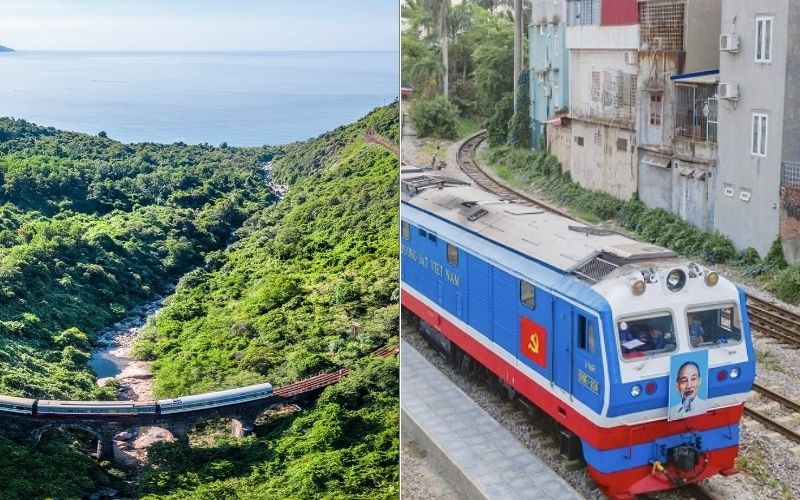
Why There Is No Direct Train to Phu Quoc
The main reason is simple: Phu Quoc is an island located several kilometers off Vietnam’s southwest coast. Unlike mainland cities, it has no railway infrastructure. Every visitor must cross the sea either by airplane or ferry after reaching the mainland. Even future transport projects have not yet created a railway connection between the mainland and Phu Quoc.
As a local guide, I recommend checking ferry departure times before booking your train ticket. This helps you avoid long waiting periods at the port. During holidays and weekends, ferry tickets often sell out several days in advance, especially on morning departures.
The Closest Train Station to Phu Quoc
There is no train station near the ferry terminals in Rach Gia or Ha Tien. For most travelers, Saigon Railway Station in Ho Chi Minh City serves as the main railway gateway when following a Da Nang to Phu Quoc train itinerary. After arriving there, you can transfer to an intercity sleeper bus heading toward either Rach Gia or Ha Tien.
Between the two ferry ports:
- Ha Tien is closer to Phu Quoc. The ferry crossing usually takes about 1.5–2 hours.
- Rach Gia is farther away. The ferry ride typically lasts around 2.5–3 hours, but the city offers more daily departures and transport connections.
Best Alternative Routes from Da Nang to Phu Quoc
Although there is no direct Da Nang to Phu Quoc train, several practical alternatives are available.
Option 1: Train + Bus + Ferry
This is the classic overland route. It is affordable and gives you the opportunity to experience Vietnam’s changing landscapes, from central beaches to the Mekong Delta, before reaching Phu Quoc. It is ideal if you enjoy slow travel.
Option 2: Train + Flight
Take the train from Da Nang to Ho Chi Minh City, spend a night exploring the city, then catch a short domestic flight to Phu Quoc the following day. Many travelers consider this the best balance between comfort, cost, and travel experience.
Option 3: Direct Flight
If saving time is your priority, flying directly from Da Nang to Phu Quoc is by far the fastest solution. The flight takes less than two hours and eliminates multiple transfers. This option is especially suitable for families with young children or travelers on a short holiday.
Da Nang to Phu Quoc by Train + Ferry (Step-by-Step Guide)
One important tip from local travelers is not to plan all transfers too tightly. Trains can occasionally arrive behind schedule, and buses or ferries may depart at fixed times. Leaving a few hours between connections, or even spending one night in Ho Chi Minh City, makes the journey much more comfortable and less stressful.
Step 1 — Take the Train from Da Nang to Rach Gia or Ha Tien
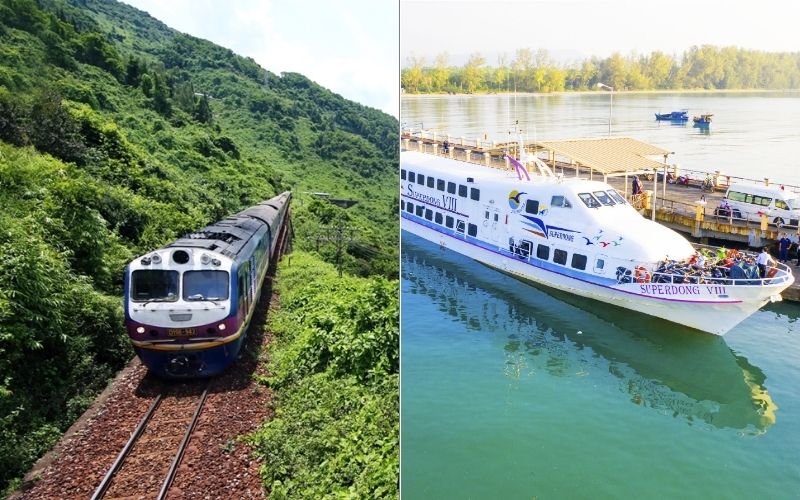
The first part of the Da Nang to Phu Quoc train journey begins at Da Nang Railway Station. There is no train that goes directly to Rach Gia or Ha Tien. Instead, you will board a North–South Railway train to Ho Chi Minh City, also known as Saigon Railway Station. This is one of Vietnam’s longest and most scenic railway routes. The trip usually takes around 16–18 hours, depending on the train service.
For overnight travel, a soft sleeper cabin is the best choice. It offers a proper bed, air conditioning, and a quieter environment than standard seats. Although it costs more than a hard seat, the extra comfort is worth it after such a long journey.
As a local guide, I also recommend choosing a daytime departure if you want to enjoy the scenery. The railway passes rice fields, fishing villages, rivers, and coastal landscapes. The section around Hai Van Pass is especially beautiful, although it is north of Da Nang, so southbound travelers will mainly enjoy the changing countryside as they continue toward southern Vietnam.
After arriving in Ho Chi Minh City, continue by sleeper bus to one of the two ferry ports:
- Rach Gia: Around 6 hours by bus.
- Ha Tien: Around 7–8 hours by bus.
Step 2 — Transfer from Train Station to Ferry Port
After arriving at Saigon Railway Station, you will need to reach Mien Tay Bus Station, where most buses to Rach Gia and Ha Tien depart. A taxi or ride-hailing service usually takes 20–30 minutes, depending on traffic.
Several transport companies operate comfortable sleeper buses between Ho Chi Minh City and the ferry ports. Most buses have reclining beds, USB charging ports, air conditioning, and short rest stops during the journey.
If you are carrying large luggage, allow extra time between your train arrival and bus departure. Ho Chi Minh City’s traffic can become very busy during the morning and evening rush hours.
A useful local tip is to book a night bus if your train arrives during the afternoon. This allows you to sleep during the road journey and arrive at the ferry terminal early the next morning.
Step 3 — Take the Ferry from Rach Gia or Ha Tien to Phu Quoc
The final stage of the Da Nang to Phu Quoc train journey is the ferry crossing to Phu Quoc Island. High-speed ferries operate daily from both Rach Gia and Ha Tien. Modern vessels are air-conditioned and offer comfortable seating throughout the trip.
Travel times vary depending on your departure port:
- Ha Tien → Phu Quoc: Approximately 1.5–2 hours.
- Rach Gia → Phu Quoc: Approximately 2.5–3 hours.
Several reputable operators provide daily services, including Superdong, Phu Quoc Express, and Thanh Thoi. Departure times may change during the rainy season or when sea conditions are rough, so always check the latest schedule before traveling.
If you are prone to seasickness, take motion sickness medication about one hour before boarding. Try to sit near the center of the ferry, where movement is usually gentler.
After arriving on Phu Quoc, you can easily reach popular areas such as Duong Dong Town, Long Beach, or Ong Lang Beach by taxi or electric shuttle.
Total Travel Time & Cost Breakdown
The complete journey normally requires between 26 and 30 hours, depending on waiting times between each connection. Travelers who stay overnight in Ho Chi Minh City should allow two full travel days.
A typical budget looks like this:
| Transport | Estimated Cost |
| Train (Da Nang → Ho Chi Minh City) | 600,000–1,400,000 VND |
| Bus (Ho Chi Minh City → Rach Gia/Ha Tien) | 300,000–450,000 VND |
| Ferry to Phu Quoc | 185,000–350,000 VND |
| Total | Around 1.1–2.2 million VND |
Da Nang to Phu Quoc Train Route Options
Since there is no direct Da Nang to Phu Quoc train, travelers can choose from several different combinations of trains, buses, ferries, and flights. The best option depends on your budget, travel style, and available time. Below are the most practical routes used by both domestic and international visitors.

Da Nang → Ho Chi Minh City → Phu Quoc (Most Popular Route)
This is the route that most travelers choose. It offers the greatest flexibility because Ho Chi Minh City is Vietnam’s largest transport hub. After taking the train from Da Nang, you can decide whether to continue by plane or by bus and ferry.
This route is recommended because:
- Many daily train departures.
- Frequent domestic flights.
- Plenty of hotels if you want to rest overnight.
- Easy access to Mien Tay Bus Station.
Da Nang → Rach Gia → Phu Quoc (Budget Route)
This route is popular with backpackers who want to reduce travel costs.
The itinerary is simple:
- Train from Da Nang to Ho Chi Minh City.
- Sleeper bus to Rach Gia.
- High-speed ferry to Phu Quoc.
Although the ferry ride from Rach Gia is longer, the city usually offers more daily departures than Ha Tien. This makes it easier to find a ferry that matches your arrival time. As a local suggestion, book your ferry ticket before your bus ticket during holiday periods. Ferry seats often sell out first.
Da Nang → Ha Tien → Phu Quoc (Scenic Route)
Travelers who prefer a shorter ferry crossing often choose Ha Tien. The route follows the same railway journey to Ho Chi Minh City, then continues by bus to Ha Tien. Many visitors enjoy spending a night in Ha Tien because the town has a relaxed atmosphere, seafood restaurants, and waterfront cafés. The following morning, they take an early ferry to Phu Quoc when the sea is usually calmer. The ferry from Ha Tien reaches Phu Quoc in about 1.5–2 hours, making it the shortest sea crossing available.
Which Route Is Best for You?
There is no single best Da Nang to Phu Quoc train itinerary. Each route suits different types of travelers.
- Choose Da Nang → Ho Chi Minh City → Flight if you want to save time while still enjoying part of Vietnam’s railway experience.
- Choose Da Nang → Rach Gia → Ferry if your priority is keeping transportation costs low.
- Choose Da Nang → Ha Tien → Ferry if you prefer a shorter boat ride and a quieter coastal town before reaching Phu Quoc.
- Choose Train + Bus + Ferry if you enjoy overland travel and want to experience Vietnam beyond its major tourist destinations.
From a local guide’s perspective, Lily’s Travel recommends the Ha Tien route if you have enough time. The shorter ferry ride is generally more comfortable, especially for families and travelers who are sensitive to motion on the sea. If your schedule is tight, combining the train with a domestic flight from Ho Chi Minh City offers the best balance between sightseeing and convenience.
Da Nang to Ho Chi Minh City Train Guide
The train from Da Nang to Ho Chi Minh City forms the core of the train journey, combining long-distance travel with scenic views along Vietnam’s North–South Railway.

Train Schedule & Departure Times
Vietnam Railways operates several southbound trains every day between Da Nang Railway Station and Saigon Railway Station. Depending on the service you choose, the journey normally takes between 16 and 19.5 hours. Express trains such as SE3 and SE1 are usually the fastest, while other services make additional stops along the route.
Morning, afternoon, and evening departures are available daily, giving travelers flexibility when planning their Da Nang to Phu Quoc train route.
Some useful suggestions include:
- Morning departures allow you to enjoy more countryside views during daylight.
- Afternoon departures balance sightseeing and overnight travel.
- Night departures help save one night’s accommodation by sleeping on board.
If your goal is to connect with a bus or flight to Phu Quoc, compare your expected arrival time in Ho Chi Minh City with your next departure. Allow at least three to four hours between connections whenever possible.
Ticket Classes & Prices
Several seating and sleeping options are available for this route. Prices vary depending on the season, train number, and cabin type. Generally, tickets range from 600,000 VND to 1,800,000 VND (approximately USD 25–75).
The main ticket classes include:
- Hard Seat: The cheapest option. Suitable only for short journeys.
- Soft Seat: More comfortable than a hard seat but still not ideal for a journey lasting over 16 hours.
- Hard Sleeper: Six berths in each cabin. A good choice for budget-conscious travelers.
- Soft Sleeper: Four berths in each cabin with thicker mattresses. This is the most recommended option for long-distance travel.
Some trains also include privately operated luxury sleeper coaches attached to Vietnam Railways services. These cabins offer upgraded bedding, cleaner interiors, complimentary snacks, and fewer passengers per compartment. They cost more but provide a noticeably better experience.
As a local guide, Lily’s Travel always recommends booking a lower soft sleeper berth if available. It is easier to access, especially when carrying luggage, and many travelers find it more comfortable than upper bunks.
How to Book Train Tickets Online
Booking your Da Nang to Phu Quoc train tickets in advance is highly recommended, especially during Vietnamese public holidays, summer vacation, and the Lunar New Year period.
You can reserve tickets through:
- Vietnam Railways’ official booking platform.
- Authorized railway booking websites.
- Licensed travel agencies.
- Hotels and tour operators in Vietnam.
Most booking platforms allow you to:
- Select your preferred train.
- Choose your seat or sleeper class.
- Pay online using international payment methods.
- Receive an electronic ticket for boarding.
For the best selection, try booking two to four weeks before departure. Soft sleeper cabins often sell out first because they are the most popular among international travelers.
What to Expect On Board
The onboard experience is simple but comfortable. Every carriage is air-conditioned, and most sleeper cabins include reading lights, power outlets, blankets, and basic bedding. Toilets are located at both ends of each carriage. Food carts regularly move through the train selling drinks, instant noodles, snacks, rice meals, and coffee.
You should also prepare a few personal items for a smoother trip:
- A refillable water bottle.
- Light snacks and fruit.
- A travel pillow.
- Wet tissues and hand sanitizer.
- A light jacket, as air conditioning can feel cold overnight.
One useful local tip is to download movies, music, or offline maps before boarding. Mobile signal may become weak when the train passes through rural areas. Although the journey is long, many travelers say it becomes one of the highlights of their Vietnam trip because of the peaceful scenery and slower travel pace.
Ho Chi Minh City to Phu Quoc — Completing the Journey
Once you arrive in Ho Chi Minh City, you have completed the railway portion of your Da Nang to Phu Quoc train journey. From here, you can either fly directly to Phu Quoc or continue overland by bus and ferry. Each option offers different advantages depending on your budget, schedule, and travel preferences.
Ho Chi Minh City serves as Vietnam’s largest transportation hub, so finding onward connections is straightforward. Flights operate throughout the day, while buses depart regularly from Mien Tay Bus Station for both Rach Gia and Ha Tien.

Flight from Ho Chi Minh City to Phu Quoc
Flying is the fastest and most convenient way to complete your trip. Direct flights from Ho Chi Minh City to Phu Quoc typically take around one hour, with many departures available every day. This option is ideal for travelers with limited holiday time or families traveling with children.
After landing at Phu Quoc International Airport, most hotels in Duong Dong, Long Beach, and nearby resorts are only 15–30 minutes away by taxi or shuttle bus. A local suggestion is to book flights departing later in the afternoon if you are arriving in Ho Chi Minh City by train on the same day. This gives you enough time in case your train experiences minor delays.
Bus + Ferry from Ho Chi Minh City to Phu Quoc
Travelers who want to continue their Da Nang to Phu Quoc train adventure without flying can take a sleeper bus followed by a high-speed ferry. The complete journey normally takes 8–12 hours, depending on the destination port and ferry schedule.
The journey usually follows these steps:
- Travel from Saigon Railway Station to Mien Tay Bus Station.
- Board a sleeper bus to either Rach Gia or Ha Tien.
- Transfer to the ferry terminal.
- Take a high-speed ferry to Phu Quoc Island.
Several transport companies also sell combination bus-and-ferry tickets, making the transfer process much easier. However, you may still need to walk a short distance between the bus station and the ferry terminal with your luggage.
From a local guide’s perspective, Ha Tien is often the better choice if your priority is spending less time on the sea. The ferry crossing is shorter than the route from Rach Gia, and morning departures usually offer calmer water.
Which Option Is Faster & More Cost-Effective?
The best option depends on your travel priorities.
| Option | Best For | Approximate Time | Budget |
| Flight | Travelers with limited time | About a 1-hour flight | Higher |
| Bus + Ferry | Budget travelers | 8–12 hours | Lower |
| Train + Flight | Comfort and sightseeing | Moderate | Mid-range |
| Train + Bus + Ferry | Slow travel enthusiasts | Longest | Most economical |
As someone familiar with this route, Lily’s Travel recommends choosing Train + Flight if you want to experience Vietnam’s famous railway journey without spending two full days in transit. If you have extra time and enjoy overland adventures, the complete route with a bus and ferry provides a rewarding travel experience and lets you discover much more of southern Vietnam before arriving on the island.
All Transportation Options from Da Nang to Phu Quoc Compared
There is no single best way to travel between Da Nang and Phu Quoc. The right option depends on your budget, schedule, and travel style. While some travelers prefer the speed of a direct flight, others choose the Da Nang to Phu Quoc train route for a more scenic and affordable journey. The comparison below highlights each transportation option based on travel time, cost, comfort, and overall convenience.
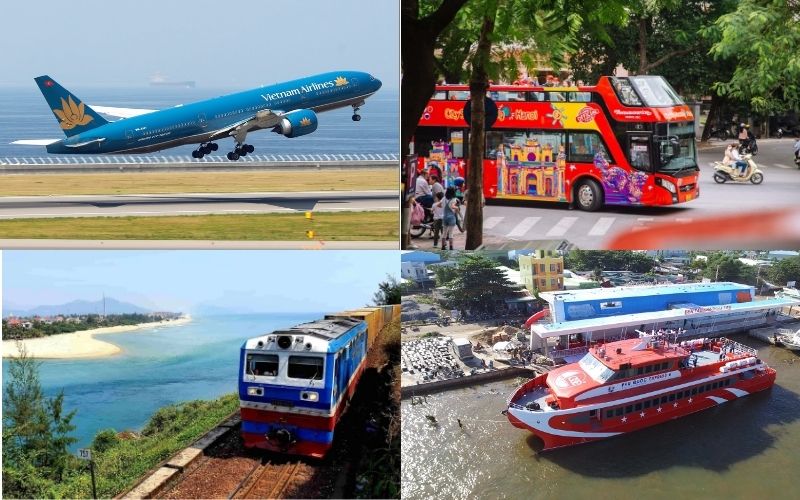
Direct Flight — Fastest Option
A direct flight is by far the fastest and easiest way to travel from Da Nang to Phu Quoc. Direct flights operate daily on the Da Nang–Phu Quoc route, with around 5 flights per day from VietJet Air and Sun PhuQuoc Airways. The flight takes about 1 hour 45 minutes. The flight itself takes around 1 hour 45 minutes, making it ideal for travelers with limited holiday time.
This option is recommended for:
- Families traveling with children.
- Couples on a short vacation.
- Business travelers.
- Visitors who want to maximize their time on Phu Quoc Island.
Although airfare is generally higher than overland transportation, booking several weeks in advance often results in much better prices.
As a local tip, try choosing flights that arrive before sunset. The journey from Phu Quoc International Airport to most resorts is short, and arriving during daylight makes hotel transfers much easier.
Train + Ferry — Budget Adventure Option
For travelers who enjoy slow travel, the Da Nang to Phu Quoc train route combined with a ferry offers one of the most memorable journeys in Vietnam. Instead of simply reaching your destination, you experience several regions of the country along the way.
The journey normally includes:
- Train from Da Nang to Ho Chi Minh City.
- Sleeper bus to Rach Gia or Ha Tien.
- High-speed ferry to Phu Quoc.
The total travel time is usually 26–30 hours, depending on transfer times. Although considerably longer than flying, many visitors consider the railway journey itself one of the highlights because of the changing scenery and relaxed pace.
This option is best suited for:
- Backpackers.
- Rail enthusiasts.
- Long-term travelers.
- Visitors exploring several destinations across Vietnam.
From a local guide’s perspective, adding one overnight stay in Ho Chi Minh City makes this route much more enjoyable. You can rest properly before continuing toward the Mekong Delta and avoid rushing between transport connections.
Bus + Ferry — Cheapest Option
The bus and ferry combination is usually the lowest-cost way to reach Phu Quoc without flying. Long-distance sleeper buses depart from Da Nang toward Ho Chi Minh City before continuing to either Rach Gia or Ha Tien, where passengers transfer to a high-speed ferry.
Although this route can take 24–30 hours, transportation costs remain very affordable compared with flights. Modern sleeper buses include reclining beds, air conditioning, charging ports, and scheduled rest breaks throughout the trip.
This option is suitable for:
- Backpackers on a tight budget.
- Students.
- Travelers with flexible schedules.
A useful local tip is to carry a light blanket or hoodie. Air conditioning on Vietnamese sleeper buses is often cooler than many international visitors expect.
Train + Flight — Best of Both Worlds
Many experienced travelers consider this the best balance between comfort and sightseeing.
Instead of completing the entire Da Nang to Phu Quoc train overland journey, you travel by train to Ho Chi Minh City before taking a short domestic flight to Phu Quoc.
Advantages include:
- Enjoy Vietnam’s famous railway experience.
- Save almost an entire day compared with bus and ferry travel.
- Avoid multiple long road transfers.
- Reduce the risk of weather-related ferry delays.
The total journey generally takes around 18–22 hours, depending on your train arrival and flight schedule. If you have around one week in Vietnam, this combination usually provides the best overall experience without feeling rushed.
Side-by-Side Comparison: Time, Cost & Comfort
The table below summarizes the main transportation choices from Da Nang to Phu Quoc.
| Transportation Option | Travel Time | Estimated Cost | Comfort | Best For |
| Direct Flight | 1.5–2 hours | USD 80–200 | ★★★★★ | Fast travel, families |
| Train + Ferry | 26–30 hours | USD 50–110 | ★★★★☆ | Scenic travel, backpackers |
| Bus + Ferry | 24–30 hours | USD 40–60 | ★★★☆☆ | Lowest budget |
| Train + Flight | 18–22 hours | USD 90–180 | ★★★★★ | Balanced comfort and sightseeing |
Travel Budget: Da Nang to Phu Quoc
Planning your transportation budget in advance makes it easier to choose the right route and avoid unexpected costs. Whether you travel by train, bus, ferry, or flight, the total expense will depend on your chosen transport, comfort level, and how early you book your tickets.
Cost of Train Tickets
The railway portion of the Da Nang to Phu Quoc train journey offers several ticket classes.
Typical one-way fares include:
| Ticket Type | Estimated Price |
| Hard Seat | 600,000–800,000 VND |
| Soft Seat | 700,000–1,000,000 VND |
| Hard Sleeper | 900,000–1,300,000 VND |
| Soft Sleeper | 1,200,000–1,800,000 VND |
Cost of Ferry Tickets
After reaching either Rach Gia or Ha Tien, you must purchase a ferry ticket to Phu Quoc.
Average one-way ferry prices include:
- Ha Tien → Phu Quoc: 200,000–300,000 VND.
- Rach Gia → Phu Quoc: 250,000–350,000 VND.
Premium seating may cost slightly more, but the standard cabin is comfortable for most travelers. A useful local tip is to arrive at the ferry terminal at least 45–60 minutes before departure, especially during weekends and Vietnamese public holidays.
Total Budget Estimate for Each Route
The overall transportation budget varies depending on your chosen route.
| Route | Estimated Total Cost |
| Direct Flight | USD 80–200 |
| Train + Ferry | USD 50–110 |
| Bus + Ferry | USD 40–60 |
| Train + Flight | USD 90–180 |
Remember to include small additional expenses such as:
- Taxi between stations.
- Meals during long transfers.
- Hotel accommodation if staying overnight in Ho Chi Minh City.
- Airport or ferry terminal transfers in Phu Quoc.
Tips to Save Money on the Journey
Whether you choose a flight or the Da Nang to Phu Quoc train route, a few simple strategies can help reduce transportation costs.
- Book train and flight tickets two to four weeks in advance whenever possible.
- Travel on weekdays instead of weekends or public holidays.
- Choose soft sleeper cabins instead of luxury private compartments.
- Purchase combined bus and ferry tickets if available, as they are often slightly cheaper than buying each leg separately.
- Bring snacks and a reusable water bottle for long train or bus rides instead of purchasing everything onboard.
- If you have a flexible schedule, compare both Rach Gia and Ha Tien ferry departures. Sometimes one route offers lower fares or shorter waiting times.
From a local guide’s experience, many travelers focus only on ticket prices and overlook transfer time. Spending a little more on a better train cabin or a convenient flight often saves energy and allows you to enjoy more time relaxing on Phu Quoc instead of recovering from a long journey.
Practical Tips for the Da Nang to Phu Quoc Journey
Careful planning can make a significant difference when traveling from Da Nang to Phu Quoc. The following tips cover ticket booking, luggage preparation, and useful local advice to help you complete your Da Nang to Phu Quoc train journey with confidence.
Best Time to Book Tickets in Advance
Booking your transportation early gives you more choices and better prices. This is especially important if you plan to travel during Vietnam’s peak tourist seasons or public holidays.
As a general guide:
- Train tickets: Book 2–4 weeks in advance for regular travel and 6–8 weeks ahead for Tet (Vietnamese Lunar New Year) or major holidays.
- Domestic flights: Reserve at least 3–4 weeks early to secure lower fares.
- Ferry tickets: Book 1–3 days in advance during the low season and several days earlier during weekends or holidays, as seats can sell out quickly.
If you are combining several transport methods, book your train or flight first before arranging buses and ferries. This gives you more flexibility if schedules change. As a local guide, I also recommend avoiding very tight connections. Leave at least three hours between your train arrival and your next departure, especially if transferring in Ho Chi Minh City.
What to Pack for a Long Journey
Packing smart can make a long trip much more comfortable. Since the journey may last over a full day, bringing a few essential items will help you stay comfortable throughout the trip.
Consider packing:
- A reusable water bottle.
- Light snacks such as fruit, crackers, or nuts.
- A power bank for charging electronic devices.
- A travel pillow and eye mask.
- Headphones or earplugs.
- Wet wipes and hand sanitizer.
- A lightweight jacket or hoodie for air-conditioned trains and buses.
- Motion sickness medication if you plan to take the ferry.
Downloading offline maps, entertainment, or translation apps before departure is also helpful because mobile signals can become weak in some rural areas.
Luggage & Baggage Allowance on Trains & Ferries
Vietnam’s trains generally provide generous luggage space, making them a convenient option for travelers carrying large suitcases. Most passengers can store luggage above their seats or at the end of each carriage without additional charges.
For ferries to Phu Quoc:
- Small carry-on bags can usually be taken into the passenger cabin.
- Larger suitcases may need to be placed in the designated luggage area.
- Keep valuables such as passports, electronics, and medications with you during the crossing.
If you plan to continue directly to your hotel after arriving in Phu Quoc, pack a small day bag with essential items so you do not need to unpack your larger luggage immediately.
Food & Rest Stops Along the Way
Food is easy to find throughout the journey. Trains usually sell simple meals, instant noodles, drinks, coffee, and snacks onboard. At larger stations, local vendors often offer fresh Vietnamese dishes at reasonable prices.
Sleeper buses normally stop every two to three hours at roadside service areas where you can:
- Use the restroom.
- Buy drinks and snacks.
- Enjoy a quick Vietnamese meal.
- Stretch your legs before continuing the journey.
As a local recommendation, avoid carrying seafood or strongly scented food onto trains or buses. Simple meals such as bánh mì, sticky rice, fruit, or packaged snacks are easier to eat and more considerate for other passengers.
Da Nang & Phu Quoc Combined Itinerary
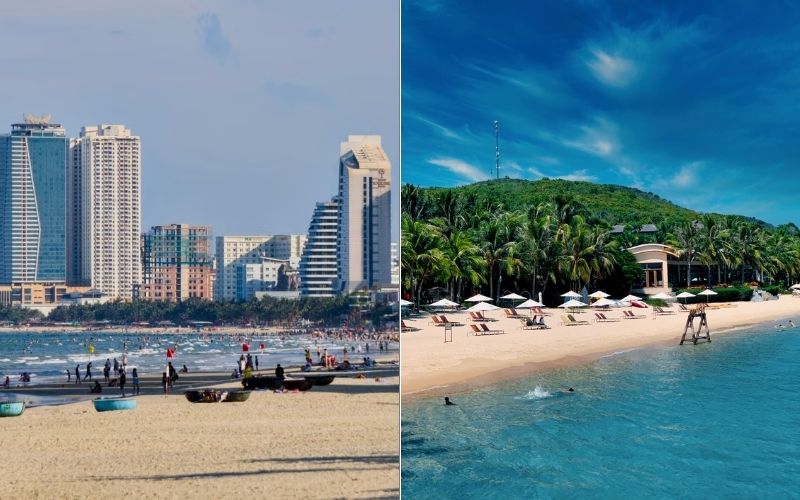
If you have enough time, visiting both Da Nang and Phu Quoc is a rewarding choice. The following itineraries provide practical ideas for organizing your Da Nang to Phu Quoc train journey while leaving enough time to enjoy each destination.

7-Day Itinerary: Da Nang + Phu Quoc
A seven-day trip is ideal for travelers with limited vacation time.
Days 1–3: Da Nang
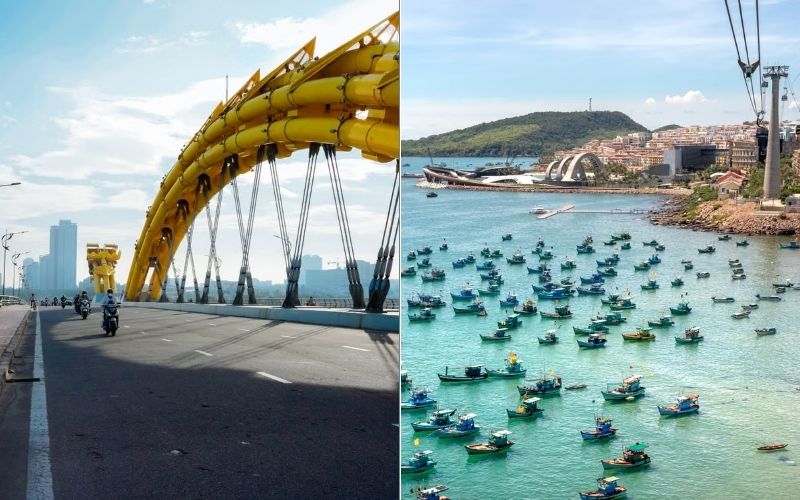
- Visit My Khe Beach and Dragon Bridge.
- Explore the Marble Mountains.
- Take a day trip to Hoi An Ancient Town.
- Enjoy local specialties such as Mi Quang and fresh seafood.
Days 4–7: Phu Quoc
- Relax at Long Beach or Khem Beach.
- Ride the Hon Thom Cable Car.
- Visit Sunset Town and Kiss Bridge.
- Explore Duong Dong Night Market.
- Join a snorkeling or island-hopping tour.
10-Day Deep Dive Itinerary
If you have more time, a ten-day itinerary offers a slower and more rewarding experience.
Days 1–5: Da Nang Region
- Explore Da Nang’s city attractions.
- Spend one full day in Hoi An.
- Visit Ba Na Hills.
- Take a scenic drive over Hai Van Pass or visit Hue if time permits.
- Enjoy Da Nang’s cafés and riverside nightlife.
Days 6–10: Phu Quoc
- Spend a full day island hopping around the An Thoi Archipelago.
- Visit VinWonders or Vinpearl Safari.
- Explore local pepper farms or fish sauce factories.
- Relax at your beach resort.
- Watch the sunset from Ong Lang Beach or Sunset Sanato.
This itinerary offers a better balance between sightseeing and relaxation while reducing the feeling of constantly moving between destinations.
Is It Worth Combining Both Destinations?
Absolutely. Da Nang and Phu Quoc complement each other very well because they offer different travel experiences. Da Nang is ideal for culture, food, and outdoor attractions, while Phu Quoc is better suited for beach holidays and water activities. Many visitors find that spending three to four days in Da Nang followed by four to six days in Phu Quoc creates a comfortable pace without excessive travel.
From a local guide’s perspective, avoid trying to visit too many destinations within a single week. Vietnam is a long country, and frequent transfers can quickly become tiring. Instead, focus on enjoying each location at a relaxed pace. You will have more time to experience local food, discover hidden cafés, watch beautiful sunsets, and appreciate what makes both Da Nang and Phu Quoc unique.
Frequently Asked Questions (FAQ)
Is There a Direct Train from Da Nang to Phu Quoc?
No, there is no direct train.
How Long Does It Take to Get from Da Nang to Phu Quoc?
Around 14–30 hours depending on route.
What Is the Cheapest Way to Get from Da Nang to Phu Quoc?
Train + bus + ferry combination.
What Is the Fastest Way to Get from Da Nang to Phu Quoc?
Direct flight.
How Do I Book Train Tickets from Da Nang Online?
Use Vietnam Railways or travel agencies.
Is the Train Journey from Da Nang Scenic & Worth It?
Yes, especially the coastal and countryside views.
How Far Is Da Nang from Phu Quoc?
Around 900–1,000 km.
Can I Travel from Da Nang to Phu Quoc Without Flying?
Yes, using train + bus + ferry options.
Need help planning your Da Nang to Phu Quoc journey? Contact Lily’s Travel today! Whether you choose a direct flight or the Da Nang to Phu Quoc train route, planning multiple transfers can be challenging. With more than 15 years of experience and over 2,000 five-star Tripadvisor reviews, Lily’s Travel helps international travelers create smooth itineraries across Vietnam. From transportation advice to unforgettable cultural tours, their local experts make exploring Vietnam easier and more enjoyable.
The Da Nang to Phu Quoc train may not be a direct railway journey, but it remains an excellent option for travelers who want to experience more of Vietnam along the way. Whether you choose a train and ferry combination or a faster flight, careful planning will help you enjoy a smooth and memorable trip. By comparing routes, transportation costs, and travel times, you can select the option that best fits your budget and itinerary. No matter how you travel, both Da Nang and Phu Quoc promise unforgettable experiences that showcase the diverse beauty of Vietnam.