



Banh trang rice paper is a familiar sight in Vietnam, found in homes, street stalls, and restaurants across the country. It is made from basic ingredients, yet it supports a wide range of dishes that appeal to both locals and visitors. Many travelers are surprised by how one type of rice paper can be used in so many different ways. From light meals to bold-flavored snacks, banh trang adapts easily to different tastes and eating styles. Its popularity also makes it a common topic among food-loving tourists who want to understand Vietnamese street food better.

What is banh trang rice paper?
Banh trang rice paper is a traditional Vietnamese food item made from rice and water. It can be very thin and soft or slightly firm and crisp. Its texture depends on how it was made and what ingredients were added. In its simplest form, banh trang is dried rice batter formed into flat sheets.
These sheets can be used in many dishes. Some are eaten fresh. Others are grilled or mixed into snacks. Rice paper sheets are light and easy to carry. This makes them ideal for street food and snacks in Vietnam. Many travelers first notice rice paper when they eat spring rolls or grilled rice paper snacks on the street.
It looks simple, but it plays an important role in Vietnamese food. Locals use it in daily meals and festive foods. Banh trang rice paper connects many traditional dishes and local food experiences.
Origin and cultural significance of banh trang rice paper
The history of banh trang rice paper goes back many generations in Vietnam. It started in rice-growing regions where families used rice for many foods. People discovered that rice soaked, ground, and spread thin could be dried and stored. Over time, this method became a regular food practice. In some villages, banh trang making became a local craft.
One famous place is Trang Bang in Tay Ninh province. The special dew-wetted rice paper from this region is now recognized as a national cultural heritage.
The production of rice paper was a way for rural families to make food that lasts longer. It also became something people shared during meals and festivals. Today, rice paper is part of many traditions. In some areas, it appears in rituals and celebrations. In others, it is simply part of everyday meals.
Throughout Vietnam, local rice paper styles reflect regional tastes and customs. For travelers, tasting and learning about banh trang gives insight into local culture. It shows how simple ingredients like rice can shape food habits and traditions over time.
Types of banh trang rice paper in Vietnam
Vietnam has many different kinds of banh trang rice paper. Each type tastes different and looks unique. Travelers can try many of them in markets, stalls, and food shops. The varieties range from soft and chewy to crunchy and dry. They are used in different dishes and snacks. Learning about these types helps travelers know what to order and how they are eaten.
Banh trang cuon rice paper
Banh trang cuon rice paper is the most familiar type for tourists. It is soft and flexible when moistened with a little water. Locals use it to wrap fresh herbs, meats, noodles, and vegetables.
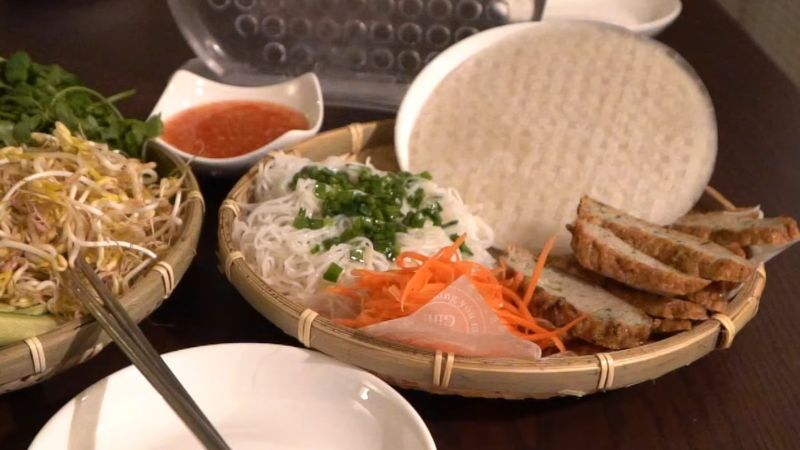
This rice paper is perfect for fresh rolls like Goi cuon or wraps with grilled pork. Its neutral taste lets other flavors stand out. Many cafes and street vendors serve dishes with this type because it is easy to use and delicious.
Banh trang nuong rice paper
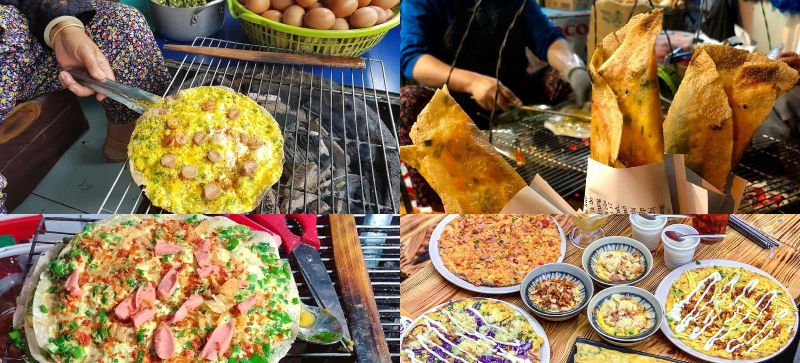
Banh trang nuong rice paper is a favorite street snack, especially at night markets. It is grilled over charcoal until crispy.

Sometimes toppings like egg, scallions, dried shrimp, or sauces are added. Many travelers look for a local banh trang nuong recipe so they can recreate this popular “Vietnamese pizza” at home after their trip.
Banh trang tron rice paper
Banh trang tron rice paper is a type used in mixed rice paper salads. The rice paper is cut into strips and tossed with spices, tamarind sauce, dried shrimp, chili, and other toppings.
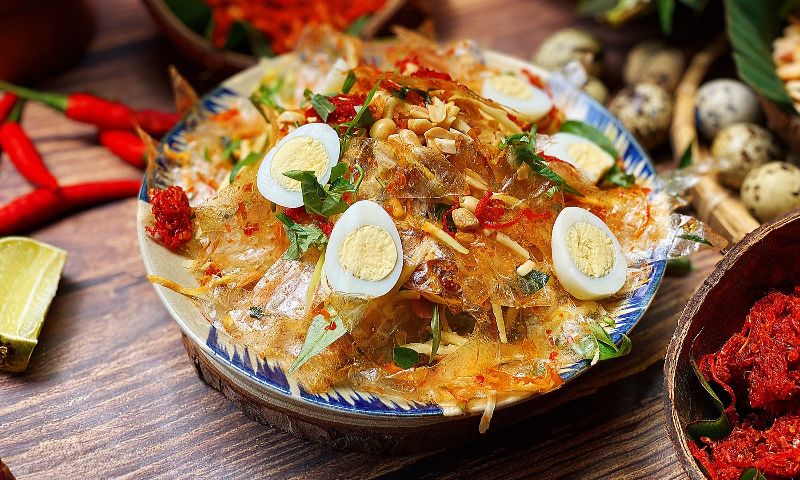
This snack is especially popular with young locals. It is flavorful, slightly spicy, and fun to eat. Travelers should try it with drinks or as a light street snack.
Banh trang deo and banh trang phoi suong
There are soft and chewy versions of rice paper, too. Banh trang deo feels stretchy and slightly chewy. It is often used in mixed snacks or eaten with toppings.
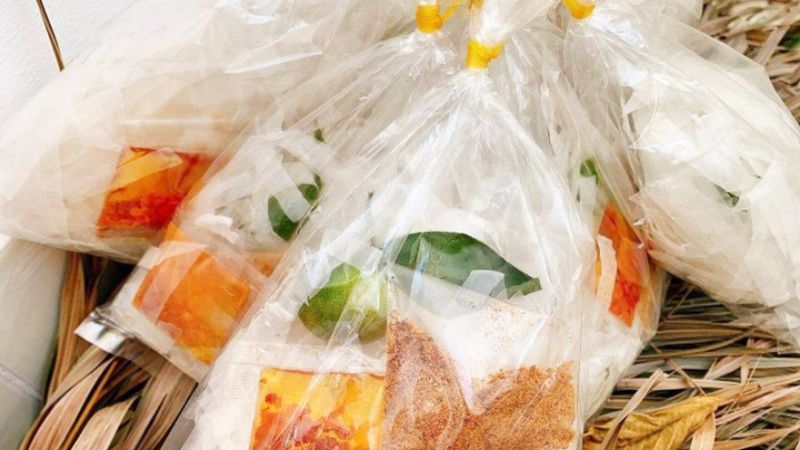
Banh trang phoi suong is a specialty from Trang Bang, Tay Ninh. It is dried with night dew, making it soft without soaking in water. Locals sometimes call it dew-dried rice paper. It can be eaten with boiled pork, wild herbs, or a dipping sauce. This kind has a unique aroma and texture not found elsewhere, so travelers often seek it out as a local specialty.
Other regional varieties
Beyond these, other types of banh trang rice paper mix in ingredients like sesame seeds, coconut, or herbs for extra flavor. Some rice papers are made thin and crispy for frying or baking. Others are thicker and used in specific regional dishes. These regional differences make exploring rice paper fun for food lovers.
How banh trang rice paper is made
The process of making banh trang rice paper is traditional and careful. First, rice is washed and soaked in water until it softens. Some villages soak the rice for many hours to improve the taste and texture.
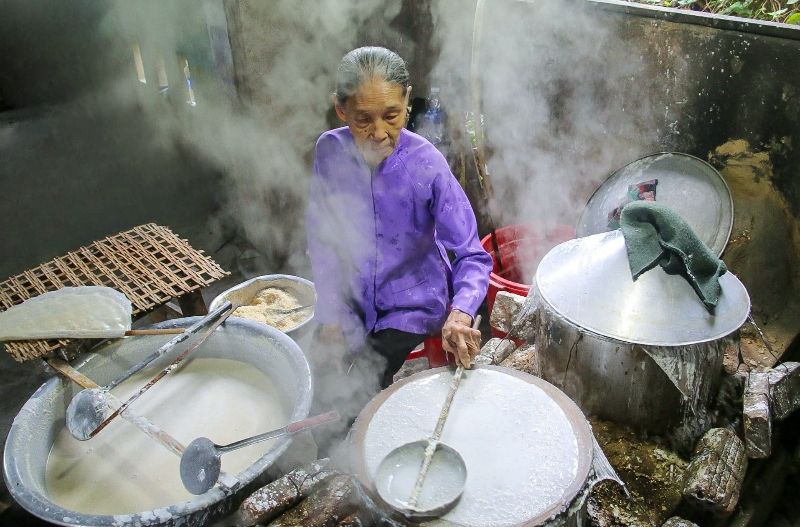
After soaking, the rice is ground into a fine batter. Water and sometimes salt are mixed in. This batter becomes the base for the rice paper sheets. Next, the batter is spread very thinly on a cloth over boiling steam. The steam cooks the batter almost instantly. Once set, the thin sheet becomes rice paper.
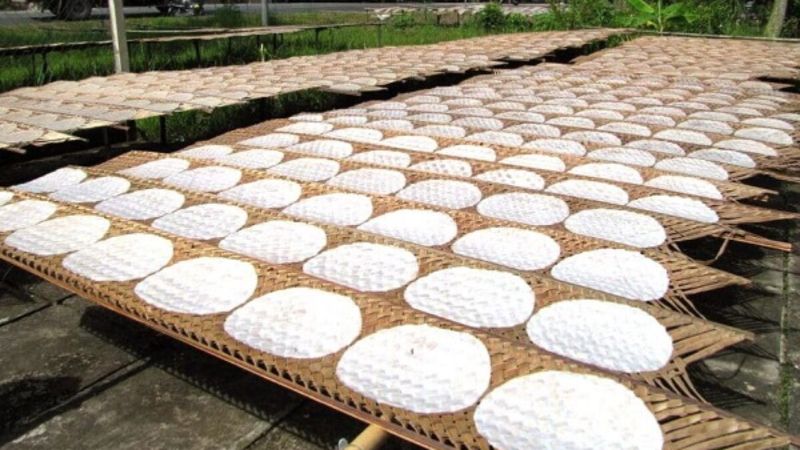
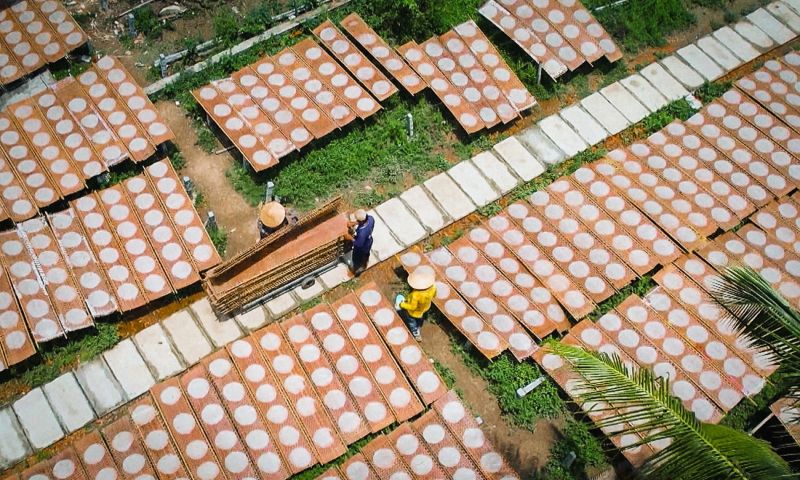
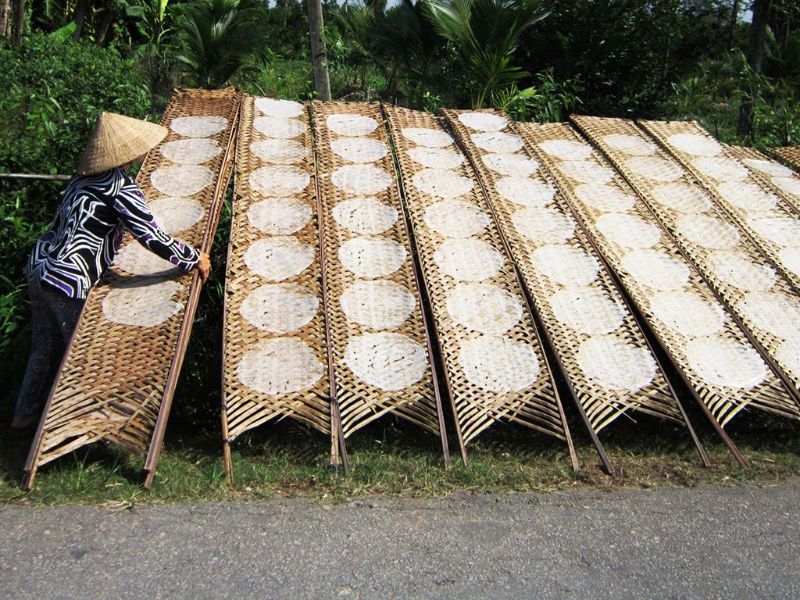
The fresh rice paper sheet is placed on bamboo racks to dry in the sun. Sunlight dries the rice paper slowly and gives it a firm, translucent look. In some places, people also bake or charcoal-toast the rice paper. This step adds flavor and texture. In Trang Bang, producers also leave rice paper out in the night dew after drying. The dew makes the paper soft and slightly chewy.
The whole process requires patience and skill. This is why banh trang rice paper tastes natural and light. Travelers can sometimes visit rice paper villages to see the process firsthand.
Popular dishes using banh trang rice paper
Banh trang rice paper is used in many Vietnamese dishes. It appears in fresh rolls, snacks, and street food favorites that travelers should try. One classic dish is Goi cuon. These are fresh spring rolls made with soft rice paper. Inside, you can find shrimp, pork, noodles, and herbs. They are served with tasty dipping sauces and are light to eat.
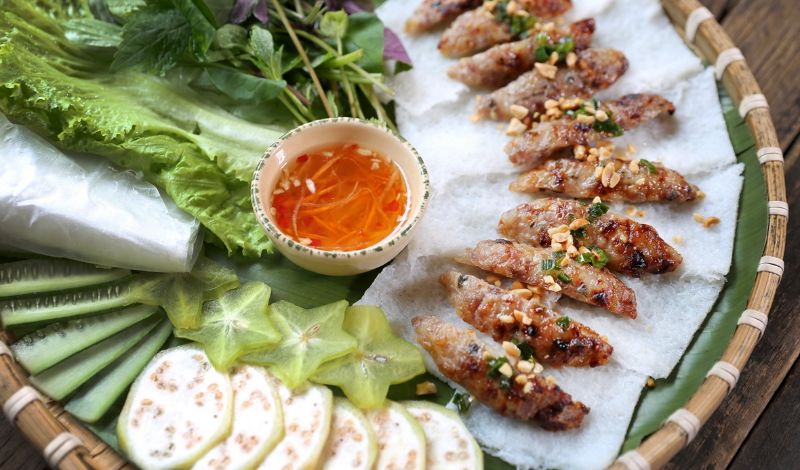
Another popular choice is Nem nuong cuon banh trang. This dish uses grilled pork sausage. The rice paper wraps the meat, fresh herbs, and sauce. It is a popular meal for lunch or dinner.
Banh trang nuong is one of the most popular street snacks. Travelers often ask about banh trang rice paper calories, especially because toppings like egg, butter, and dried shrimp are added. While it is flavorful, it is usually enjoyed as an occasional snack rather than a full meal.
Banh trang tron is another favorite, especially in cities. It is spicy, tangy, and addictive. At home, many locals follow a simple banh trang recipe by cutting rice paper into strips and mixing it with sauce, herbs, and toppings.
Other creative dishes use rice paper, too. Some places add butter, quail eggs, or herbs before rolling. Street food stalls often experiment with flavors. These popular dishes show how banh trang rice paper can be fresh, grilled, mixed, or wrapped. Travelers should try several kinds to taste different textures and flavors.
How to eat banh trang rice paper properly
Eating banh trang rice paper the right way helps you enjoy the texture and flavor better. First, if the rice paper is dry and hard, dip it in warm water for a few seconds. The goal is to make it soft and flexible, not sticky or soggy. Too much soaking may make it fall apart.
When you use the softened rice paper, lay it flat on your hand or on a plate. Place herbs, vegetables, and protein in the middle and roll it up tightly. This method works well for fresh wraps like Goi cuon or meat rolls.
If you have banh trang phoi suong from places like Tay Ninh, you may not need to soak it at all. This type is soft from the start and easier to use without water. For grilled snacks like banh trang nuong, eat them hot right after the vendor finishes cooking. This keeps the rice paper crispy and tasty. Do not wait too long because grilled rice paper can become chewy once it cools.
When eating banh trang tron, use your hands if you want a casual and fun experience. Pick up pieces and enjoy the mix of rice paper, herbs, and sauce together. Eating slowly helps you feel the balance of flavors. Trying local sauces like nước chấm or fermented anchovy sauce (mắm nêm) makes the experience even better. These sauces add saltiness and depth to the fresh rice paper rolls.
Where to try authentic banh trang rice paper in Vietnam
Vietnam is full of places to taste banh trang rice paper. Street food areas and local markets are great places to start. You will find vendors selling rice paper wraps, grilled rice paper, and mixed rice paper snacks almost everywhere.
In Ho Chi Minh City, many food streets and neighborhoods offer authentic rice paper dishes. Look for grilled rice paper stands near Turtle Lake or on Dinh Tien Hoang Street. These places are popular with locals and tourists alike.
Another famous spot in Ho Chi Minh City is Banh Trang Nuong 27 Lo Sieu, where you can try classic grilled rice paper. This place is known for its charcoal-grilled version with egg, scallion, and toppings. For soft rolls like banh trang cuon, shops such as Banh Trang Cuon Co Giang are worth trying. They serve fresh rice paper wraps with herbs, boiled meat, and dipping sauces.
If you are exploring central Vietnam, Da Nang has many local spots that serve rice paper wraps with boiled pork and fermented anchovy sauce. This dish is a local favorite and shows a unique regional style.
In Tay Ninh, you can taste regional rice paper like banh trang phoi suong and banh trang tron. Visit local markets or snack streets such as Nguyen Trai and Cach Mang Thang Tam for authentic mixed rice paper.
Markets and night food streets often have rice paper snacks in the late afternoon and evening. These places are great if you want a casual experience and to see how locals eat. Trying banh trang rice paper with locals gives you a real taste of Vietnamese food culture. It is easy to enjoy regardless of where you go, from big cities to small towns.
Banh trang rice paper as a souvenir
For many travelers, banh trang rice paper makes a great food-related souvenir from Vietnam. Dry rice paper is light and easy to carry in luggage without adding much weight. You can buy it in clear sealed packs at markets and specialty food stores. The dry versions are the best choice for souvenirs because they stay fresh longer and travel well without refrigeration.

One local favorite is the unique banh trang phoi suong from Tay Ninh. This dew-dried rice paper is soft and flavorful, and becomes a special gift packed in small bags. Many visitors buy packs of this type to share with friends at home. Keep in mind that some softer rice paper has a shorter lifespan, so check the expiry date before buying.
Other packaged rice paper types, including plain rice sheets or flavored varieties with sesame, are also popular souvenirs. Local producers often label the origin, so you know where it came from in Vietnam. Because dry rice paper can last for a long time when stored correctly, it makes a practical and thoughtful gift for family and friends.
Storage and shelf life of banh trang rice paper
When you bring banh trang rice paper home or buy it as a souvenir, proper storage helps it stay fresh and usable. Dry rice paper should be kept in a cool, dry place away from moisture. Exposure to humidity makes the sheets stick together or become moldy, so avoid damp areas in your bag or pantry.
Unopened packs of fully dry rice paper can have a long shelf life, often up to 12–24 months if stored well. Check the printed expiration or best-by date on the package to plan how long you can keep it. After opening a packet, seal it tightly or place the sheets in a zip-lock bag. This helps keep air out and prevents them from drying out too much. Keep the opened pack in a cupboard or pantry where it stays dry.
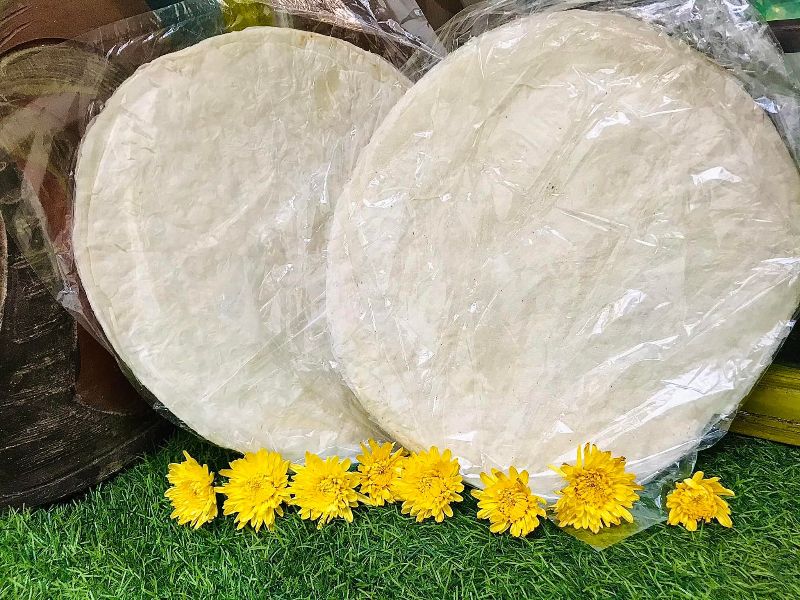
Special types, like banh trang phoi suong from Tay Ninh, have shorter natural shelf life because they retain some moisture. These are best eaten within a week or a short period unless frozen. If you want to keep these longer, you can freeze them and take them out when ready to eat. With simple storage care, banh trang rice paper stays fresh and ready for use in rolls, snacks, or recipes you want to try at home.
Taste real banh trang rice paper – reserve a food-focused tour with Lily’s Travel now. With more than a decade of experience and thousands of top reviews, Lily’s Travel designs tours that connect you with local markets, street food stalls, and home cooks. Their itineraries highlight regional culture and food heritage. The team uses local knowledge and careful research to create memorable experiences. They also use 4.0 tech to preview tours in 3D before you book.
Banh trang rice paper represents the balance and simplicity that define Vietnamese cuisine. Found across regions and prepared in many ways, it brings people together through shared meals and street food moments. For tourists, exploring banh trang dishes adds depth to any food journey in Vietnam and creates memorable experiences.