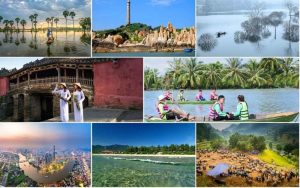



Phu Quoc, Vietnam’s “Pearl Island,” beckons travelers with dazzling beaches, wild jungles, and vibrant culture – a thrilling, chill getaway in one. However, to truly experience Phu Quoc at its finest, understanding its weather patterns is key. This comprehensive guide will help you pinpoint the best time to visit Phu Quoc for your perfect travel.
Overview of Phu Quoc weather and climate
Phu Quoc, a stunning island located in the Gulf of Thailand off the southwestern coast of Vietnam, is renowned for its pristine white-sand beaches and lush tropical landscapes. Popular attractions include the serene Sao Beach, Hon Thom, Vinpearls, Sunworld, Safari Phu Quoc, and the historic Phu Quoc Prison, offering a mix of natural beauty and cultural insight.
Located in southern Phu Quoc, this tropical island enjoys a warm climate all year round, with average temperatures ranging from 25°C to 30°C. The weather is generally divided into two main seasons: the dry season (November to April) and the rainy season (May to October), each offering a different travel experience.

During the dry season, the island sees plenty of sunshine, low humidity, and calm seas—perfect for beach activities and island hopping. In contrast, the rainy season brings higher humidity and more frequent showers, especially between August and September. However, rainfall often comes in short bursts rather than lasting all day. Sea conditions can be rougher during this time, which may affect boat tours and water activities.
Overall, Phu Quoc maintains a relatively stable tropical climate, making it a year-round destination depending on your travel preferences.
So when is the best time to visit?
If you’re looking for the best weather with sunny skies and calm waters, the period from November to April is generally considered the ideal time to visit Phu Quoc.
Dry season in Phu Quoc (November to April) – Best time to visit
The dry season is widely considered the best time to visit Phu Quoc, especially if you’re planning a beach-focused trip. With stable weather, clear skies, and calm seas, this period offers the most reliable conditions for enjoying the island at its best. Whether you’re traveling for relaxation or outdoor adventures, this is when Phu Quoc truly shines.

During the dry season, Phu Quoc experiences its most stable and enjoyable weather of the year, making it ideal for nearly all outdoor and beach activities. This period is defined not just by sunshine, but by a combination of favorable climate factors that create a truly comfortable tropical environment.
Average daytime temperatures range between 25°C and 30°C, with little fluctuation throughout the season. Early mornings and evenings tend to be slightly cooler, especially between December and February, making it pleasant for both daytime exploration and nighttime activities.
Rain is minimal during these months, with some weeks seeing no rain at all. If showers do occur, they are typically light and short-lived, rarely affecting travel plans. This is a major advantage compared to the wetter months when rain can be more unpredictable.
Humidity levels are noticeably lower than in the rainy season, usually hovering around 60–75%. This makes the heat feel less intense and far more comfortable for sightseeing, beach relaxation, and long days outdoors.
You can expect 7–9 hours of sunshine per day, with consistently clear or partly cloudy skies. This is what gives the dry season its reputation as the most photogenic time to visit, especially for beach views and sunset scenes.
The ocean is at its calmest during this period, particularly along the west and southwest coasts of Phu Quoc. Waves are gentle, and water clarity is high, creating perfect conditions for swimming, snorkeling, and boat tours. Ferry routes and island-hopping excursions also operate more reliably thanks to stable sea conditions.
The dry season is influenced by the northeast monsoon, which brings dry air and relatively gentle winds. These winds help keep the weather cool and reduce humidity, without significantly affecting sea travel.
Best things to do in dry season
The favorable weather during the dry season opens up a wide range of activities across Phu Quoc. This is the perfect time to fully experience what the island has to offer.
Ideal for beach activities
With clear blue skies, abundant sunshine, and calm seas, this is the best time to go to Phu Quoc Vietnam, inviting you to a world where worries dissolve like sea spray. Imagine sinking your toes into the powder-soft sands of Bai Dai and Bai Sao, where the water’s clarity mirrors the sky above. Here, time slows, allowing you to savor the tranquil beauty of Vietnam’s island jewel

The tranquil, turquoise sea invites you to plunge into a world of vibrant coral reefs and playful marine life. Best things to do in Phu Quoc are to dive, or strap on scuba gear, and explore a kaleidoscope of underwater wonders. For the ultimate diving experience, time your visit between December and March. During these months, the sea transforms into a crystal-clear stage, offering breathtaking visibility and calm, inviting waters – a true diver’s paradise.
Perfect for exploration and sightseeing
The pleasant weather makes it the best time to travel to Phu Quoc Vietnam for exploring the island’s diverse nature. You can embark on a safari adventure at Vinpearl, where exotic creatures roam freely, their calls echoing through the vibrant landscape.

Together with this, nothing can beat the experience of trekking through the emerald depths of Phu Quoc National Park, where ancient trees stand sentinel and hidden waterfalls cascade into cool pools. This is Phu Quoc at its most vibrant, a playground for nature lovers and thrill-seekers alike.
Breathtaking sunsets
Phu Quoc’s sunsets spin an enchanting saga, with skies bursting in crimson, violet, and amber, reflected by a sea frozen in hushed awe. Along Sao Beach or quiet cliffs, the sun plunges, painting the sky with reckless abandon, while distant junks drift like ghosts across the shimmering canvas.

Cau Hon (Kiss Bridge) is one of the top preferred spots to enjoy stunning sunset. Diving into the orange and pink hues can create a truly relaxing and happy feeling.
However, it’s important to note that the dry season is also the peak travel season in Phu Quoc. You can expect more crowds at popular attractions and higher prices for accommodations and flights. Therefore, it is highly recommended to book your tickets and accommodation well in advance (1 or 2 months) book Phu Quoc tours to secure your preferred options and potentially get better deals.
Pros and cons of visiting in dry season
The dry season is often seen as the ideal time to explore Phu Quoc, but like any peak travel period, it comes with both advantages and trade-offs. Understanding these will help you decide whether it truly fits your travel style and budget.
Pros:
- Best weather of the year: Sunny skies, low rainfall, and comfortable humidity create perfect conditions for outdoor activities.
- Calm and clear sea: Ideal for swimming, snorkeling, diving, and island hopping with high visibility underwater.
- Full travel experience: Most tours, water activities, and attractions operate at full capacity with minimal weather disruptions.
- Beautiful scenery: Clear skies and vibrant sunsets make this the most photogenic time to visit.
Cons:
- Peak tourist crowds: This is the busiest time on Phu Quoc, especially from December to February, so beaches and attractions can feel crowded.
- Higher prices: Flights, hotels, and tours tend to be more expensive due to high demand.
- Need for early booking: Popular accommodations and experiences can sell out quickly, requiring advance planning.
The rainy season: A quieter and greener Phu Quoc
From May to October, the wet season envelops Phu Quoc, ushering in increased humidity and regular downpours, yet the tropical climate ensures that warmth persists. Throughout these months, average temperatures generally fluctuate between 26°C and 28°C (78.8°F to 82.4°F).
While the dry season is generally recommended, the Phu Quoc rainy season (May to October) can also be a good time to visit Phu Quoc Vietnam for travelers seeking a different experience.
Weather conditions during rainy season
From May to October, Phu Quoc enters its monsoon-influenced period, bringing higher humidity and more frequent rainfall. However, the weather is not constantly bad as many people assume.
Rain is more frequent, especially between August and September, which are typically the wettest months. Showers often come in short, heavy bursts rather than lasting all day, leaving plenty of dry periods in between. Humidity levels are higher, often reaching 80–90%, which can make the atmosphere feel more intense, especially during midday.
Temperatures remain warm, generally ranging from 26°C to 31°C, with slightly less variation than in the dry season. The air can feel hotter due to increased humidity. There are fewer sunny hours compared to the dry season, with more cloudy skies. However, it’s still possible to get sunshine in the mornings or between rain showers.
The sea becomes rougher, particularly on the west coast of Phu Quoc. Waves are stronger, and water visibility is lower, which can affect swimming, snorkeling, and boat tours. This period is affected by the southwest monsoon, bringing moist air and stronger winds, which contribute to rougher seas and changing weather patterns.
Best things to do in rainy season
Although the weather can be unpredictable, the rainy season in Phu Quoc still offers a wide range of enjoyable activities, especially if you plan flexibly around the rain. Instead of focusing only on beaches, this is the perfect time to explore a different, more local and relaxing side of the island.
One-of-a-kind festivals
Between May and October, Phu Quoc comes alive with a variety of thrilling festivals that showcase its rich cultural heritage. One of the most outstanding events is the Traditional Boat Racing Festival on April 30th at Dinh Cau Beach. This activity highlights Phu Quoc’s maritime culture, blending athleticism and tradition in a lively, community-driven celebration.

Explore local markets and food culture
The rainy season is perfect for diving into Phu Quoc’s culinary scene. You can visit places like Dương Đông Market to try fresh seafood, local street food, and regional specialties. Rain doesn’t affect these indoor or semi-covered spaces much, and you’ll experience a more authentic, less touristy vibe.
Visit cultural and historical sites
Many attractions remain accessible regardless of weather. Spots like Phu Quoc Prison or temples such as Dinh Cau Temple are great for short visits between rain showers. These places offer insight into the island’s history and culture beyond its beaches.
Discover Phu Quoc’s lush nature and waterfalls

This is when the island is at its greenest. Waterfalls like Suoi Tranh or Suoi Da Ban are more impressive during the rainy season, with stronger water flow and vibrant surroundings. Light trekking is possible, but it’s best to go when it’s not raining heavily.
Pros and cons of visiting in rainy season
Traveling during the rainy season in Phu Quoc comes with clear trade-offs, depending on what you prioritize.
Pros:
- Lower prices: Flights and hotels are significantly cheaper compared to peak season
- Fewer crowds: Enjoy a more peaceful and less touristy atmosphere
- Lush scenery: The island is greener and more vibrant after frequent rain
Cons:
- Unpredictable weather: Sudden rain showers can disrupt plans
- Rough sea conditions: Some boat tours and water activities may be limited or canceled
- Lower visibility underwater: Not ideal for snorkeling or diving
The transitional months: A pleasant balance
If you can’t make it during the dry season but want to avoid the heavier rains of the peak rainy season, your best time to visit Phu Quoc Vietnam. This time offers a peaceful break between the storms with pleasant weather and fewer crowds.
Not too hot, low chance of heavy rain
The temperature is generally not too hot during these months, and the chances of rain ruining your plans are low. You might experience a cool climate with gentle breezes, perfect for outdoor activities without excessive heat.

Enjoying the changing nature
In April, the weather starts transitioning, becoming less sunny, but the rain hasn’t fully arrived yet. This can be considered the best time to visit Phu Quoc island Vietnam for a peaceful stroll on the beach with the light scent of rain in the air. By October, the rainy season is ending, with less rainfall. Phu Quoc is covered in a lush green after the rains, offering opportunities to explore dense forests, rich plant life, and hidden waterfalls.
Ideal for birdwatching
These months are also ideal for birdwatching in a peaceful environment.

Phu Quoc offers a rewarding experience with over 119 bird species to spot, thanks to the island’s lush national park covering nearly 60% of its area. The best times to observe these feathered residents are just before sunrise and at sunset, especially in the northeast section of the island.
Savoring Phu Quoc’s flavors: Best local food to enjoy
Phu Quoc is a paradise for food lovers, offering a rich variety of dishes that highlight the island’s unique culinary heritage. Being an island, seafood is a must-try, always fresh and prepared in diverse local styles.

Here are some other best foods in Phu Quoc you shouldn’t miss:
- Herring Salad (Gỏi Cá Trích): A signature dish made with thinly sliced fresh herring, mixed with vegetables, herbs, grated coconut, fried garlic, and chili, offering a refreshing and flavorful experience.
- Ham Ninh Steamed Sentinel-Crab (Ghẹ Hàm Ninh): Fresh and sweet crabs from Ham Ninh Village, best enjoyed simply steamed and dipped in a sauce of black pepper, salt, and lime juice. The Hàm Ninh Fishing Village is the best place to savor these.
- Stirred noodle soup (Bún quậy): is a flavorful noodle soup made with its dry noodle base, tossed in a savory mix of spices and paired with a rich, tangy broth on the side.
- Grilled Sea Urchin (Nhum Biển Nướng): A delicious combination of salty and tangy flavors, often grilled with salt, pepper, and lime, or with scallion oil and roasted peanuts. The Phu Quoc Night Market and Hàm Ninh Fishing Village are great spots to find this.
- Grilled Mackerel (Cá Sòng Nướng): Mackerel marinated with spices and grilled over an open flame, resulting in a crispy and flavorful dish. It’s often enjoyed rolled in rice paper with herbs and vegetables.
- Crab Rice (Cơm Ghẹ): Fragrant white rice combined with fresh boiled crab, fried eggs, and a special sauce, a rustic and satisfying dish found in many Phu Quoc restaurants.
- Stirring Rice Noodles (Bún Quậy): Freshly made rice noodles with a fragrant broth of minced shrimp and fish paste, where diners prepare their own dipping sauce. Popular spots include Bún Quậy Kiến Xây and Bún Quậy Thanh Hùng.
- Rose Myrtle Wine (Rượu Sim): A unique local wine made from fermented sim berries, offering a sweet and slightly tangy flavor, perfect to pair with seafood. You can sample this at Sim wine factories like Bay Gao Sim Wine and Sim Son Winery.
- Melaleuca Mushroom Dishes (Nấm Tràm): The rainy season is when these unique mushrooms thrive. You can enjoy various local dishes made with them, from soups to stir-fries.
While most of these delicacies are available throughout the year due to the island’s abundant seafood, the experience of enjoying them might be enhanced by the seasonal weather. For instance, enjoying fresh seafood on a sunny beach during the dry season is a classic Phu Quoc experience. Conversely, trying mushroom dishes during a refreshing rainy day can also be delightful.
Tips to avoid bad weather from ruining your trip
Even during the generally dry season, unexpected weather changes can occur. Here are some tips to help you navigate Phu Quoc’s weather and minimize disruptions:
- Check the weather forecast regularly before and during your trip. This will help you plan your daily activities accordingly.
- Pack appropriate clothing for the season you are visiting. For the dry season, bring light and comfortable clothes, swimwear, sunscreen, and a hat. For the rainy season, pack lightweight, quick-drying clothes, a raincoat or poncho, and waterproof shoes or sandals.
- Be flexible with your plans, especially if you are visiting during the rainy season. Have backup indoor activities in mind in case of heavy rain.
- Consider purchasing a local SIM card for easy access to weather updates and online resources.
- Book accommodations in advance, especially during the peak dry season, to secure your preferred options and potentially better rates. Consider resorts that offer indoor amenities and activities in case of rain.
- Check weather conditions and sea conditions beforehand if planning boat tours during the rainy season, and be prepared for potential cancellations.
- Bring mosquito repellent, especially if you plan to explore natural areas, as insect activity can be higher during the rainy season.
By understanding Phu Quoc’s seasonal weather patterns and following these tips, you can decide the best time to visit Phu Quoc for yourself. So, start planning your adventure and get ready to discover the enchanting charm of Phu Quoc.
If you are not sure when is the best time to visit Phu Quoc and how to organize your journey, let Lily’s Travel be your fellow-traveller. With 15 years of operation in the travel industry, we have gained a reputation for detailed itineraries, exciting journeys, and 24/7 help.
Lily’s Travel can ensure to bring you a memorable trip for all the right reasons, no matter when you choose to visit. Contact us through Tel/WhatsApp/Viber: +84931152368