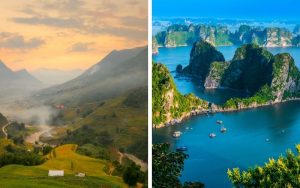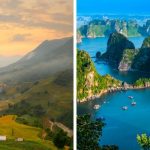



When planning a trip to Northern Vietnam, many travelers face the same question: Ha Giang or Sapa? Both destinations offer stunning mountain landscapes, rich ethnic cultures, and unforgettable outdoor adventures. However, they provide very different travel experiences. Sapa is famous for its terraced rice fields, trekking routes, and comfortable tourism infrastructure. Ha Giang is known for dramatic mountain passes, remote villages, and the legendary Ha Giang Loop. Choosing between Ha Giang and Sapa depends on your travel style, budget, and expectations. This guide will help you compare every important aspect so you can decide which destination suits your journey in 2026.
Ha Giang vs Sapa at a Glance
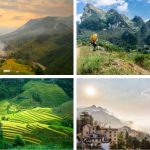
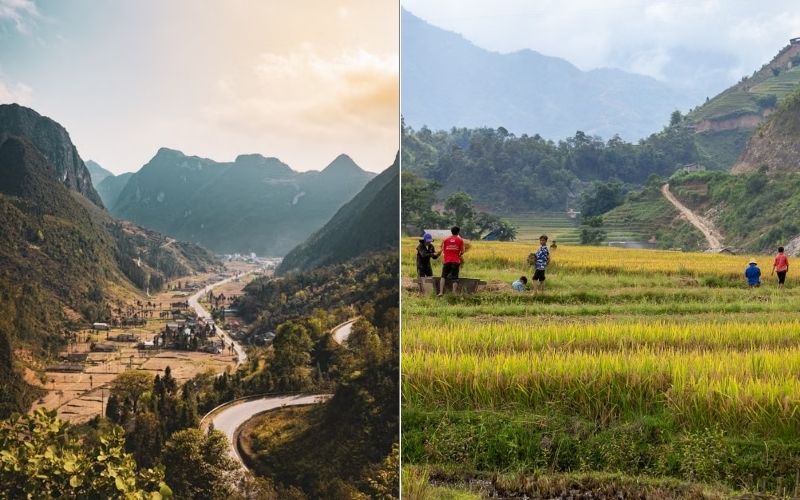
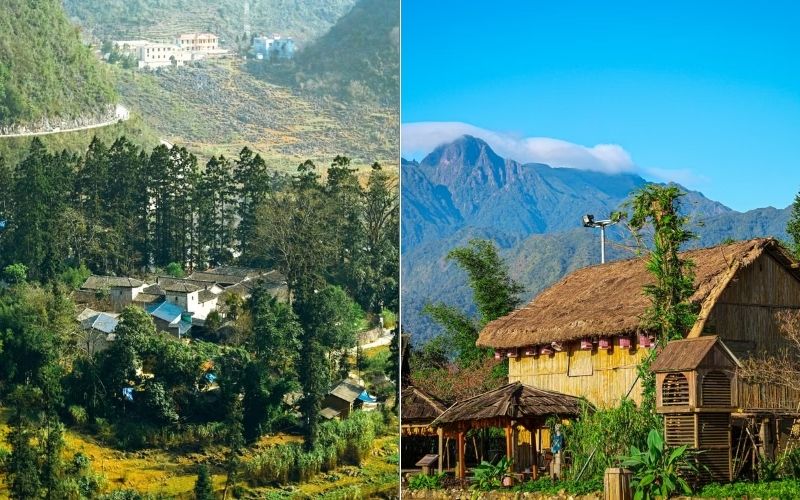
Choosing Ha Giang or Sapa depends on the type of experience you want in Northern Vietnam. Both offer stunning mountain scenery but cater to different travel styles. Sapa is ideal for first-time visitors, with easy access from Hanoi, developed tourism facilities, famous rice terraces, trekking routes, ethnic villages, and Fansipan Mountain. The atmosphere is lively and tourist-friendly.
Ha Giang is more remote and adventurous, known for dramatic limestone mountains, winding roads, ethnic communities, and the famous Ha Giang Loop, one of Vietnam’s most scenic road trips. In simple terms, Sapa offers a comfortable mountain getaway, while Ha Giang delivers a more authentic and adventurous experience. Choose Sapa for convenience and trekking, or Ha Giang for road trips, remote landscapes, and cultural immersion.
| Category | Ha Giang | Sapa |
| Best For | Adventure travelers | First-time visitors |
| Main Activity | Ha Giang Loop | Trekking |
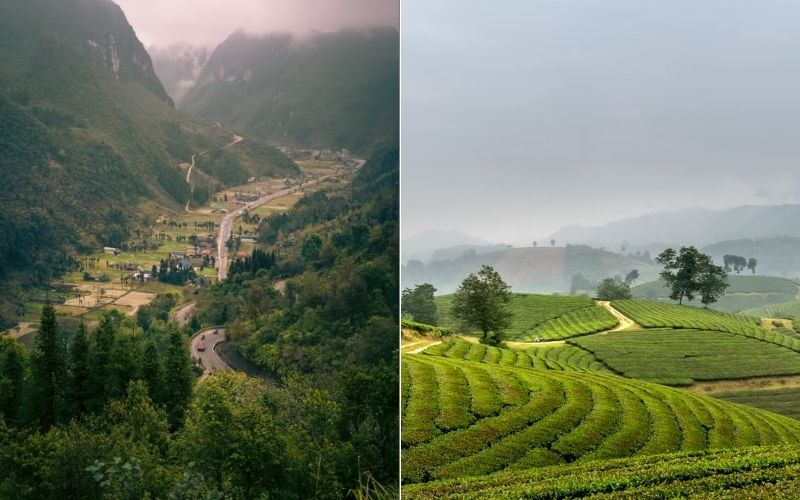
| Landscape | The Rocky Mountains and deep valleys | Rice terraces and green valleys |
| Atmosphere | Remote and authentic | Developed and lively |
| Tourist Numbers | Lower | Higher |
| Accommodation | Homestays and guesthouses | Budget hotels to luxury resorts |
| Transportation | Motorbike-focused | Trekking, taxi, cable car |
| Ideal Stay | 3–5 days | 2–4 days |
One important point many travelers overlook is travel pace. Sapa allows you to see many highlights within a short visit. Ha Giang requires more time because distances are longer and roads are slower. If you only have a few days in Northern Vietnam, Sapa may be the more practical option. If you have a full week or more, Ha Giang becomes much more rewarding.
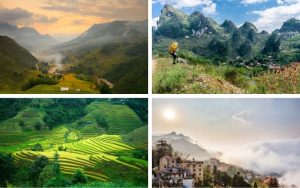
Another difference is photography. Sapa is famous for its terraced rice fields that change colors throughout the year. Ha Giang is famous for dramatic mountain passes and vast limestone landscapes. Photographers often love both destinations, but for different reasons.
Geographic & Cultural Overview
Before diving into the details, it helps to understand how each destination’s location and cultural heritage shape the overall travel experience.
Where Is Ha Giang? — Vietnam’s Northernmost Frontier
Ha Giang Province lies about 300 kilometers north of Hanoi along Vietnam’s border with China. It is one of the country’s most remote mountain regions and remains far less developed than many other tourist destinations, helping preserve its natural landscapes and local traditions.
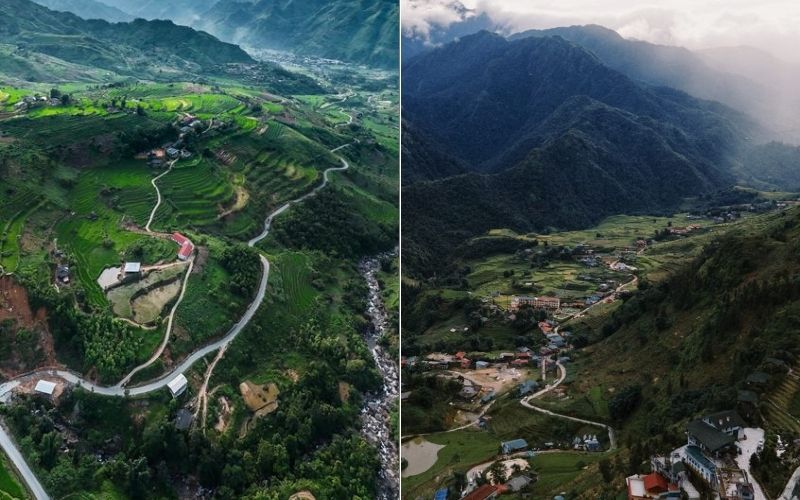
The province is known for towering limestone peaks, deep valleys, and winding mountain roads. Much of the area forms part of the Dong Van Karst Plateau, a UNESCO Global Geopark famous for its dramatic scenery.
A local tip: don’t rush through Ha Giang. While viewpoints like Ma Pi Leng Pass are spectacular, some of the most memorable experiences happen in small villages where traditional ways of life remain strong.
Where Is Sapa? — The Classic Northern Highland Retreat
Sapa is located in Lao Cai Province, around 320 kilometers from Hanoi. Sitting at roughly 1,600 meters above sea level, it is surrounded by the Hoang Lien Son mountain range and overlooked by Fansipan, the highest peak in Vietnam.
Originally developed as a French colonial hill station, Sapa has become one of Vietnam’s most popular mountain destinations. Visitors come for its cool climate, trekking routes, ethnic villages, and iconic rice terraces.
Despite its mountain setting, Sapa is easy to navigate, with plenty of hotels, restaurants, and tourist services. For a quieter experience, consider staying in villages such as Ta Van or Lao Chai rather than in the town center.
Key Differences in Landscape, Terrain & Atmosphere
The landscape is often the deciding factor when choosing Ha Giang or Sapa.
| Ha Giang | Sapa |
| Massive limestone mountains | Layered rice terraces |
| Narrow mountain passes | Rolling hills |
| Deep canyons | Green valleys |
| Remote valleys | Scenic mountain viewpoints |
| Rugged, rocky terrain | Dense forests |
Ha Giang’s scenery feels dramatic and constantly changing, with winding roads leading through mountain passes and isolated valleys. The scale of the landscape is one of its biggest attractions.
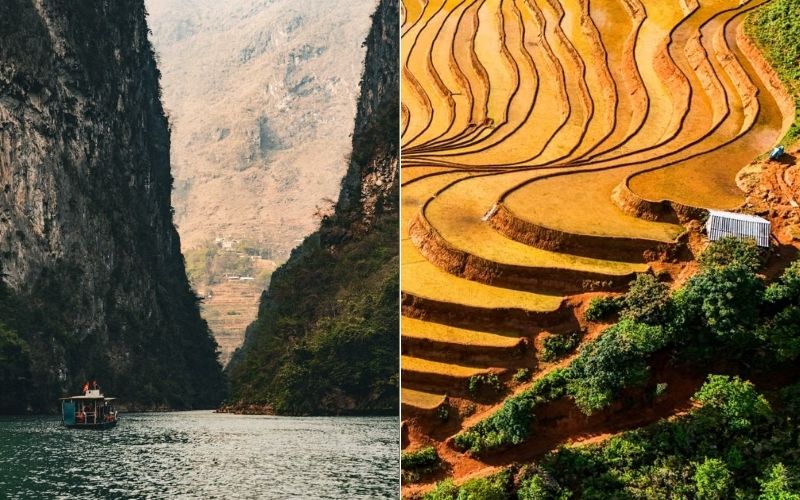
Sapa’s beauty comes from its famous rice terraces, shaped by local communities over generations. Depending on the season, the fields appear as reflective pools or vibrant golden slopes.
The atmosphere is equally different. Ha Giang feels remote, adventurous, and less touristy, while Sapa offers a more comfortable and social travel experience with greater tourism infrastructure.
Cultural Diversity and Ethnic Heritage
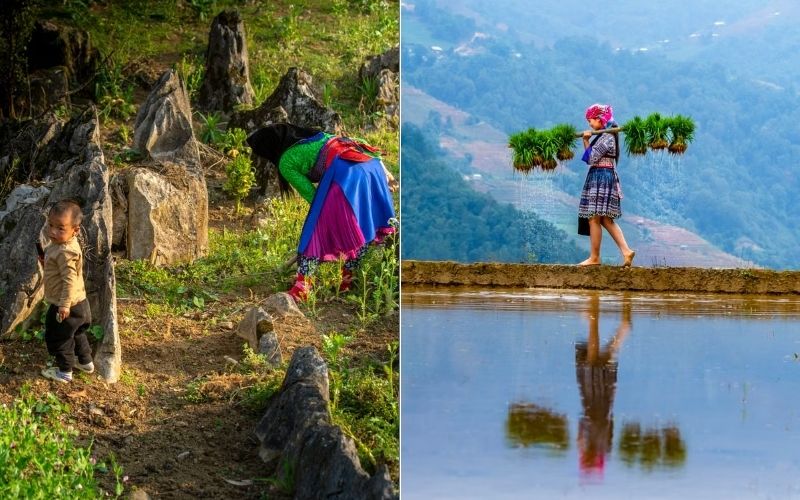
One of the highlights of both destinations is the chance to experience Vietnam’s ethnic minority cultures. Ha Giang is home to more than 19 ethnic groups, including the Hmong, Tay, Dao, Nung, and Lo Lo peoples. Many communities continue to preserve traditional architecture, clothing, and customs.
Sapa is known for groups such as the Black Hmong, Red Dao, Tay, and Giay. Visitors often encounter local culture while trekking through villages or staying in family-run homestays. A simple way to deepen your experience is to spend time talking with local hosts. Learning about daily life, farming traditions, and community customs often leaves a stronger impression than the scenery itself.
For cultural immersion, both destinations are rewarding. Ha Giang generally feels more authentic and less commercialized, while Sapa offers easier access to villages and cultural experiences. The best choice depends on whether you value convenience or authenticity most.
Climate & Best Time to Visit
The weather can significantly impact your experience when choosing Ha Giang or Sapa. Both destinations are located in Northern Vietnam’s mountainous region, but differences in altitude and geography create distinct climate patterns throughout the year.
Ha Giang Weather & Seasons
Ha Giang experiences four distinct seasons. The landscape changes dramatically throughout the year, making every visit unique.
Spring (February–April) is one of the most pleasant times to visit. Temperatures are comfortable, flowers begin blooming across the mountains, and visibility is often good for sightseeing. Plum blossoms, peach blossoms, and pear flowers add color to the valleys and villages.
As a local guide, Lily’s Travel often recommends March and April for travelers who want pleasant weather without large tourist crowds. The roads are generally dry, and the mountains remain lush after winter.
Summer (May–August) brings warmer temperatures and greener scenery. Rice terraces begin to fill with water, and vegetation becomes vibrant. However, this is also the rainy season. Afternoon showers are common, and occasional landslides can affect mountain roads. If you plan to ride the Ha Giang Loop during the summer, start your day early. Morning weather is often clearer and safer for driving.
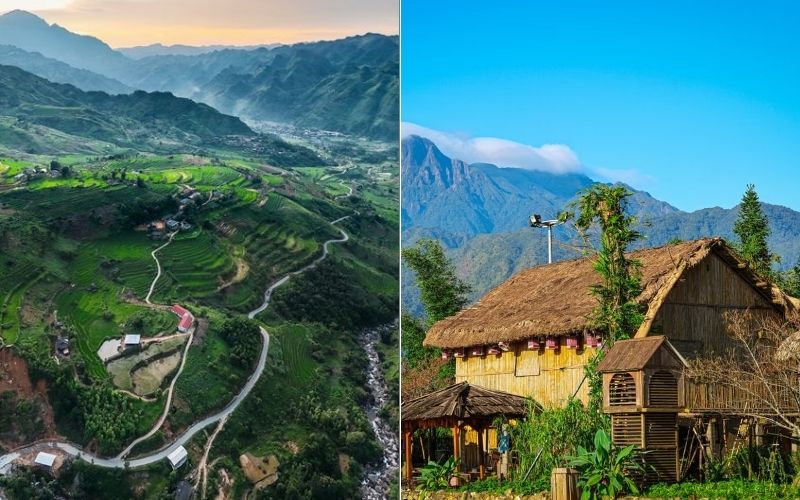
Autumn (September–November) is considered the best season in Ha Giang. The skies are often clearer, temperatures are comfortable, and visibility across the mountain ranges improves. This period also includes the famous buckwheat flower season, which transforms the rocky plateau into fields of pink, white, and purple blooms.
October and November are especially popular among photographers because the combination of flowers, limestone mountains, and cool weather creates some of the most beautiful scenery in Northern Vietnam.
Winter (December–January) can be surprisingly cold. Temperatures in higher elevations occasionally drop close to freezing. Morning fog is common, particularly around mountain passes. If you visit during winter, pack layers, gloves, and a warm jacket. The views can still be spectacular, but weather conditions may change quickly.
Sapa Weather & Seasons
Sapa sits at approximately 1,600 meters above sea level, giving it one of Vietnam’s coolest climates.
Spring (February–April) offers mild temperatures and blooming flowers throughout the valleys. Trekking conditions are usually excellent because trails are relatively dry and temperatures remain comfortable during the day.
Summer (May–August) is warmer but still cooler than most lowland destinations in Vietnam. Rice terraces become bright green as farmers begin the growing season. This is one of the most visually impressive times to visit. However, summer also brings rainfall. Trails can become muddy, and mountain views may occasionally be hidden by clouds.
Autumn (September–November) is arguably Sapa’s most famous season. The rice terraces turn golden before harvest, creating the iconic scenery that appears in many travel photographs. If photography is your priority, late September and early October are often considered the best times to visit Sapa. The weather is generally pleasant, and the terraces are at their most colorful.
Winter (December–January) transforms Sapa into a completely different destination. Temperatures can drop very low, and frost occasionally appears on mountain peaks. In rare years, snowfall occurs around Fansipan and nearby high-altitude areas. For travelers who enjoy cool weather and cloud-covered mountains, winter offers a unique atmosphere that cannot be found elsewhere in Vietnam.
Month-by-Month Comparison: When to Visit Each Destination
The best destination often depends on the month of your trip.
| Month | Ha Giang | Sapa |
| January | Cold and quiet | Cold, misty, possible frost |
| February | Flower season begins | Pleasant spring weather |
| March | Excellent riding conditions | Great trekking weather |
| April | Comfortable temperatures | Clear skies and mild climate |
| May | Green valleys and rice fields | Bright green terraces |
| June | Lush scenery with occasional rain | Green season continues |
| July | Wet but beautiful | Wet but vibrant |
| August | Rainy season | Rainy season |
| September | Clear weather and golden rice | Harvest season |
| October | Buckwheat flowers begin | Golden terraces |
| November | Peak buckwheat season | Cool and clear |
| December | Cold mountain landscapes | Winter atmosphere |
Which Destination Has Better Weather Year-Round?
There is no clear winner when comparing Ha Giang or Sapa for weather. Sapa generally offers cooler temperatures throughout the year. This makes it comfortable for trekking and sightseeing.
Ha Giang offers greater seasonal variety. The scenery changes dramatically from flower season to harvest season and from green valleys to rocky mountain landscapes. If you want predictable conditions and easier travel, Sapa may be the better choice. If you enjoy changing landscapes and dramatic mountain scenery, Ha Giang offers more seasonal diversity.
As a local recommendation, September through November provides the best overall conditions for both destinations. During these months, the weather is generally pleasant, the landscapes are beautiful, and the visibility is often at its best.
Top Attractions & Experiences
One of the biggest factors when deciding between Ha Giang and Sapa is the type of attractions you want to experience. Ha Giang focuses on dramatic mountain scenery, road trips, and remote cultural encounters. Sapa combines trekking, rice terraces, ethnic villages, and iconic mountain viewpoints. Both destinations deserve several days of exploration.
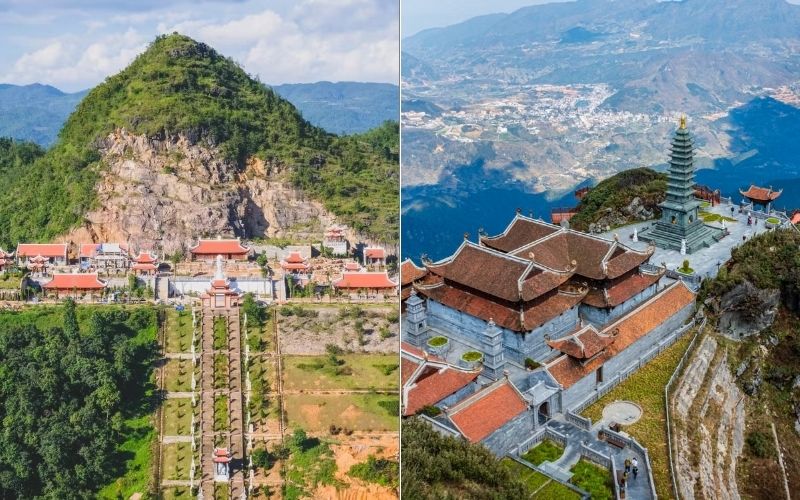
Ha Giang Must-See: Dong Van Karst Plateau Geopark
The Dong Van Karst Plateau is the heart of Ha Giang’s tourism appeal. This UNESCO Global Geopark contains some of Vietnam’s oldest geological formations. Massive limestone mountains rise from deep valleys, creating landscapes unlike anywhere else in the country.
Many travelers focus only on famous viewpoints. However, some of the most rewarding experiences come from stopping in small villages, exploring local markets, and simply enjoying the changing scenery along the road. Early morning is often the best time to visit because visibility is better and traffic is lighter.
Ha Giang Must-See: Ma Pi Leng Pass & Nho Que River
Ma Pi Leng Pass is often described as the most spectacular mountain road in Vietnam. The road winds along towering cliffs and overlooks the emerald-green Nho Que River hundreds of meters below. Many travelers consider this the highlight of the entire Ha Giang Loop.
As a local tip, plan to spend more than a few minutes here. Many visitors stop only for photos. Instead, consider taking a boat trip on the Nho Que River. Viewing the canyon from below provides a completely different perspective. Sunrise and late afternoon usually offer the best lighting for photography.
Ha Giang Must-See: Lung Cu Flag Tower — Vietnam’s Northernmost Point
Lung Cu Flag Tower stands near Vietnam’s border with China and symbolizes the country’s northern frontier. After climbing to the top, visitors enjoy panoramic views of mountains, valleys, and small villages scattered across the landscape. The journey itself is part of the experience. The road leading to Lung Cu passes through traditional communities and some of the most scenic sections of the Dong Van Plateau.
Ha Giang Must-See: Buckwheat Flower Fields (October — November)
Buckwheat flowers have become one of Ha Giang’s most recognizable symbols. During late October and November, fields of flowers spread across valleys and mountain slopes, creating beautiful contrasts against the gray limestone landscape. Popular viewing areas include Sung La Valley, Pho Cao, Sa Phin, and sections near Ma Pi Leng Pass. For photographers, early morning provides the softest light and the fewest crowds.
Sapa Must-See: Fansipan — “Roof of Indochina”
Fansipan is the highest mountain in Vietnam and throughout Indochina. Visitors can reach the summit by cable car or by trekking. The cable car offers spectacular aerial views of valleys, forests, and mountain ridges. If weather conditions are clear, the summit provides views that stretch across much of Northwestern Vietnam. Arrive early in the morning whenever possible. Clouds often become thicker later in the day.
Sapa Must-See: Muong Hoa Valley & Rice Terraces
Muong Hoa Valley contains some of Vietnam’s most famous rice terraces. The landscape changes dramatically depending on the season. During planting season, the terraces resemble giant mirrors reflecting the sky. During harvest season, they transform into layers of gold.
Many local guides consider this area the best representation of traditional mountain agriculture in Northern Vietnam. Walking through the valley allows visitors to experience both natural beauty and local village life.
Sapa Must-See: Cat Cat & Ta Van Ethnic Villages
These villages provide accessible introductions to the region’s ethnic cultures. Cat Cat Village is close to Sapa Town and is easy to visit independently. Ta Van offers a quieter atmosphere and more opportunities for overnight homestays. If possible, spend a night in Ta Van instead of making a quick day trip. The village becomes much more peaceful after day visitors leave.
Sapa Must-See: Ham Rong Mountain & Cloud Hunting
Ham Rong Mountain sits near the center of Sapa Town and provides one of the easiest viewpoints in the area. Visitors can enjoy gardens, mountain scenery, and panoramic views without traveling far from town. Cloud hunting is another popular activity. During certain mornings, low clouds fill the valleys below while mountain peaks remain visible above the mist. For the best chance of seeing this phenomenon, wake up before sunrise and monitor weather forecasts the day before.
Ethnic Minority Culture & Trekking Experience
For travelers interested in local traditions, village life, and authentic interactions, both destinations offer rewarding experiences.
Ethnic Groups in Ha Giang — Hmong, Lo Lo, Tay & More
Ha Giang is one of the most culturally diverse provinces in Vietnam. More than 19 ethnic groups live throughout the region, including the Hmong, Tay, Dao, Nung, and Lo Lo communities. Each group has its own language, clothing, customs, and festivals.
As you travel through the province, you may notice dramatic differences between villages. Traditional Hmong houses are often built from packed earth and stone. Tay communities are known for their stilt houses located in valleys near rivers. The Lo Lo people are famous for their colorful traditional clothing and unique cultural heritage.
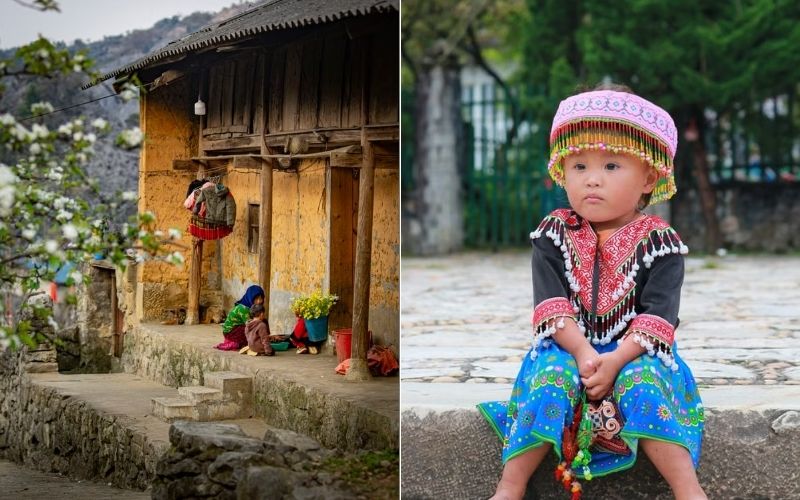
One of the most memorable aspects of visiting Ha Giang is seeing everyday life unfold naturally. Farmers work on steep mountain slopes. Children walk long distances to school. Local families gather at weekly markets to trade goods and socialize.
As a local guide, I always recommend slowing down when passing through villages. Many travelers rush between viewpoints. However, spending even thirty minutes exploring a village often creates stronger memories than taking another photograph from a mountain pass.
Ethnic Groups in Sapa — Black Hmong, Red Dao & Tay
Sapa is home to six major ethnic groups. The most visible communities are the Black Hmong, Red Dao, Tay, Giay, and Xa Pho peoples. The Black Hmong and Red Dao communities are especially well known among international visitors.
The Black Hmong people are recognized by their indigo-dyed clothing and strong connection to the rice terraces of Muong Hoa Valley. Many trekking routes pass through Black Hmong villages such as Lao Chai and Y Linh Ho.
The Red Dao community is best known for its bright red headdresses, traditional embroidery, and herbal bathing traditions. Visitors often encounter Red Dao families in Ta Phin Village, where herbal bath experiences remain an important part of local culture.
One common mistake travelers make is assuming that all ethnic groups in Sapa share the same culture. In reality, each group has its own language, traditions, and history. Learning about these differences adds much more meaning to a village visit.
Cultural Immersion: Homestay Experience Compared
In Ha Giang, homestays often feel more authentic because tourism remains less developed. Guests usually stay in family homes or traditional village houses. Meals are often prepared using ingredients from nearby farms. Evening conversations around the dinner table can provide valuable insight into local life.
In Sapa, homestays are generally more comfortable and accessible. Many have modern facilities while still offering cultural experiences. Because tourism is more established, hosts are often experienced in welcoming international guests.
If your goal is comfort and convenience, Sapa may be the better choice. If you want a deeper sense of authenticity and rural life, Ha Giang often provides a more immersive experience. A useful tip is to stay at least one night in a village rather than making a quick day trip. Many visitors discover that the most memorable moments happen after the daytime crowds leave.
Local Markets: Ha Giang’s Sunday Markets vs Sapa’s Bac Ha Market
In Ha Giang, weekly markets remain essential gathering places for local communities. Markets such as Dong Van Market and Meo Vac Market attract people from surrounding villages. Visitors can see traditional clothing, local agricultural products, livestock trading, and everyday social interactions.
These markets are not simply tourist attractions. They continue to function as important community centers where people buy goods, exchange news, and meet friends. Near Sapa, Bac Ha Market is one of the most famous ethnic markets in Vietnam. Colorful traditional clothing, handmade crafts, fresh produce, and local foods create a lively atmosphere. Many ethnic groups travel long distances to participate in market day activities.
As a local recommendation, arrive early in the morning. The market is busiest shortly after sunrise. This is when you can experience the most authentic atmosphere and take the best photographs.
Trekking & Adventure Activities
Ha Giang is famous for motorbike adventures and scenic road trips. Sapa is known for trekking, hiking, and mountain exploration. The right choice depends on how you like to experience nature.
Ha Giang Loop — The Ultimate Motorbike Adventure
The Ha Giang Loop is widely considered one of the most spectacular road trips in Southeast Asia. The route typically covers around 350 kilometers and passes through mountain passes, valleys, ethnic villages, and remote landscapes. Most travelers complete the loop in three to five days.
Popular stops include:
- Quan Ba Heaven Gate
- Yen Minh
- Dong Van
- Ma Pi Leng Pass
- Meo Vac
- Du Gia
The constantly changing scenery is what makes the journey so special. One hour, you may be riding through towering limestone mountains. The next hour, you may find yourself crossing a peaceful valley surrounded by rice fields.
As a local guide, I strongly advise inexperienced riders to choose an easy-rider tour rather than driving independently. The roads are beautiful but demanding. Weather conditions can change quickly, and some sections require full concentration. Travelers who do not want to ride a motorbike can also experience the route by car.
Sapa Trekking Routes — Beginner to Advanced
Trekking is the signature activity in Sapa. The region offers routes suitable for all fitness levels.
Popular beginner routes include:
- Cat Cat Village
- Lao Chai
- Ta Van
Intermediate trekkers often explore:
- Giang Ta Chai
- Ban Ho
- Nam Cang
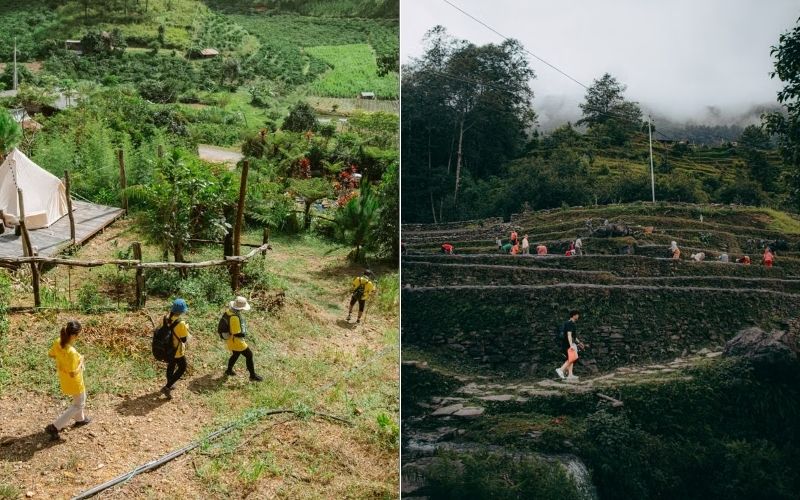
Experienced hikers may attempt longer routes or multi-day mountain treks. Muong Hoa Valley is the main trekking corridor in the region and contains many of Sapa’s most famous rice terrace landscapes.
One local tip is to start trekking early in the morning. Clouds often become thicker later in the day. Early departures also help avoid crowds on popular trails.
Difficulty Level Comparison: Ha Giang vs Sapa
Ha Giang challenges travelers through long driving days, winding roads, changing weather, and mountain terrain. The journey can be physically tiring even when riding with an experienced driver.
Sapa presents a different type of challenge. Trekking routes often involve steep climbs, muddy trails during the rainy season, and several hours of walking. However, travelers can choose routes that match their fitness level.
For most visitors, Sapa offers more flexibility because route difficulty can be adjusted.
Guided Tours vs Independent Travel in Each Destination
Both destinations can be explored independently, but local guides often improve the experience.
In Ha Giang, guides help travelers navigate mountain roads, discover hidden viewpoints, and learn about local cultures.
In Sapa, local guides provide valuable insight into village life, agriculture, traditions, and trekking routes. Many travelers report that trekking with local ethnic guides adds significant cultural value to the experience.
As a local recommendation, consider hiring a guide for at least one day, even if you prefer independent travel. A knowledgeable local can explain cultural details, farming practices, and village history that would otherwise go unnoticed.
Food & Culinary Scene
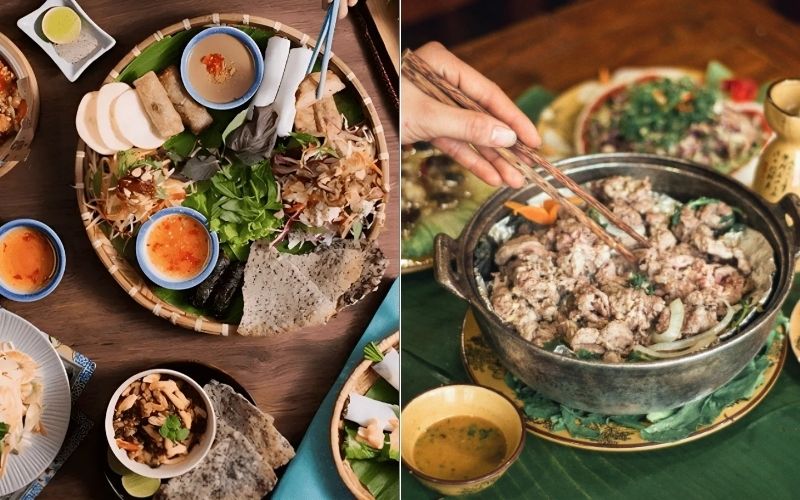
Both destinations reflect ethnic minority traditions, with ingredients often sourced from nearby mountains, forests, rivers, and farms, and their cooler climates make hotpots, stews, grilled meats, and hearty dishes especially popular. The main difference is variety: Sapa has more restaurant choices thanks to its larger tourism industry, while Ha Giang is better known for traditional local dishes and family-run eateries.
Local Specialties: Ha Giang’s Rustic Flavors vs Sapa’s Highland Cuisine
When deciding between Ha Giang or Sapa, the food experience is another important difference. Both destinations showcase the rich culinary traditions of Northern Vietnam, but they offer very different dining styles.
If you enjoy rustic mountain cuisine and recipes that have been preserved for generations, Ha Giang is the better choice. Many specialties are closely connected to ethnic minority communities and are still prepared using traditional cooking methods. Dishes such as Thang Co, smoked buffalo meat (Thit Trau Gac Bep), Au Tau porridge, buckwheat cake, bamboo tube rice, and free-range mountain pork reflect the simple yet distinctive flavors of the rocky highlands. Many of the best meals are served in family-run homestays, where recipes are passed down through generations.
Sapa, on the other hand, offers a broader culinary scene that blends traditional ethnic dishes with modern restaurants and tourism-oriented dining. Thanks to its cool climate, the region is well known for fresh salmon and sturgeon, which are commonly prepared as hotpots. Other local favorites include black chicken cooked with medicinal herbs, grilled mountain pork, bamboo sticky rice, buffalo jerky, and seasonal forest vegetables. Visitors can easily find both authentic local eateries and restaurants that present Northwest cuisine with a more contemporary touch.
Street Food Culture: Ha Giang vs Sapa
Street food is another area where Ha Giang or Sapa offers very different experiences.
If you enjoy simple roadside eateries where local residents gather for breakfast or dinner, Ha Giang will feel more authentic. Small family-run stalls serve specialties such as Au Tau porridge, sour pho, steamed rice rolls, grilled meats, and traditional noodle dishes at affordable prices. Many of these places have little English signage, but that is part of the charm. Dining here offers a genuine glimpse into everyday mountain life.
Sapa has a livelier and more tourist-friendly street food scene. Around the town center and Sapa Night Market, visitors can sample grilled skewers, roasted chestnuts, barbecue dishes, colorful sticky rice, local cakes, and hot herbal drinks. The wider variety of restaurants also means travelers can alternate between traditional ethnic cuisine, Vietnamese classics, cafés, and even international dishes.
Street Food Culture: Ha Giang vs Sapa
Street food experiences differ considerably between the two destinations. In Ha Giang, street food feels local and community-focused. Small stalls often serve the same dishes that local residents eat every day. Morning markets are excellent places to discover authentic regional flavors.
One popular breakfast is Banh Cuon Trung, a variation of steamed rice rolls served with egg and hot broth. The dish is especially comforting during cool mountain mornings. Sapa offers a broader street food scene. Visitors can find grilled meats, skewers, roasted sweet potatoes, local snacks, and hotpot restaurants throughout the town center. During the evening, food stalls become particularly active.
Where to Eat: Restaurant & Local Food Stall Recommendations
Below are some recommendations from Lily’s Travel:
Best Restaurants in Ha Giang
Ngoi Do Restaurant
Address: Group 1, Nguyen Trai Ward, Ha Giang City
Opening Hours: 8:00 AM – 11:00 PM
Price Range: 100,000 – 250,000 VND per person
One of the most popular restaurants in Ha Giang City. The restaurant specializes in mountain-style cuisine while also offering Vietnamese and international dishes. Its spacious setting and wide menu make it a convenient choice for families, groups, and first-time visitors.
Duc Giang Restaurant
Branch 1: No. 6 Nguyen Van Linh Street, Quang Trung Ward, Ha Giang City
Branch 2: No. 8A Nguyen Van Linh Street, Nguyen Trai Ward, Ha Giang City
Opening Hours: 7:30 AM – 10:00 PM
Price Range: 120,000 – 500,000 VND per person
A well-known local restaurant famous for freshwater fish dishes, including catfish, sturgeon, and other regional specialties. The spacious dining area and professional service make it a popular stop for both local residents and tour groups.
Song Lo River Restaurant
Address: Group 6, Nguyen Trai Ward, Ha Giang City
Opening Hours: 7:30 AM – 10:00 PM
Price Range: 100,000 – 300,000 VND per person
Located beside the scenic Lo River, this restaurant is known for its fresh river fish dishes. Travelers can enjoy grilled fish, fish hotpot, and local seafood specialties while overlooking the river.
Com Dan Toc Restaurant
Address: 18 Nguyen Van Linh Street, Tran Phu Ward, Ha Giang City
Opening Hours: 9:00 AM – 11:00 PM
Price Range: 120,000 – 300,000 VND per person
A great place to sample traditional ethnic minority dishes. The restaurant is designed in the style of a traditional stilt house and serves specialties such as smoked buffalo meat, wild vegetables, stream fish, and mountain hotpots.
Best Restaurants in Sapa
Ca Tam Vua Restaurant
- Address: 09 Fansipan Street, Sapa, Lao Cai (opposite Sun Plaza)
- Opening Hours: 9:00 AM – 11:00 PM
- Price Range: 50,000 – 1,000,000 VND per person
One of the most popular restaurants in Sapa is for travelers who want to sample multiple local specialties in one place. Signature dishes include sturgeon hotpot, grilled sturgeon, salmon dishes, thắng cố, roasted “cap nach” pork, grilled buffalo meat, and other Northwest mountain specialties. The spacious dining area and central location make it a convenient choice for both families and tour groups.
Thang Co A Phu Restaurant
- Address: 15 Fansipan Street, Sapa, Lao Cai
- Opening Hours: 9:00 AM – 11:00 PM
- Price Range: 25,000 – 1,000,000 VND per person
One of Sapa’s most famous traditional restaurants. It is particularly known for thắng cố, fresh sturgeon hotpot, grilled mountain specialties, ethnic-style vegetables, and locally produced apple wine (ruou tao meo). The rustic interior design creates a warm atmosphere that reflects the culture of Vietnam’s northern highlands.
A Quynh Restaurant
- Address: 15 Thach Son Street, Sapa, Lao Cai
- Opening Hours: 7:00 AM – 10:30 PM
- Price Range: 100,000 – 330,000 VND per person
A long-established local favorite known for authentic Northwest cuisine at reasonable prices. Recommended dishes include salmon hotpot, grilled meats, thắng cố, and traditional ethnic minority specialties. The restaurant is often busy during peak travel seasons, so arriving early is recommended.
Nightlife & Evening Activities
Nightlife is often overlooked when travelers compare Ha Giang or Sapa. While neither destination is known for large-scale entertainment, evenings can still be enjoyable and memorable.
Evening Atmosphere in Ha Giang
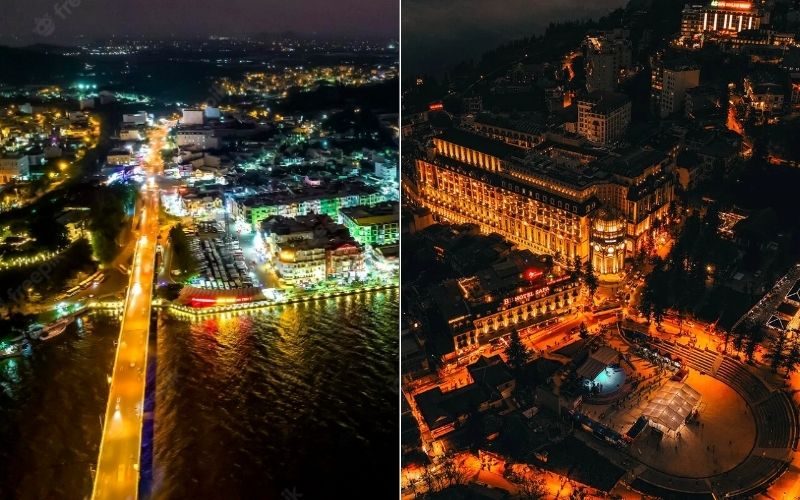
Evenings in Ha Giang are quiet and peaceful, with travelers often gathering at homestays after a day on the mountain roads to share meals, stories, and route tips while the towns of Dong Van and Meo Vac settle into a calm rhythm soon after sunset; rather than nightlife in the usual sense, the evenings are best enjoyed as a chance to connect with local families and fellow travelers, perhaps from a homestay porch with a warm cup of tea as the mountains fade into the night.
Evening Atmosphere in Sapa
Sapa feels much livelier after dark, with the town center staying active into the evening as restaurants, cafes, souvenir shops, bars, and food stalls draw both domestic and international visitors; many travelers spend their nights walking through the center, shopping for handicrafts, enjoying mountain-view cafes or live music, and relaxing after trekking, all made more pleasant by the cooler temperatures and the convenience of staying nearby.
Night Market Experience Compared
Night markets offer a different perspective on local life and tourism, and while Sapa’s is larger, more developed, and full of handicrafts, clothing, souvenirs, snacks, and ethnic textiles in an energetic atmosphere, especially on weekends and holidays, Ha Giang’s evening markets are smaller and less tourist-focused but often feel more authentic; if you want shopping and entertainment, Sapa is usually the better choice, while Ha Giang is better for quieter evenings, cultural authenticity, and time spent in local cafes or side streets with residents and fellow travelers.
Accommodation Options
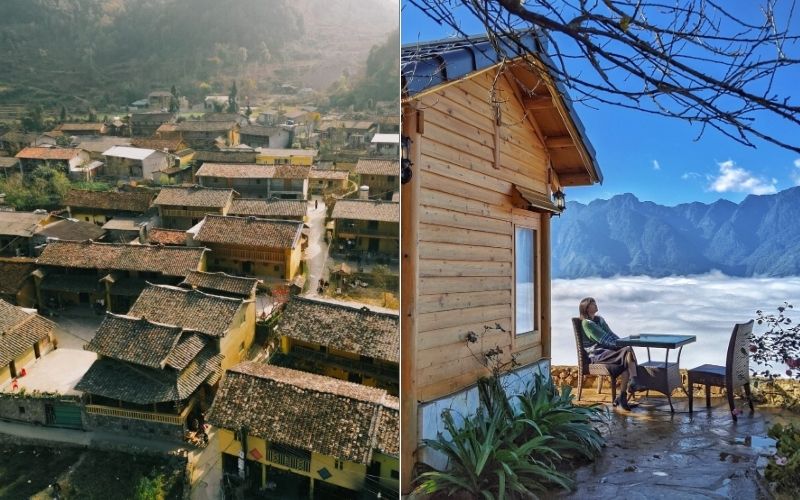
Accommodation can shape your trip, and when comparing Ha Giang or Sapa, the difference is clear: Sapa offers a wide range of stays, from budget hostels to luxury resorts, while Ha Giang is better known for homestays, guesthouses, and small boutique properties with a more local feel. If you want comfort and mountain views, Sapa is the stronger choice; if you prefer authenticity and cultural connection, Ha Giang is the better fit.
Where to Stay in Ha Giang (All Budgets)
Ha Giang offers accommodation options throughout the province, not just in Ha Giang City.
Budget travelers can find hostels and simple guesthouses in Ha Giang City, Dong Van, Meo Vac, and Du Gia, such as Ha Giang Hostel or budget rooms at Phoenix Hotel in the city center. Many provide dormitory beds, private rooms, and motorbike rental services.
Mid-range travelers often choose boutique hotels and comfortable homestays like Dong Van Cliffside House or Du Gia Panorama Ecolodge. These properties usually include private bathrooms, breakfast, and assistance with Ha Giang Loop planning.
Higher-end travelers can find a growing number of premium lodges and mountain-view accommodations, including places like H’Mong Village Resort. While luxury options remain limited compared to Sapa, the quality continues to improve each year.
Where to Stay in Sapa (All Budgets)
Sapa offers one of the widest accommodation selections in Northern Vietnam.
Budget travelers can stay in backpacker hostels and guesthouses around the town center, such as Sapa Backpacker Hostel or simple family-run homestays. These properties provide easy access to restaurants, cafes, and trekking tour operators.
Mid-range hotels are abundant throughout Sapa, including popular options like Sapa Horizon Hotel or KK Sapa Hotel. Many offer mountain views, balconies, and convenient access to major attractions.
Luxury travelers have numerous options. Sapa is home to several high-end mountain resorts, spa hotels, and international-standard properties such as Topas Ecolodge or Hotel de la Coupole. Many feature infinity pools, wellness facilities, and panoramic views of the surrounding valleys.
Unique Stay Experiences: Ha Giang Homestay vs Sapa Luxury Resort
This is where the accommodation comparison becomes most interesting.
A traditional homestay in Ha Giang often provides much more than a place to sleep. Guests frequently share meals with local families, learn about ethnic minority traditions, and experience daily village life firsthand.
Many homestays are located in quiet valleys surrounded by mountains and rice fields. Evenings are often spent enjoying home-cooked meals and exchanging stories with fellow travelers.
Sapa offers a different type of experience. Luxury resorts focus on comfort, relaxation, and scenery. Travelers can enjoy spa treatments, heated pools, mountain-view rooms, and premium dining options.
Getting There & Getting Around
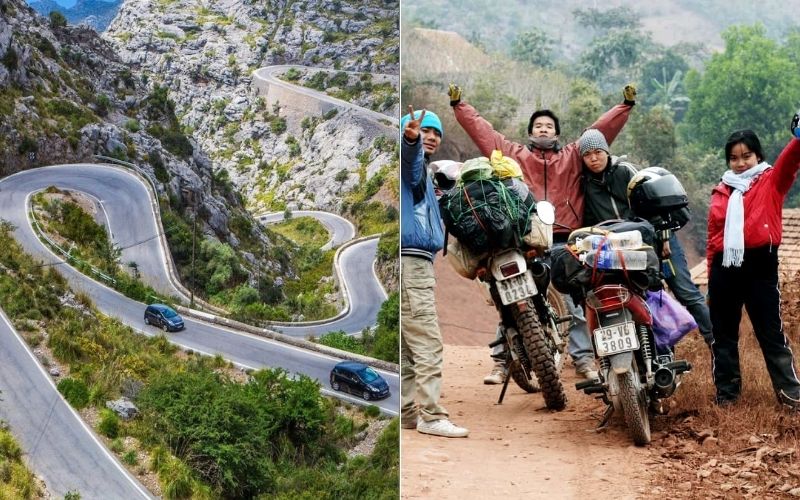
Transportation is one of the most important factors when deciding between Ha Giang or Sapa. Sapa is easier to access and navigate. Ha Giang requires more planning but often rewards travelers with a greater sense of adventure.
How to Get to Ha Giang from Hanoi
Ha Giang does not have an airport or railway station. Most travelers arrive by road from Hanoi. The journey covers approximately 280–300 kilometers and typically takes between 5.5 and 7 hours.
The most popular options include:
- Sleeper bus
- VIP cabin bus
- Limousine van
- Private car
Overnight sleeper buses are particularly common because they allow travelers to leave Hanoi in the evening and arrive in Ha Giang early the next morning. For first-time visitors, I usually recommend a VIP cabin bus. The private cabins provide better comfort and privacy during the overnight journey.
How to Get to Sapa from Hanoi
Getting to Sapa is generally easier than reaching Ha Giang.
Travelers have two main choices:
- Direct bus from Hanoi to Sapa
- Overnight train from Hanoi to Lao Cai, followed by a transfer to Sapa
Direct buses usually take around 5 to 6 hours and drop passengers directly in Sapa town. The overnight train remains one of the most iconic ways to reach Sapa. Travelers sleep on the train, arrive in Lao Cai early in the morning, and continue by shuttle bus or taxi to Sapa.
Local Transportation: Motorbike vs Trekking vs Cable Car
In Ha Giang, motorbikes are the primary way to explore the region. Most travelers complete the famous Ha Giang Loop by motorbike, either independently or with an easy-rider guide. Cars are also available for those who prefer not to ride.
In Sapa, trekking is the most common way to experience the countryside. Many villages are accessible through walking trails that pass rice terraces, streams, and mountain valleys. Sapa also offers the Fansipan cable car. This allows visitors to reach near the summit of Fansipan Mountain without undertaking a strenuous multi-day climb.
If you enjoy active exploration, Sapa’s trekking network is excellent. If you enjoy road trips and constantly changing landscapes, Ha Giang offers one of Southeast Asia’s most memorable journeys.
Do You Need a Guide or Can You Go Solo?
Both destinations can be visited independently. However, the ideal approach depends on your experience level.
In Ha Giang, confident riders often travel independently. First-time visitors frequently choose easy-rider tours where experienced local drivers handle the mountain roads. For many travelers, this option improves both safety and enjoyment.
In Sapa, independent trekking is possible on popular routes. However, local guides add valuable cultural context. They can explain farming techniques, village customs, and daily life that many visitors would otherwise miss.
As a local guide, Lily’s Travel recommendation is simple:
- Independent travelers with limited time can comfortably explore Sapa alone.
- First-time visitors to Ha Giang should strongly consider an easy-rider or guided experience.
Safety & Travel Considerations
Both Ha Giang and Sapa are generally safe for tourists, including solo travelers. The main difference is in the risks: Ha Giang is tougher because of its mountain roads and transport, while Sapa is more affected by trekking conditions, weather, and uneven trails. With basic preparation, both can be enjoyed safely year-round.
Road Safety on Ha Giang Loop
The Ha Giang Loop is one of the most spectacular road trips in Southeast Asia, but it also requires caution. The route includes steep mountain roads, sharp bends, narrow passes, and changing weather conditions, with fog often reducing visibility in winter mornings and rainy days. Some sections can also become slippery after heavy rain.
Before starting the loop, make sure your motorbike is in good condition by checking the brakes, lights, tires, and mirrors, and always wear a quality helmet. Many first-time visitors underestimate how difficult the roads can be, so if you have limited motorbike experience, an easy-rider tour is often the safest choice. As a local guide, I always recommend starting early each day, since morning conditions are usually clearer, traffic is lighter, and you have more flexibility if the weather changes later on.
Trekking Safety in Sapa
Trekking is generally safe in Sapa, but the trails can become challenging during certain seasons. During the rainy months, some paths become muddy and slippery. Rice terrace trails may be uneven, especially after heavy rainfall. Proper footwear is essential.
Bring:
- Waterproof hiking shoes
- Rain jacket
- Drinking water
- Sun protection
- Light snacks
If you plan to trek independently, download offline maps before leaving town. Mobile coverage is generally good but may be inconsistent in remote valleys. For longer treks, hiring a local guide is highly recommended. Guides know current trail conditions and can help avoid difficult or unsafe routes.
Solo Female Traveler Safety in Each Destination
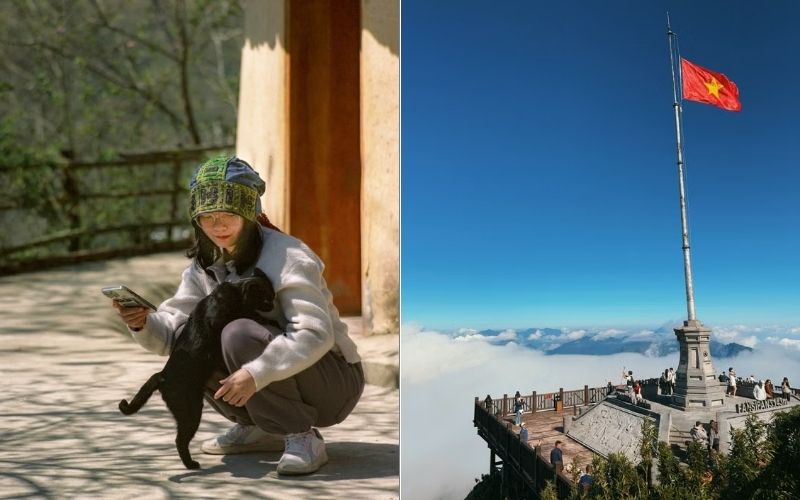
Solo female travelers can feel comfortable in both Ha Giang and Sapa. Sapa is the easier of the two in practical terms, thanks to its well-established tourism scene. Independent travelers are a normal sight there, and most hotels, restaurants, and tour companies are used to hosting them. Ha Giang feels more remote, but it is still welcoming. The main thing to watch there is not personal safety, but the roads and transport conditions.
The usual travel common sense goes a long way in both places. Stay away from quiet areas after dark, choose trusted transport, keep your belongings close, and let someone know your plans. If you want extra company, group tours and social homestays are an easy way to meet other travelers while still enjoying the region at your own pace.
Altitude & Health Considerations
Both destinations are located in mountainous regions, but altitude affects travelers differently. Sapa sits at approximately 1,500 meters above sea level, while Fansipan reaches over 3,100 meters. Some visitors may experience mild altitude-related symptoms when ascending quickly to higher elevations.
Common symptoms include:
- Mild headaches
- Fatigue
- Shortness of breath
Ha Giang generally involves lower elevations, although mountain passes can still reach significant heights.
To stay comfortable:
- Drink plenty of water
- Avoid excessive alcohol before trekking
- Take breaks during strenuous activities
- Allow your body time to adjust
Travelers with existing medical conditions should consult their healthcare provider before undertaking demanding treks or long motorbike journeys.
Travel Budget Comparison
If cost is a major part of your decision between Ha Giang and Sapa, Ha Giang usually comes out a little cheaper, while Sapa’s more developed tourism scene means more choices for hotels, restaurants, and upscale stays; even so, both places work well whether you’re traveling on a tight backpacker budget or looking for a more comfortable, higher-end trip.
| Category | Ha Giang | Sapa |
| Budget Traveler | USD 25–40/day | USD 30–50/day |
| Mid-Range Traveler | USD 50–100/day | USD 60–120/day |
| Accommodation | Budget hostels, guesthouses, homestays | Hostels, hotels, mountain-view resorts |
| Meals | Local eateries and regional specialties | Local restaurants, cafés, and specialty dining |
| Transportation Included | Basic local transport | Basic local transport |
| Typical Activities Included | Entry fees to major attractions | General sightseeing and self-guided exploration |
| Additional Expenses | • Motorbike rental• Fuel• Easy-rider services• Travel insurance | • Fansipan cable car ticket• Guided trekking tours• Taxi services• Resort facilities |
| Overall Cost | Generally more budget-friendly, especially for backpackers and independent travelers | Slightly more expensive due to its well-developed tourism infrastructure and wider range of premium services |
Budget, Mid-Range & Luxury Breakdown for Each
Budget Travelers
- Ha Giang: Hostels, local eateries, independent travel
- Sapa: Hostels, budget hotels, self-guided walks
Mid-Range Travelers
- Ha Giang: Boutique homestays, easy-rider tours, local restaurants
- Sapa: Comfortable hotels, guided trekking, quality restaurants
Luxury Travelers
- Ha Giang: Limited but growing number of upscale resorts
- Sapa: Premium mountain resorts, spas, fine dining, luxury experiences
Which Destination Is More Affordable Overall?
For most travelers, Ha Giang is slightly more affordable overall. Accommodation, meals, and local experiences often cost less than in Sapa. The difference is not dramatic, but budget-conscious travelers may notice the savings over several days.
However, if you plan to rent a motorbike, hire an easy-rider guide, or join organized tours, the overall cost can become similar to a Sapa trip. The better value depends on your travel style rather than price alone.
Which Destination Is Right for You?
There is no universal winner in the Ha Giang or Sapa debate. The best destination depends entirely on your interests, travel style, and expectations.
Best for First-Time Northern Vietnam Travelers
Sapa is often the easier choice for first-time visitors to Northern Vietnam because transportation is straightforward and tourism infrastructure is well developed. Hotels, restaurants, and guided tours are widely available, making trip planning relatively simple. Visitors can enjoy stunning mountain scenery, ethnic villages, and rice terraces without needing to organize complex transportation or multi-day adventures.
Best for Adventure & Motorbike Lovers
Ha Giang is the clear winner. The Ha Giang Loop is one of Vietnam’s most iconic travel experiences. The combination of winding mountain roads, dramatic scenery, and remote villages creates a sense of adventure that is difficult to match elsewhere.
Best for Trekking & Nature Enthusiasts
Sapa is usually the better choice for trekking. The extensive trail network offers routes suitable for beginners and experienced hikers alike. Rice terraces, valleys, waterfalls, and mountain views provide endless opportunities for exploration.
Best for Cultural Immersion & Ethnic Villages
Both destinations offer meaningful cultural experiences. However, Ha Giang often feels more authentic because tourism remains less developed in many areas. Visitors frequently encounter traditional village life with fewer commercial influences.
Best for Families with Kids
Sapa is generally more family-friendly. Transportation is easier. Accommodation options are broader. Attractions such as Fansipan Cable Car allow families to enjoy mountain scenery without strenuous physical activity.
Best for Solo Travelers
Both destinations work well for solo travelers. Sapa provides convenience and accessibility. Ha Giang offers stronger opportunities to connect with other travelers through loop tours and homestays.
Best for Couples & Romantic Getaway
Sapa is usually the preferred choice for couples. Luxury resorts, mountain-view hotels, cafes, and scenic viewpoints create a romantic atmosphere. Sunrise views over the rice terraces can be particularly memorable.
Best for Photography & Landscape Lovers
This category is incredibly close. Choose Sapa if you dream of photographing rice terraces, misty valleys, and mountain villages. Choose Ha Giang if you prefer dramatic limestone mountains, winding roads, deep canyons, and epic panoramic viewpoints.
As a local guide, Lily’s Travel’s advice is simple: if you have enough time, visit both. They showcase two very different sides of Northern Vietnam, and together they create a far more complete travel experience.
Can You Visit Both Ha Giang & Sapa in One Trip?
Absolutely. For travelers who cannot decide between Ha Giang or Sapa, combining both destinations into a single itinerary is often the best solution. Although they offer different experiences, they complement each other remarkably well. Ha Giang delivers dramatic mountain roads, remote villages, and adventure, while Sapa is known for its rice terraces, trekking routes, and comfortable mountain-town atmosphere.
If you have at least one week in Northern Vietnam, it is possible to visit both destinations without feeling rushed. Travelers with 10 days or more can enjoy a more relaxed pace and explore each region in greater depth.
7-Day Itinerary: Ha Giang + Sapa Combined
Day 1: Travel from Hanoi to Ha Giang
Days 2–4: Complete the Ha Giang Loop
Day 5: Transfer to Sapa
Days 6–7: Explore Sapa and Fansipan
10-Day Deep Dive Itinerary
Days 1–5: Explore Ha Giang in Depth
Day 6: Travel to Sapa
Days 7–10: Trek Through Villages, Visit Fansipan, and Enjoy Local Culture
Practical Tips for Combining Both Destinations
- Reserve transportation early during peak seasons.
- Pack warm clothing even in summer.
- Keep a flexible schedule for mountain weather conditions.
Frequently Asked Questions (FAQ)
Is Ha Giang or Sapa Better for a First Visit to Northern Vietnam?
Sapa is generally the easier introduction to Northern Vietnam.
Which Is More Challenging — Ha Giang Loop or Sapa Trekking?
The Ha Giang Loop is usually more demanding due to road conditions and long riding hours.
Is Ha Giang or Sapa More Crowded with Tourists?
Sapa attracts more domestic and international tourists throughout the year.
How Many Days Do You Need in Ha Giang?
Most travelers spend 3–5 days exploring Ha Giang.
How Many Days Do You Need in Sapa?
A stay of 2–4 days is usually enough to experience Sapa’s highlights.
What Is Ha Giang Most Famous For?
Ha Giang is famous for the Ha Giang Loop, Ma Pi Leng Pass, and stunning mountain landscapes.
What Is Sapa Most Famous For?
Sapa is famous for Fansipan and its spectacular rice terraces.
Is Ha Giang Safe for Solo Travelers?
Yes. Ha Giang is generally safe, although road safety should always be taken seriously.
Can I Visit Ha Giang and Sapa Without a Motorbike?
Yes. Organized tours, buses, and private transportation make both destinations accessible.
Which Has Better Scenery — Ha Giang or Sapa?
There is no definitive answer. If you prefer dramatic mountain passes, choose Ha Giang. If you love terraced rice fields, choose Sapa.
Still deciding between Ha Giang or Sapa? Let Lily’s Travel turn your dream itinerary into reality. As one of the top-rated travel agencies in Northern Vietnam, Lily’s Travel specializes in creating unforgettable journeys through the country’s most spectacular mountain destinations. Whether you want to ride the famous Ha Giang Loop, trek through Sapa’s stunning rice terraces, or combine both into one adventure, their experienced team can recommend the best routes, accommodations, and experiences based on your travel goals. With thousands of excellent reviews and years of local expertise, Lily’s Travel makes exploring Northern Vietnam easier and more rewarding.
Ha Giang or Sapa can be a difficult choice because both destinations showcase a different side of Northern Vietnam. Sapa is ideal for travelers seeking trekking, comfort, and iconic rice terrace views, while Ha Giang appeals to those looking for adventure, authenticity, and spectacular mountain scenery. No matter which destination you choose, your journey will be filled with breathtaking views, fascinating local cultures, and unforgettable memories.