

If you are looking for real Mekong Delta tours, you probably want more than a quick boat ride and a few tourist stops. The Mekong Delta is one of Vietnam’s most fascinating regions. It is home to peaceful rivers, fruit orchards, traditional villages, floating markets, and welcoming local communities. Many visitors only see the most commercial side of the delta. However, the region has much more to offer. By choosing the right itinerary and local guide, you can enjoy authentic experiences that reflect daily life along the river. This guide explains how to find an authentic Mekong Delta trip, what to expect, and how to avoid common tourist traps.

What Makes a Mekong Delta Tour Truly Authentic?
An authentic experience is not about visiting more attractions. It is about experiencing the real lifestyle of the Mekong Delta. The best authentic Mekong Delta tours focus on local culture, meaningful interactions, and a slower pace instead of rushing between tourist stops.
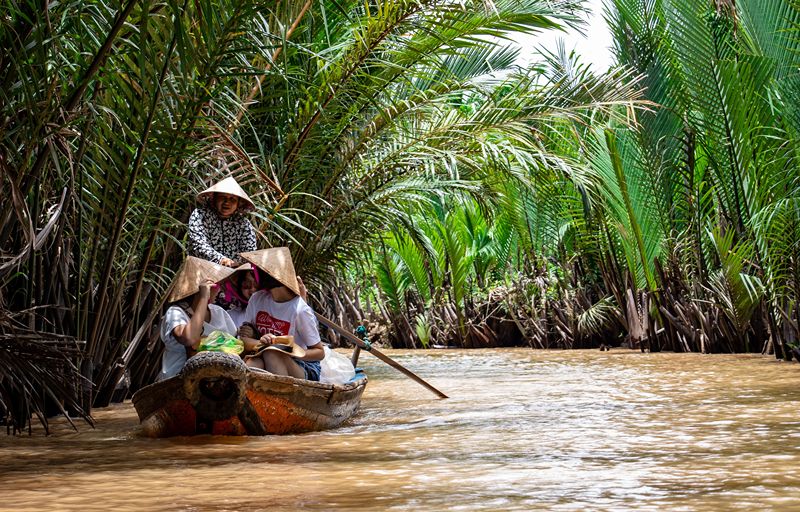
A genuine tour takes you beyond the busy sightseeing routes. You may travel through quiet canals lined with coconut palms, visit family-owned workshops, or explore villages where people continue their daily routines. Along the way, you can see farmers harvesting fruit, fishermen working on the river, and children cycling along village roads. These simple moments often leave the strongest memories.
Local interaction is another important part of real Mekong Delta tours. Instead of watching short demonstrations, you can meet families who produce coconut candy, rice paper, or handicrafts using traditional methods. Sharing a homemade meal at a local house or a small riverside restaurant also offers a better understanding of the region than dining at large tourist venues.
You should always start early. Floating markets are busiest between 5:30 a.m. and 7:00 a.m. Arriving before sunrise allows you to watch real trading activity instead of boats that remain mainly for visitors. Choosing small-group or private tours also gives you more time to explore hidden canals and quiet villages at a comfortable pace.
Why Many Mekong Delta Tours Feel Overly Touristic
Many visitors choose day trips from Ho Chi Minh City because they are convenient. However, these tours often follow the same itinerary and visit the same attractions every day. While enjoyable, they usually show only a small part of the Mekong Delta’s authentic character.
A common problem is the fast schedule. Many tours include several stops, but each visit lasts only a short time. Large tour groups, crowded boats, and busy souvenir shops can make the experience feel commercial instead of cultural.

Another reason is the timing. Many tours arrive at floating markets after the busiest trading hours have ended. Travelers still see boats, but they miss the lively atmosphere of local merchants buying and selling fresh produce early in the morning. Local guides usually recommend leaving before sunrise to experience the market at its most active.
As someone familiar with the region, we also suggest looking closely at the itinerary before booking real Mekong Delta tours. Tours that include cycling through villages, visiting family-run workshops, exploring small canals, and staying overnight in local homestays often provide a much deeper and more authentic experience than tours that simply try to cover as many attractions as possible.
What the Real Mekong Delta Looks Like Beyond Tourist Attractions
Away from the popular attractions, the Mekong Delta offers a much quieter and more authentic experience. Life here follows the rhythm of the rivers. Boats transport fresh produce between villages, farmers work in coconut groves and rice fields, and local markets serve nearby communities instead of tourists. These everyday scenes are what make real Mekong Delta tours so rewarding.
The best way to experience the region is to slow down. Walk through a village market, cycle along peaceful roads, or explore small canals by sampan. These simple activities allow you to connect with local life and appreciate the natural beauty of the delta beyond the famous attractions.
The Best Places for Authentic Mekong Delta Experiences
Several destinations are excellent for real Mekong Delta tours, and each offers a different perspective on the region.
Ben Tre is known for its coconut plantations, peaceful canals, and quiet villages. It is ideal for cycling, sampan rides, and visiting family-run workshops. Can Tho is the best place to experience the famous Cai Rang Floating Market. Staying overnight lets you visit before the crowds arrive. Vinh Long offers riverside homestays, fruit orchards, and a slower pace that many travelers appreciate.
If you have extra time, consider visiting Tra Vinh area or Chau Doc. These destinations receive fewer visitors and offer unique cultural experiences, including Khmer temples, floating fish farms, and traditional rural communities.
As a local guide, Lily’s Travel suggests spending two days exploring one or two areas instead of rushing through several destinations. A slower itinerary gives you more opportunities to meet local people, enjoy regional food, and discover the authentic lifestyle that defines real Mekong Delta tours.
Note: Vietnam’s administrative boundaries were updated in 2025. Throughout this guide, names such as Ben Tre, Tra Vinh, Soc Trang, and My Tho are used as well-known travel destinations rather than current administrative units.
Ben Tre vs Can Tho vs Vinh Long: Which Feels Most Authentic?
Each destination offers a different side of the Mekong Delta, so the best choice depends on the experience you want. If your goal is to join real Mekong Delta tours, it helps to understand what makes each destination unique.
Ben Tre is often the top choice for travelers seeking peace and authentic village life. Known as the “Coconut Kingdom,” it is famous for its coconut groves, narrow canals, and family-run workshops. The pace is slow, making it ideal for cycling, sampan rides, and visiting local homes. Tourism is well developed but has not overwhelmed the countryside.
Can Tho is the largest city in the Mekong Delta and the best base for visiting the famous Cai Rang Floating Market. It has more hotels, restaurants, and transport options than other Mekong Delta destinations. Although the city is busier, you can still enjoy authentic experiences by taking a small boat into nearby canals or visiting orchards outside the city center. Staying overnight is highly recommended so you can reach the floating market before sunrise.

Vinh Long offers one of the most traditional rural experiences in the delta. It is known for fruit orchards, quiet riverside villages, and family-operated homestays. Compared with Can Tho, tourism is lighter, allowing visitors to experience local life with fewer crowds. It is an excellent choice if you enjoy cycling, meeting local families, and exploring the countryside at a relaxed pace.
As a local guide, Lily’s Travel usually recommends combining Ben Tre and Can Tho on a two-day trip. Ben Tre offers peaceful village life, while Can Tho provides the region’s most famous floating market. If you prefer a slower and less touristy journey, Vinh Long is one of the best destinations for real Mekong Delta tours.
Real Floating Markets vs Tourist-Oriented Boat Trips
Floating markets are one of the most iconic experiences in the Mekong Delta, but not every boat trip offers the same level of authenticity. Understanding the difference helps you choose better Mekong Delta tours.
A real floating market is still an active wholesale market where local traders buy and sell fruits, vegetables, and other products directly from their boats. Business begins before sunrise, with the busiest trading usually taking place between 5:30 a.m. and 7:00 a.m. After that, many traders return home, and the market becomes much quieter.
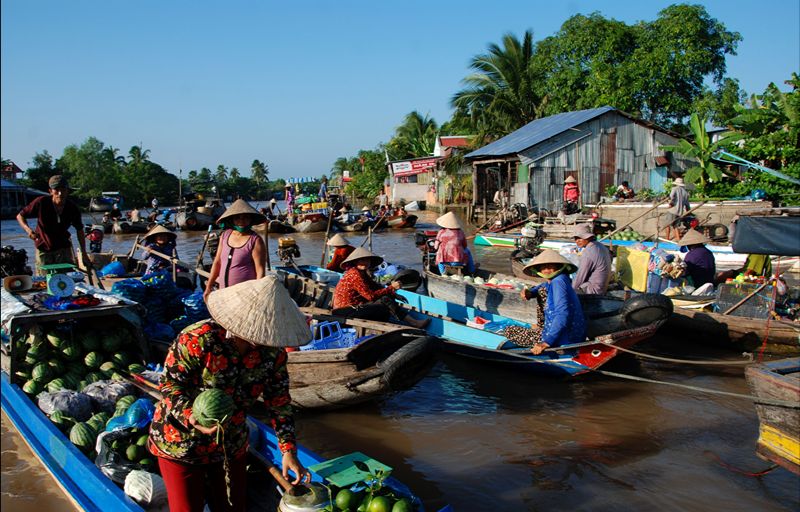
Many tourist-oriented boat trips leave too late in the morning. Visitors still see boats on the river, but much of the trading has already finished. Some tours also focus mainly on souvenir stops, cafés, or staged activities instead of showing everyday river life. This is why some travelers leave feeling disappointed.
If you want an even quieter experience, consider visiting Long Xuyen Floating Market, which receives fewer tourists than Cai Rang while still maintaining its traditional trading atmosphere. It offers a more local perspective on river life, although it requires additional travel time.
Visiting Local Homes and Family Businesses
Visiting local homes is one of the best ways to experience real Mekong Delta tours. Many families have been making coconut candy, rice paper, handicrafts, and other traditional products for generations. In places like Ben Tre and Cai Be, visitors can see these crafts being made using traditional methods and sometimes even join the process.
What makes these visits special is the chance to meet the people behind the products. Family members often share stories about their work, local traditions, and daily life in the Mekong Delta. These personal conversations offer a much deeper understanding of the region than a quick sightseeing stop.
Cycling Through Villages and Rice Fields
Exploring the Mekong Delta by bicycle offers a completely different perspective from traveling by car or boat. During real Mekong Delta tours, you can ride through quiet villages, rice fields, fruit orchards, and coconut groves while experiencing the peaceful rhythm of local life.
Ben Tre and Vinh Long are among the best destinations for cycling because of their scenic countryside and light traffic. Along the way, you may see farmers working in the fields, children cycling home from school, or small roadside stalls selling seasonal fruits. These everyday moments create a more authentic experience than traveling by bus.
Exploring Small Canals Away From Tour Boats
While the main rivers are impressive, the small canals offer a much more peaceful side of the Mekong Delta. These narrow waterways wind through coconut groves, fruit orchards, and quiet villages where local life continues much as it has for generations. Exploring them is one of the highlights of local Mekong Delta tours because they reveal places that large tourist boats cannot reach.
The best way to experience these canals is by riding a traditional sampan or small rowing boat. As you move slowly through the shaded waterways, you may see fishermen checking their nets, residents traveling by boat, or children playing along the riverbanks. The calm surroundings also make it easier to appreciate the sounds of nature and the peaceful atmosphere of the delta.
You can choose tours that include canal exploration after visiting the floating market. Most large boats stay on the main river, while smaller boats continue into hidden waterways where there are fewer visitors. Early morning is the ideal time, as the canals are cooler and quieter. These slow boat rides often become the most memorable part of real Mekong Delta tours.
Local Food Experiences Most Visitors Never Try
The Mekong Delta is known for its fresh ingredients, but many visitors only try the dishes included in standard tour lunches. To truly experience real Mekong Delta tours, look for meals at small family-run restaurants, local markets, or riverside food stalls where residents eat every day.

Beyond the famous elephant ear fish, the region offers many specialties that international visitors often miss. Try bun nuoc leo, a specialty closely associated with the Soc Trang area, crispy banh xeo Mekong-style, fresh river fish cooked in clay pots, or seasonal hotpots made with local herbs and vegetables. Tropical fruits such as rambutan, mangosteen, longan, and pomelo are also at their best when purchased directly from orchards or floating vendors.
Homestays vs Hotels: Which Offers a More Authentic Experience?
Accommodation is more than just a place to sleep. It also shapes how you experience the Mekong Delta and the people who live there. If you are looking for genuine Mekong Delta tours, deciding between a homestay and a hotel can make a noticeable difference.
Homestays offer the closest connection to local life. Many are family-run and located beside rivers, fruit orchards, or small villages. Guests often share home-cooked meals, learn about local traditions, and enjoy a quieter atmosphere away from busy tourist areas. Some hosts even invite visitors to join activities such as cooking, gardening, or harvesting seasonal fruit. These personal interactions create memories that are difficult to find in larger accommodations.
Hotels are a better choice for travelers who value comfort and convenience. They usually provide more facilities, private services, and easy access to restaurants or transportation. Cities like Can Tho offer a wide range of hotels, making them ideal for visitors with limited time or those planning an early visit to Cai Rang Floating Market.
Private Tours vs Group Tours: Is the Extra Cost Worth It?
Not all Mekong Delta tours provide the same experience, even if they visit similar destinations. The biggest difference often comes down to whether you travel with a private guide or join a larger group. For anyone seeking real Mekong Delta tours, this choice is worth considering before booking.
Group tours are usually more affordable and are a good option for first-time visitors. They follow fixed schedules and visit the region’s most popular attractions. They are also a great way to meet other travelers. However, larger groups often have limited time at each stop and less opportunity to explore beyond the standard itinerary.
Private tours cost more but allow you to travel at your own pace. You can leave earlier to reach the floating market before sunrise, spend extra time in a village you enjoy, or skip attractions that do not interest you. Smaller groups also make it easier to interact with local families and explore quiet canals where large tour boats rarely go.
One-Day vs Multi-Day Mekong Delta Tours
The amount of time you spend in the Mekong Delta has a big impact on your overall experience. While both one-day and multi-day trips have their advantages, they offer very different ways to explore the region. Choosing the right option depends on your schedule, budget, and travel goals.
A one-day tour is ideal if you have limited time. Most tours depart from Ho Chi Minh City and visit nearby destinations such as Ben Tre or My Tho area. You can enjoy a boat ride, visit local workshops, taste regional food, and experience a glimpse of river life. It is a good introduction to the Mekong Delta, but the itinerary is often fast-paced because of the travel time to and from the city.

A multi-day trip offers a much deeper experience and is often the better choice for travelers seeking real Mekong Delta tours. Staying one or two nights allows you to explore different parts of the Mekong Delta, enjoy a homestay, and visit floating markets before sunrise when trading is most active. You also have more time to cycle through villages, explore hidden canals, and interact with local families without feeling rushed.
Common Tourist Traps to Avoid in the Mekong Delta
The Mekong Delta is well worth visiting, but like many popular destinations, it has some experiences designed mainly for tourists. Knowing what to expect can help you choose a tour that feels more authentic and enjoyable.
One common mistake is booking tours that promise too many attractions in a single day. Visiting five or six places may sound appealing, but it usually means spending only a few minutes at each stop. A slower itinerary with fewer destinations often provides a much richer experience.
Another issue is arriving at the floating markets too late. Many tours reach the market after 8:00 a.m., when most local traders have already finished their business. If seeing an active floating market is important to you, choose a tour that arrives between 5:30 a.m. and 7:00 a.m.
Some tours also include frequent shopping stops or workshops that mainly cater to visitors. While buying local products can support the community, you should never feel pressured to make purchases. Family-run workshops that focus on sharing their craft usually provide a more genuine experience than those designed primarily for sales.
Instead of focusing only on the lowest price, take time to compare what each tour actually includes. The best cultural Mekong Delta tours usually feature small groups, experienced local guides, and enough time to explore each destination. An itinerary that prioritizes villages, local families, and nature over shopping stops will often provide a far more rewarding experience.
How to Identify a Genuine Local Guide
A knowledgeable local guide can make the difference between a standard sightseeing trip and a truly memorable journey. While many guides are professional, the best Mekong Delta tours are often led by people who have grown up in the region or have spent many years exploring its rivers, villages, and communities.
One of the first signs of a genuine local guide is their ability to share stories that go beyond basic facts. Instead of simply introducing attractions, they explain how local families make a living, why the rivers are so important, and how traditions have been passed down through generations. They also encourage visitors to interact with local residents rather than simply observing from a distance.

A good guide also adapts the itinerary to create a better experience. For example, they may recommend leaving before sunrise to reach the floating market during its busiest hours or suggest taking a quieter canal to avoid crowds. Their goal is not just to follow a schedule but to help travelers experience the Mekong Delta as locals do.
Before booking, read recent reviews carefully. Travelers often mention guides by name when they are knowledgeable, friendly, and passionate about sharing local culture. Reviews that highlight meaningful conversations, flexible itineraries, and visits to family-run businesses are usually good signs of an authentic experience.
What Experienced Travelers Say About Real Mekong Delta Tours
Travelers who choose real Mekong Delta tours often say that the most memorable moments are not the famous attractions but the simple experiences they did not expect. Spending time with local families, exploring quiet canals, or sharing breakfast at a floating market often leaves a stronger impression than visiting busy tourist sites.
Many experienced visitors also recommend slowing down. Reviews frequently mention that smaller groups, flexible schedules, and local guides create a much more enjoyable experience than tours that rush between attractions. Travelers appreciate having enough time to ask questions, learn about local traditions, and enjoy the peaceful atmosphere of the Mekong Delta.
Another common piece of advice is to look beyond the standard day trip. Many visitors who stayed overnight say it allowed them to experience sunrise on the river, early morning floating markets, and village life before other tourists arrived. These quieter moments are often described as the highlight of their journey.
If experienced travelers share one lesson, it is this: do not judge a Mekong Delta tour by the number of attractions it includes. The best authentic river journeys focus on meaningful local experiences, genuine hospitality, and enough time to enjoy each destination. Those are the memories that travelers continue talking about long after they return home.
Suggested 2-Day Authentic Mekong Delta Itinerary
If you want to experience real Mekong Delta tours, a two-day itinerary offers the right balance between sightseeing and cultural immersion. It gives you enough time to explore beyond the popular attractions while enjoying the slower pace of life that makes the Mekong Delta so special.
Day 1 can begin with a drive from Ho Chi Minh City to Ben Tre, one of the most authentic destinations in thep Mekong Delta. Start with a boat trip along the river before transferring to a traditional sampan to explore small canals shaded by coconut palms. Visit a family-run coconut candy workshop, cycle through quiet villages, and enjoy lunch featuring local specialties. In the afternoon, continue to Can Tho or a nearby riverside homestay. Spend the evening relaxing by the river and enjoy a home-cooked dinner with your hosts.

Day 2 begins before sunrise with a visit to Cai Rang Floating Market, when local trading is at its busiest. After breakfast on the river, continue exploring fruit orchards, traditional workshops, or village roads by bicycle before returning to Ho Chi Minh City in the afternoon. This itinerary allows you to experience local culture without feeling rushed, making it an excellent choice for travelers looking for real Mekong Delta tours.
Best Time of Year for an Authentic Mekong Delta Experience
The Mekong Delta can be visited throughout the year, but each season offers a different experience. Choosing the right time depends on the type of trip you are looking for, rather than simply the weather.
The dry season, from December to April, is the most popular time to visit. The weather is generally sunny, the humidity is lower, and boat trips are more comfortable. It is an excellent season for cycling through villages, exploring canals, and enjoying outdoor activities.
The rainy season, from May to November, brings greener landscapes and fewer tourists. Rain showers are usually short and often occur in the afternoon, leaving plenty of time for sightseeing. This season also fills the canals and rivers, creating beautiful scenery for boat trips. During the summer months, many orchards are full of fresh tropical fruits such as rambutan, mangosteen, and longan.
How Much Should a Real Mekong Delta Tour Cost?
The price of authentic Mekong Delta tours depends on the tour length, group size, accommodation, and level of service. While it may be tempting to choose the cheapest option, a slightly higher price often provides a much better overall experience.
As a general guide:
- Budget day tours: USD 25–40 per person. These usually operate with large groups and follow standard tourist routes.
- Small-group authentic day tours: USD 40–70 per person. They often include local guides, smaller boats, and more meaningful cultural experiences.
- Two-day tours with a homestay: USD 90–150 per person, including accommodation, meals, transportation, and most activities.
- Private two-day tours: Typically USD 150–300+ per person, depending on the itinerary, accommodation, and group size.
When comparing prices, look beyond the total cost and check what is included. High-quality real Mekong Delta tours often cover transportation, entrance fees, boat rides, bicycle rental, meals, and the services of an experienced local guide. Some also include overnight stays at family-run homestays, giving you a more authentic experience while directly supporting local communities.
One final piece of advice is to choose value over price. A well-planned tour with knowledgeable guides and a slower itinerary may cost a little more, but it usually offers richer cultural experiences and lasting memories. For many travelers, those authentic moments are what make real Mekong Delta tours worth every dollar.
Looking for a truly authentic Mekong Delta experience? Let Lily’s Travel show you the side most visitors never see. With more than 15 years of experience and over 2,000 five-star Tripadvisor reviews, Lily’s Travel specializes in creating meaningful journeys that go beyond crowded tourist attractions. From peaceful canals and floating markets at sunrise to local homestays and family-run workshops, their carefully designed Mekong Delta tours help travelers experience the culture, traditions, and daily life of the Mekong Delta in a genuine way.
Real Mekong Delta tours offer much more than a typical sightseeing trip. They give you the opportunity to experience authentic river life, connect with local communities, and discover the traditions that make the Mekong Delta unique. By choosing the right itinerary, traveling at a slower pace, and exploring beyond the popular attractions, you’ll leave with unforgettable memories and a deeper appreciation for one of Vietnam’s most fascinating regions.