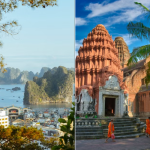



Hanoi or Da Nang may seem like a simple comparison, but it can greatly affect your travel experience. Many travelers searching for Hanoi or Da Nang which is better, quickly realize the answer depends on personal preferences. The cities differ in pace, layout, and overall atmosphere. Some travelers enjoy busy streets and cultural landmarks. Others prefer ocean views and spacious roads. Choosing the right destination requires more than checking popularity rankings. It involves thinking about your travel style and expectations. Before making reservations, take time to consider what each city generally offers and how it aligns with your plans.
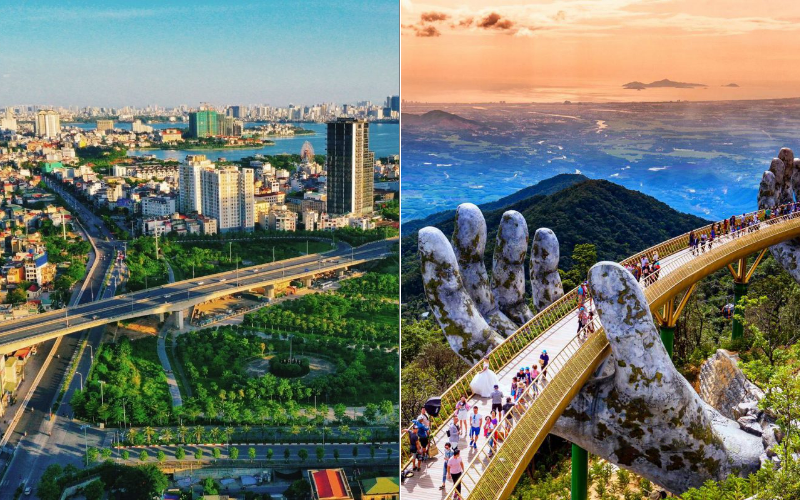
Hanoi or Da Nang, how travelers usually decide between the two
When travelers ask Hanoi or Da Nang, they usually think about what kind of experience they want on their trip to Vietnam. Both cities are very popular with visitors, but they feel very different. Some people choose based on the weather. Da Nang has beaches and a coastal climate, while Hanoi has four seasons and cooler winters. Others decide by the type of activities they enjoy. Hanoi is known for its history and culture, while Da Nang is known for its beaches and outdoor fun.
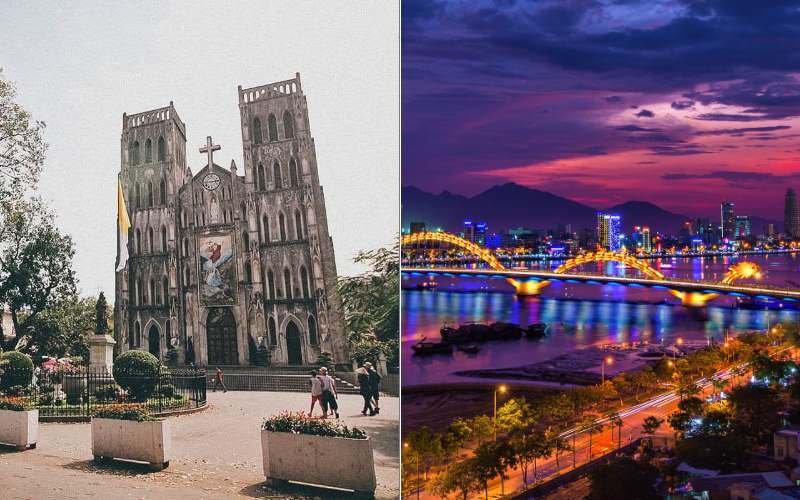
Travelers also think about the pace of life. Hanoi is a big city with busy streets and crowds. Da Nang is more spread out and relaxed. Some visitors prefer the lively city energy of Hanoi. Others want the calm beach vibes of Da Nang. Safety and ease of travel are also part of the decision. Da Nang is generally quieter and less hectic than Hanoi.
Cost can influence the choice, too. Prices for food and services may be lower in Da Nang. But both cities offer options for budget and mid-range travel. In the end, most people choose based on their personal travel goals and what they want to see and do.
Travel purpose comparison Hanoi or Da Nang
Choosing Hanoi or Da Nang often comes down to your travel purpose. If you are asking Hanoi or Da Nang which is better, start by defining why you are traveling. Each city has its own strengths. Some travelers want deep cultural experiences while others want rest and scenic views.
Visiting for culture and history
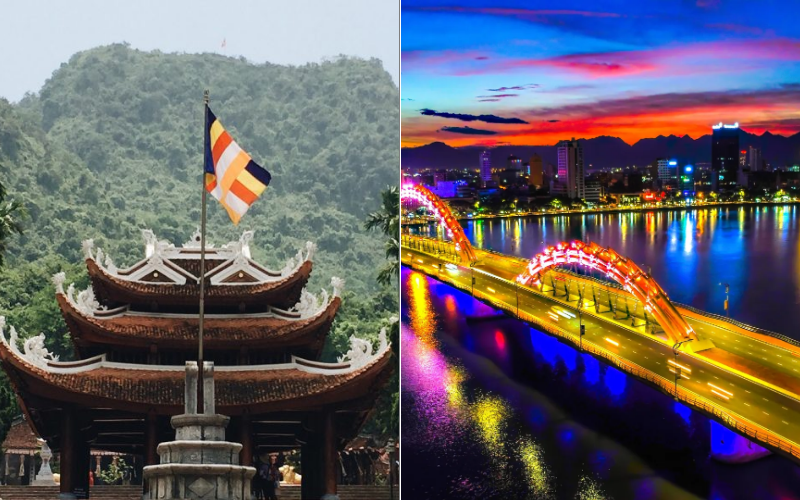
If you want culture and history, Hanoi is a strong choice. Hanoi is Vietnam’s capital city with many clear reminders of the country’s past. There are ancient temples, old French-era buildings, historical museums, and traditional markets. Travelers can walk around the Old Quarter and see local daily life. The city also has important landmarks like the Ho Chi Minh Mausoleum and the Temple of Literature.
In Hanoi, you can visit many museums. You can learn about local traditions, wars, and ancient customs. The streets feel historic, and many areas still keep their old style. Culture lovers often spend days walking around and trying to see as much as possible. If you enjoy museums, historic sites, and architecture, this city may feel more rewarding.
Visiting for relaxation and scenery
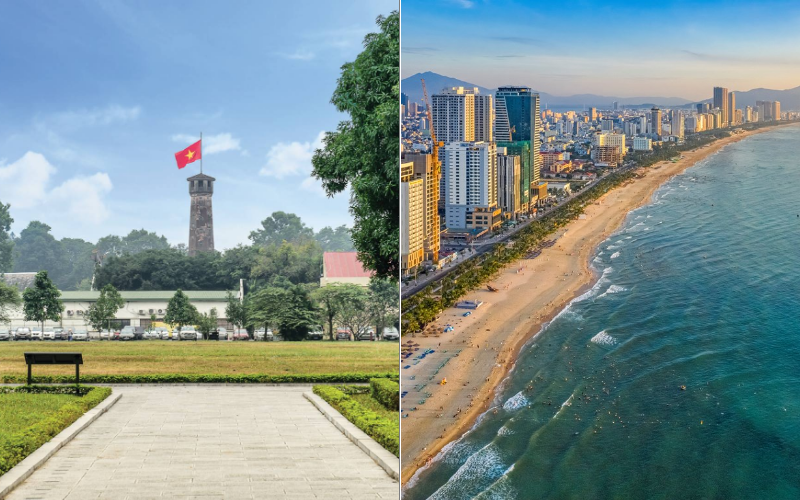
If your purpose is to relax or enjoy nature, Da Nang may be a better fit. Da Nang has long sandy beaches that are perfect for swimming, sunbathing, or just relaxing by the water. My Khe Beach and Non Nuoc Beach are two of the most visited coastal spots, and they have calm waters for easy swimming.
Da Nang also has many outdoor attractions like coastal hills, scenic viewpoints, and nature reserves. The Son Tra Peninsula and Marble Mountains give travelers chances to explore rugged landscapes. There are also modern parks, riverfront areas, and quiet seaside spots where you can sit and enjoy the breeze.
For rest and scenery, Da Nang feels open and peaceful compared to the busy streets of a large city. Many travelers rate it higher when their trip purpose is relaxation, nature views, and beach time.
City layout and daily travel experience in Hanoi and Da Nang
When comparing Hanoi or Da Nang, the way each city is structured and how daily life unfolds can significantly impact your trip. Street design, traffic flow, and the overall pace of the city all affect how comfortable and pleasant your experience will be.
Hanoi: Lively, Dense, and Full of Character
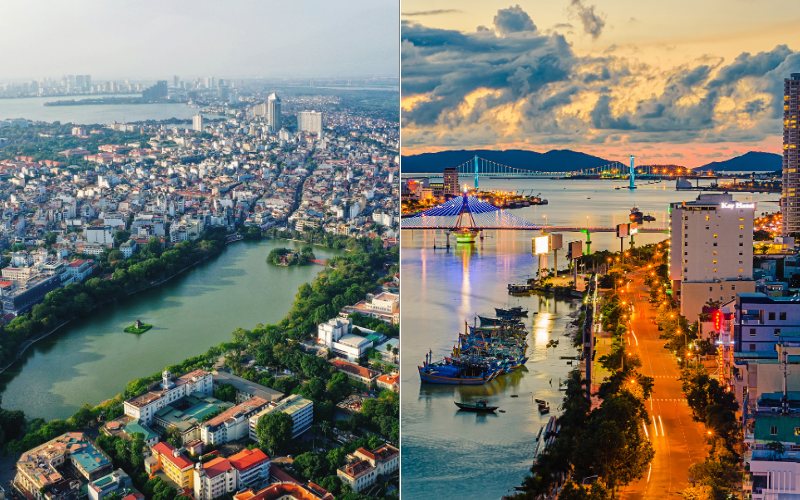
Hanoi is one of the oldest cities in Vietnam. Its design reflects centuries of history. The Old Quarter is the heart of the city and is famous for:
- Narrow and winding streets
- Closely packed buildings
- Small sidewalks filled with parked motorbikes
- Street vendors selling food, fruit, and souvenirs
Traffic is busy throughout the day. Motorbikes dominate the roads, and cars share limited space. During rush hours, congestion becomes heavier. Crossing the street may seem difficult at first, but traffic usually flows around pedestrians at a steady pace.
Walking in Hanoi feels dynamic and immersive. You will constantly see local life happening around you. Markets operate from early morning. Cafés fill with people in the afternoon. Street food stalls open in the evening. The city rarely feels quiet.
Because attractions are close together in central districts, many travelers explore on foot. However, travel time can increase due to crowds and traffic. Ride-hailing apps and taxis are widely available, but short distances may still take time during peak hours.
Hanoi suits travelers who enjoy energy, movement, and cultural immersion. The city feels authentic and alive at almost every corner.
Da Nang: Spacious, Organized, and Relaxed
Da Nang offers a completely different urban experience. The city is more modern and was developed with wider streets and better traffic flow. You will quickly notice:
- Broad, clean roads
- Clear intersections
- Lower traffic density
- Modern bridges and riverfront areas
Transportation feels easier and less stressful. It is simple to travel by taxi, motorbike, or bicycle. Traffic congestion is rare compared to Hanoi.
Many areas of Da Nang stretch along the coastline. This design creates open views and fresh sea air. Sidewalks are wider and more comfortable for walking. You can easily access long sandy beaches and scenic promenades.
Daily life in Da Nang moves at a slower pace. Early mornings are peaceful. People exercise along the beach or the Han River. Evenings are relaxed, with families and visitors walking near the waterfront. The overall atmosphere feels less intense.
Hotels and residential areas are also more spread out. This creates a sense of space that some travelers find more comfortable, especially for longer stays.
Things to do in Hanoi vs Da Nang
Deciding between Hanoi or Da Nang also means thinking carefully about the type of activities you want to include in your trip. Each city offers a very different experience.
Hanoi: Culture, History, and Urban Exploration
In Hanoi, most activities focus on heritage and city life. Popular experiences include:
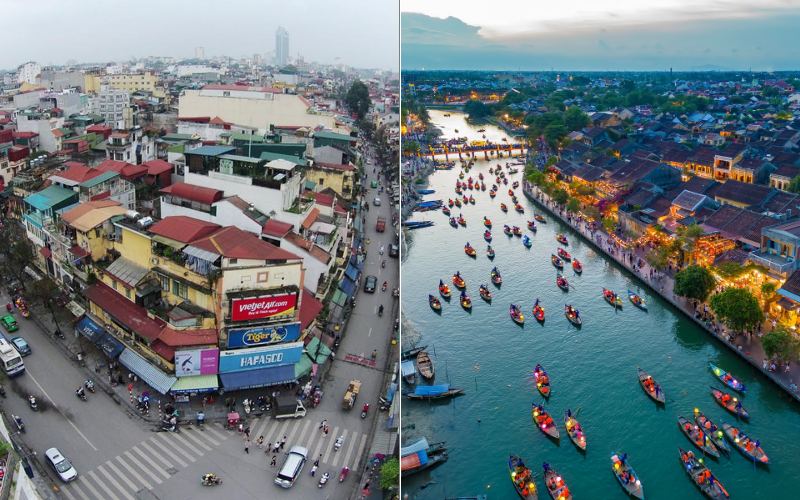
- Walking through the Old Quarter
- Visiting museums and historic temples
- Exploring traditional markets
- Trying northern Vietnamese street food
- Relaxing in small local cafés
You can also admire public art and architecture, including the famous Hanoi Ceramic Mosaic Mural along the Red River. Many attractions are located close to one another. This makes it easy to explore on foot or with short taxi rides. The city encourages slow discovery, where you move from one cultural site to another within a compact area.
Hanoi is ideal for travelers who enjoy history, architecture, and everyday local life.
Da Nang: Beaches, Nature, and Modern Attractions
Da Nang offers a different style of activities. The city combines coastal relaxation with outdoor adventure.
You can:
- Swim or relax at My Khe Beach
- Visit Non Nuoc Beach
- Explore the Marble Mountains with caves and pagodas
- Walk across the Dragon Bridge, which lights up at night
- Ride the Sun Wheel at Asia Park for panoramic views
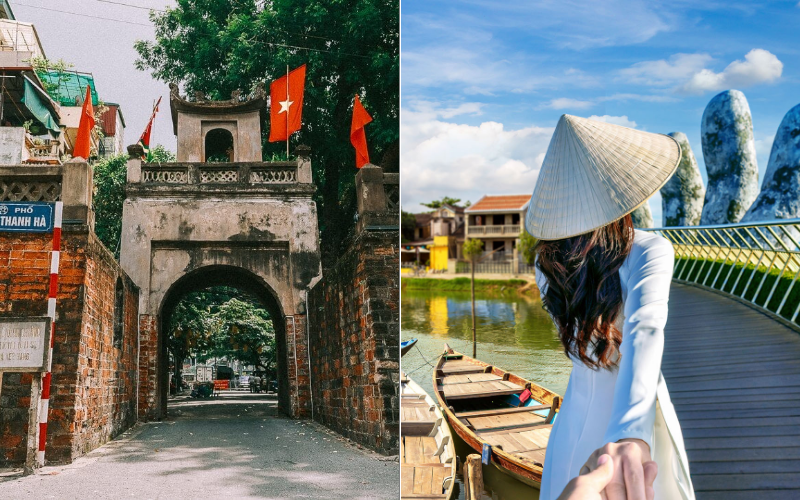
Nearby, the Golden Bridge in Ba Na Hills stands high above the mountains, supported by giant stone hands. This attraction offers impressive scenery and photo opportunities.
Da Nang gives travelers a mix of ocean views, mountain landscapes, and modern entertainment in one destination.
| Hanoi | Da Nang |
| Cultural landmarks | Beaches and coastline |
| Historic neighborhoods | Nature and mountain scenery |
| Street food culture | Fresh seafood dining |
| Compact walking areas | Open and spacious layout |
Food and dining experience in Hanoi or Da Nang
When travelers compare Hanoi or Da Nang, food is often one of the biggest deciding factors. Both cities have rich culinary cultures, but the flavors, ingredients, and dining styles are not the same.
Hanoi: Traditional and Deeply Rooted Flavors
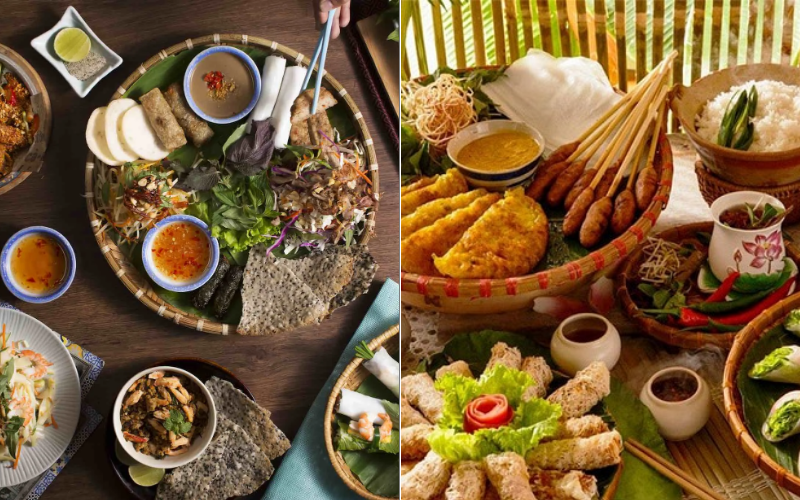
Hanoi is known for its traditional northern cuisine. The food reflects history and long-standing recipes passed down through generations. Popular dishes include:
- Pho (noodle soup)
- Bun cha (grilled pork with noodles)
- Egg coffee
Northern flavors are usually light, balanced, and not overly spicy. Street food is everywhere, especially in the Old Quarter. You can easily move from one stall to another and taste several dishes in a single evening.
Small family-run restaurants are common. Prices are affordable. Local coffee shops are part of daily life, and many serve seasonal specialties. Markets also offer fresh snacks and traditional desserts that are unique to the region.
Hanoi’s food experience feels authentic and closely connected to local culture.
Da Nang: Fresh Seafood and Coastal Variety
Da Nang’s cuisine is influenced by its seaside location. Seafood is a highlight here. Fresh fish, shrimp, crab, and shellfish are widely available.
Popular local dishes include:
- Mi Quang (noodles with shrimp and pork)
- Banh xeo (crispy Vietnamese pancakes)
Food streets and night markets become lively during dinner time, especially near the beach and riverside. Many seafood restaurants allow you to choose live seafood and have it prepared on the spot.
Da Nang also offers more modern dining settings. You can find beachfront restaurants, rooftop bars, and hotel dining venues. Budget travelers can enjoy cheap street meals, while others may choose fine dining experiences. Many visitors combine both styles during their stay.
| Hanoi | Da Nang |
| Traditional northern dishes | Fresh seafood focus |
| Strong street food culture | Coastal and central specialties |
| Historic cafés and markets | Beachfront and modern dining |
| Balanced, lighter flavors | Richer and more diverse textures |
Accommodation styles and comfort level in Hanoi and Da Nang
Accommodation is an important factor when choosing Hanoi or Da Nang for your trip. Each city offers different styles, comfort levels, and pricing structures. Your choice may influence both your daily convenience and overall travel experience.
Hanoi: Historic Charm and Central Access
In Hanoi, many visitors prefer staying near the Old Quarter or the city centre. These areas provide easy access to restaurants, markets, and cultural attractions.
Typical accommodation options include:
- Boutique hotels
- Local guesthouses
- Renovated French colonial buildings
- International hotel chains in newer districts
Because Hanoi is an older city, buildings are often narrow. As a result, hotel rooms may be smaller compared to modern coastal properties. However, many hotels focus on authentic decoration and traditional design elements. Staying in central Hanoi allows you to walk to major attractions without needing long transportation rides.
Hotels located directly in the Old Quarter or near popular landmarks may have higher nightly rates due to their prime location.
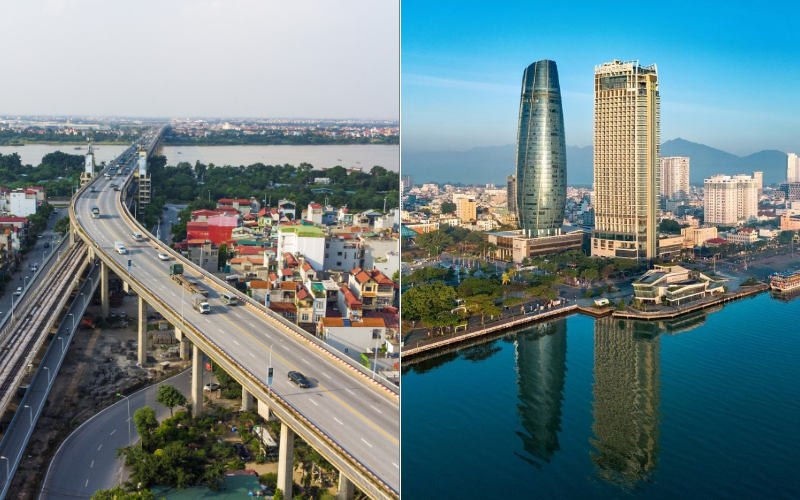
Da Nang: Modern Comfort and Beachfront Views
Da Nang provides a more modern accommodation environment. The city developed later, so many hotels are newer and more spacious.
You can find:
- Beachfront resorts
- Mid-range hotels
- Modern serviced apartments
- Budget hostels and guesthouses
Many properties are located near the coast. This allows guests to enjoy ocean views and quick beach access. Facilities often include swimming pools, fitness centers, and on-site restaurants. The layout of the city also means hotels are more spread out, which creates a quieter atmosphere.
Accommodation prices in Da Nang are generally slightly lower when comparing similar comfort levels. The city is less crowded, and land costs are lower. This often makes beachfront stays more affordable than expected.
| Hanoi | Da Nang |
| Historic buildings | Modern architecture |
| Central city location | Beachfront options |
| Smaller boutique rooms | Larger and newer rooms |
| Higher rates in the Old Quarter | Slightly lower average prices |
Budget considerations Hanoi or Da Nang
When travelers compare Hanoi or Da Nang, budget is often one of the most practical concerns. Both cities are considered affordable, especially when compared to major destinations in Europe, North America, or Australia. However, understanding where small cost differences exist can help you plan more effectively.
Average Daily Travel Expenses
On average:
- Da Nang costs around $55 per person per day
- Hanoi costs around $57 per person per day
These estimates usually include:
- Hotel or hostel accommodation
- Meals and drinks
- Local transportation
- Basic sightseeing and entrance fees
The overall difference is small. For most travelers, daily spending in either city remains budget-friendly. Backpackers can spend less by choosing dorm rooms and street food. Mid-range travelers can enjoy comfortable hotels and restaurant meals without high costs.
Accommodation Price Differences
Accommodation is where you may notice a clearer price gap.
In Hanoi, hotels in central districts—especially near the Old Quarter—often charge higher rates due to their prime location. These areas are close to major attractions, restaurants, and shopping streets. Boutique hotels and small guesthouses are common, but room sizes may be smaller because of older building structures.
In Da Nang, hotel prices are generally slightly lower when comparing similar quality. The city has more modern developments and larger properties. Beachfront hotels and serviced apartments often offer competitive rates. Even mid-range hotels may include amenities such as swimming pools or fitness centers at reasonable prices.
For travelers staying multiple nights, this small daily difference can add up.
Food and Local Transport Costs
Food expenses in both cities remain affordable.
- Street food meals are inexpensive and widely available.
- Local restaurants offer good value for money.
- Cafés and casual dining spots are reasonably priced.
You can easily enjoy several local dishes in one day without spending much. Prices for taxis, ride-hailing apps, and short motorbike trips are also similar in both destinations. Public transportation options remain budget-friendly as well.
There is no major cost advantage in food or transport when choosing between the two.
Intercity and Arrival Costs
Transportation to and from each city can influence your overall budget. Domestic flights between major Vietnamese cities are usually affordable, but prices rise during peak seasons and holidays. Booking tickets early can help reduce expenses.
Train and long-distance bus options are also available and may offer cheaper alternatives, depending on your route.
Overall Budget Perspective
In general, choosing Hanoi or Da Nang will not dramatically change your total trip cost. Both cities allow flexible spending depending on your travel style. However, Da Nang may offer slightly better value in accommodation and daily expenses.
If your goal is to maximize comfort while maintaining a moderate budget, Da Nang may have a small advantage. If location and cultural immersion matter more than small price differences, Hanoi remains an excellent and affordable option.
Weather impact on travel experience in Hanoi and Da Nang
When deciding between Hanoi or Da Nang, weather can play a decisive role in shaping your overall travel experience. Climate affects everything — from how comfortable you feel walking around the city, to what activities you can enjoy, and even how crowded certain attractions may be. Because these two cities sit in different regions of Vietnam, their weather patterns vary significantly throughout the year.
Understanding these differences will help you choose the destination that best matches your travel style and preferred activities.
Hanoi: A City of Four Distinct Seasons
Hanoi is located in northern Vietnam and has a subtropical climate, meaning the weather changes noticeably across four seasons. This seasonal variation gives Hanoi a different atmosphere depending on when you visit.
Spring (March – April)
Spring in Hanoi is generally mild and pleasant. Temperatures are moderate, humidity is manageable, and light drizzles occasionally occur.
Why it’s a good time to visit:
- Comfortable weather for walking tours
- Ideal conditions for exploring the Old Quarter
- Great time for outdoor photography
- Flower blooms create a charming cityscape
Spring offers a balanced climate — not too hot, not too cold — making it one of the most comfortable times for sightseeing.
Autumn (September – November)
Autumn is often considered the best season in Hanoi. The weather becomes cooler, the air feels fresher, and humidity levels drop.
Highlights of autumn:
- Clear blue skies
- Comfortable daytime temperatures
- Crisp evenings
- Beautiful golden light for photos
If you enjoy strolling around lakes, visiting historical sites, or enjoying outdoor cafés, autumn may be the perfect season for you.
Summer (May – August)
Summer in Hanoi can be intense. Temperatures rise significantly, and humidity becomes high. Sudden heavy rain showers are common.
What to expect:
- Hot and humid afternoons
- Occasional thunderstorms
- Strong sun exposure
While sightseeing is still possible, outdoor activities may feel tiring during peak midday heat. Planning indoor attractions during the hottest hours is often a good idea.
Winter (December – February)
Winter brings noticeably cooler weather compared to other parts of Vietnam. Although it doesn’t snow, temperatures can drop enough to feel chilly, especially in the mornings and evenings.
Winter characteristics:
- Cooler temperatures
- Overcast skies at times
- Light drizzle possible
Travelers expecting tropical warmth may find Hanoi surprisingly cool in winter, but many appreciate the refreshing change.
Da Nang: Warm, Tropical, and Beach-Oriented
Da Nang, located in central Vietnam, has a tropical climate. Unlike Hanoi, it does not experience four distinct seasons. Instead, it has two main periods: the dry season and the rainy season.
Overall, Da Nang stays warm throughout most of the year, making it especially appealing for beach vacations.
Dry Season (January – July)
The dry season is the most popular time to visit Da Nang. Rainfall is lower, and sunshine is frequent.
Advantages of visiting during this time:
- Ideal beach conditions
- Calm seas for swimming
- Clear skies for sightseeing
- Comfortable weather for outdoor tours
Temperatures are typically warm enough for beach activities almost every day, making it a great choice for travelers seeking sunshine and relaxation.
Rainy Season (August – December)
From late summer to the end of the year, rainfall increases in central Vietnam. This period can bring heavy showers and, occasionally, tropical storms or typhoons.
What to consider:
- Sudden heavy rain
- Possible flight delays during storms
- Rougher sea conditions
- Outdoor plans may need adjustment
While it does not rain constantly, the weather can be less predictable during these months.
| Feature | Hanoi | Da Nang |
| Climate Type | Subtropical | Tropical |
| Seasons | Four distinct seasons | Wet & dry seasons |
| Cool Temperatures | Yes (winter) | Rare |
| Beach-Friendly Months | Limited | Most of the year |
| Storm Risk | Moderate | Higher (late year) |
Make your Hanoi or Da Nang trip unforgettable — contact Lily’s Travel today! Known for its top rankings and strong reputation since 2007, Lily’s Travel has earned more than 2,000 five-star reviews from satisfied travelers. Their tours focus on meaningful cultural exchange, multi-regional discovery, and responsible tourism. With innovative 3D tour previews and a dedicated young team, Lily’s helps you choose the perfect experience for your Hanoi or Da Nang getaway.
Hanoi or Da Nang highlights the contrast between vibrant urban culture and peaceful seaside living. Hanoi rewards travelers who enjoy depth, history, and daily local life. Da Nang suits those who prefer comfort, scenery, and outdoor adventure. In the end, your personal travel vision will guide you to the right city.